
Transforming an outdoor garden into a warm, inviting sanctuary requires lighting that can withstand Singapore’s unique tropical climate. The combination of intense afternoon sun, high humidity, and sudden, heavy downpours presents a challenging environment for electrical decorations. To ensure your outdoor LED fairy lights remain safe, functional, and beautiful year-round, you must select products specifically engineered for wet environments and install them using proper safety protocols.
By understanding the technical specifications of weather resistance, planning safe electrical routing, and using non-destructive mounting techniques, you can create a stunning garden display. This guide covers everything you need to know to select, install, and maintain weatherproof fairy lights in a tropical garden setting.
Understanding Weather Resistance for Outdoor Fairy Lights
When shopping for outdoor fairy lights, the most critical specification to verify is the Ingress Protection (IP) rating. This rating consists of two digits: the first indicates protection against solid objects like dust, and the second indicates protection against liquids. For Singapore’s intense tropical rainstorms, IP65 is the baseline standard for sheltered outdoor areas like covered patios. An IP65 rating means the lights are dust-tight and protected against water jets from any angle.
Products mentioned in this guide
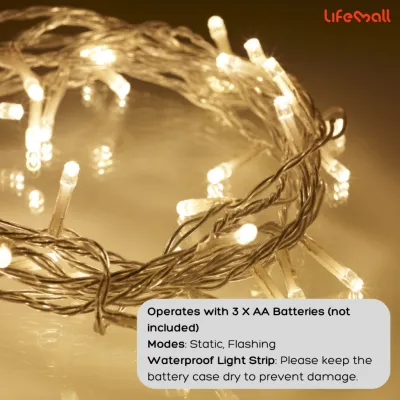
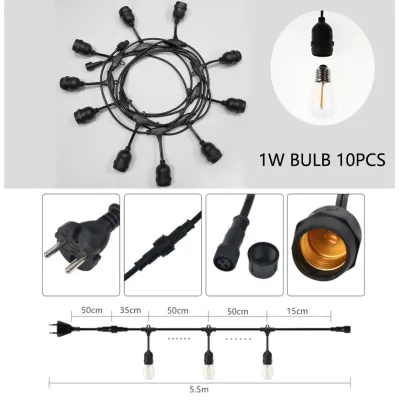
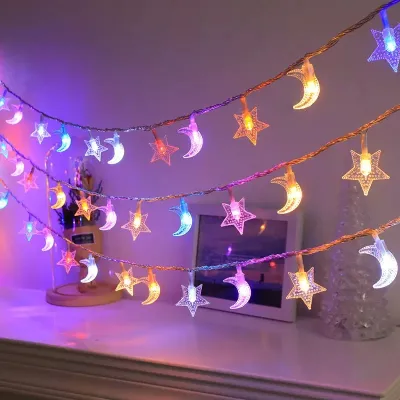
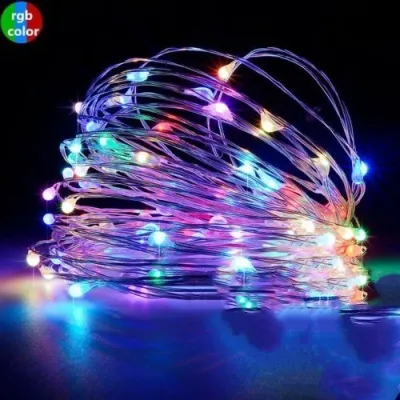
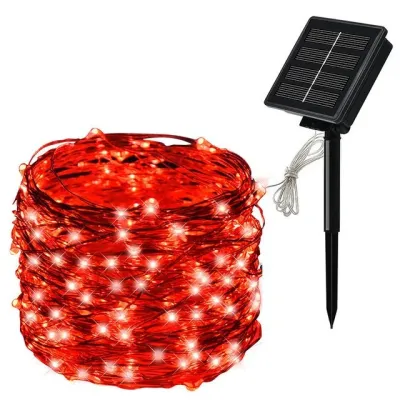
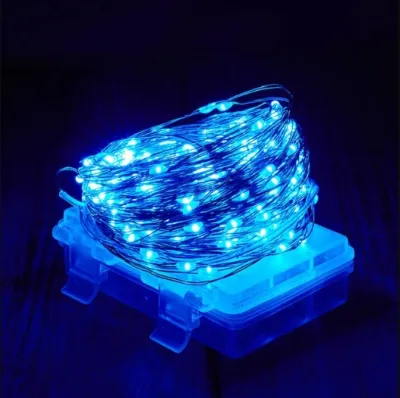
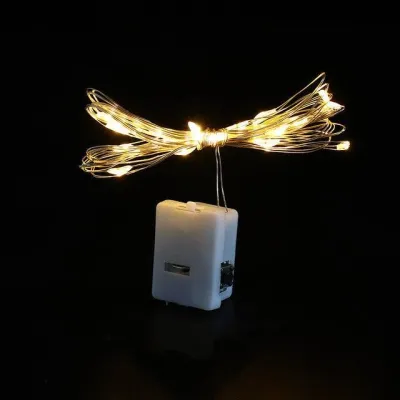
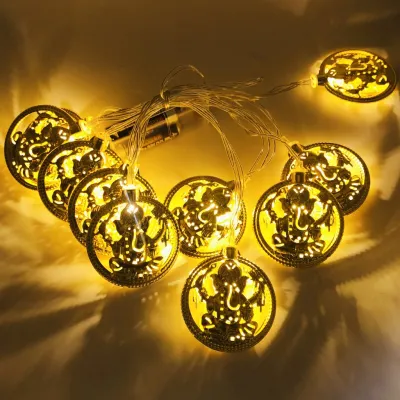
Prices are valid at publication and may change. Please refer to the product page for the latest price.
For fully exposed garden areas, such as lights wrapped around trees, draped over open trellises, or placed along lawn borders, IP67 or higher is strongly recommended. IP67-rated lights can withstand temporary submersion in water, which is crucial during heavy monsoonal downpours when garden soil can waterlog and puddle. Never use lights rated IP44 or lower in fully exposed outdoor settings, as they are only splash-proof and will quickly fail when subjected to heavy rain.
Beyond the IP rating, examine the physical materials of the light strand. The tropical sun’s intense ultraviolet (UV) rays can rapidly degrade standard plastics, causing them to become brittle, crack, and allow moisture to seep into the electrical components. Look for commercial-grade strands featuring heavy-duty rubberized cables, such as neoprene, or UV-stabilized PVC insulation. These materials remain flexible and intact despite prolonged exposure to sun and rain.
Always check the manufacturer’s label to distinguish between indoor-only, dual-use, and strictly outdoor-rated lights. Indoor-only variants lack the rubber gaskets, sealed bulb casings, and thick insulation required to prevent moisture ingress. Even if a product is labeled as dual-use, verify that the entire assembly—including the plug, controller, and transformer—is rated for outdoor use before exposing it to the elements.
Power Sources and Electrical Safety in Damp Environments
Selecting the right power source for your garden layout involves balancing convenience, performance, and safety. Solar-powered LED fairy lights are highly popular for open garden spaces because they operate on low-voltage direct current (DC) power, eliminating the risk of high-voltage electrical shocks. They require no complex wiring and automatically illuminate at dusk. However, their performance depends entirely on daily sunlight, meaning they may run for shorter periods or appear dimmer during the overcast monsoon seasons.

Battery-operated fairy lights offer excellent flexibility for temporary setups or areas far from electrical outlets. To use them outdoors, you must ensure the battery box is fully weatherproof, featuring a tight rubber gasket seal. Keep in mind that frequent battery replacements can become inconvenient for permanent displays, making this option best suited for seasonal decorations or special outdoor events.
Plug-in LED fairy lights provide consistent, bright illumination but require meticulous electrical planning to ensure safety in damp environments. Always verify the operating voltage of the system. Low-voltage systems that use a transformer to step down mains voltage (230V) to 12V or 24V are inherently safer for outdoor use. If a cable is accidentally cut or damaged by garden tools, low-voltage systems carry a significantly lower risk of severe electrical shock.
When routing plug-in lights, all electrical connections must be protected from moisture. Use outdoor-rated extension cables and house all plugs, timers, and transformers inside a certified weatherproof connection box. Elevate these connection boxes off the ground—such as mounting them on a wall, fence, or dedicated garden post—to prevent them from sitting in pooled water during sudden downpours. Always incorporate a drip loop in the cable before it enters the connection box to ensure water runs off the wire rather than trickling directly into the electrical port.
For any permanent outdoor lighting installations, fixed wiring, or the addition of new outdoor mains sockets, safety is paramount. Always isolate the mains power before handling any electrical components. If your project involves complex wiring, high-voltage connections, or integration into your home’s consumer unit, you must engage a licensed electrical worker (LEW) to ensure the installation complies with local electrical safety regulations.
Design and Arrangement Ideas for Garden Spaces
Integrating fairy lights into your garden should enhance its natural beauty without causing physical damage to your plants or the lighting equipment. When wrapping trees, palms, or large shrubs, wrap the strands loosely. Trees grow continuously, and wrapping wires too tightly can constrict branches, damage bark, or stretch the wires to the point of internal copper breakage. Leaving a small amount of slack also allows the branches to sway naturally in high winds without putting tension on the electrical connections.
To outline architectural features like pergolas, gazebos, or patio perimeters, plan your layout to follow the structural lines of the building. This creates a clean, intentional look. If you want to illuminate garden pathways, drape the lights along low borders or weave them through sturdy ground-cover plants. Always ensure the lights and cables are kept clear of lawnmower paths and foot traffic to prevent accidental damage and tripping hazards.
Never use metal nails, staples, or tacks to secure fairy lights to trees or wooden structures. These sharp fasteners can easily pierce the protective wire insulation, exposing live copper to moisture and creating immediate short circuits or shock hazards. Instead, use UV-resistant plastic zip ties, outdoor-rated adhesive clips, or specialized plastic gutter and branch hooks. These fasteners secure the wires firmly without damaging the insulation or the supporting structures.
Manage cable slack carefully throughout your installation. Loose, dangling wires are highly susceptible to wind damage, as constant friction against rough tree bark or masonry can wear down the outer insulation over time. Secure any excess cable neatly along structural edges using zip ties, ensuring the entire run is stable and protected from physical wear.
Whether you prefer a warm white glow for a cozy, intimate atmosphere or a cool white light for a modern, crisp look is a matter of personal preference. However, ensure that all connected strands share the same color temperature to maintain visual consistency across your garden design.
Installation, Maintenance, and Troubleshooting
Before hanging your lights, perform a thorough pre-installation visual check. Lay the strands out on a dry surface indoors and inspect the entire length of the cable for frayed wires, cracked bulb casings, or signs of moisture inside the sealed LED covers. Plug the lights in briefly to verify that all LEDs illuminate correctly. It is far easier to identify and resolve a faulty bulb or connection while the strand is on the ground than after it has been mounted high in a tree.
In Singapore’s warm, humid climate, organic growth like algae and mold can quickly accumulate on outdoor wires and bulb casings. This buildup not only dims the light output but also traps moisture against the seals, accelerating degradation. Periodically clean your lights to prolong their lifespan. Always isolate the power supply completely before cleaning. Wipe the strands gently with a soft, damp cloth and a mild, highly diluted soap solution. Avoid using abrasive scrubbing pads or harsh chemical solvents, which can scratch the plastic or degrade the rubber seals. Allow the entire setup to dry completely before restoring power.
For temporary or festive displays, proper storage is key to preventing wire damage. When taking down the lights, wrap them neatly around a plastic spool or a sturdy piece of cardboard to prevent tangling. Tangled wires often get pulled forcefully during unpacking, which can snap the delicate internal copper filaments. Store the lights in an airtight container with a few silica gel packets to absorb any residual moisture, and keep the container in a cool, dry indoor area.
Despite proper care, outdoor electrical components will eventually wear out. If you observe exposed copper wires, cracked outer insulation, or water trapped inside a non-replaceable LED casing, the strand is no longer safe to use. Do not attempt to patch damaged outdoor wires with standard electrical tape, as it cannot provide a reliable watertight seal against heavy rain. Safely dispose of and replace the faulty strand immediately to maintain a safe outdoor environment.
Frequently Asked Questions (FAQ)
Can I leave outdoor fairy lights on during heavy thunderstorms?
While high-quality IP65 or IP67 fairy lights are designed to withstand heavy rain, severe tropical thunderstorms in Singapore often bring intense lightning and localized flooding. It is highly recommended to turn off and unplug plug-in fairy lights during severe storms to protect the system from electrical power surges and to eliminate any risk of electrical faults if water levels rise unexpectedly. Solar-powered units are generally safe to leave out as they operate on low-voltage batteries, though they will not charge during heavy overcast weather.
How do I prevent the wires from developing mold or algae in high humidity?
High humidity combined with warm temperatures creates the perfect breeding ground for mold and algae. To minimize this, ensure your fairy lights are installed in areas with adequate airflow rather than packed tightly inside dense, stagnant foliage. Periodically wiping down the strands with a soft cloth and mild soapy water—ensuring the power is completely isolated first—will remove the organic matter and dirt that mold and algae feed on.

Community discussion
Share your experience or ask a question. Comments are reviewed before publication.