
Choosing a Buddhist altar cabinet in Singapore is a deeply personal and spiritually significant decision. An altar serves as the sacred focal point of a home, providing a dedicated space for daily prayers, meditation, and mindfulness. However, finding a high-quality altar cabinet requires navigating a diverse market of furniture retailers, specialized religious suppliers, and custom craftsmen. To make an informed investment, you must look beyond aesthetic appeal and evaluate brands based on material quality, structural integrity, and traditional design authenticity.
In Singapore’s unique living environment, characterized by high-rise apartments like Housing & Development Board (HDB) flats and condominiums, spatial constraints and tropical humidity play a critical role in your choice. A poorly constructed cabinet can warp, crack, or degrade quickly under local climate conditions. This comprehensive guide provides a practical framework to help you evaluate altar cabinet brands, assess craftsmanship, and select a piece that respects both your spiritual practices and your home’s design.
Core Criteria for Identifying Trustworthy Altar Cabinet Brands
When searching for a reputable altar cabinet brand, the first step is to distinguish specialized religious furniture makers from generic home decor retailers. Specialized brands possess a deep understanding of traditional Buddhist iconography and spatial proportions. They design cabinets with precise dimensions that accommodate specific deity heights, offering plates, and incense burners, ensuring that your sacred items are displayed with the utmost respect.
Products mentioned in this guide
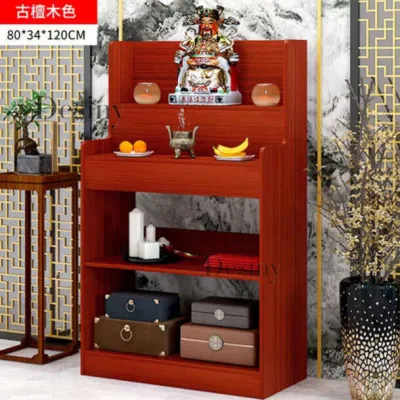
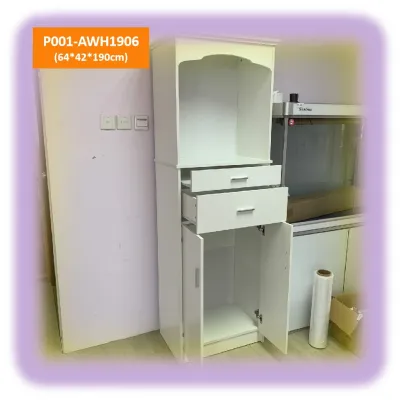
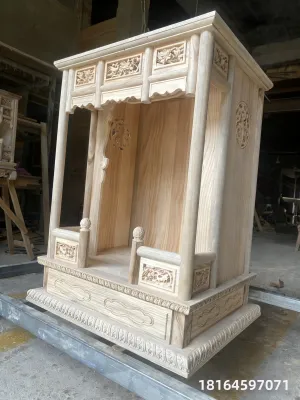
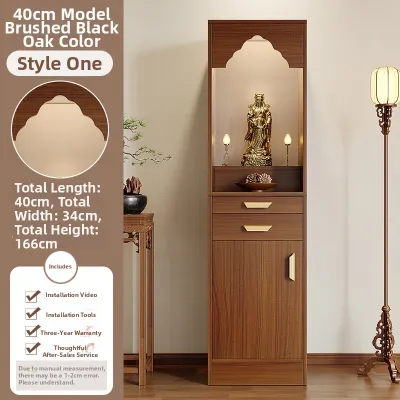
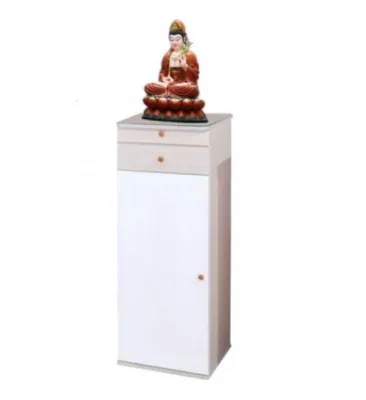
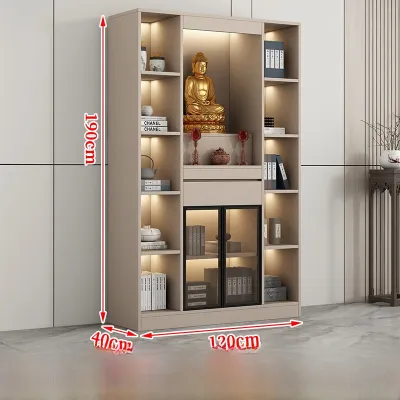
![[HOMIEST] ORATE 2FT Altar Cabinet Prayer Cabinet Religious Worship Natural/Walnut](https://img.lazcdn.com/g/p/cfaa0a6f73682165358fbd07edf06f9b.jpg_400x400q80.jpg_.webp)
Prices are valid at publication and may change. Please refer to the product page for the latest price.
A trustworthy brand prioritizes material transparency. They will clearly specify the exact species of wood used in construction—such as premium teak, rosewood, or cypress—rather than using ambiguous terms like “hardwood blend” or “solid wood finish.” Reputable manufacturers are proud of their sourcing and will readily explain where their timber is harvested and how it is treated to withstand environmental changes.
Furthermore, established brands back their products with clear warranties and have a verifiable business history in Singapore. Look for companies with physical showrooms where you can inspect the furniture in person. A physical presence demonstrates a long-term commitment to customer service and provides a reliable point of contact for after-sales support, repairs, or future modifications.
Be vigilant against common red flags when evaluating suppliers. Avoid brands that offer vague material descriptions, refuse to disclose the origin of their wood, or lack a physical space where you can verify their craftsmanship. Unusually low prices for supposedly premium solid wood cabinets are another warning sign; high-quality timber and skilled joinery require significant resources, and unrealistic discounts often indicate compromised materials or poor construction techniques.
Key Dimensions for Assessing Craftsmanship and Material Quality
Evaluating the physical quality of an altar cabinet requires looking closely at wood stability, joinery techniques, and surface finishes.

Wood Types and Stability
Singapore’s tropical climate is characterized by high relative humidity and temperature fluctuations, especially between air-conditioned indoor spaces and naturally ventilated rooms. This environment can cause wood to expand and contract. To prevent warping, splitting, or cracking, high-quality brands use kiln-dried timber. Kiln-drying is a controlled process that reduces the wood’s moisture content to a stable level, typically between 8% and 12%, making it highly resilient to local weather conditions. When visiting a showroom, ask the supplier about the moisture content of their wood and whether it has been treated specifically for tropical climates. Verify solid wood claims by inspecting the end grain on the edges of panels; genuine solid wood will show continuous grain patterns wrapping around the corners, whereas veneered pieces often display repeating patterns or artificial seams.
Joinery and Structural Integrity
The longevity of an altar cabinet depends heavily on how its components are held together. Traditional woodworking relies on interlocking joinery, such as mortise-and-tenon joints, which allow the wood to expand and contract naturally without losing structural strength. In contrast, cheaper cabinets often rely on metal screws, nails, or heavy adhesives, which can loosen over time as the wood shifts. Examine the cabinet’s construction by pulling out drawers and checking if they slide smoothly without sticking or sagging. Inspect the alignment of the doors; they should meet perfectly without gaps or rubbing against the frame. Gently test the cabinet’s stability by applying light pressure to ensure there is no wobbling, which is crucial for supporting heavy deity statues safely.
Finishes and Religious Appropriateness
The finish applied to an altar cabinet serves both protective and aesthetic purposes. High-quality lacquers, natural oils, or polyurethane coatings seal the wood, protecting it from moisture, heat, and accidental spills from offering cups. If the cabinet features gold leaf or painted motifs, inspect the application closely; the details should be crisp, even, and free from flaking or bubbling. Beyond durability, the design must align with respectful Buddhist traditions. The height of the main deity platform should be elevated and dignified, and any carved motifs—such as lotus flowers, dharma wheels, or auspicious clouds—should be executed with precision and reverence. Decorative styles and spatial effects remain a matter of personal preference, but structural and religious alignment are essential.
Where to Find and Vet Reputable Altar Cabinet Suppliers in Singapore
Navigating the local market involves understanding the different types of retail channels available and how to vet them effectively.
Specialized Religious Furniture Showrooms
Visiting dedicated showrooms in established commercial or industrial areas in Singapore is the most reliable way to assess quality. These specialized retailers employ knowledgeable staff who can guide you through the religious requirements of altar setup, such as the correct placement of ancestral tablets and deities. In a physical showroom, you can run your hands over the wood, test the drawer mechanisms, and observe the true color and grain of the timber under realistic lighting conditions.
Custom Woodworking Studios
If you have specific design preferences or unique spatial constraints, engaging a local custom woodworking studio or a carpenter specializing in traditional Asian furniture is an excellent path. When vetting custom craftsmen, ask to see a portfolio of their previous altar projects. Discuss your requirements in detail, including the weight of your deity statues, to ensure they design adequate structural support. A reputable custom studio will provide detailed technical drawings and material samples before commencing production.
Online Marketplaces and E-commerce Platforms
While online marketplaces offer convenience and a wide range of options, purchasing a heavy, high-value item like an altar cabinet online requires extra diligence. Verify the seller’s credentials by looking for registered business details and reading customer reviews carefully. Request high-resolution photos or video tours of the actual cabinet, and ask for written confirmation of the wood species and construction methods. Ensure you fully understand the seller’s delivery, installation, and return policies, particularly regarding how they handle potential transit damage.
Customization vs. Ready-Made Cabinets: Choosing Your Path
Deciding between a ready-made altar cabinet and a custom-built commission depends on your budget, timeline, and specific household needs.
Ready-Made Options
Ready-made altar cabinets are highly practical for standard HDB or condominium layouts. Because they are manufactured in standardized sizes, they are readily available for quick delivery and come with predictable, upfront pricing. This option is ideal if you need an altar quickly and your religious setup fits within standard dimensions. When choosing a ready-made model, measure your deity statues and offering vessels beforehand to ensure they fit comfortably on the fixed internal shelves and pull-out trays.
Custom Commissions
Custom-built cabinets offer complete design freedom, allowing you to tailor every aspect of the altar to your home. This is the preferred choice if you have a specific alcove, want to integrate the altar seamlessly into a modern built-in wardrobe system, or require specialized compartments for multiple deities and ancestral tablets. Customization allows you to select the exact wood species, finish color, and carving details. However, keep in mind that custom pieces require a longer lead time—often ranging from several weeks to months—and involve structured deposit payments and a higher financial investment.
Decision Matrix
To help guide your decision, consider the following comparison:
- Lead Time: Ready-made cabinets are typically delivered within 1 to 2 weeks, while custom commissions require 6 to 12 weeks for design, fabrication, and installation.
- Cost: Ready-made options are generally more cost-effective, with prices starting from a few hundred dollars, whereas custom designs carry a premium price tag due to personalized labor and materials.
- Design Flexibility: Ready-made cabinets offer limited flexibility with fixed shelves and finishes, while custom designs provide unlimited options for dimensions, integrated lighting, and storage configurations.
Pre-Purchase Checklist and Installation Boundaries
Before finalizing your purchase, it is essential to run through a practical checklist to ensure a safe, respectful, and seamless installation in your home.
Spatial and Environmental Checks
- Accurate Measurements: Measure the height, width, and depth of the designated space, leaving a few centimeters of clearance on all sides for ventilation and ease of installation.
- Proximity to Moisture: Avoid placing the altar cabinet directly adjacent to or sharing a wall with a bathroom or kitchen, as moisture and grease can damage the wood and finish over time.
- Ventilation: Ensure the area has adequate airflow to allow incense smoke to dissipate naturally, preventing soot buildup on the cabinet and surrounding walls.
Delivery and Assembly
- Logistics Planning: Confirm whether the supplier's delivery service includes transporting the heavy cabinet up staircases, especially if your building lacks lift access or has narrow corridors.
- On-Site Assembly: Clarify if the cabinet will arrive fully assembled or if the delivery team will perform on-site assembly and positioning. Solid wood pieces are exceptionally heavy and require professional handling to avoid injury or damage to your flooring.
Electrical and Lighting Safety
- Voltage and Certification: If your altar cabinet features integrated LED lighting, verify that the power adapters and plugs carry recognized safety certifications (such as the Safety Mark in Singapore) and match local voltage standards (230V).
- Heat Dissipation: Ensure that any lighting fixtures use low-wattage LEDs that emit minimal heat, reducing the risk of heat damage to the wood or nearby religious items.
- Wiring and Isolation: Plan the routing of electrical cords to ensure they are neatly concealed and do not pose a tripping hazard. For any fixed electrical wiring, modification of wall sockets, or installation of dedicated switches near the altar, always engage a licensed electrical worker to perform the work safely.
Frequently Asked Questions (FAQ)
How should I clean and maintain a wooden altar cabinet in a humid climate?
Regular maintenance is key to preserving the beauty and structural integrity of a wooden altar cabinet in Singapore’s humid environment. Use a dry or slightly damp microfiber cloth to gently dust the surfaces, carvings, and shelves. Avoid using harsh chemical cleaners, abrasive pads, or excessive water, as these can strip away protective lacquer, damage gold leaf details, or cause the wood to swell. Keep the room well-ventilated to prevent moisture buildup, which can lead to sticking drawers or mold growth. Always consult the manufacturer’s specific care instructions or a professional furniture restorer before applying any commercial polishes, oils, or waxes to ensure compatibility with the existing finish.
Are there specific placement rules for a Buddhist altar cabinet in an HDB flat?
In a typical HDB flat, the Buddhist altar cabinet should ideally be placed in a quiet, clean, and well-lit area of the living room, facing the main entrance or an open space. Avoid placing the altar directly facing or sharing a wall with a bathroom, kitchen, or bedroom, as this is traditionally considered disrespectful. Ensure the cabinet stands against a solid backing wall for physical stability and symbolic grounding, and try to avoid placing it directly under structural ceiling beams. Before mounting any heavy wall-hung altar shelves or drilling into walls for structural support, always verify local housing guidelines and structural boundaries to ensure safety and compliance with building regulations.
Community discussion
Share your experience or ask a question. Comments are reviewed before publication.