
Selecting the right lights for ceiling installations in Singapore involves navigating a complex landscape of technical specifications, safety regulations, and design choices. Rather than searching for a single, universally superior brand, homeowners and designers must focus on how different lighting manufacturers align with their specific spatial needs, budget constraints, and installation environments. A well-planned lighting scheme relies on fixtures that not only look appealing but also deliver consistent color quality, reliable thermal performance, and seamless electrical integration. By understanding the core engineering metrics and local compliance standards, you can confidently evaluate the ceiling spot and track light brands available in the local market.
Key Criteria for Evaluating Lighting Brands
When evaluating lighting brands, the first technical metric to examine is the Color Rendering Index (CRI), which measures how accurately a light source reveals the true colors of objects compared to natural light. While a CRI of 80 is often considered the bare minimum for residential use, premium brands typically offer fixtures with a CRI of 90 or higher. For spaces where visual accuracy is paramount, such as dining areas, art displays, or vanity mirrors, you should also look closely at the R9 value, which specifically measures the rendering of saturated red tones. Many standard LED fixtures with a high overall CRI still suffer from low R9 values, resulting in wood finishes, food, and skin tones appearing dull or slightly greenish under the light.
Thermal management is another critical differentiator between high-quality lighting brands and generic, low-cost alternatives. LEDs are highly sensitive to heat; if the thermal energy generated at the LED junction is not dissipated efficiently, the fixture will experience rapid lumen depreciation and premature failure. Reputable brands invest heavily in engineering robust heat sinks, typically constructed from die-cast aluminum, cold-forged aluminum, or advanced ceramic materials. When browsing brands, inspect the physical construction of the spotlight or track head; a heavy, well-finned metal housing is a strong indicator of superior heat dissipation compared to lightweight plastic or thin sheet-metal enclosures.
Products mentioned in this guide
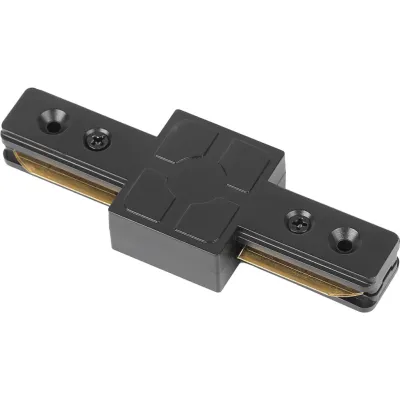
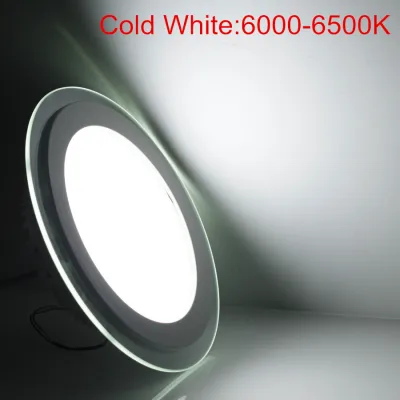
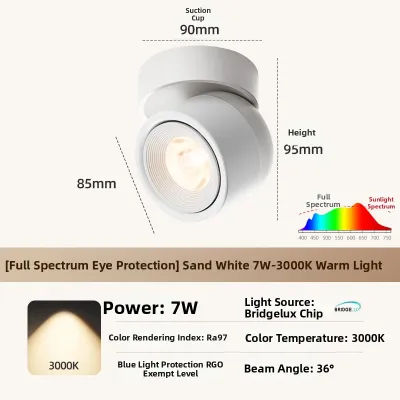
Prices are valid at publication and may change. Please refer to the product page for the latest price.
Color temperature consistency across multiple fixtures is essential for maintaining a cohesive visual environment in your home. This consistency is measured using the Standard Deviation of Color Matching (SDCM), also known as MacAdam ellipses. A brand that guarantees an SDCM of 3 or lower ensures that any color variations between individual fixtures of the same rated color temperature (such as 3000K warm white) are virtually imperceptible to the human eye. Lower-tier brands often have wider tolerances, resulting in a noticeable and distracting patchwork of slightly yellow, pink, or green hues across a single row of ceiling spots or track lights.
Electrical and Safety Standards in Singapore
Before purchasing any ceiling spot or track light brand, it is vital to verify that the fixtures are fully compatible with Singapore’s electrical grid, which operates at a standard voltage of 230V AC and a frequency of 50Hz. Importing fixtures directly from overseas markets without verifying these specifications can lead to immediate driver failure, severe flickering, or hazardous electrical shorts. Reputable brands distributing locally will explicitly state compatibility with these electrical parameters on their product labels and technical datasheets.

In Singapore, external LED drivers—the components that regulate power to the LED chips—are classified as controlled goods under the Consumer Protection (Safety Requirements) Registration Scheme. When evaluating lighting brands, always check if their drivers carry the Safety Mark issued by Enterprise Singapore. This certification indicates that the electrical components have undergone rigorous testing to ensure they meet stringent safety standards, protecting your home from risks of electrical fires, insulation breakdown, and electromagnetic interference.
It is also important to distinguish between the installation requirements of different track and spot systems. While some low-voltage plug-in track systems can be connected to standard wall outlets, the vast majority of residential ceiling spots and track lights require direct hardwiring into your home’s electrical mains. Any fixed wiring installation, modification of ceiling points, or mounting of heavy track systems must be performed by a Licensed Electrical Worker (LEW) or a qualified electrician. Before any installation, maintenance, or fixture replacement begins, ensure that the power supply is completely isolated at the main distribution board to prevent accidental shock or injury.
Matching Brand Positioning to Your Lighting Goals
Lighting brands in the Singapore market generally fall into distinct positioning tiers, each serving different design priorities and budget allocations. Premium and architectural lighting brands focus on precision engineering, custom optics, and advanced control compatibility. These manufacturers often feature deep-recessed designs that achieve a low Unified Glare Rating (UGR < 19), ensuring that the light source remains hidden from direct view to maximize visual comfort. Additionally, premium brands offer highly specialized dimming drivers and interchangeable lenses, allowing you to adjust beam angles from narrow spots to wide floods as your interior layout evolves.
Mainstream and commercial brands, on the other hand, prioritize standardized specifications, high cost-effectiveness, and broad retail availability. These brands are highly reliable for general ambient lighting and are designed for straightforward installation in standard ceiling cutouts. While they may offer fewer customization options in terms of beam angles or specialized finishes, they provide consistent light output and reliable driver performance at a more accessible price point, making them excellent choices for high-traffic, functional areas of the home.
To optimize your overall renovation budget, consider a strategic mixing of brand tiers across different zones of your home. For high-impact areas such as the living room feature wall, dining area, or curated art displays, investing in premium architectural brands will pay off in superior color rendering, glare control, and precise beam shaping. Conversely, for utility spaces, corridors, walk-in wardrobes, or study rooms where functional brightness is the primary goal, mainstream or commercial-grade brands can deliver excellent performance without inflating your overall expenses.
Navigating Purchasing Channels and Authenticity Checks
Sourcing your chosen lighting brands through the correct channels is essential to ensure you receive genuine products and reliable after-sales support. Visiting dedicated brand showrooms or authorized lighting distributors in Singapore allows you to experience the fixtures in a controlled lighting environment, where you can compare beam spreads, color temperatures, and dimming smoothness in person. While general e-commerce platforms offer convenience and competitive pricing, they also carry a higher risk of listing parallel imports, grey-market goods, or outright counterfeit fixtures that bypass local safety testing.
Purchasing grey-market fixtures often deprives you of essential technical support and local warranty coverage. If a driver fails or a fixture begins to flicker prematurely, unauthorized imports may not be eligible for local replacement parts, leaving you with mismatched lighting or the need to replace the entire system. Genuine brands sold through authorized local dealers will provide clear warranty terms—typically ranging from one to three years for mainstream brands, and up to five years for premium architectural systems—covering both the LED light source and the external driver.
When verifying the authenticity of a lighting brand, inspect the packaging, product labels, and accompanying documentation. Genuine products will feature clear branding, model numbers, electrical specifications, and safety certification marks. If a seller is unable to provide technical datasheets, installation manuals, or clear warranty terms, or if the price seems unusually low compared to authorized retail rates, these are significant red flags indicating that the product may be non-compliant or counterfeit.
Installation Constraints and Dimming Compatibility
Successful integration of ceiling spots and track lights requires careful pre-purchase planning of your ceiling’s physical structure. For recessed spotlights, you must measure the available depth within your false ceiling cavity; high-power fixtures often require a clearance of 80mm to 100mm to allow adequate airflow around the heat sink. If you are planning a suspended or surface-mounted track system, verify the structural load limits of your ceiling. Plasterboard false ceilings require proper reinforcement, such as timber support backings or specialized toggle bolts, to safely bear the weight of heavy track rails and multiple spotlight heads over time.
Dimming compatibility is another common pitfall that must be addressed before finalizing your brand selection. Not all LED spotlights are dimmable, and those that are require compatible dimmer switches to operate smoothly without buzzing or flickering. Most residential LED drivers are designed for either leading-edge (triac) or trailing-edge dimming, with trailing-edge systems generally offering smoother dimming curves and quieter operation for electronic LED loads. If you plan to integrate your lighting with a smart home automation system, ensure that the lighting brand’s drivers are compatible with your chosen protocol, whether it is Zigbee, Dali, or a 0-10V analog system.
While planning your lighting layout can be an enjoyable part of the design process, it is crucial to recognize when DIY planning must stop. If your project involves cutting new ceiling openings, running complex wiring through concrete slabs, installing heavy suspended tracks at height, or configuring multi-zone dimming systems, you must consult a qualified professional, such as a licensed electrician or a professional lighting designer. Their expertise ensures that your lighting system is installed safely, complies with all local building codes, and performs reliably for years to come.
Frequently Asked Questions (FAQ)
Can I mix different brands of spotlights on the same track system?
While it is physically possible to mount different brands of spotlights on a single track, doing so requires careful verification of physical and electrical compatibility. Track systems are not universally standardized; they come in various profiles, including single-circuit (two-wire), two-circuit, or three-circuit (four-wire) configurations. A spotlight adapter must match the exact track rail profile to ensure a secure mechanical connection and proper electrical contact. Mixing brands without verifying compatibility can lead to loose connections, arcing, or damage to the fixtures, so it is always recommended to consult the manufacturer’s specifications before combining components.
What specifications should I check for bathroom or damp-area ceiling spots?
When selecting ceiling spots for bathrooms or other high-moisture environments, you must check the fixture’s Ingress Protection (IP) rating. Standard indoor spotlights typically carry an IP20 rating, which offers no protection against water ingress. For installation in bathroom zones where moisture and steam accumulate, look for brands that offer fixtures with at least an IP44 rating, which protects against splashing water from all directions. For areas directly above showers or bathtubs, an IP65 rating is highly recommended to ensure complete protection against water jets and moisture penetration, preventing corrosion of the internal electronics and ensuring long-term safety.
Community discussion
Share your experience or ask a question. Comments are reviewed before publication.