
Creating a warm, inviting atmosphere in a Singapore home often comes down to lighting. While main ceiling fixtures provide functional illumination, ambient lighting is what truly transforms a living space into a cozy sanctuary. Fairy lights have transitioned from simple festive decorations used during holidays into year-round design elements. Whether you want to soften the modern edges of a newly renovated HDB flat, add a touch of romance to a condominium balcony, or create a soothing bedroom retreat, these versatile light strings offer an affordable and highly customizable solution.
However, navigating the local market to find reliable fairy light brands can be challenging. The market is flooded with unbranded, low-cost imports that may look appealing online but often fail within weeks or, worse, pose serious electrical hazards. To make an informed purchase, you need to look beyond flashy marketing and understand the technical specifications, material quality, and safety standards that define a truly reliable brand. By focusing on build quality, power configurations, and local safety compliance, you can select lighting that is not only beautiful but also durable and safe for your household.
Key Criteria for Evaluating Fairy Light Brands
When assessing different fairy light brands, the physical construction of the wire is your first indicator of quality. High-quality brands typically offer two main types of wiring: flexible copper (or silver) wire and insulated PVC cable. Copper wire models are incredibly thin and malleable, allowing you to bend them around delicate objects, weave them through plants, or shape them into custom wall designs. However, because these wires are exposed, they are more susceptible to physical damage if bent repeatedly at sharp angles. In contrast, PVC-coated wires are thicker, heavier, and offer superior physical protection, making them the preferred choice for heavy-duty installations, long spans, or any setup where the lights will be frequently handled.
Products mentioned in this guide

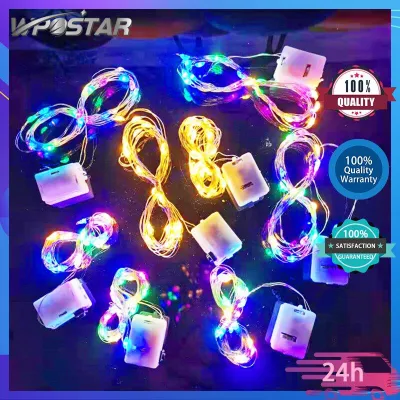
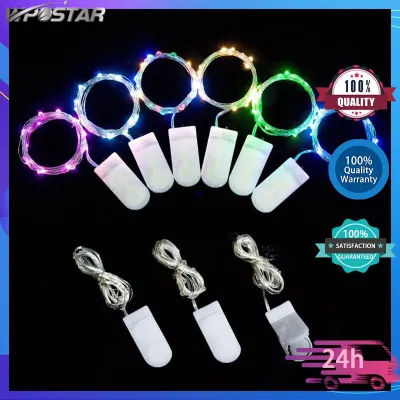
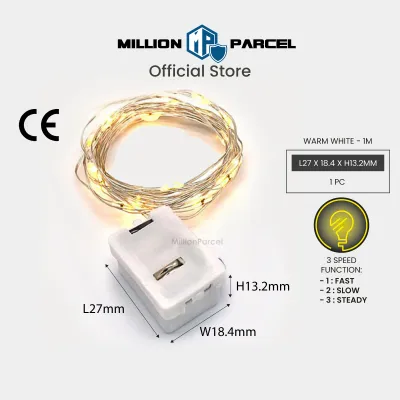
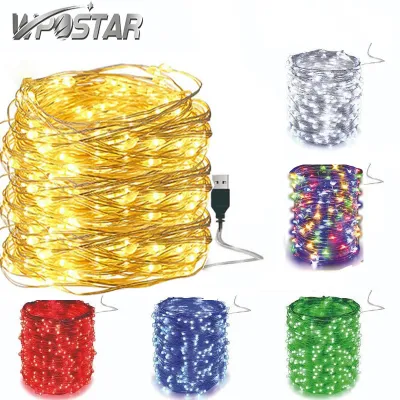
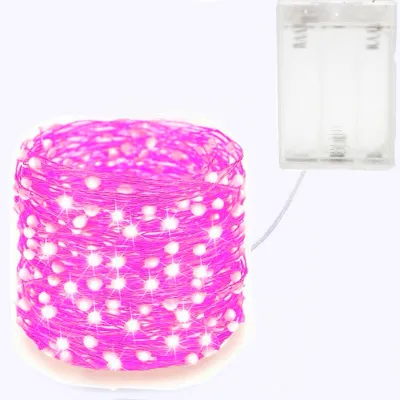
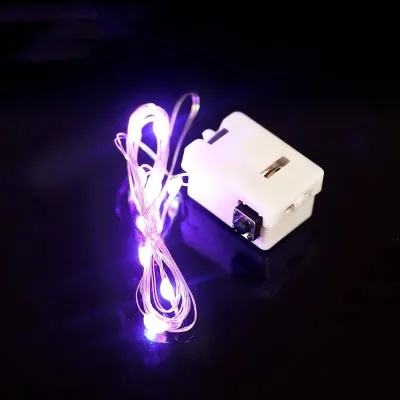
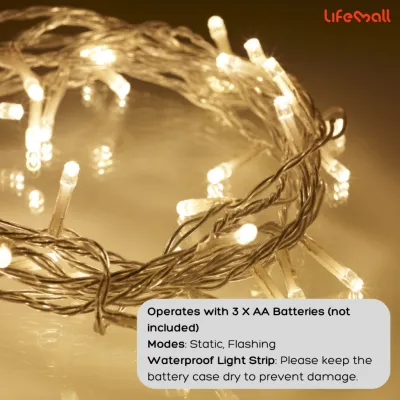
Prices are valid at publication and may change. Please refer to the product page for the latest price.
The quality of the LED chips themselves is another critical differentiator. Premium brands invest in high-grade LEDs that deliver consistent brightness and color temperature across the entire length of the string. Lower-quality brands often suffer from color shifting, where some bulbs appear warmer or cooler than others, or voltage drop, where the lights at the far end of the string are noticeably dimmer than those closest to the power source. Reliable manufacturers design their circuitry to maintain uniform voltage, ensuring that every single LED glows with the exact same intensity and hue.
Power source options significantly impact where and how you can install your lights. Battery-operated models offer unmatched portability, making them perfect for dining table centerpieces, temporary party setups, or areas far from an electrical outlet. However, they require ongoing battery replacements, which can become costly and environmentally unfriendly unless you use high-quality rechargeable cells. USB-powered fairy lights bridge the gap between portability and continuous power; they can run off a standard phone charger, a computer port, or a portable power bank, making them highly popular for study desks and bedside setups.
For permanent or large-scale installations, plug-in models operating on mains power are the standard. These provide a constant, bright light output and can support much longer string lengths. However, because they connect directly to Singapore’s 230V electrical grid, verifying their safety certifications is paramount. Lastly, solar-powered options are available for outdoor spaces like open balconies or gardens. While highly energy-efficient, their performance in Singapore depends heavily on placing the solar panel in a spot that receives direct, unobstructed sunlight during the day, which can sometimes be challenging in high-rise apartments with overhanging ledges.
Modern fairy lights also offer a range of smart features and control modes that enhance convenience. Look for brands that include built-in timers, which automatically turn the lights off after a set number of hours to conserve energy and extend the lifespan of the LEDs. Dimmability is another highly desirable feature, allowing you to transition the spatial effect from a bright, cheerful glow for social gatherings to a soft, low-intensity nightlight. Some advanced brands offer smart home integration, allowing you to control the lights via a smartphone app, set schedules, or sync the illumination with your home assistant.
Matching Fairy Light Types to Your Home Decor Scenes
Selecting the right style of fairy lights depends entirely on the specific room and the visual effect you wish to achieve. Curtain and canopy lights are designed with a main horizontal cable from which multiple vertical light strings hang down. This structure is ideal for creating a dramatic, cascading backdrop. Hanging curtain lights behind a sheer day curtain in your living room diffuses the light beautifully, creating a soft, glowing wall that makes the room feel larger and more inviting. When installing these in a bedroom, ensure the drop length matches your ceiling height—typical Singapore HDB ceilings range from 2.6 to 2.8 meters—to prevent the delicate wires from pooling on the floor where they might be stepped on or damaged.

For outdoor areas like balconies, patios, or dining spaces, string and globe lights are highly effective. These lights feature larger, distinct bulb covers—such as classic G40 globes or frosted cherry balls—that house the LEDs. They evoke a rustic, bistro-style charm that is perfect for evening relaxation. When hanging globe lights across a balcony railing or suspending them overhead, you must account for environmental factors like wind and rain. Ensure the cables are securely anchored using weather-resistant clips or cable ties, and always verify that the product is rated for outdoor use to handle Singapore’s sudden tropical downpours.
If you prefer a more subtle, minimalist aesthetic, micro and wire lights are the ideal choice. Because the tiny LEDs are embedded directly into ultra-thin wire, the cabling virtually disappears when the lights are turned on, leaving only a delicate pattern of floating stars. These are incredibly versatile for accent lighting. You can wrap them around the stems of indoor plants like monsteras or snake plants, weave them through a bookshelf display, or coil them inside a clean glass jar to create a custom lantern. Because they generate virtually no heat, they are safe to place in close contact with fabrics, wood, and dried floral arrangements.
It is important to remember that decorative style, perceived color temperature, and spatial effects are highly subjective. A warm white glow (around 2700K to 3000K) is generally preferred for cozy living areas and bedrooms because it mimics the relaxing tone of candlelight. Cool white or daylight tones (5000K and above) offer a crisp, modern look but can sometimes feel clinical if not balanced with warm wood tones or soft textiles. Ultimately, the best color temperature is a conditional preference that should complement your existing interior design, wall colors, and personal comfort.
Essential Safety and Specification Checks Before Buying
Electrical safety should always be your top priority when introducing any new lighting fixture into your home. For plug-in fairy lights that connect directly to your wall sockets, always check for the Enterprise Singapore SAFETY Mark on the power adapter. This mark indicates that the product has undergone rigorous testing to meet local safety standards, ensuring it is protected against overcurrent, short circuits, and overheating. Using uncertified plug-in lights imported directly from overseas without a local safety mark carries a significant risk of electrical failure, which can damage your home’s wiring or trigger a fire.
If you plan to install fairy lights in damp or outdoor environments, understanding Ingress Protection (IP) ratings is crucial. The IP rating consists of two digits: the first measures protection against solid particles (like dust), and the second measures protection against liquids. For indoor areas with normal humidity, an IP20 rating is perfectly adequate. However, for balconies, patios, or bathrooms, you must use lights with a minimum rating of IP44, which protects against splashing water from any direction. For fully exposed outdoor areas subject to heavy rain, look for IP65 or higher. Never install indoor-rated lights in any area where they might be exposed to moisture or condensation.
Voltage and electrical load are also critical safety factors. Low-voltage systems—typically operating at 5V (USB), 12V, or 24V via a step-down transformer—are inherently safer than high-voltage (230V) strings. If a low-voltage wire is accidentally cut or chewed by a pet, the risk of a severe electrical shock is extremely low. Additionally, if you plan to connect multiple light strings together (daisy-chaining), always check the manufacturer’s specifications for the maximum allowable wattage and the limit on the number of connectable strings. Overloading a single power adapter or extension cord can cause the components to overheat rapidly.
For any complex installations—such as fixed wiring into your home’s electrical system, mounting lights at significant heights (like double-volume ceilings), or suspending heavy light strings over seating areas—always prioritize safety. Ensure the power supply is completely isolated at the main circuit breaker before beginning any installation or maintenance work. If the setup requires climbing tall ladders, securing heavy loads overhead, or modifying permanent electrical outlets, do not attempt to do it yourself. Hire a qualified, licensed electrician to ensure the installation is structurally secure and fully compliant with local electrical codes.
Where to Buy and How to Verify Authenticity in Singapore
Finding reliable fairy lights in Singapore involves choosing the right retail channels and knowing how to spot substandard products. Physical lighting showrooms, home improvement stores, and lifestyle boutiques offer the advantage of hands-on inspection. Visiting a physical store allows you to examine the thickness of the wires, test the tactile quality of the switches, and observe the actual color temperature of the LEDs in person. Furthermore, reputable physical retailers only stock products that comply with local safety regulations, giving you immediate peace of mind regarding safety certifications.
If you prefer the convenience of online shopping, navigating ecommerce platforms requires a cautious approach. Avoid buying from generic, unbranded listings that feature machine-translated descriptions and suspiciously low prices, as these products rarely carry genuine safety marks or quality guarantees. Instead, look for official brand stores, authorized local distributors, or preferred sellers with high ratings and positive local reviews. When browsing online, verify that the product description explicitly states compliance with Singapore’s voltage requirements (220V-240V) and includes a standard UK-style 3-pin plug rather than a foreign plug requiring a flimsy adapter. While basic battery-operated strings might cost under S$10, high-quality plug-in or smart systems with local safety certifications typically range from S$20 to S$60.
Before finalizing your purchase, always review the seller’s return policy, warranty terms, and customer support accessibility. Reliable brands typically offer a warranty period ranging from 3 to 12 months, covering manufacturing defects and premature LED failure. A clear, straightforward return policy indicates that the seller stands behind the quality of their product and is willing to resolve any issues. Check the customer review section for feedback on how the seller handles defective items; prompt communication and hassle-free replacements are strong indicators of a trustworthy brand.
Frequently Asked Questions (FAQ)
Can I leave fairy lights on overnight?
LED fairy lights are highly efficient and generate minimal heat compared to traditional incandescent bulbs, making them much safer for extended use. However, leaving them on overnight is generally not recommended unless they are low-voltage models (such as USB or battery-powered) and feature an automatic timer function. Always follow the manufacturer’s guidelines regarding continuous operation, ensure the power adapter is placed in a well-ventilated area away from flammable materials, and turn the lights off when leaving the house or sleeping to conserve energy and maximize the lifespan of the LEDs.
How do I untangle and store fairy lights without damaging them?
To prevent frustrating tangles and protect the delicate internal copper conductors, always wind your fairy lights carefully before storing them. You can wrap the light string around a sturdy piece of cardboard, a plastic clothes hanger, or a dedicated storage reel, starting from the end furthest from the plug. Avoid making tight bends, sharp folds, or pulling the wires tightly, as this can cause the thin metal strands inside to snap. Store the wound lights in a cool, dry container away from direct sunlight to prevent the plastic insulation from degrading or becoming brittle over time.
Why do my battery-operated fairy lights drain so quickly?
Battery-operated fairy lights can drain quickly because even highly efficient LEDs draw a steady amount of current, especially on longer strings with many bulbs or when set to maximum brightness. Using low-quality or partially discharged batteries will result in very short runtimes, and high ambient humidity can also accelerate self-discharge in some battery types. To optimize battery life, use high-quality rechargeable NiMH batteries, lower the brightness setting if your model allows it, and make consistent use of the built-in timer function to ensure the lights do not run continuously when not needed.
Community discussion
Share your experience or ask a question. Comments are reviewed before publication.