
Selecting a clear quartz figurine requires a careful eye for both geological characteristics and human craftsmanship. Unlike mass-produced glass ornaments, a natural clear quartz crystal carries unique internal features and structural nuances shaped over millions of years. By understanding how to evaluate clarity, identify natural inclusions, and inspect the precision of the carving, you can confidently choose a piece that serves as a stunning focal point in your home.
Assessing Clarity and Natural Inclusions
Natural clear quartz crystal rarely exhibits the flawless, sterile transparency of manufactured glass. Most genuine specimens contain internal characteristics known as inclusions. When evaluating a figurine, hold it up to a bright, directional light source, such as a window or a clean LED flashlight. Look for veils, which resemble wispy white sheets, or clouds, which present as hazy, semi-opaque regions. You might also spot internal fractures that create brilliant rainbow reflections, or phantom formations where the outline of an older crystal growth is preserved inside.
The placement of these inclusions is critical to both the beauty and durability of the sculpture. While a veil in the center of a thick torso can add beautiful depth and prove the stone’s natural origin, a deep fracture running through a delicate, thin carved element—such as a wing, a petal, or a slender limb—can compromise the structural integrity of the figurine. These high-stress areas make the piece highly susceptible to chipping or breaking during handling, shipping, or routine cleaning.
Products mentioned in this guide
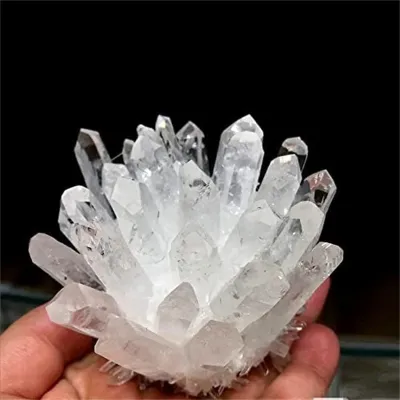
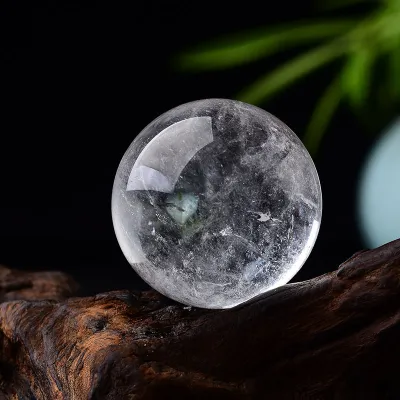
Prices are valid at publication and may change. Please refer to the product page for the latest price.
Experienced artisans often use inclusions strategically, aligning the natural patterns of the stone with the subject of the sculpture. For instance, a misty cloud might be positioned to look like water spray beneath a carved fish, or a rainbow fracture might sit perfectly within a dragon’s eye. When evaluating a piece, consider whether the internal characteristics distract from the form or if they enhance the overall artistic narrative of the sculpture.
Inspecting Carving Details and Surface Finish
The artistry of a clear quartz sculpture lies in how the carver works with the stone’s natural grain. Begin your inspection by examining the symmetry and proportions of the motif. Crisp, clean lines and smooth transitions between different planes indicate a skilled artisan. If the figurine depicts an animal or a human figure, check that the facial features, limbs, and decorative textures are balanced and lifelike rather than rushed or distorted.

A high-quality polish is essential because it allows light to enter the crystal and refract beautifully, rather than scattering off a rough surface. Run your fingers gently over the exterior to check for any dull, hazy patches or fine scratches left behind during the grinding process. A well-finished piece should feel glassy and uniform across all major surfaces.
Pay close attention to hidden or recessed areas, such as the undersides of folds, deep crevices, and the base of the figurine. These spots are often neglected during the final polishing stages and may harbor residual tool marks, uneven grinding, or rough patches. Furthermore, if you plan to illuminate your figurine in a display cabinet, ensure you use cool LED spotlights rather than high-heat halogen bulbs, as intense localized heat can cause thermal stress and expand pre-existing internal fractures in natural crystals.
Balancing Crystal Quality with Your Budget
Finding the perfect clear quartz figurine often involves balancing your aesthetic desires with your budget. Flawless, water-clear quartz is exceptionally rare and commands a premium price, with high-end collector pieces easily ranging from S$300 to well over S$1,500 depending on the size and complexity of the carving. If you are working with a modest budget, consider pieces that embrace artistic inclusions. These natural features give each sculpture a one-of-a-kind character and are often more affordable than completely transparent specimens.
Additionally, consider where the figurine will be displayed in your home. A piece destined for a brightly lit display cabinet can showcase intricate internal details, while a sculpture placed on a darker console table might benefit from a larger, more solid silhouette that catches ambient light. Ensure the physical dimensions of the figurine fit your shelving or mantelpiece without crowding other decor items.
When purchasing online, always request high-resolution, multi-angle videos taken under natural light to verify the true clarity of the stone. Because photographs can easily hide internal fractures or surface scratches, seeing the piece rotate under a light source is the best way to evaluate its quality. Finally, verify the seller’s return policy to ensure you can safely return the piece if it does not match the advertised quality upon arrival.
Frequently Asked Questions (FAQ)
How can I tell if a clear quartz figurine is made of real crystal or glass?
Distinguishing natural clear quartz from glass involves looking closely at internal structures and testing physical properties. Glass often contains tiny, perfectly spherical air bubbles and lacks the natural, irregular inclusions like veils or mineral needles found in genuine quartz. Additionally, natural quartz has high thermal conductivity, meaning it will feel noticeably cool to the touch when you first pick it up, whereas glass warms up quickly to match your body temperature.
Does the weight of the figurine indicate its quality?
Weight is not a direct indicator of crystal quality, as it primarily reflects the physical volume of the piece and how much raw material was left uncarved. A heavy figurine simply means the design is solid and bulky, whereas a highly detailed, delicate carving will weigh less because more material was removed during the sculpting process. Be cautious of relying solely on weight, as heavy lead glass imitations can mimic the heft of natural quartz without offering the unique optical properties of genuine crystal.

Community discussion
Share your experience or ask a question. Comments are reviewed before publication.