
Direct Answer: How to Evaluate Brands for Ambient Light
When searching for the best ambient light quality, there is no single brand that stands out as a universal winner. The ideal choice depends entirely on how a manufacturer’s optical engineering and physical design align with your specific desk layout, room conditions, and daily visual tasks.
Ambient light quality is not determined by brand prestige, but by precise optical engineering. Key factors include how effectively a lamp diffuses light, whether it utilizes asymmetric projection to prevent glare, and if it incorporates dedicated backlighting to balance room contrast.
To compare different brands objectively, you must look past brand names and focus on verified technical specifications and physical design features. Matching these characteristics to your workspace constraints is the most reliable way to ensure visual comfort.
Products mentioned in this guide
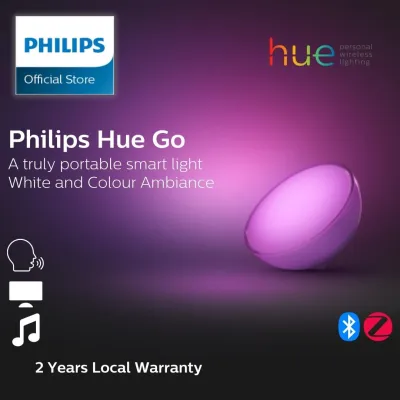
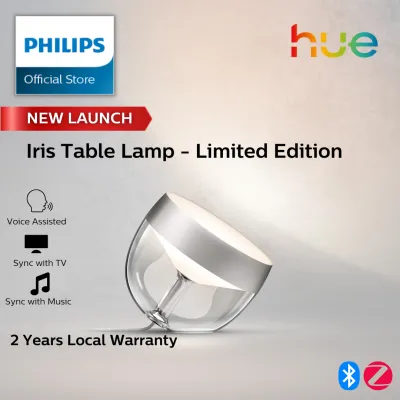
![[✅SG Ready Stock]Portable Night Light Bedside Table Lamp Rechargeable Touch Lamp Bedroom Ambient Light Hanging Lamp With Adjustable Brightness Changeable Colors Timer for Home/Bedroom/Office/Hallways](https://img.lazcdn.com/g/p/d42db546b92dba47d23e7546418a6e47.jpg_400x400q80.jpg_.webp)
Prices are valid at publication and may change. Please refer to the product page for the latest price.
Because standardized, independent testing across all desk lamp models is not universally available, buyers must rely on manufacturer specifications. By evaluating observable optical features and physical build quality, you can make an informed decision that suits your environment.
Core Dimensions for Comparing Ambient Light Quality
To evaluate and compare the ambient lighting performance of different desk lamps, you must look at several core optical dimensions. These technical specifications and physical features directly influence how light behaves in your workspace and how comfortable your eyes will feel during long hours of use.

Light diffusion and glare control: Effective light diffusion is essential for creating a comfortable ambient environment. High-quality lamps often feature frosted lenses, micro-prismatic structures, or physical baffles designed to scatter light rays in multiple directions. This scattering process softens the edges of shadows and prevents harsh, direct reflections on your desk surface, paper documents, or computer screens. Without proper diffusion, a lamp can produce intense hot spots that cause glare and lead to rapid eye fatigue.
Color temperature adjustability: Color temperature, measured in Kelvin (K), determines the warmth or coolness of the light emitted by the lamp. Warm light, typically ranging from 2700K to 3000K, creates a cozy, relaxing atmosphere that is ideal for evening use or casual reading. Cool light, ranging from 4000K to 5000K or higher, provides a crisp, energizing illumination that enhances focus and alertness. Models that provide smooth, stepless transitions across a wide Kelvin range offer far greater flexibility than those with only two or three rigid preset options.
Illuminance uniformity: Illuminance uniformity refers to how evenly light is distributed across a specific area. A high-quality ambient lamp should project light widely and evenly, avoiding a sharp drop-off in brightness between the center of the beam and the surrounding desk space. When a lamp creates a highly concentrated pool of bright light surrounded by deep shadows, your eyes must constantly adjust as you look around your desk. This continuous adaptation strains the eye muscles, leading to discomfort and headaches over time.
Color Rendering Index (CRI): The Color Rendering Index, or CRI, is a quantitative measure of a light source’s ability to reveal the colors of various objects faithfully in comparison with a natural light source. It is typically rated on a scale up to 100, often denoted as Ra in technical specifications. For a workspace, a high CRI rating is essential for visual comfort and accuracy. Lamps with a CRI of 90 or above render colors vibrantly and accurately, which is particularly important for creative work, design, or any task where color differentiation is key.
How Different Lamp Designs Shape Ambient Output
The physical structure of a desk lamp dictates how it projects light into your room. Different manufacturers specialize in distinct design categories, each offering a unique approach to shaping ambient light and managing contrast in your workspace.
Asymmetric optical desk lamps: Asymmetric optical desk lamps are engineered to project light forward at an angle rather than straight down. This specialized optical path is designed to illuminate your entire desk surface while keeping the light source completely out of your direct line of sight. By directing the light away from your eyes and off your computer screen, asymmetric lamps virtually eliminate screen glare and reflections. The resulting light distribution is a wide, even wash that covers your keyboard, documents, and desk accessories.
Desk lamps with dedicated ambient backlighting: Some advanced desk lamps feature a dual-source design that includes both a downward-facing task light and an upward- or rear-facing ambient light. This secondary light source is specifically engineered to project light onto the wall behind your desk. This backlighting, or bias lighting, plays a crucial role in reducing eye strain. By washing the back wall with soft, diffused light, these lamps balance the ambient brightness of the room with the intensity of your screen, creating a much more comfortable viewing environment.
Monitor light bars: Monitor light bars mount directly to the top of your computer screen, saving valuable desk space while projecting light downward onto your keyboard and workspace. They are designed with precise optical cut-offs to prevent light from shining directly onto the screen. While monitor light bars are exceptionally efficient at task lighting, they typically offer a highly focused beam with minimal ambient spill. To achieve balanced ambient lighting in a dark room, these bars are often best paired with a secondary, indirect light source.
Traditional shaded or dome lamps: Traditional desk lamps featuring fabric shades, glass domes, or metal hoods offer an omnidirectional light distribution. Instead of focusing light in a single direction, they allow light to spill outward in all directions, reflecting off nearby walls and ceilings. This omnidirectional spill makes traditional lamps excellent for creating a warm, general glow throughout a small room. However, traditional designs are less effective at preventing screen glare and may not provide the precise, directional light needed for detailed desk work.
Specification Checklist for Comparing Brand Models
When comparing specific desk lamp models across different brands, it is important to look past marketing descriptions and verify concrete technical specifications. Use this checklist to evaluate the physical and electrical characteristics of any model you are considering.
Electrical and safety certifications: Before purchasing any lighting fixture, verify that it carries the appropriate electrical and safety certifications required for your local market. These certifications ensure that the lamp has undergone rigorous testing for electrical safety, fire hazards, and electromagnetic compatibility. Look for official certification marks on the product packaging, user manual, or the lamp’s physical label to ensure safe continuous operation.
Light output and power specifications: To understand the actual brightness and energy efficiency of a desk lamp, you must examine its lumen output and wattage ratings. Modern LED lamps are highly efficient, meaning they can produce high lumen output with very low wattage. When comparing models, look for the maximum and minimum lumen ratings to ensure the lamp can provide both bright task lighting and soft ambient illumination. Additionally, check the manufacturer’s stated beam angle to gauge overall light volume and spread.
Dimming and control mechanisms: The ability to control brightness and color temperature is essential for tailoring the ambient light to your needs. Review the product specifications to determine what type of dimming mechanism the lamp utilizes. Stepless dimming allows you to adjust the brightness smoothly to any level, providing precise control over the light intensity. Also, verify how the controls are physically accessed, whether through touch-sensitive sliders, wireless desktop pucks, or physical buttons.
Physical dimensions and adjustability: A lamp’s physical design determines how easily it can be integrated into your existing workspace. Carefully review the manufacturer’s diagrams showing the lamp’s dimensions, arm length, and range of motion. Check the weight of the base to ensure the lamp will remain stable and secure when the arm is fully extended. If you have a shallow desk or limited space, look for models that offer clamp-on bases or compact footprints that do not clutter your work surface.
Decision Framework: Choosing the Right Design for Your Workspace
Selecting the right desk lamp design requires a systematic approach that matches your physical workspace layout and daily habits with the appropriate optical technology. Use this decision framework to guide your choice.
Choose asymmetric optical lamps or monitor light bars if you work primarily with dual monitors in a dark room and need to eliminate screen glare. These designs project light at precise angles to keep reflections off your screens while illuminating your workspace.
Choose lamps with dedicated uplighting or ambient backlighting if your primary goal is to reduce eye strain caused by high screen-to-wall contrast. This dual-source design washes the back wall with soft light, significantly reducing eye fatigue during long sessions.
Choose traditional dome or shaded lamps if your desk lamp must double as a supplementary ambient light source for a small, multi-purpose room. Their omnidirectional light spill helps soften the entire room’s atmosphere when you are not actively working.
Verify physical compatibility before purchasing by measuring your workspace. Check the depth of your desk and the thickness of your desktop to confirm that clamp-on models or heavy bases will fit securely. If you use a monitor arm or have a large display, verify that the lamp’s arm reach and height adjustments can clear your screens without obstructing your view.
Frequently Asked Questions (FAQ)
Does a higher wattage always mean better ambient light quality?
No, a higher wattage does not guarantee better ambient light quality. Wattage simply measures the amount of electrical energy a lamp consumes, not the quality, diffusion, or distribution of the light it produces.
Modern LED technology allows lamps to produce high levels of brightness (measured in lumens) while using very little power. When evaluating ambient light quality, you should focus on specifications like lumen output, color rendering index (CRI), and the presence of high-quality diffusion materials rather than raw wattage.
Can a desk lamp replace overhead room lighting for ambient purposes?
A desk lamp is generally not a suitable replacement for overhead room lighting as a primary ambient source. Light intensity drops off significantly as distance from the source increases, meaning a single desk lamp cannot provide even illumination throughout an entire room.
Instead, desk lamps should be viewed as supplementary ambient sources. They are designed to enhance the immediate workspace, reduce localized contrast, and provide targeted task lighting, working in harmony with your room’s main overhead lights to create a balanced environment.
Community discussion
Share your experience or ask a question. Comments are reviewed before publication.