
Selecting high-quality dhoop sticks requires a mindful, multi-sensory approach that looks past vibrant packaging and marketing claims. Unlike standard incense sticks that feature a bamboo core, dhoop sticks are solid formulations of aromatic materials, binders, and resins. This unique structure means their quality directly impacts the purity of the scent and the safety of the indoor air you breathe. By learning to evaluate ingredient transparency, analyze dry versus lit aromas, and observe physical burn characteristics, you can confidently select premium incense that enhances your living space.
In tropical environments like Singapore, where high humidity can rapidly degrade unprotected incense, understanding these quality indicators is especially valuable. Dampness can cause inferior sticks to grow mold, lose their scent, or burn unevenly. Developing a keen eye for physical details and packaging standards ensures that your investment yields a clean, therapeutic, and deeply satisfying aromatic experience.
Inspecting Ingredient Composition and Packaging
The foundation of any premium dhoop stick lies in its raw materials. High-quality manufacturers prioritize ingredient transparency, clearly listing natural components such as sandalwood powder, patchouli leaves, frankincense resin, and pure essential oils on their packaging. When reviewing a product label, look for specific botanical names or explicit declarations of natural origins. Conversely, you should exercise caution when encountering vague terminology like “fragrance,” “perfume,” “dipped,” or “proprietary blend” without further elaboration. These terms often mask synthetic chemical formulations and cheap petroleum-based binders designed to mimic natural scents at a fraction of the cost, which can release volatile organic compounds when burned and compromise indoor air quality.
Products mentioned in this guide
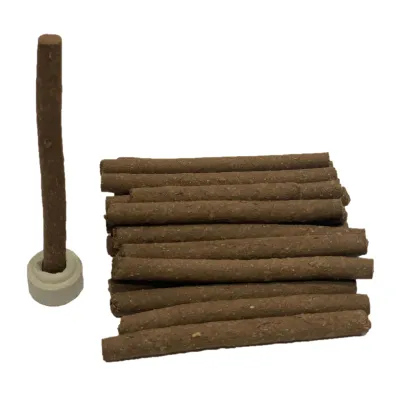
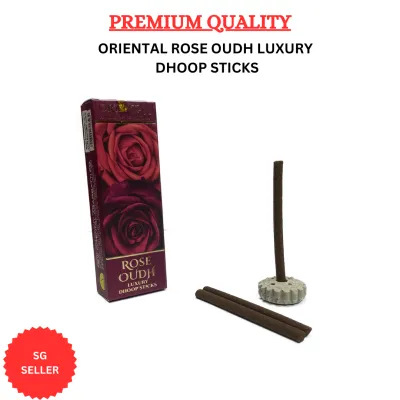
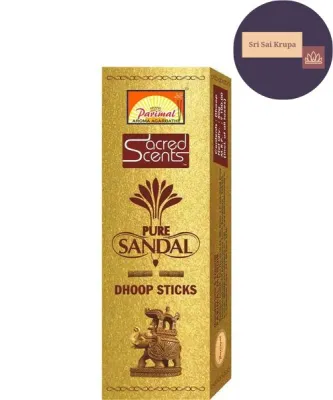
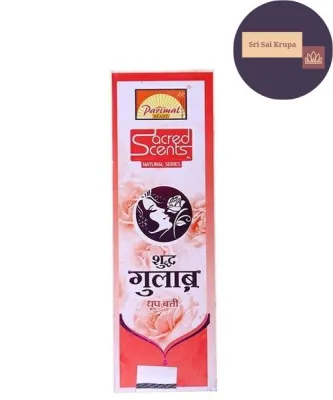
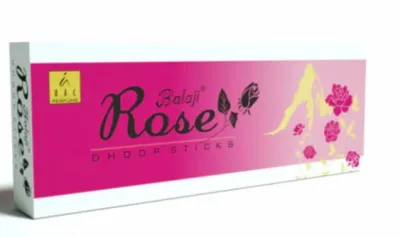
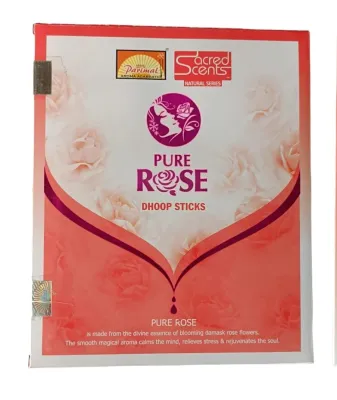
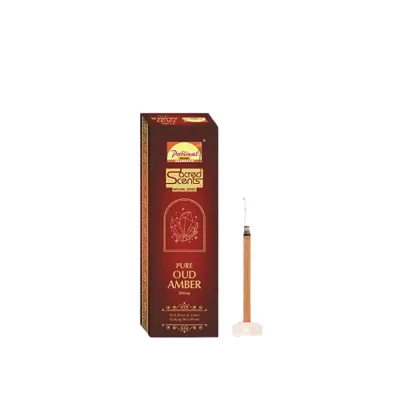
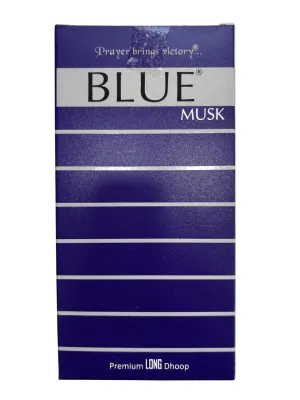
Prices are valid at publication and may change. Please refer to the product page for the latest price.
Packaging plays a critical role in preserving these delicate ingredients, particularly in warm, humid climates. Moisture softens binders and dilutes essential oils, so look for dhoop sticks sealed in airtight inner sleeves, high-density paper tubes, or resealable foil packaging. If you notice any signs of condensation, dampness, or a musty odor upon inspecting the packaging, the product’s quality has likely been compromised.
Finally, observe the physical texture of the sticks. Premium dhoop sticks are often hand-rolled or crafted in small batches, resulting in a slightly uneven, rustic, and textured surface with natural color variations ranging from earthy browns to deep ochres. In contrast, perfectly uniform, smooth, and brightly colored sticks are typically the result of mass machine extrusion and synthetic dyes, which rarely align with natural artisanal standards.
Evaluating Scent Authenticity (Dry vs. Lit)
Evaluating the scent of a dhoop stick involves a two-stage olfactory assessment: analyzing the dry stick and observing the aroma once lit. The “dry scent”—the aroma emitted by the unlit stick—should be subtle, complex, and deeply grounded. Natural ingredients like cedarwood, vetiver, and myrrh do not shout; they whisper, revealing layered, earthy, and woody undertones as the stick warms in your hand. If the dry scent is immediately overpowering, intensely sweet, or reminiscent of household cleaning agents, it is highly likely the stick has been heavily dipped in synthetic fragrance oils. These artificial perfumes are designed to be extremely volatile at room temperature, creating a strong initial impression that quickly becomes cloying and degrades over time.

The true test of quality occurs when you light the dhoop stick. A premium, natural stick releases its fragrance gradually, unfurling a smooth, deep, and balanced aroma that gently permeates the room without causing physical discomfort. If a burning stick immediately triggers watery eyes, a scratchy throat, coughing, or a sudden headache, these are clear physiological warning signs of synthetic binders, chemical accelerants, or artificial colorants.
Furthermore, pay close attention to how the fragrance behaves after the stick has completely burned down. High-quality natural ingredients leave behind a clean, pleasant, and lingering residual aroma that can softly perfume a room for hours, retaining its original character of soft wood or sweet resin. On the other hand, synthetic incense often leaves a stale, heavy, or smoky odor that resembles burnt paper or chemicals, requiring immediate ventilation.
Observing Burn Characteristics and Ash Quality
The physical behavior of a dhoop stick during and after the burning process provides undeniable clues about its internal composition. One of the most immediate visual indicators is the color and density of the smoke. When you light a high-quality dhoop stick, it should produce a thin, wispy, and light-colored smoke—typically white, light gray, or soft blue—indicating a clean burn free from heavy charcoal bases or synthetic glues. In contrast, a stick that emits thick, dark, or yellowish smoke is a major red flag. Heavy, dense smoke usually points to the presence of cheap chemical fillers, synthetic binders, or artificial burning agents that carry a high concentration of soot and particulate matter, which can stain nearby walls and home decor over time.
The burn rate and consistency also merit close observation. A well-crafted dhoop stick should burn at a slow, steady, and predictable pace without flaring up or constantly self-extinguishing. If a stick burns down incredibly fast, it likely contains chemical accelerants. If it keeps going out, it may suffer from poor formulation, an incorrect ratio of binder to aromatic powder, or excessive moisture absorption from improper storage.
Once the burn is complete, examine the remaining ash. Pure, natural dhoop sticks leave behind a light gray or off-white ash that feels incredibly fine and powdery to the touch, crumbling effortlessly without retaining extreme heat. Conversely, sticks loaded with chemical binders often produce dark, gritty ash that may clump together. Always conduct these burn tests on a heat-resistant, fire-safe surface, such as a ceramic or stone incense holder, keeping the burning stick well away from drafty windows, flammable fabrics, and out of reach of children or pets.
Practical Pre-Purchase Checks for Online and In-Store Shopping
Translating these quality indicators into practical shopping habits depends on whether you are browsing a physical boutique or shopping on an online marketplace. When shopping in-store, gently press the packaging to check for a firm, solid structure; high-quality dhoop sticks should feel sturdy and not crumble easily. Perform a quick dry-scent test through any ventilation holes in the packaging, and carefully read the label to verify the manufacturer’s details and ingredient transparency.
When shopping online, where physical touch and smell are impossible, you must rely on diligent research. Scrutinize the product descriptions for detailed breakdowns of the ingredients, looking for explicit mentions of natural resins, plant powders, and pure essential oils. Avoid listings that rely solely on generic marketing buzzwords like “luxury aroma” or “premium quality” without providing concrete product specifications. Customer reviews are an invaluable resource here; look for verified buyer feedback that specifically describes the burn consistency, smoke density, and scent authenticity, noting any complaints about physical irritation, broken sticks, or a chemical smell.
As a general rule, avoid unlabelled, bulk-packaged, or suspiciously cheap options that lack basic manufacturer information, safety guidelines, or clear country-of-origin details. Investing in quality means paying a fair price for sustainably sourced natural ingredients. Finally, always review the retailer’s return or exchange policy before finalizing your purchase, ensuring you have recourse if the dhoop sticks arrive damaged, damp, or fail to match the advertised quality standards.
Frequently Asked Questions (FAQ)
Do high-quality dhoop sticks produce less smoke?
Yes, high-quality dhoop sticks generally produce a lighter, softer, and less suffocating smoke compared to lower-grade alternatives. Because they rely on natural wood powders, resins, and essential oils rather than heavy chemical binders or synthetic oils, the combustion process is much cleaner. However, the exact volume of smoke can still vary depending on the specific ingredients used; for instance, blends rich in natural resins like frankincense or copal will naturally produce slightly more visible, fragrant smoke than pure herbal or sandalwood blends, but the smoke will remain smooth and non-irritating.
Can I test a dhoop stick's quality without burning the whole stick?
Absolutely. You can easily perform a partial test by breaking off a small piece—about one or two centimeters—and lighting it on a fire-safe ceramic holder. This allows you to observe the initial smoke color, evaluate the scent release, and check the resulting ash quality without committing to burning an entire stick. It is an excellent way to sample a new purchase in a controlled manner, ensuring the aroma and burn characteristics meet your standards.
Are charcoal-based dhoop sticks always considered low quality?
No, the presence of charcoal does not automatically indicate low quality. High-purity, food-grade charcoal is a common and highly effective base material used in many premium incense formulations because it burns evenly and is virtually odorless, allowing the added natural essential oils and resins to shine without interference. The overall quality of the dhoop stick depends on the purity of that charcoal and the proportion of natural aromatic ingredients mixed into the base, rather than the mere presence of charcoal.
Community discussion
Share your experience or ask a question. Comments are reviewed before publication.