
Finding energy-efficient outdoor solar lights in Singapore requires looking past flashy marketing and focusing on verifiable technical specifications. Because solar lighting lacks standardized energy-labeling schemes like those found on household appliances, the responsibility falls on you to evaluate the core components that dictate performance. A reliable solar light must efficiently capture Singapore’s tropical sunlight, store that energy securely, and distribute it intelligently throughout the night without premature failure.
To identify the most efficient options for your home, you must assess the quality of the solar panel, the chemistry of the internal battery, and the integration of smart power-saving sensors. Brands that prioritize high-grade monocrystalline panels and Lithium Iron Phosphate (LiFePO4) batteries consistently deliver better energy retention and longer operational lifespans. By focusing on these technical markers rather than marketing claims, you can secure a sustainable outdoor lighting setup that withstands local weather conditions.
What Energy Efficiency Really Means for Solar Lighting
In the context of outdoor solar lighting, energy efficiency is not determined by the wattage of the LED bulb alone. Many product listings highlight high wattage figures to suggest greater brightness, but this often points to high energy consumption rather than efficiency. True efficiency is measured by the ratio of light output, quantified in lumens, to the electrical energy consumed and stored by the system.
Products mentioned in this guide
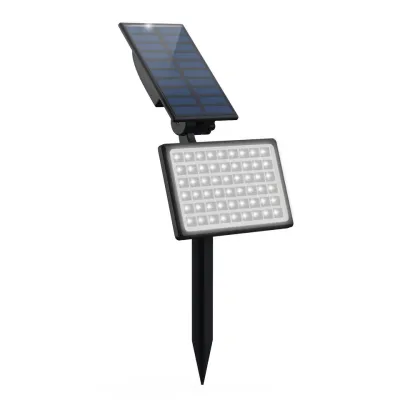
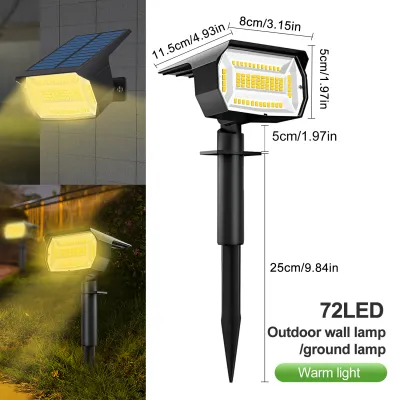
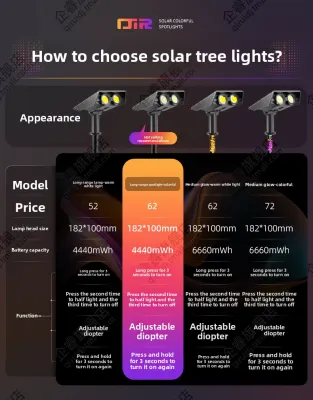
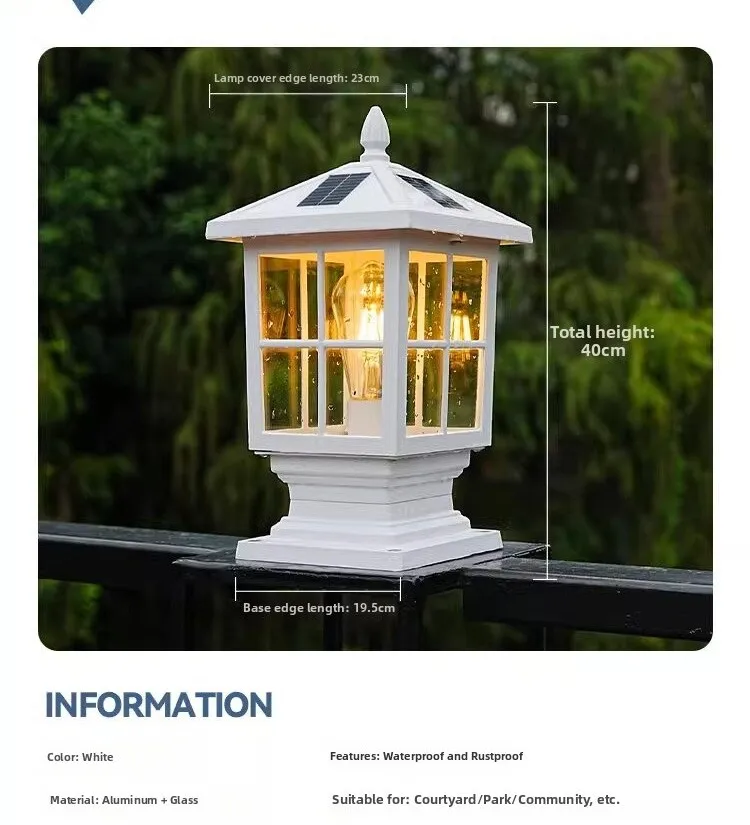
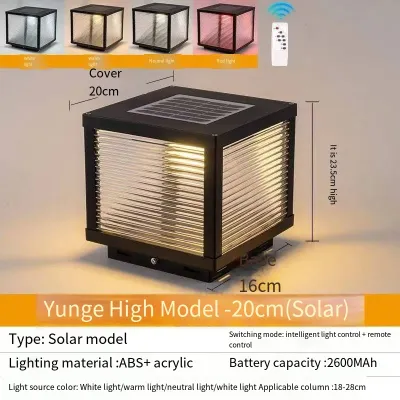
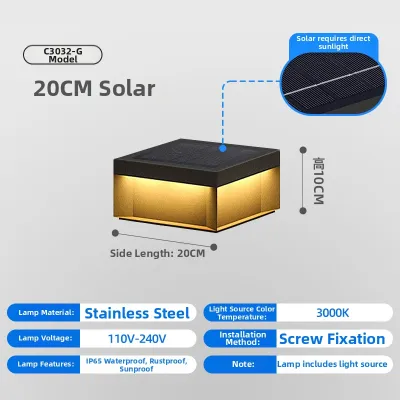
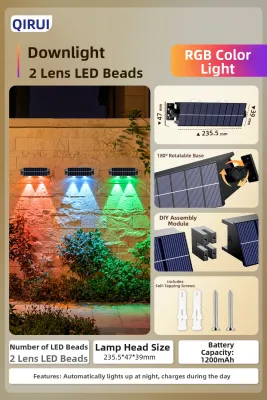
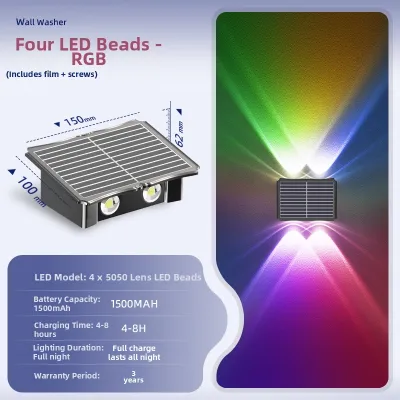
Prices are valid at publication and may change. Please refer to the product page for the latest price.
A highly efficient solar light maximizes every milliwatt of energy harvested during the day. This process relies on two critical conversion stages: first, the solar panel must convert sunlight into electrical energy, and second, the battery must store and discharge this energy with minimal loss. If either component is inefficient, even a high-capacity battery or a bright LED will fail to provide sustained illumination.
Understanding the balance between peak brightness and sustained runtime is essential when planning your outdoor lighting. A light that shines at maximum brightness for only two hours before draining its battery is far less efficient than one that manages its power output to provide steady, reliable illumination throughout the night. Efficient systems use advanced driver circuits to regulate power distribution, ensuring the light remains functional even during extended periods of overcast weather.
Additionally, you should consider how the perceived color temperature and spatial effects influence your choice. While warm white light (around 2700K to 3000K) is often preferred for creating a cozy, decorative outdoor ambiance, cool white light (5000K or higher) can appear brighter to the human eye at the same lumen output. These visual effects are conditional preferences rather than indicators of actual energy efficiency, so your selection should align with your specific spatial goals and aesthetic preferences.
Essential Specifications to Verify Before Purchase
Evaluating solar lights requires a systematic look at the product specification sheet. Every outdoor solar light consists of three primary components: the photovoltaic panel that captures solar energy, the energy storage unit that holds it, and the light engine (the LED array and driver) that emits the light. To ensure you are purchasing a reliable system, you must verify the specifications of each component rather than relying on generic brand promises.

When reviewing product specifications on manufacturer websites or online marketplaces, look for detailed listings of material types, capacities, and certifications. High-efficiency markers include specific panel materials, advanced battery chemistries, and programmable light settings. If a brand fails to disclose these details, it often indicates the use of lower-grade, generic components that may degrade rapidly under Singapore’s intense heat and humidity.
For hybrid solar systems that connect to the mains power grid or use external chargers, it is vital to verify electrical certifications, voltage compatibility, and interface types. Ensure that any plug-in components match Singapore’s standard 230V supply and carry recognized safety marks. While premium components generally carry a higher upfront cost, they offer significant long-term value by reducing the frequency of battery replacements and preventing premature system failures.
Solar Panel and Battery Chemistry
The type of solar panel integrated into your light determines how effectively it harvests energy, especially in urban environments where direct sunlight may be limited. Monocrystalline silicon panels offer high conversion efficiency, typically converting more sunlight into electricity per square meter than alternative materials. This makes them highly suitable for Singapore homes, where space is often constrained and partial shading from neighboring buildings or trees is common. Polycrystalline panels, while more affordable, require a larger surface area to generate the same amount of power and perform less effectively under diffused light conditions.
Equally important is the chemistry of the internal battery pack. Lithium Iron Phosphate (LiFePO4) batteries represent the current standard for high-performance solar lighting. They offer significantly deeper discharge cycles, meaning they can be drained and recharged thousands of times without substantial capacity loss. Additionally, LiFePO4 chemistry exhibits excellent thermal stability, allowing it to withstand the high ambient temperatures that build up inside sealed outdoor fixtures during sunny afternoons.
In contrast, standard Lithium-ion (Li-ion) or Nickel-Metal Hydride (NiMH) batteries tend to degrade much faster under continuous heat and deep discharge cycles. When verifying specifications, compare the battery capacity, measured in milliampere-hours (mAh) or Watt-hours (Wh), against the power draw of the LED array. A well-balanced system will feature a battery capacity large enough to power the light for at least one and a half to two full nights on a single charge, providing a safety buffer for rainy days.
Smart Sensors and Power-Saving Modes
Hardware efficiency must be paired with intelligent power management to ensure reliable nighttime operation. Integrated Passive Infrared (PIR) motion sensors are among the most effective tools for conserving battery life. Instead of running at full brightness continuously, motion-activated lights remain in a low-power dim mode or stay off entirely until they detect movement within a specified range. Once triggered, they temporarily switch to full brightness before returning to a power-saving state, drastically reducing overall energy consumption.
Dusk-to-dawn photocells further enhance efficiency by ensuring the light only operates when ambient light levels fall below a certain threshold. This prevents the light from turning on prematurely during late afternoon shade or remaining active after sunrise. Some advanced models also feature programmable timers or step-down dimming profiles, which gradually lower the brightness as the night progresses and foot traffic decreases.
Be cautious of solar lights that only offer a fixed, high-brightness “always-on” mode without any sensor integration. In Singapore’s tropical climate, where cloud cover can suddenly limit daytime charging, a fixed high-draw light will quickly deplete its battery, leading to early failure during the night. Selecting fixtures with adjustable modes and dimming methods allows you to tailor the energy consumption to the specific security or decorative needs of your outdoor space.
How to Assess Brand Reliability and Long-Term Value
When independent laboratory test data is unavailable, you can assess a brand’s reliability by examining its warranty terms and customer support structure. A manufacturer that offers a comprehensive warranty of two or more years demonstrates confidence in the durability of its components. Pay close attention to the warranty details: verify whether the coverage extends to battery capacity degradation and water ingress, as these are the two most common failure points for outdoor solar lights.
Another key indicator of a reliable brand is the availability of official replacement parts. Sustainable brands design their products with modularity in mind, allowing users to purchase standalone battery packs, replacement solar panels, or mounting brackets. If a brand treats its fixtures as sealed, single-use items that must be completely discarded when the battery fails, the long-term cost of ownership increases significantly.
Before making a purchase, analyze verified customer reviews on online marketplaces, paying close attention to feedback from users in tropical regions. Look for recurring complaints regarding rapid battery degradation, water accumulation inside the housing, or solar panels that cloud over after a few months of sun exposure. A pattern of positive reviews highlighting consistent performance over twelve months or more is a strong indicator of build quality and efficient energy management.
Climate Adaptation and Installation Best Practices
To maximize the efficiency and lifespan of your outdoor solar lights, you must select fixtures designed to withstand Singapore’s demanding tropical climate. High humidity, intense UV exposure, and heavy rainfall can rapidly degrade low-quality materials. Always verify the Ingress Protection (IP) rating of the fixture; a rating of IP65 or higher is recommended for fully exposed outdoor areas to prevent water and dust from penetrating the electrical housing and damaging the internal circuitry.
Proper placement is critical to ensuring the solar panel receives sufficient sunlight to charge the battery fully. In urban residential areas, neighboring HDB blocks, roof overhangs, and mature trees can cast significant shadows throughout the day. Position the solar panel in an unshaded location where it can receive direct sunlight for at least six hours daily. If the light fixture must be installed in a shaded area, consider choosing a model with a detached solar panel connected by a cable, allowing you to mount the panel in a sunny spot while keeping the light where it is needed.
When installing your solar lights, prioritize safety and structural integrity. For heavy fixtures, high-altitude mountings, or systems that require integration with existing electrical systems, consult a qualified professional to ensure secure installation. If your solar lighting setup involves any fixed electrical wiring or mains-powered backup systems, always isolate the power supply before handling the components and follow the manufacturer’s precise installation instructions to prevent electrical hazards.
Frequently Asked Questions (FAQ)
Do outdoor solar lights work well during Singapore's rainy season?
Outdoor solar lights can still function during the rainy season, but their performance will depend heavily on their battery capacity and power-saving settings. During prolonged overcast periods, solar panels receive diffused sunlight, which significantly reduces their energy generation. To ensure consistent operation, select lights equipped with high-capacity LiFePO4 batteries and utilize motion-sensor modes rather than continuous-on settings. This allows the fixture to conserve its stored energy and maintain essential security lighting even after consecutive days of heavy cloud cover.
Can I replace the battery in my solar light myself?
Whether you can replace the battery depends entirely on the design of the fixture. Many high-quality solar lights feature user-accessible battery compartments with simple plug-and-play connectors, making replacement straightforward. However, some compact or budget-friendly models use sealed, soldered internal batteries to maintain a high waterproof rating. Attempting to open a sealed unit can compromise its IP rating and void the manufacturer’s warranty. Always check the product manual or contact the manufacturer before attempting to replace an internal battery.
Are higher-priced solar light brands always more energy-efficient?
A higher price tag does not automatically guarantee superior energy efficiency, though it often correlates with better build quality. Premium brands are more likely to use efficient monocrystalline panels, durable LiFePO4 batteries, and advanced sensor technology. However, some expensive fixtures prioritize decorative aesthetics or smart-home connectivity over raw energy efficiency. To get the optimal value, ignore the price tag initially and compare the specific technical components, warranty terms, and IP ratings of the fixtures you are considering.
Community discussion
Share your experience or ask a question. Comments are reviewed before publication.