
A large table clock serves as a striking focal point in Singaporean homes, balancing functional timekeeping with sophisticated interior design. Finding a timepiece that offers both lasting quality and aesthetic appeal requires looking beyond surface appearance. To identify the best brands available in Singapore, buyers must evaluate the manufacturer’s horological heritage, the precision of the internal movement, the durability of the materials, and the reliability of local after-sales support. By focusing on these core criteria, you can select a statement piece that complements your living space while ensuring years of accurate performance.
Defining Quality and Design in Large Table Clocks
When evaluating large table clocks, the market is broadly divided into dedicated horological heritage brands and general home decor manufacturers. Heritage brands focus heavily on movement engineering, gear calibration, and long-term repairability. These manufacturers often have decades or even centuries of clockmaking history, ensuring that every gear, spring, and hand is engineered to precise standards. In contrast, general home decor brands prioritize contemporary aesthetics, often sourcing standard off-the-shelf movements and housing them in trendy, mass-produced casings. While decor brands may offer highly fashionable designs at lower price points, they rarely match the mechanical longevity or repairability of dedicated clockmakers.
The heart of any clock is its movement, which directly impacts its long-term reliability and maintenance requirements. Quartz movements are the most common and practical choice for modern homes, offering exceptional accuracy with minimal upkeep. They are powered by batteries and typically lose only a few seconds per month. Within quartz movements, you can choose between a traditional stepping movement, which produces a distinct ticking sound, and a continuous sweep movement, which operates silently. For quiet spaces like studies, home offices, or bedrooms in Singapore’s compact apartments, a silent sweep movement is highly preferred. Mechanical movements, which rely on a system of springs, gears, and pendulums, represent the pinnacle of traditional craftsmanship. These clocks require manual winding—typically every eight or fourteen days—and appeal to collectors who appreciate the tactile connection and historical artistry of mechanical horology. However, they require periodic professional servicing to keep the delicate gears lubricated and aligned.
Products mentioned in this guide
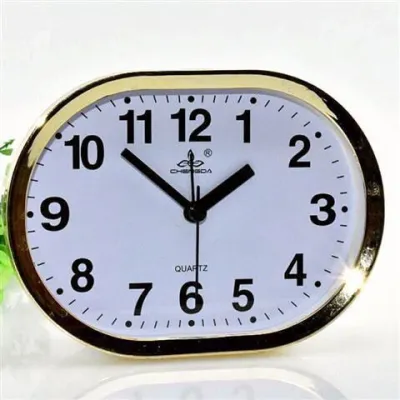
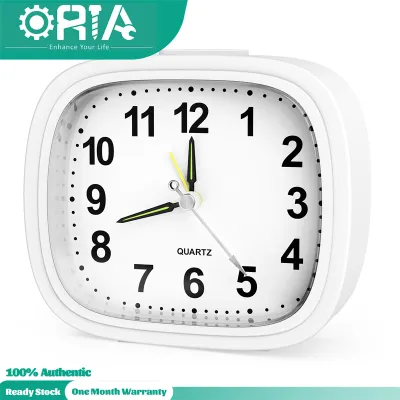
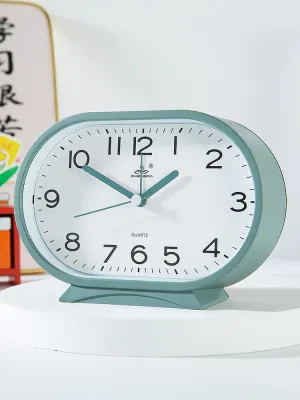
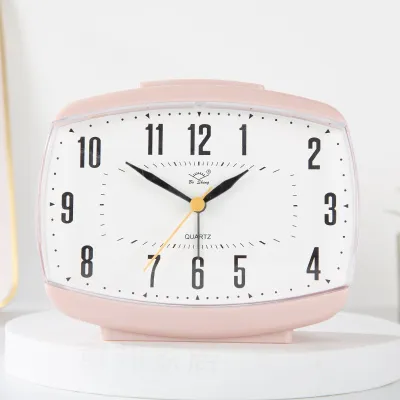
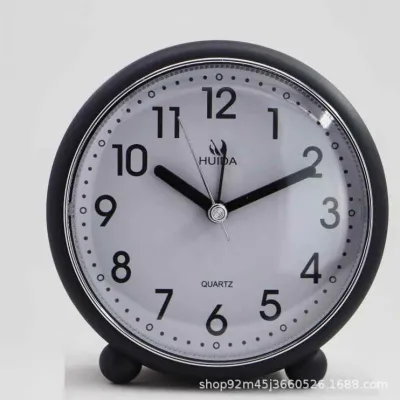

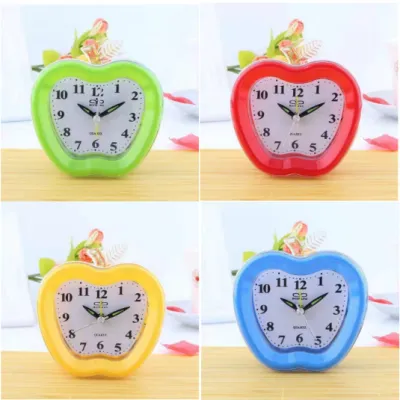

Prices are valid at publication and may change. Please refer to the product page for the latest price.
Material construction is another critical indicator of quality. Premium large table clocks utilize high-grade materials such as solid hardwoods (like walnut, oak, or mahogany), heavy metals (such as brass, stainless steel, or copper), and genuine mineral glass or crystal covers. These materials not only give the clock a satisfying physical weight and premium feel but also ensure structural stability. Lower-tier options often substitute these with veneered medium-density fibreboard (MDF), lightweight plastics, or acrylic covers. In Singapore’s tropical climate, high humidity can cause low-quality wood veneers to warp or peel, while cheap plastics and acrylics are highly prone to scratching, static dust attraction, and yellowing over time. Investing in a clock made with robust, authentic materials ensures the casing remains pristine for decades.
Key Criteria for Evaluating Clock Brands
To make an informed purchase, you must look beyond brand names and analyze concrete indicators of reliability. One of the most critical factors is the warranty coverage and the availability of local after-sales support in Singapore. A reputable clock brand typically offers a manufacturer’s warranty of at least one to two years, with premium mechanical brands extending this coverage even further. Before buying, verify whether the brand has an authorized service center or a designated local distributor in Singapore. Mechanical clocks require specialized clocksmiths for cleaning, oiling, and calibration. If a brand lacks local technical support, sending a large, heavy clock overseas for repairs can be costly and risky, making local after-sales infrastructure a vital consideration. For instance, when investing S$200 or more in a premium timepiece, verifying these details protects your investment.

Consistent quality indicators across a brand’s product lineup can help you assess its manufacturing standards. When inspecting a clock, look closely at the construction details. High-quality brands exhibit seamless joints in wooden frames, smooth and even beveling on glass panels, and dust-resistant seals around the movement compartment. The clock hands should be perfectly aligned; when both hands point to twelve, they should stack precisely without any visible tilt or overlap friction. On premium models, you will often find individually serialized plates or engraved branding on the movement itself, which signifies the manufacturer’s accountability and pride in their craftsmanship.
Analyzing verified customer feedback is another invaluable step in evaluating a brand’s reputation. Look for patterns in reviews on independent horological forums, design blogs, and retail platforms. Pay close attention to comments regarding battery life, time drift, and mechanical durability. For quartz clocks, a high-quality movement should run efficiently, requiring battery replacements no more than once a year. If multiple reviews complain about rapid battery drain, loose hands, or a ticking sound that grows louder over time, it indicates poor quality control. For mechanical clocks, look for feedback on how well the clock maintains its power reserve and whether the chiming mechanisms function reliably without jamming.
Navigating the Market: Where to Find Reputable Brands in Singapore
Finding authentic, high-quality large table clocks in Singapore requires knowing where to shop. To fully appreciate the scale, weight, and craftsmanship of a timepiece, visiting physical showrooms is highly recommended. Specialty clock boutiques, heritage watchmakers, and established department stores in major shopping districts like Orchard Road or historical commercial areas allow you to experience the clock in person. In a physical showroom, you can hear the volume of the tick or chime, inspect the wood grain or metal finish under natural light, and consult with knowledgeable sales staff who can explain the movement’s specifications and maintenance needs.
If you prefer the convenience of online shopping, verifying seller credentials is essential to avoid counterfeit products or grey-market items with voided warranties. When browsing online marketplaces or e-commerce platforms, look for official brand stores or authorized dealer badges. Avoid listings from unverified third-party sellers that offer unusually steep discounts, as these are often counterfeit, refurbished, or lack official manufacturer warranties. Always check for authenticity guarantees, clear return policies, and detailed product specifications. If a listing lacks basic information about the movement type, dimensions, or warranty, it is best to look elsewhere.
Comparing local showroom purchases with direct international shipping reveals distinct trade-offs. Buying locally from a Singapore-based retailer ensures immediate product inspection, hassle-free transport, and direct access to local warranty services. If the clock develops a fault, you can easily bring it back to the store for assistance. On the other hand, ordering from international online retailers may offer a wider selection of niche or specialized models that are not regularly stocked in Singapore. However, international shipping carries a higher risk of transit damage, particularly for delicate glass panels and sensitive mechanical gears. Furthermore, returning a defective or damaged large clock internationally can involve complex customs paperwork and high shipping fees, which often outweigh any initial cost savings.
Matching Clock Styles to Your Interior Design
A large table clock is not merely a timekeeper; it is a significant decorative element that should harmonize with your home’s overall aesthetic. Traditional clock designs, characterized by rich wooden casings, Roman numerals, ornate hands, and brass accents, pair beautifully with classic, colonial, or transitional interiors. These clocks add warmth and a sense of history to a space. For modern, minimalist, or contemporary homes, look for clocks with sleek metal frames, clean dials, geometric shapes, and minimalist markers. Industrial-themed spaces are well-suited to clocks featuring exposed gears, distressed metallic finishes, and bold Arabic numerals, which emphasize raw, mechanical beauty.
Calculating the appropriate scale and proportion is crucial when placing a large table clock on furniture pieces such as mantelpieces, console tables, sideboards, or writing desks. A clock that is too small will look lost and insignificant, while an excessively large clock can overwhelm the surrounding decor and make the surface look cluttered. Measure the height, width, and depth of the intended display surface before shopping. As a general design guideline, the clock should occupy no more than one-third of the horizontal width of the surface it sits on. Additionally, ensure there is at least ten to fifteen centimeters of vertical clearance above the clock to maintain a balanced, airy feel.
Visual weight, color palettes, and dial legibility are also key considerations under different lighting conditions. Clocks with solid, dark wooden frames or heavy marble bases have a high visual weight, drawing the eye immediately and serving as a primary focal point. Open-frame metal clocks or those with transparent glass casings have a lighter visual weight, allowing them to blend more seamlessly into the background. Choose a color palette that either complements or tastefully contrasts with your wall color. For legibility, ensure the clock hands contrast sharply with the dial face. High-contrast dials, such as black hands on a white or cream face, are much easier to read from a distance, especially in bright, sunlit Singaporean living rooms or under warm evening ambient lighting.
Pre-Purchase Checklist and Verification Steps
Before committing to a purchase, executing a thorough pre-purchase checklist ensures that your chosen large table clock is authentic, safe, and perfectly suited to your home. First, measure the exact physical dimensions of the display spot and compare them with the clock’s specifications. Do not forget to check the clock’s weight. Large table clocks crafted from solid brass, marble, or thick hardwoods can be surprisingly heavy. Verify that your shelf, mantel, or console table is structurally sound and can safely support the weight without bowing or tipping over.
Next, verify the power requirements and electrical safety certifications. For quartz clocks, check the battery compartment to see what type of batteries are required. Many high-precision quartz movements perform best with standard carbon-zinc batteries, as the high current of modern alkaline or rechargeable batteries can sometimes damage or accelerate wear on the delicate electronic components. If you are purchasing a plug-in electric clock, an illuminated table clock, or a model with built-in LED backlighting, ensure the power adapter is compatible with Singapore’s 230V, 50Hz electrical system. Look for recognized safety certifications, such as the local Safety Mark, to ensure the electrical components have been tested for fire and shock hazards.
Finally, conduct a meticulous inspection upon delivery or at the point of purchase. Examine the outer casing for any scratches, dents, or uneven finishes in the wood or metal. Inspect the glass cover to ensure it is free of chips, cracks, or internal smudges. Gently wind mechanical models or insert batteries into quartz models to verify that the hands move smoothly without catching on each other. Check that the hands align perfectly with the hour markers. Always retain the original packaging, warranty card, and receipt, as these are essential for any future warranty claims or for protecting the clock during future home moves.
Frequently Asked Questions (FAQ)
How do I maintain the finish of a large wooden table clock?
To preserve the natural beauty and finish of a wooden clock casing, dust it regularly with a dry, soft microfiber cloth. Avoid using harsh chemical cleaners, aerosol sprays, or wet wipes, as these can strip the protective lacquer, varnish, or stain over time. In Singapore’s humid climate, it is crucial to keep the clock away from direct air conditioning drafts, open windows, and humidifiers, as rapid fluctuations in temperature and moisture can cause the wood to warp, crack, or develop mold. If the manufacturer’s care instructions permit, you can apply a small amount of high-quality, non-silicone furniture wax once or twice a year to maintain the wood’s natural luster and protect it from moisture.
What is the ideal placement for a large table clock to ensure accurate timekeeping?
For optimal timekeeping accuracy and mechanical longevity, place your table clock on a completely flat, stable, and level surface. Vibrations from nearby heavy appliances, large audio speakers, subwoofers, or high-traffic doorways can disrupt the delicate balance of both quartz and mechanical movements over time. Keep the clock out of direct sunlight, as prolonged exposure to heat and UV rays can dry out the essential lubricants in mechanical gears, cause battery leakage in quartz models, and fade the dial face. Additionally, avoid placing the clock near strong magnetic fields, such as those generated by television sets or computer monitors, which can magnetize mechanical components or disrupt the electronic pulses in quartz movements.

Community discussion
Share your experience or ask a question. Comments are reviewed before publication.