
Choosing the right LED downlight brand in Singapore requires looking beyond aesthetic appeal and upfront pricing. Because downlights are recessed directly into your ceilings—often within tight false ceiling spaces common in local HDB flats and condominiums—your choice of brand directly impacts home safety, lighting performance, and long-term maintenance costs. A reliable brand must deliver consistent light quality, robust thermal management, and verifiable local support to withstand Singapore’s humid climate and standard electrical conditions. By focusing on objective engineering standards and local service availability, you can select a lighting solution that remains safe, efficient, and visually comfortable for years to come.
Core Selection Criteria for LED Downlight Brands
When evaluating a brand’s warranty, look closely at the duration and the specific components covered. A standard warranty for residential LED downlights typically ranges from one to five years, but the length of time is only part of the story. You must verify whether the warranty covers both the LED chip and the external driver, as the driver is often the first component to fail under electrical stress. Read the terms to identify exclusions related to power surges, operating temperatures, or self-installation. A brand with a transparent, comprehensive warranty process will clearly outline how to file a claim, whether you need to present the original receipt, and if you must return the physical unit to a local service center.
Furthermore, understand the difference between a replacement warranty and a repair warranty. Some brands offer immediate, one-to-one replacements at authorized retail outlets, which minimizes downtime in your home. Others may require sending the faulty unit to a testing facility, leaving you with an empty ceiling socket for weeks. Prioritize brands that offer local, over-the-counter exchanges, as this indicates strong distributor backing and a commitment to customer convenience in Singapore.
Products mentioned in this guide
![[Local Set] [3 Year Warranty] Philips Meson LED Downlight Ceiling Light 9W/13W Round/Square [Bundle Deal Available]](https://img.lazcdn.com/g/p/d8d02051d9b113c0010c4b1a40161081.png_400x400q80.png_.webp)
Prices are valid at publication and may change. Please refer to the product page for the latest price.
All LED lights gradually lose brightness over time, a process known as lumen depreciation. High-quality brands publish engineering data detailing this decline, typically using the standard L70 metric. This metric indicates the number of operating hours before the light output drops to 70 percent of its original brightness. For instance, a reputable brand might specify a lifespan of 25,000 or 50,000 hours at L70. Avoid brands that make vague claims of longevity without providing these specific, standardized metrics on their technical datasheets.
Lumen consistency also refers to how uniform the light output remains across multiple fixtures purchased at the same time. Lower-tier brands often exhibit noticeable variations in brightness and color temperature even within the same production batch. This inconsistency can create an uneven, patchy appearance across your ceiling. Reputable manufacturers use a process called binning to sort LED chips by color and brightness, ensuring that every downlight you install in a single room delivers an identical visual experience.
The quality of light is just as important as its quantity. The Color Rendering Index (CRI) measures how accurately a light source reveals the true colors of objects compared to natural daylight. For residential spaces, look for brands that offer a CRI of 80 or higher, with a CRI of 90 or higher being preferred for areas where color accuracy is critical, such as kitchens, dining rooms, and vanity spaces. A low CRI can make home interiors look dull, gray, or unnaturally tinted.
For a more comprehensive assessment, check if the brand provides TM-30 metrics, which include color fidelity and color gamut indexes. These advanced metrics offer a more detailed picture of how vibrant and true-to-life colors will appear under the light. Brands that openly share these detailed photometric reports demonstrate a commitment to high-end optical engineering, allowing you to make an informed decision based on visual comfort rather than raw brightness alone.
Reliable after-sales support is a crucial differentiator when comparing lighting brands. A brand may offer impressive technical specifications on paper, but if you cannot reach their customer service team when a fixture fails, those specifications matter very little. Investigate whether the brand maintains a dedicated local service center or a responsive technical support hotline in Singapore. This ensures you can quickly resolve issues without dealing with international shipping or language barriers.
You can gauge a brand’s support quality by reviewing their local online presence, visiting their authorized showrooms, or asking local electrical contractors for their experiences. Brands that actively train local retailers and provide clear, accessible installation guides in English are generally more reliable. A strong local support network indicates that the manufacturer has invested in the Singapore market, making it far more likely that they will honor warranty claims and stock compatible replacement parts in the future.
Electrical, Safety, and Installation Compatibility
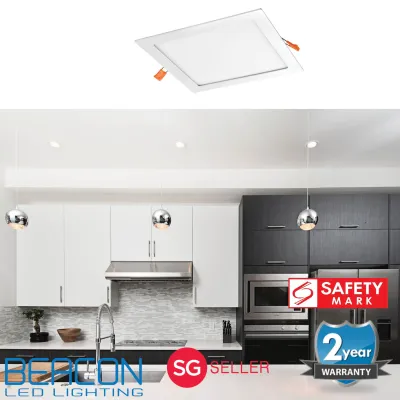
In Singapore, electrical safety is strictly regulated to prevent household hazards. LED drivers, which regulate the power flowing to the LED chips, are classified as controlled goods under the Consumer Protection Safety Requirements Scheme. This means they must carry the SAFETY Mark, complete with a unique registration number that can be verified on the official government database. When choosing a brand, always check the physical driver casing for this mark. Installing downlights with non-certified drivers can pose serious fire and electrical shock risks, and may void your home insurance policy.

In addition to safety marks, look for brands that comply with local energy efficiency standards and electromagnetic compatibility regulations. These certifications ensure that the downlights do not consume excessive standby power and will not interfere with other electronic devices in your home, such as Wi-Fi routers or smart home hubs. A certified brand provides peace of mind, knowing the product has undergone rigorous independent testing to meet local safety baselines.
Singapore’s electrical grid operates at a nominal voltage of 230V AC at a frequency of 50Hz. Ensure that any downlight brand you consider specifically designs its drivers to operate within this range. Using fixtures designed for different regional voltages can lead to premature driver failure, excessive heat generation, or immediate electrical damage. Additionally, high-quality drivers incorporate advanced circuitry to eliminate both visible and invisible flicker, which is crucial for preventing eye strain and headaches during prolonged use.
If you plan to install dimmable downlights, driver compatibility becomes even more critical. Not all LED drivers work seamlessly with standard wall dimmers. You must verify whether the brand’s drivers support trailing-edge triac dimming, 0-10V analog dimming, or digital protocols like DALI. Incompatible pairings can result in buzzing noises, flickering, or a highly restricted dimming range. Always consult the brand’s compatibility charts to match their fixtures with approved dimmer switches.
The physical environment of your ceiling plays a massive role in product longevity. In Singapore, downlights are commonly installed in plasterboard false ceilings. The space behind these ceilings, known as the ceiling void, is often cramped and poorly ventilated. LEDs are highly sensitive to heat; if the heat generated by the fixture cannot dissipate, the junction temperature rises, leading to rapid lumen depreciation and early failure. Choose brands that utilize robust aluminum heat sinks rather than cheap plastic housings, as aluminum conducts heat away from the LED chip far more efficiently.
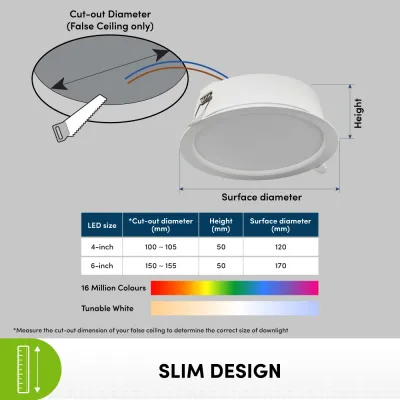
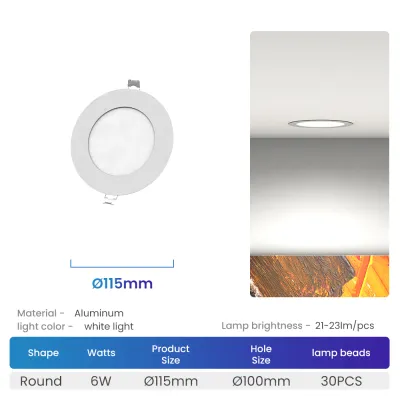
Before purchasing, measure the available depth in your ceiling void and compare it to the physical height of the downlight. Some ultra-thin downlights are designed specifically for shallow voids, while high-output models may require significant clearance. Furthermore, check the required cut-out diameter. Standardizing your cut-out sizes makes future replacements much easier, as you will not need to patch or re-drill the plasterboard if you change brands down the road.
Working with electrical fixtures carries inherent risks. Before any installation, replacement, or maintenance work begins, you must isolate the electrical circuit by switching off the corresponding circuit breaker at your main distribution board. Never rely solely on the wall switch to cut the power. For any fixed wiring work, installation in damp locations such as bathrooms or open balconies, or structural modifications to your ceiling, you must engage a licensed electrical worker. This is a legal requirement in Singapore that ensures the work complies with the SS 638 electrical code of practice, protecting your household from faulty wiring.
How to Build and Compare Your Brand Shortlist
To build an accurate comparison, bypass the generalized marketing slogans found on retail packaging and locate the official technical datasheets. These documents are typically available for download on the manufacturer’s website. A reputable brand will provide comprehensive datasheets detailing the exact lumen output, color rendering index, power factor, beam angle, operating temperature range, and physical dimensions. If a brand hides these technical details or uses vague terminology, treat it as a warning sign.
Organize your findings by creating a structured comparison matrix. List your candidate brands along one axis and key evaluation criteria along the other. Include columns for the SAFETY Mark registration number, warranty duration, CRI, luminous efficacy (lumens per watt), recessed depth, and cut-out size. This systematic approach allows you to compare products objectively, stripping away brand bias and helping you identify which option offers the best technical value for your specific home layout.
Always confirm that your chosen brand operates through authorized local distributors, official brand stores, or established retail partners in Singapore. Purchasing downlights from unauthorized online sellers or parallel importers can leave you without a valid warranty, as manufacturers often refuse to honor claims for products bought outside official channels. Furthermore, local distributors ensure that the products imported are specifically configured for Singapore’s electrical standards and climate conditions.
During your comparison, you may encounter situations where specifications conflict, or where the installation environment is highly complex—such as concrete ceilings requiring surface-mounted fixtures or smart home integrations with proprietary protocols. If you are unsure about driver compatibility, thermal clearance, or wiring configurations, stop the selection process. Consult a qualified lighting specialist or a licensed electrician. Making an informed, professional inquiry at this stage prevents costly mistakes and ensures your lighting system is both safe and highly functional.
Frequently Asked Questions (FAQ)
Does a higher wattage always mean a better LED downlight brand?
No, a higher wattage does not indicate a superior brand or a better downlight. Wattage simply measures the amount of electrical power the fixture consumes, not the amount of light it emits. To evaluate a brand’s engineering quality, look at its luminous efficacy, which is measured in lumens per watt. A highly efficient downlight will produce more light (lumens) while consuming less electricity (watts). When comparing brands, prioritize those that deliver your desired lumen output and beam angle at a lower wattage, as this will reduce your monthly energy bills while keeping heat generation to a minimum.
How can I verify if an LED downlight brand offers genuine local warranty support?
To verify genuine local warranty support, start by checking the brand’s official website for a list of authorized Singapore distributors and physical retail showrooms. Avoid relying on vague online promises of a global warranty. Examine the physical warranty card included with the product; it should clearly list a local service center address, a Singapore telephone number, and a direct customer support email. You can also contact the local distributor directly before purchasing to ask about their specific claim process, ensuring they offer a straightforward, over-the-counter replacement policy rather than requiring you to ship defective units overseas.

Community discussion
Share your experience or ask a question. Comments are reviewed before publication.