
Finding the ideal mushroom night light in Singapore requires looking beyond brand names to evaluate physical construction, power delivery, and safety certifications. Because no single brand universally dominates the market, the best choice depends on matching specific material preferences, light output needs, and budget. Buyers often encounter a wide range of options on online marketplaces, from budget-friendly plastic models to premium hand-blown glass statement pieces. To secure a lamp that offers both aesthetic appeal and long-term value, you must assess how well a product balances durability, illumination quality, and electrical safety.
Defining Quality and Value in Mushroom Night Lights
Evaluating a decorative lighting fixture like a mushroom night light involves separating visual appeal from structural integrity. Quality in this category is defined by three primary pillars: material durability, light diffusion, and electrical safety. A high-quality lamp should feature a robust shade that does not warp or discolor under mild heat, a stable base that resists tipping, and internal wiring or battery components that comply with local safety standards. The light diffusion must be even, preventing harsh hot spots or glare that can disrupt sleep or strain the eyes in a darkened room.
Value, on the other hand, is not merely about finding the lowest price tag. True value represents a favorable price-to-feature ratio, product longevity, and reliable customer or warranty support. A slightly more expensive lamp that lasts for years and offers adjustable brightness often provides far better value than a cheap alternative that requires frequent battery replacements or fails after a few months. When shopping in Singapore, understanding these distinctions helps you avoid low-grade imports that look appealing online but fail to perform in daily use.
Products mentioned in this guide
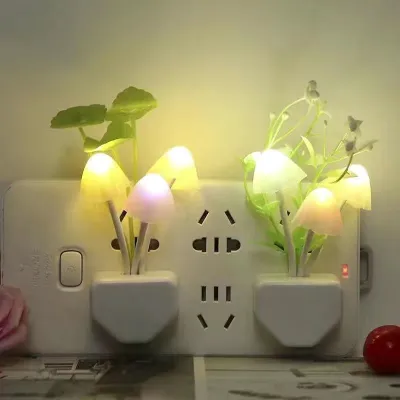
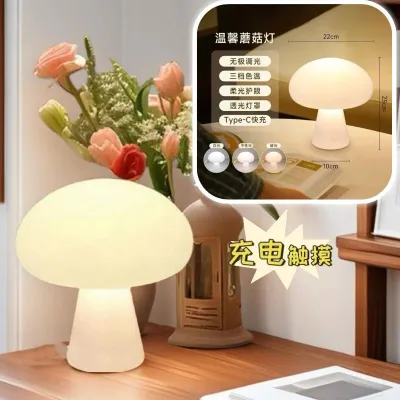
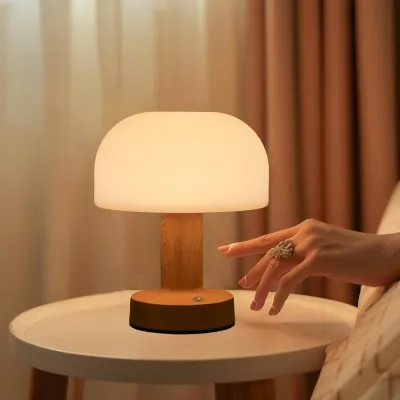
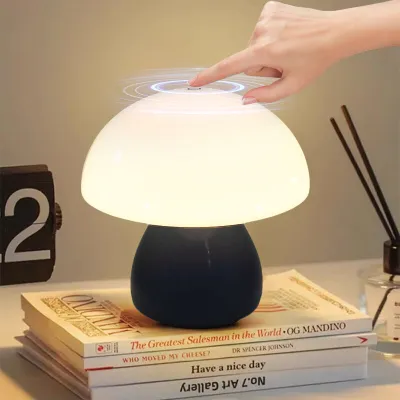
![[Pre-Order 18-25 Days]Mushroom Table Lamp Desk Light LED Night Light for Kitchen Living Room Modern Minimalist Desk Lights](https://img.lazcdn.com/g/p/7a34b4a6d0b2e94552b9b6c8666fc8a1.png_400x400q80.png_.webp)
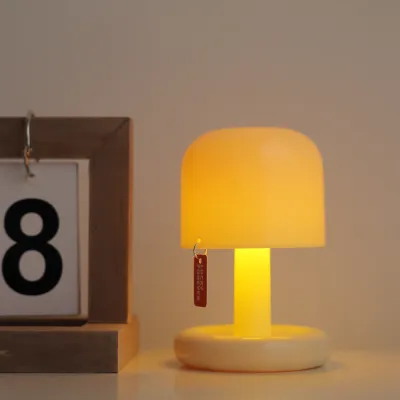
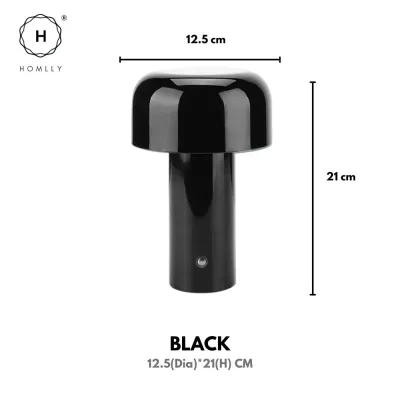
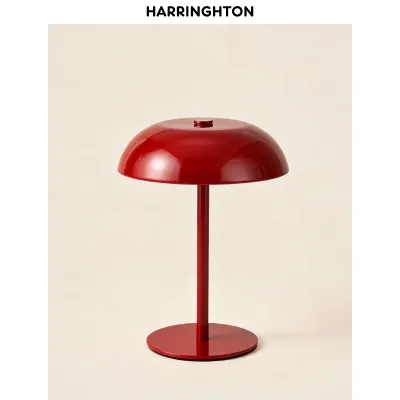
Prices are valid at publication and may change. Please refer to the product page for the latest price.
Key Features to Compare Across Brands
Feature sets vary significantly across different market segments, transforming how you interact with your lighting daily. While basic models offer simple on-and-off functionality, mid-range and premium options introduce sophisticated controls and power configurations designed for modern convenience.

Light Source and Illumination Control
The light source is the core of any night light, directly influencing the ambiance of your bedroom or living space. Many entry-level mushroom lamps feature a fixed warm-white LED, which provides a cozy, static glow suitable for sleeping areas. However, more versatile models offer adjustable color temperatures, allowing you to transition from a cool white for reading to a soft amber for winding down.
Dimming mechanisms also vary widely and dictate how easily you can adjust the light level. Touch-sensitive bases are highly popular for bedside tables, enabling you to tap anywhere on the metal frame to cycle through brightness levels in the dark. Alternatively, some models utilize inline cord switches or remote controls, which may be less intuitive if the lamp is positioned just out of arm’s reach. Always check the manufacturer’s specifications for lumen output; a true night light should offer low-lumen ambient lighting (typically under 100 lumens) rather than bright task lighting, ensuring it does not disrupt your natural sleep cycle.
Power Supply and Portability
Choosing between a plug-in and a rechargeable mushroom night light depends heavily on where you plan to place the fixture. Plug-in models offer continuous, reliable power without the worry of battery degradation over time, making them excellent for permanent fixtures on desks or sideboards. However, they require proximity to an electrical outlet and present cord management challenges, as visible cables can detract from the clean, minimalist aesthetic of the lamp.
Rechargeable options provide unmatched portability, allowing you to place the lamp on a bookshelf, dining table, or even a bathroom counter without worrying about cords. When evaluating these portable models, check the charging interface—USB-C is highly preferred for its durability and compatibility with standard phone chargers. Be sure to cross-reference the manufacturer’s battery life claims with user reviews, as actual runtimes at maximum brightness often fall short of advertised figures.
Assessing Build Quality and Materials
The physical construction of a mushroom night light dictates both its visual elegance and its resistance to daily wear and tear. Understanding the materials used in the shade and base allows you to predict how the lamp will age and perform over time.
Shade Materials and Light Diffusion
The shade material is the most critical factor governing the quality of light emitted by the lamp. Glass shades offer a premium, classic aesthetic and exceptional light diffusion, softening the glow of the internal LED beautifully. However, glass is inherently fragile, making it less suitable for children’s bedrooms or high-traffic hallways where it could easily be knocked over.
Resin, acrylic, and polycarbonate shades serve as shatter-resistant alternatives that are lightweight and highly durable. While these synthetic materials are practical, lower-grade plastics can yellow over time when exposed to ambient sunlight or internal heat. To minimize glare, look for product descriptions that specify frosted, ribbed, or textured finishes, as these treatments scatter light more effectively than smooth, transparent plastics.
Base Construction and Stability
A stable base prevents accidental tip-overs, protecting both the lamp and your furniture. Heavy bases made of metal, solid wood, or thick ceramic provide excellent weight distribution, keeping the center of gravity low. In contrast, lightweight plastic bases are easily knocked over by a stray hand or a draft, especially if the shade is relatively top-heavy.
When comparing models, verify whether the base includes non-slip rubber pads or a felt ring on the bottom. These small additions prevent the lamp from sliding on polished wooden or glass surfaces and protect your furniture from scratches. Additionally, inspect the joint where the stem meets the shade; a secure, threaded, or locked assembly is a strong indicator of superior manufacturing compared to cheap glue joints that can weaken over time.
Price Tiers and Value Expectations
Setting a realistic budget requires understanding what features and materials are typical at different price points in the local market. This framework helps you identify when a product is fairly priced or when a premium price tag is unjustified.
Entry-Level and Budget Options
Typically priced under S$20, entry-level mushroom night lights are widely available on online marketplaces. These models generally feature basic plastic or thin resin construction, standard plug-in power cords, and single-tone warm lighting without dimming capabilities. While they lack a premium feel, they are highly practical for occasional use, children’s playrooms, or temporary setups where aesthetic perfection is not a priority.
Mid-Range Features and Build
In the S$20 to S$60 price bracket, you will find the most popular segment of mushroom lamps. These fixtures often combine better light diffusion materials, such as frosted glass or high-quality matte acrylic, with convenient features like touch controls and rechargeable batteries. They offer a balanced mix of durability and modern aesthetics, making them ideal for daily use on bedside tables or living room shelves.
Premium Materials and Smart Features
Priced above S$60, premium mushroom lamps are designed as long-term interior investments. You can expect heavy, hand-blown glass or crystal shades, solid brass or oak bases, and high color rendering index (CRI) LEDs that display colors accurately. Many models in this tier also incorporate smart home compatibility, allowing you to control the light via mobile apps or voice assistants, providing precise control over your home’s ambiance.
Safety, Compliance, and Pre-Purchase Checks
Before purchasing any electrical appliance in Singapore, safety must be your top priority. For plug-in models or those supplied with an AC power adapter, check for local electrical safety marks, such as the Enterprise Singapore SAFETY Mark, which indicates the device has been tested and approved for safe use with the local 230V grid. Using uncertified adapters poses a risk of short circuits, overheating, or electrical fires.
When shopping on e-commerce platforms, take the time to evaluate seller ratings, customer feedback, and return policies. Look for reviews that mention the long-term reliability of the battery or the stability of the power connection. If the product specifications are unclear, conflicting, or if you are considering a model that requires fixed hardwiring into your home’s electrical system, stop and consult the manufacturer or a qualified electrician to ensure a safe installation.
Frequently Asked Questions (FAQ)
Are rechargeable mushroom night lights safe to leave plugged in continuously?
Most modern rechargeable mushroom night lights utilize lithium-ion batteries, which require proper care to maintain safety and longevity. While many devices feature built-in overcharge protection, leaving them plugged in continuously can accelerate battery degradation and, in rare cases of component failure, lead to overheating. It is essential to check the manufacturer’s specific charging instructions in the user manual. If the device feels excessively warm to the touch while charging, or if the manual advises against continuous trickle charging, you should unplug the lamp once it reaches a full charge.
How do I clean a glass or resin mushroom lamp shade without damaging it?
Keeping your mushroom night light clean ensures optimal light diffusion and preserves its aesthetic appeal. Before performing any maintenance, always turn off the lamp and unplug it from the wall outlet or charging cable to eliminate any electrical risk. For both glass and resin shades, start by gently dusting the surface with a dry, clean microfiber cloth to remove loose particles. If the shade requires deeper cleaning, wipe it with a slightly damp microfiber cloth using only water or a very mild, diluted dish soap. Avoid harsh chemical cleaners, alcohol-based sprays, or abrasive scrubbing pads, as these can scratch resin surfaces, strip protective coatings, or degrade frosted finishes.
Community discussion
Share your experience or ask a question. Comments are reviewed before publication.