
Finding the best value rechargeable table lamp in Singapore requires looking beyond the initial price tag. Because local online marketplaces feature an overwhelming variety of brands, true value is found by matching a lamp’s battery chemistry, build quality, and safety certifications to your specific living environment. Whether you need a portable light for a humid balcony or a dimmable bedside companion, understanding how to evaluate these brands systematically ensures you invest in a product that lasts.
Defining "Value" in Rechargeable Table Lamps
When shopping for a rechargeable table lamp, it is easy to fall into the trap of choosing the lowest-priced option. However, upfront cost is only one part of the value equation. A cheap S$15 lamp might seem like a bargain, but if its internal lithium-ion battery degrades within six months and cannot be replaced, the cost per use becomes exceptionally high. True value lies in the balance between the initial purchase price and the product’s operational lifespan.
Your primary use case dictates which features justify a higher price tier. For instance, a lamp intended solely for bedside reading does not require heavy weatherproofing, but it does require fine-tuned dimming and a warm color temperature to prevent eye strain. Conversely, a lamp used for alfresco dining on a balcony or patio in Singapore’s tropical climate must prioritize moisture resistance and a stable, wind-resistant base. If you are purchasing a lamp for emergency backup, long-term charge retention and battery reliability become the most critical factors.
Products mentioned in this guide
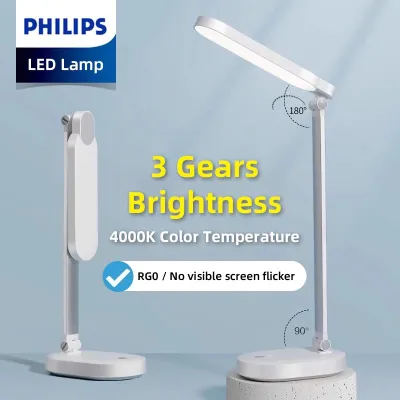
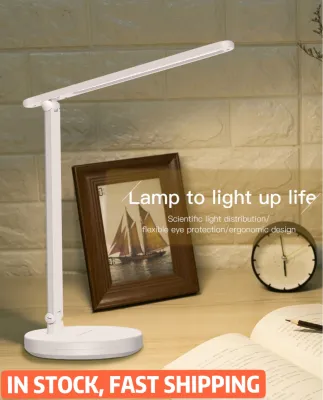
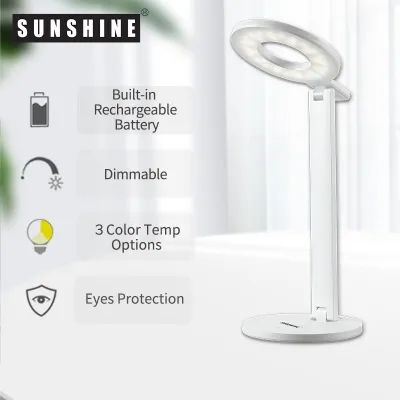
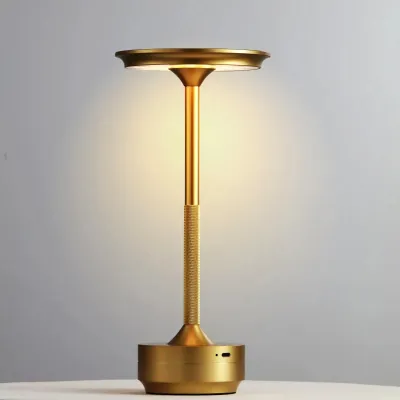
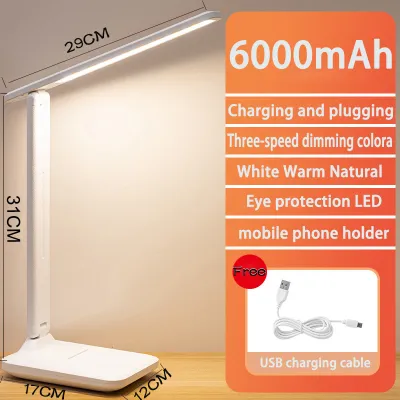
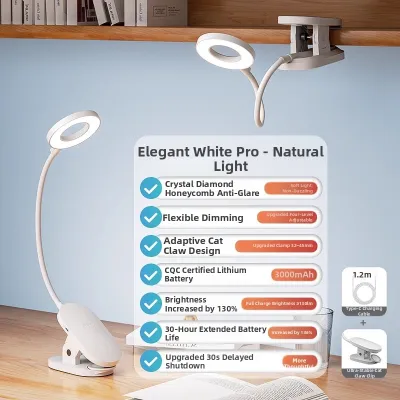
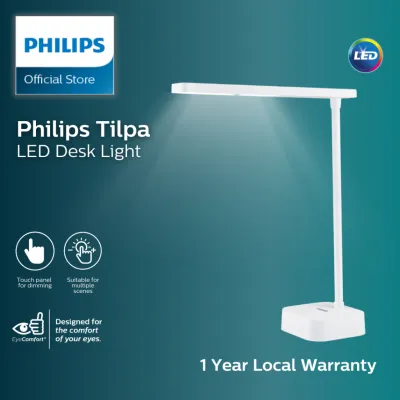
Prices are valid at publication and may change. Please refer to the product page for the latest price.
Understanding the general price tiers in the local market helps set realistic expectations. Budget brands (typically under S$30) often rely on lightweight plastic constructions, smaller battery capacities, and offer minimal warranty support. Mid-range brands (S$30 to S$100) generally introduce aluminum housings, larger batteries, and basic local seller warranties. Premium brands (above S$100) focus on architectural design, high color accuracy, advanced smart features, and comprehensive manufacturer warranties that cover both the LEDs and the battery pack.
Key Specifications to Compare Across Brands
To make an objective comparison between different brands, you must look closely at the technical specifications listed on product sheets. The first metric to evaluate is battery capacity, measured in milliampere-hours (mAh). However, a high mAh rating does not automatically guarantee a long runtime; you must compare this capacity against the manufacturer’s claimed runtime at maximum brightness. A brand that claims a 40-hour runtime but only achieves this at a barely visible 1% brightness setting offers less practical utility than one that guarantees a solid 6 hours at full illumination.

The charging interface and speed are equally important for daily convenience. Modern rechargeable table lamps should utilize a USB-C interface, which allows you to use the same cables and adapters as your smartphone or tablet. Avoid brands that rely on proprietary charging pins or outdated micro-USB ports, as replacing a lost proprietary cable can be difficult and expensive. Check the input specifications as well; a lamp that supports 5V/2A charging will replenish its battery significantly faster than one limited to 5V/0.5A.
Light quality directly impacts your comfort and visual health. Look for brands that specify the Color Rendering Index (CRI) of their LEDs, aiming for a CRI of 90 or higher to ensure colors appear natural and vibrant. Adjustable color temperatures—ranging from a warm 2700K for relaxation to a cool 5000K for focused work—provide excellent versatility. Additionally, stepless dimming capabilities allow you to adjust the light output smoothly to match your exact needs, which also helps conserve battery power when full brightness is unnecessary.
Safety compliance is a non-negotiable factor when dealing with battery-operated appliances. While the lamp itself operates on low-voltage direct current, the battery pack inside must be manufactured to high safety standards to prevent swelling or thermal runaway. When purchasing a lamp that includes an AC power adapter, verify that the adapter carries the Enterprise Singapore Safety Mark. For the lamp itself, look for brands that explicitly state compliance with international battery safety standards.
Assessing Build Quality and Design Durability
A lamp’s physical construction determines how well it will withstand daily handling and environmental factors. Brands that use weighted metal bases, such as anodized aluminum, brass, or steel, offer superior stability compared to lightweight plastic alternatives. A heavy base prevents the lamp from tipping over when placed on a bedside table or an outdoor dining setup, protecting the internal electronics and the LED diffuser from impact damage.
In Singapore’s humid climate, material selection also plays a critical role in preventing corrosion. Untreated ferrous metals can rust quickly when exposed to ambient moisture, especially on balconies or near open windows. Look for brands that utilize powder-coated finishes, anodized aluminum, or high-grade polycarbonate materials that resist moisture and sweat from handling. Inspect the joints and hinges of adjustable models; high-quality brands use tension-adjustable screws or robust magnetic joints that maintain their position over years of use, whereas cheap friction joints tend to loosen and droop.
Heat dissipation is another critical factor that affects both LED longevity and battery health. LEDs generate heat at their junction point, and if this heat is not dissipated efficiently, it can degrade the LED chip and accelerate the aging of the nearby lithium-ion battery. Metal lamp bodies naturally act as heat sinks, drawing warmth away from the internal components. If you are considering a plastic lamp, ensure it features visible ventilation paths or uses low-wattage LEDs that do not generate excessive heat during extended operation.
Condition-Based Brand Selection Framework
To simplify your decision, you can categorize brands based on their primary design philosophy and match them to your specific living conditions. If you prefer a highly automated home, focus on brands that specialize in smart home integration. These brands offer wireless connectivity via Bluetooth or Wi-Fi, allowing you to control the lamp through mobile applications, set automated schedules, or integrate the lighting with smart home ecosystems.
For living rooms, entryways, or designer spaces where the lamp serves as a visual focal point, design-centric brands are the ideal choice. These manufacturers prioritize architectural styling, premium finishes, and seamless touch controls. While they may carry a higher price tag, they offer superior aesthetic cohesion and often feature high-CRI diffusers that mimic the warm, soft glow of natural candlelight, making them perfect for creating a relaxing ambiance.
If you require a lamp for versatile indoor-outdoor use, prioritize utility-focused or outdoor-rated brands. Look for models that carry an IP (Ingress Protection) rating of IP44 or higher, indicating resistance to dust and splashing water. These rugged lamps often feature high impact tolerance, textured grips, and some even include a reverse-charging feature, allowing the lamp’s large internal battery to serve as an emergency power bank to charge your mobile devices during an outage.
Regardless of the category you choose, always verify the brand’s local warranty support before purchasing. A brand with an established distributor or service center in Singapore provides peace of mind, as claiming a warranty for a defective battery or a flickering LED is straightforward. Avoid brands that require you to ship the product back to an overseas warehouse at your own expense, as the shipping cost can easily exceed the value of the lamp itself.
Purchasing Safely on E-commerce Platforms
When shopping on local online marketplaces, navigating the sea of listings requires a cautious approach. Always prioritize buying from official brand stores or authorized local distributors. These sellers are authorized to provide genuine products that comply with local safety standards, and they offer valid manufacturer warranties that are honored locally.
Before finalizing your purchase, read the warranty terms carefully. Some sellers advertise a “one-year warranty” but restrict the coverage to the LED element, explicitly excluding the battery pack—which is the component most susceptible to wear and failure. Ensure the warranty covers battery swelling, charging port failures, and premature capacity loss. Additionally, check the platform’s return policy to ensure you can easily return a unit that arrives dead or damaged.
User reviews provide invaluable insights into the real-world performance of a lamp. When browsing reviews, filter for feedback that mentions long-term usage rather than just initial impressions out of the box. Look for recurring complaints regarding flickering lights, excessive heat generation near the base during charging, or a rapid decline in battery life after a few weeks. A pattern of such complaints is a strong indicator of poor quality control, regardless of how impressive the printed specifications may seem.
Frequently Asked Questions (FAQ)
How can I extend the battery life of my rechargeable lamp?
To maximize the lifespan of the internal lithium-ion battery, avoid letting the charge drop to zero percent. Charge the lamp when it indicates low battery or when the light begins to dim noticeably. Store and use the lamp in cool, dry environments, away from direct sunlight or heat sources like stoves. Always use a charger that matches the voltage and current specifications outlined in the manufacturer’s manual.
Are rechargeable table lamps safe to leave plugged in overnight?
While many modern rechargeable lamps feature built-in overcharge protection that stops drawing current once fully charged, it is best practice not to leave them plugged in indefinitely. Refer to the manufacturer’s instructions to confirm if continuous trickle charging is supported. If you notice the base of the lamp, the battery compartment, or the charging adapter becoming unusually hot to the touch, unplug it immediately and discontinue use.
Community discussion
Share your experience or ask a question. Comments are reviewed before publication.