
Selecting a high-quality reed diffuser requires looking beyond attractive packaging and appealing scent descriptions. A superior diffuser relies on a precise balance of formulation chemistry, material science, and structural design to deliver a consistent, long-lasting fragrance. In tropical climates with high humidity or in air-conditioned spaces, these physical factors become even more critical to prevent rapid evaporation or clogged reeds. By understanding what to look for on the label and how to evaluate the physical components, you can make an informed purchase that offers excellent scent throw and value.
Key Quality Indicators to Inspect Before Purchase
Before purchasing a reed diffuser, a close inspection of the packaging and product labeling provides immediate clues about its overall quality. Reputable manufacturers prioritize ingredient transparency, listing the specific types of carrier oils and fragrance components used. Look for clear safety warnings, allergen disclosures, and detailed manufacturer contact information. A complete lack of ingredient disclosure or vague labeling often points to mass-produced, low-grade formulations that may contain harsh solvents or phthalates.
The physical appearance of the liquid inside the bottle offers another valuable clue. High-quality diffuser oils are typically clear, pale straw, or lightly amber-colored, depending on the natural essential oils used. Extremely vibrant, artificial colors usually indicate the addition of heavy synthetic dyes, which can stain furniture if spilled and may clog the reeds over time. Additionally, observe the viscosity of the liquid by gently tilting the bottle; a high-quality oil should flow smoothly, indicating a balanced carrier that is thin enough to climb the reeds but thick enough to resist immediate evaporation.
Products mentioned in this guide
![[KIRONA SCENT] Onyx Reed Diffuser 140ml | Home Aromatherapy Fragrance Decor Gifts | Perfume and Hotel Scents | For Home Office Washrooms](https://img.lazcdn.com/g/p/667d344fa8ea142d506db96597b350f5.png_400x400q80.png_.webp)
![[KIRONA SCENT] Luxe Black Reed Diffuser 110ml | Luxurious Mall & Hotel Scents | Essential Oil Aromatherapy Home Decor Fragrance Gifts](https://img.lazcdn.com/g/p/f11d364041cb3de3c9497ceb8270dfb0.png_400x400q80.png_.webp)
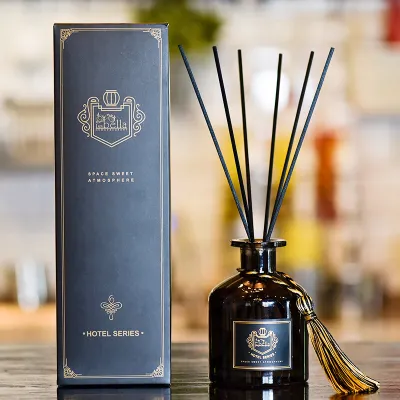
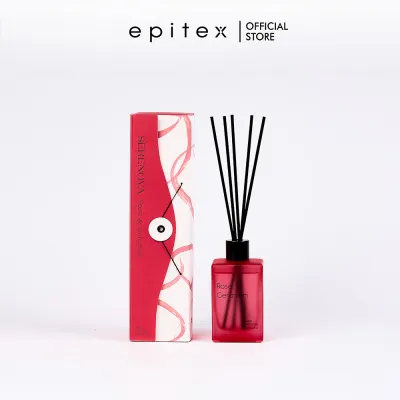
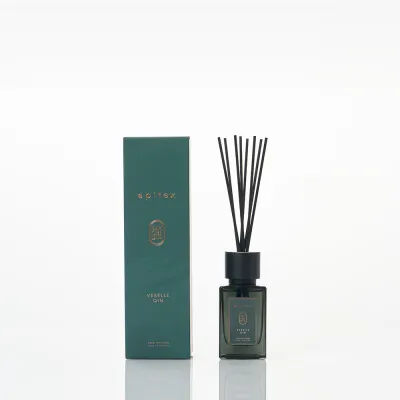

![[KIRONA SCENT] Spa White Reed Diffuser 110ml | Aromatherapy Home & Office Fragrances Decor Gifts | Luxurious Hotel Mall & Perfume Scents](https://img.lazcdn.com/g/p/692089e4761598e4ffcc6971741bb662.png_400x400q80.png_.webp)

Prices are valid at publication and may change. Please refer to the product page for the latest price.
The vessel itself should feel substantial and well-crafted. When holding the diffuser, assess the physical weight and thickness of the glass or ceramic container. A heavy, thick-walled vessel with a low center of gravity and a wide, stable base is essential for preventing accidental tips and spills. Lightweight, thin-walled plastic or glass bottles are easily knocked over, posing a significant risk to wooden tables, stone countertops, and delicate home finishes that can be damaged by concentrated fragrance oils.
Evaluating Fragrance Oil Composition and Scent Throw
The carrier liquid is the unsung hero of any reed diffuser, dictating how quickly the fragrance evaporates and how effectively it fills a room. Alcohol-based carriers, such as those utilizing high concentrations of ethanol or isopropyl alcohol, evaporate very rapidly. While this results in an intense initial burst of fragrance, the oil depletes quickly, and the sharp chemical undertone of alcohol can distort the delicate notes of the perfume. Conversely, high-quality oil-based carriers, such as glycol ethers or bio-based esters, evaporate at a slow, controlled rate, providing a steady, long-lasting scent throw without the harsh chemical fumes.

Evaluating the fragrance source itself is equally important when judging quality. Diffusers typically use either natural essential oils, synthetic fragrance oils, or a blend of both. Natural essential oils offer complex, authentic aromas and therapeutic benefits, but they can be highly volatile, sensitive to UV light, and prone to rapid degradation. Synthetic fragrance oils, when sourced from reputable perfumery houses, are engineered for stability, safety, and consistent scent throw. High-quality brands often use a blend of both to capture the complexity of natural botanicals while ensuring the fragrance remains stable and vibrant over several months.
A well-formulated diffuser fragrance is structured with a balanced pyramid of top, middle, and base notes. Top notes, such as citrus and light herbs, provide the immediate scent impression but evaporate quickly. Middle notes, including florals and spices, form the core character of the fragrance. Base notes, such as sandalwood, amber, vanilla, and oakmoss, have the lowest volatility and linger the longest. When evaluating a diffuser, look for scent profiles that feature strong, high-quality base notes, as these are responsible for sustaining the fragrance presence in your home long after the lighter top notes have dissipated.
Choosing the Right Reed Material for Your Space
The reeds act as the engine of the diffuser, drawing the oil upward through capillary action and releasing it into the air. Natural rattan reeds are a traditional choice, featuring tiny, hollow channels that naturally wick the liquid. While rattan is excellent for classic, slow diffusion, it is susceptible to clogging from dust, pet dander, and heavy oil molecules, which eventually blocks the capillaries. To maintain performance, rattan reeds require regular flipping and must be replaced entirely when they become fully saturated or dusty.
Synthetic fiber reeds represent a modern, high-performance alternative. Engineered from polyester or nylon fibers, these reeds feature highly uniform, open pores that draw oil upward much faster and more consistently than natural rattan. Fiber reeds do not clog as easily and provide a significantly stronger scent throw, making them ideal for larger rooms or open-plan living spaces. However, because they wick oil so efficiently, they can cause the diffuser liquid to deplete more rapidly, which is a trade-off to consider based on your budget and longevity preferences.
Adjusting the scent strength is easily managed by controlling the number of reeds inserted into the vessel. For smaller, enclosed spaces like bathrooms or compact study rooms, starting with three to five reeds prevents the fragrance from becoming overwhelming and extends the lifespan of the oil. In larger living areas, using eight to ten reeds maximizes the surface area for diffusion. If you notice the scent fading or see that the exposed tops of the reeds have become dry and dusty, flipping them upside down will provide an immediate boost of fresh fragrance.
Vessel Design, Safety, and Placement Constraints
The design of the diffuser vessel is not merely an aesthetic choice; it directly impacts safety and performance. A high-quality vessel features a narrow neck or a restricted opening. This structural design limits the direct exposure of the oil to the open air, minimizing passive evaporation from the surface of the liquid. A narrow neck also prevents dust, hair, and airborne debris from falling into the bottle and contaminating the oil, which would otherwise clog the reeds and ruin the scent purity.
Stability is a paramount safety consideration for any home fragrance product. Diffuser oils contain highly concentrated fragrance compounds and solvents that can strip paint, dissolve varnish, and damage plastics or wood veneers upon contact. Choosing a heavy glass or ceramic vessel with a wide, flat base ensures the diffuser remains upright even if accidentally bumped. For added protection, always place the vessel on a non-porous decorative tray, coaster, or ceramic plate rather than directly on finished wooden furniture or delicate stone surfaces.
Placement plays a critical role in how safely and effectively a reed diffuser operates. To maximize the lifespan of your diffuser, avoid placing it in direct sunlight, near radiators, or close to air conditioning vents. Direct heat and active airflow accelerate the evaporation of the carrier oil, causing the product to run out much faster than intended. Instead, position the diffuser in a high-traffic area with natural air movement, such as an entryway or hallway, where the motion of people passing by helps disperse the fragrance gently throughout the space.
Decision Framework: Matching Diffuser Traits to Your Needs
To choose the perfect reed diffuser, match the product’s physical traits to the specific needs of your living environment. If your primary goal is to scent a large, open-concept living room or a well-ventilated entryway, prioritize diffusers that utilize synthetic fiber reeds paired with a highly active carrier oil. This combination ensures a powerful, far-reaching scent throw that can overcome drafts and fill expansive spaces effectively.
For smaller, more intimate spaces such as bedrooms, home offices, or guest bathrooms, opt for natural rattan reeds combined with a slow-evaporating, oil-based carrier. This setup provides a subtle, continuous background fragrance that is comforting rather than overpowering. The slower evaporation rate also ensures the diffuser lasts for several months, making it a highly cost-effective choice for quiet, low-traffic rooms.
In households with young children or active pets, safety must be the guiding factor in your decision. Look for diffusers that feature heavy, low-profile ceramic vessels that are exceptionally difficult to tip over. Verify that the formulation is non-toxic, alcohol-free, and phthalate-free to minimize risks in case of accidental contact. Always place the diffuser on a high, secure shelf or mantelpiece, completely out of reach of children and pets, to enjoy a beautifully scented home with total peace of mind.
Frequently Asked Questions (FAQ)
Can I reuse the reeds for a different fragrance?
No, reusing reeds for a different fragrance is highly discouraged. Both natural rattan and synthetic fiber reeds become fully saturated with the specific chemical compounds and fragrance notes of the original oil. If you place these saturated reeds into a new, different scent, the remaining oil will mix with the new fragrance, resulting in a muddy, distorted, and unpleasant aroma. Furthermore, older reeds accumulate dust and microscopic debris from the air, which clogs their pores and severely reduces their wicking efficiency. To ensure scent purity and optimal diffusion, always use a fresh set of reeds whenever you switch to a new fragrance or open a new bottle of diffuser oil.
Why does my reed diffuser stop smelling after a few weeks?
A sudden loss of scent is often the result of olfactory fatigue, commonly known as nose blindness. When you are constantly exposed to a specific fragrance in your home, your brain begins to filter it out as background noise. You can test this by leaving your home for a few hours; if you notice the fragrance immediately upon returning, your diffuser is functioning perfectly. If the scent has truly diminished, the reeds may have become clogged with household dust or fully saturated with the heavier base notes of the oil. To resolve this, try flipping the reeds to expose the moist ends, gently wiping away any accumulated dust, or replacing the reeds entirely to restore the capillary action and revive the scent throw.
Community discussion
Share your experience or ask a question. Comments are reviewed before publication.