
Finding the perfect retro table lamp is not about identifying a single, universally superior brand. Because the ideal fixture depends on your preferred design era, budget, and functional needs, the best approach is to evaluate how different manufacturers balance design authenticity, material quality, and price. In Singapore’s diverse interior design landscape—where mid-century modern, industrial, and eclectic styles frequently grace HDB flats and condominiums alike—a retro table lamp serves as both a functional light source and a sculptural statement piece. To make an informed purchase, you must look past marketing labels and systematically compare physical construction, historical licensing, and local electrical compatibility.
This guide provides a structured framework to help you assess different retro lighting manufacturers. By understanding what separates heirloom-quality reproductions from mass-produced alternatives, you can select a fixture that brings genuine vintage character to your space while meeting modern safety and performance standards.
Defining Your Retro Style and Evaluation Criteria
Before comparing brands, you must define the specific vintage aesthetic you want to introduce to your home. The term “retro” spans several decades of distinct design movements, and most lighting manufacturers specialize in only one or two of these eras. Identifying your preferred style allows you to narrow your search to the brands that truly understand the design language of that period.
Products mentioned in this guide
![[Pre-Order 18-25 Days]Banker Lamp Vintage European reading desk lamp bedroom bedside reading light solid wood eye-protecting iron table lamp](https://img.lazcdn.com/g/p/3c7586971f89f675495f663ab43088a9.jpg_400x400q80.jpg_.webp)
![[SG Stock] Vintage Edison Desk Lamp Industrial Dimmable Bedside Lamp with Wood Base Wood Lamp for Nightstand Bedside](https://img.lazcdn.com/g/p/9996c0628ede69a356b82d9508116a3a.jpg_400x400q80.jpg_.webp)
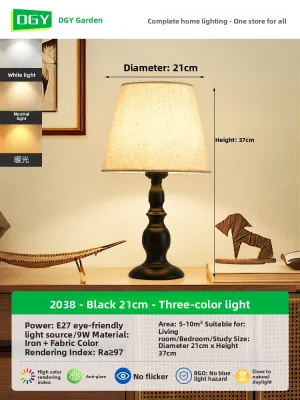
Prices are valid at publication and may change. Please refer to the product page for the latest price.
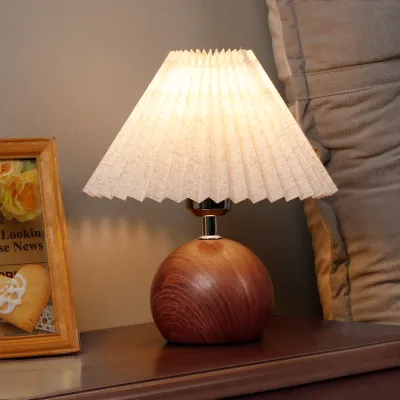
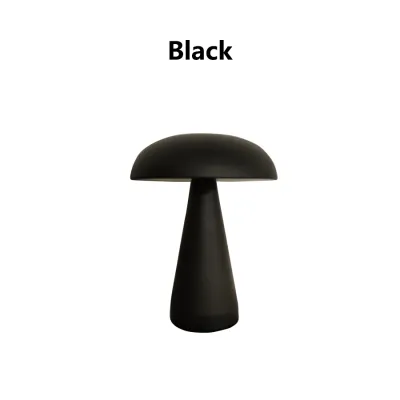
Mid-Century Modern design, spanning the 1950s and 1960s, remains highly popular. Lamps from this era focus on organic curves, clean geometric lines, and functional minimalism. Look for iconic shapes like mushroom domes, semi-spherical shades, and tapered wooden or brass bases. If your home features clean-lined teak furniture and neutral tones, a mid-century style lamp will complement the space naturally.
Art Deco style, originating in the 1920s and 1930s, offers a more glamorous, dramatic look. These lamps are characterized by bold geometric symmetry, stepped bases, fan shapes, and rich materials like polished chrome, brass, and frosted glass. They work exceptionally well as statement pieces on entryway consoles or dark wood desks, adding a sense of vintage luxury.
Space Age design from the late 1960s and 1970s embraces futuristic, playful forms. This era is defined by glossy plastics, vibrant colors, globe shades, and eye-catching silhouettes. If you want to inject a bold pop of color and a sense of retro-futurism into a contemporary room, brands specializing in space-age aesthetics are your best starting point.
To evaluate any brand within these styles, establish baseline metrics focused on material integrity, finish quality, and hardware authenticity. A high-quality manufacturer respects the original design’s proportions and material choices, rather than simply applying a vintage-style paint job to cheap, modern plastics.
Assessing Design Authenticity and Build Quality
Once you have identified your preferred style, the next step is to inspect the physical construction of the lamps. The materials a brand uses directly impact the lamp’s weight, stability, and long-term durability. High-quality retro lamps rely on substantial, authentic materials that give the fixture a premium feel.

Evaluate the base and body materials carefully. Premium brands often use solid brass, cast iron, heavy ceramic, or thick hand-blown glass. These materials provide necessary ballast, ensuring the lamp remains stable on your table and does not easily tip over. In contrast, lower-tier brands frequently substitute these with lightweight plated plastics, thin sheet metals, or synthetic resins that feel flimsy and are prone to denting, scratching, or tarnishing over time.
Pay close attention to the authenticity of the design details. Historically accurate reproductions feature period-correct hardware, such as rotary switches on the base, pull chains, or inline rocker switches made of durable materials. The power cord is another major indicator of quality. Premium manufacturers often use fabric-wrapped, braided cords that match the vintage aesthetic, whereas budget brands typically use standard, modern PVC cords that can detract from the overall look.
Shade materials also play a critical role in both aesthetics and performance. Blown glass shades offer beautiful, soft light diffusion without harsh glare, but they require careful handling. Spun metal shades, common in mid-century desk lamps, direct light downward for task work; ensure the interior of the metal shade is painted a reflective white to maximize light output. Fabric shades should have clean, tight stitching and sturdy wire frames that keep the shade perfectly aligned and level.
Understanding Price Tiers and Value Propositions
Retro table lamps are available across a wide range of price points. Understanding what you are paying for at each tier helps you determine if a brand’s price tag is justified by its construction and heritage.
Entry-level retro lamps, typically priced under S$100, are widely available from mass-market retailers and online marketplaces. These fixtures are generally unbranded or sold under house brands. While they offer an affordable way to capture a vintage look, they rely heavily on cost-saving materials like painted steel, plastic components, and basic wiring. They are suitable for casual styling but may lack historical accuracy and long-term durability.
Mid-range lamps, ranging from S$100 to S$400, are produced by specialized lighting brands and boutique design labels. In this tier, you will find significantly better build quality, including solid metal accents, genuine ceramic bases, fabric-wrapped cords, and improved quality control. These brands offer excellent value for homeowners who want a reliable, stylish lamp with authentic material weight without paying a designer premium.
Premium and designer lamps, often costing from S$400 to well over S$1,000, consist of licensed historical reproductions from heritage design houses. These manufacturers hold the original patents and design rights for iconic mid-century or Art Deco masterpieces. The high price reflects meticulous craftsmanship, premium materials like mouth-blown Murano glass or solid brushed brass, and the collectible value of owning an authorized piece of design history.
When deciding between these tiers, consider the lamp’s role in your home. If you are looking for an investment piece that will retain its value and serve as a focal point in your living room, the premium tier is highly compelling. For bedside tables or secondary study desks where functional durability is the priority, mid-range brands offer the best balance of quality and cost.
Essential Electrical and Physical Specifications to Verify
Before purchasing any retro table lamp, you must verify its technical specifications. Because many retro-style lamps are sourced from international manufacturers, ensuring compatibility with local electrical standards is vital for safety and performance.
First, verify the voltage rating and plug type. Singapore operates on a 230V, 50Hz electrical system and uses Type G (three-pin) plugs. If you import a lamp from a country that uses a 110V system, such as the United States or Japan, the lamp will require a step-down transformer to operate safely. Running a 110V lamp directly on a 230V system can destroy the socket, damage the bulb, or cause an electrical fire. Always choose lamps rated for 220V–240V and equipped with a compliant Type G plug, or have a qualified professional rewire the fixture.
Second, check the lamp holder interface and maximum wattage limits. Common screw-type sockets like E27 and E14, or bayonet sockets like B22, are standard and widely available, making it easy to find replacement bulbs. Always adhere to the manufacturer’s maximum wattage rating (typically 40W or 60W for decorative lamps). Exceeding this limit can cause excessive heat buildup, which can damage fabric shades, crack glass domes, or degrade the internal wiring insulation.
Third, review the physical dimensions and placement requirements. Measure the footprint of the lamp base to ensure it fits comfortably on your bedside table, console, or desk without hanging over the edge. Consider the overall height of the lamp; when sitting next to it, the bottom of the shade should ideally be at eye level to prevent the bulb from shining directly into your eyes. Additionally, check the cord length to ensure it can reach your wall outlet safely without stretching or requiring daisy-chained extension cords.
Finally, look for recognized safety certifications. In Singapore, controlled electrical appliances must carry the SAFETY Mark, indicating they have been tested and certified safe for domestic use. Purchasing certified fixtures provides peace of mind that the internal wiring, switch, and plug meet stringent safety standards.
Making Your Final Decision: A Practical Framework
To choose the right retro table lamp, synthesize your aesthetic preferences, physical space constraints, and budget into a clear decision-making process.
Start by matching the lamp’s scale and visual weight to your existing furniture. A large, heavy space-age dome lamp will overwhelm a delicate, narrow mid-century side table, while a tiny banker’s lamp will look lost on a massive executive desk. Ensure the proportions of the lamp and the furniture piece feel balanced and intentional.
Next, determine the primary function of the light. If you need ambient lighting to warm up a dark corner, choose a lamp with a translucent glass or fabric shade that diffuses light in all directions. If you require task lighting for reading or working, opt for an adjustable metal shade that directs a focused beam downward. For purely decorative accent lighting, focus on sculptural forms and pair the lamp with a low-wattage, warm-toned filament bulb to highlight its design.
Finally, apply a conditional budget framework. If you are seeking heirloom-quality craftsmanship, exact historical proportions, and a piece of design history, invest in a premium licensed reproduction. If you prioritize everyday durability, reliable electrical safety, and a highly convincing vintage aesthetic at a reasonable price, focus your search on reputable mid-range boutique brands.
Frequently Asked Questions (FAQ)
Can I use smart bulbs in a retro table lamp?
Yes, you can use smart bulbs in a retro table lamp, provided the bulb’s base matches the lamp’s socket (such as E27 or E14) and its wattage does not exceed the fixture’s maximum rating. However, keep the physical dimensions of the smart bulb in mind, as some smart models are larger than traditional bulbs and may protrude from shallow retro shades. To preserve the vintage aesthetic, look for smart LED filament bulbs that mimic the warm, glowing look of classic Edison bulbs while offering modern wireless control.
How do I clean and maintain a retro lamp finish?
To maintain a retro lamp finish, dust the fixture regularly with a dry, soft microfiber cloth. For solid brass, copper, or plated metal finishes, avoid using harsh chemical polishes, glass cleaners, or abrasive scrubbing pads, as these can permanently strip away protective clear coats or delicate vintage patinas. Ceramic and glass shades can be wiped gently with a slightly damp cloth, ensuring no moisture enters the electrical socket. Always unplug the lamp and isolate it from the power supply before cleaning, and allow all parts to dry completely before plugging it back in.
Community discussion
Share your experience or ask a question. Comments are reviewed before publication.