
Selecting energy-efficient outdoor lighting for Singapore’s tropical climate requires looking beyond attractive marketing claims. High humidity, frequent heavy downpours, and intense year-round heat present unique challenges for solar-powered fixtures. To identify the most reliable and energy-efficient solar ball light brands, buyers must understand how to evaluate technical specifications, verify performance claims, and assess structural durability against local environmental conditions.
Rather than relying on unverified brand rankings, a structured evaluation of solar panel quality, battery chemistry, and LED efficiency is the most reliable path to a successful purchase. This guide provides the technical framework needed to analyze product specifications, calculate realistic runtimes, and ensure your outdoor lighting remains bright and functional throughout the night.
Key Specifications That Define Solar Energy Efficiency
The energy efficiency of a solar ball light is determined by how effectively it converts sunlight into electricity, stores that energy, and utilizes it to power the light source. When comparing brands, the first component to analyze is the solar panel integrated into the fixture. Monocrystalline silicon panels offer the highest conversion efficiency, typically ranging from 15% to 22%, making them ideal for Singapore’s frequently overcast or hazy skies. Polycrystalline panels are less expensive but have lower conversion rates, usually between 13% and 16%, requiring a larger surface area to generate the same amount of power.
Products mentioned in this guide
![[SG Seller] Garden Solar Lights Outdoor Glass Jar Ball Solar Lights Waterproof Warm White LED Solar](https://img.lazcdn.com/g/p/f2a7e15a589158d5529534bac20c4452.jpg_400x400q80.jpg_.webp)
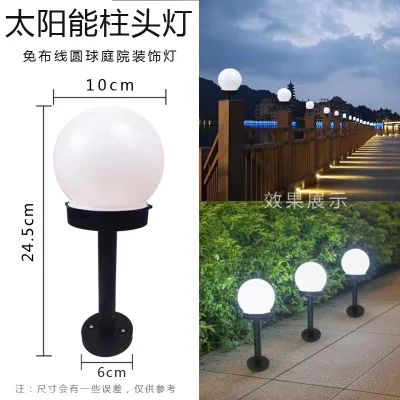
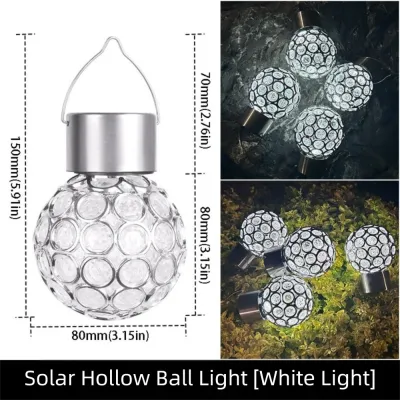
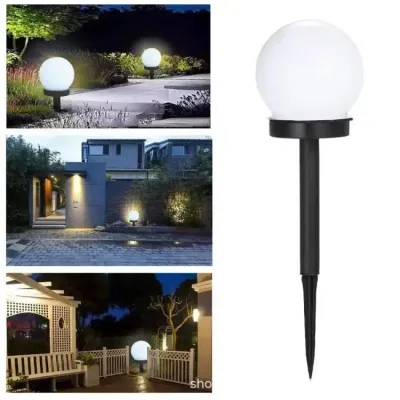
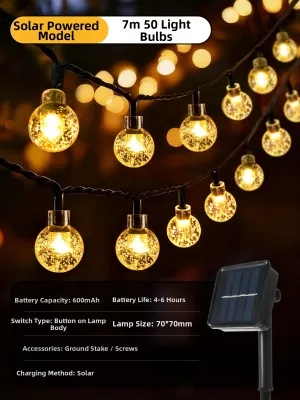
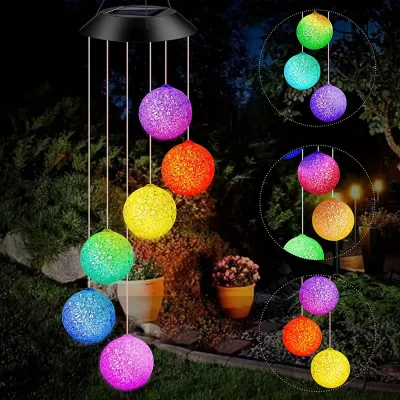
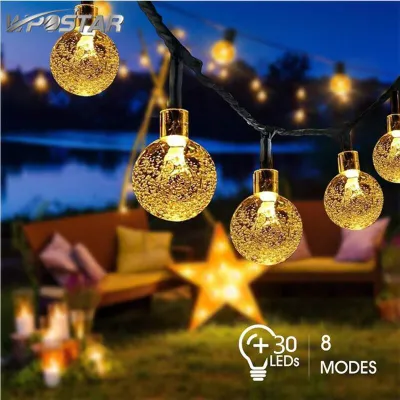
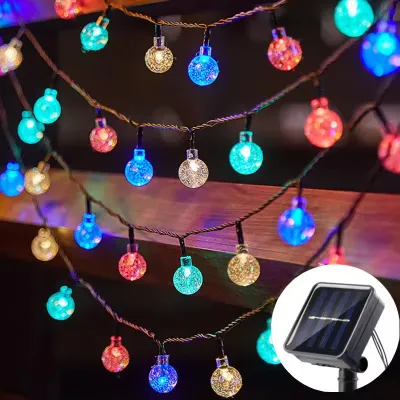
Prices are valid at publication and may change. Please refer to the product page for the latest price.
Battery chemistry is another critical factor that dictates long-term efficiency and operational reliability. Lithium Iron Phosphate (LiFePO4) batteries are highly recommended for tropical environments due to their exceptional thermal stability and long cycle life, often lasting over 2,000 charge-discharge cycles. Standard Lithium-ion (Li-ion) and Nickel-Metal Hydride (NiMH) batteries are common in budget-friendly brands, but they degrade much faster under continuous exposure to high ambient temperatures, leading to a rapid decline in storage capacity.
The efficiency of the light source itself is measured by its luminous efficacy, which is the ratio of light output (lumens) to power consumption (watts). High-quality brands utilize advanced LED modules that deliver more lumens per watt, ensuring bright illumination without prematurely draining the battery. Additionally, look for fixtures that feature smart dimming methods, such as automatic brightness reduction after a set number of hours or integrated motion sensors, which optimize energy consumption based on real-time needs.
While evaluating these specifications, keep in mind that decorative style and perceived color temperature are conditional preferences rather than indicators of energy efficiency. Warm white light (typically 2700K to 3000K) is often preferred for cozy outdoor aesthetics, whereas cool white light (5000K to 6500K) may offer slightly higher perceived brightness. Choose a color temperature that suits your landscaping design, but focus on the underlying electrical specifications—such as voltage, wattage limits, and interface types—to ensure true energy efficiency.
Assessing Brand Reliability for Outdoor Conditions
Singapore’s climate demands robust build quality to protect sensitive electronic components from moisture ingress and thermal degradation. The Ingress Protection (IP) rating is the standard metric used to verify a fixture’s resistance to dust and water. For general garden and pathway placement, a minimum rating of IP65 is required to withstand heavy tropical rainstorms. If you plan to place solar ball lights near swimming pools or in low-lying areas prone to temporary flooding, look for brands that offer IP67 or IP68 ratings, which certify protection against temporary or continuous immersion.

The material composition of the outer globe, or diffuser shell, directly impacts both durability and light transmission. Premium brands construct their solar ball lights using UV-stabilized polyethylene (PE), acrylic (PMMA), or polycarbonate (PC). Lower-grade plastics that lack UV inhibitors will yellow and become brittle under intense sunlight, which reduces light transmission efficiency and makes the shell susceptible to cracking. Verify the material specifications on the product label to ensure long-term resistance to solar radiation.
Heat dissipation is another vital design consideration that is often overlooked. Sealed spherical fixtures can trap heat inside, raising the internal temperature of the battery and control circuitry to damaging levels. Reliable brands design their fixtures with internal air gaps, heat sinks, or heat-reflective materials to mitigate thermal buildup. Check the manufacturer’s specified operating temperature range to confirm that the fixture can safely operate in direct sunlight where temperatures can easily exceed 35°C.
Finally, look for official electrical certifications, such as CE, RoHS, or local safety marks, which indicate that the product has undergone rigorous testing for safety and environmental compliance. Avoid brands that do not provide clear certification details or those that omit detailed installation instructions. Ensuring that the product meets recognized safety standards is essential for preventing electrical failures and ensuring a safe outdoor installation environment.
How to Verify Energy Efficiency Claims Before Buying
Before purchasing a solar ball light, it is essential to verify the manufacturer’s performance claims by cross-referencing online specifications with physical product labels or user manuals. Online listings on ecommerce platforms sometimes feature exaggerated runtime or brightness claims that do not align with the physical limitations of the hardware. Requesting a copy of the user manual or checking the physical label on the product packaging can help you confirm the actual battery capacity, solar panel wattage, and LED power consumption.
You can estimate the realistic runtime of a solar ball light using a simple mathematical calculation. First, determine the battery’s energy capacity in Watt-hours (Wh) by multiplying the battery voltage (V) by its capacity in Amp-hours (Ah). For example, a 3.2V battery with a capacity of 2000mAh (which is 2.0Ah) has an energy capacity of 6.4Wh. Next, divide this capacity by the LED wattage; if the fixture draws 1W of power, the maximum theoretical runtime at full brightness is approximately 6.4 hours, assuming perfect efficiency.
If a brand claims a runtime of 12 hours or more on a single charge with these same specifications, you should investigate whether the fixture utilizes smart power-saving modes. Many energy-efficient brands achieve extended runtimes by automatically dimming the light output to 50% or 30% after a few hours of operation. This is a highly practical feature for outdoor lighting, but it is important to know whether the claimed runtime represents continuous full brightness or an optimized, dimmed state.
Additionally, look for adjustable settings that allow you to customize the light’s power consumption. Fixtures equipped with remote controls, manual brightness adjusters, or programmable dusk-to-dawn timers give you direct control over how energy is used. By adjusting the brightness to match your specific lighting needs, you can prevent unnecessary battery drain and ensure that the light remains operational even after days of limited sunlight. While budget options may cost under S$20, premium models with robust specifications can range from S$50 to over S$100, making verification a key step in protecting your investment.
Installation and Placement for Maximum Solar Charging
The actual energy efficiency and performance of a solar ball light depend heavily on its physical placement and exposure to sunlight. In Singapore’s urban environments, high-rise buildings, neighboring structures, and dense garden foliage can cast significant shadows. To maximize solar charging, place the fixtures in areas that receive direct, unobstructed sunlight for at least six to eight hours daily. Even partial shading on a small portion of the solar panel can drastically reduce the charging current, preventing the battery from reaching a full charge.
Proper orientation of the solar panel is crucial for capturing the maximum amount of solar radiation throughout the year. Because Singapore is located near the equator, the sun’s path shifts slightly north and south of the zenith depending on the season. For solar ball lights with integrated panels, ensure the ball is positioned flat and not tilted away from the sun. If the fixture utilizes an external solar panel connected by a cable, orienting the panel with a slight tilt of 5 to 10 degrees helps rainwater drain off naturally, preventing water pooling and dirt accumulation.
Routine maintenance is essential for preserving the charging efficiency of the solar panel over time. Dust, pollen, bird droppings, and atmospheric haze can form a thin film over the panel surface, scattering sunlight and reducing energy conversion. Clean the solar panel surface every few weeks using a soft, damp microfiber cloth and clean water. Avoid using abrasive scrubbing pads, harsh chemical detergents, or solvent-based cleaners, as these can scratch or degrade the protective coating on the panel, permanently lowering its efficiency.
When planning your installation, consider the safety boundaries associated with the location. If you are installing solar ball lights on high posts, retaining walls, or suspended structures, ensure they are securely anchored to withstand strong winds during tropical storms. For any installation that involves working at height or integrating the solar lights with fixed outdoor electrical wiring, always isolate the power supply and consult a qualified professional to ensure compliance with local electrical safety standards.
Troubleshooting Common Performance Drops
If you notice a significant drop in the runtime or brightness of your solar ball light, a systematic troubleshooting approach can help identify the root cause. The most common cause of reduced performance is a degraded battery that can no longer hold a full charge. You can observe this if the light turns on at dusk but shuts off after only an hour or two. If the light fails to turn on at all, the issue may stem from a dirty solar panel, a faulty light sensor, or water ingress that has damaged the internal circuitry.
Begin troubleshooting by performing a thorough cleaning of both the solar panel and the outer diffuser shell. Ensure that no nearby plants or structures have grown to shade the fixture since its initial installation. If the light sensor is integrated into the solar panel, a layer of dirt can trick the sensor into thinking it is constantly dark, preventing the light from charging during the day. Wipe down all surfaces according to the manufacturer’s instructions and allow the fixture to charge in direct sunlight for two full days with the power switch turned off to help restore battery balance.
If cleaning does not resolve the issue, check the battery compartment for signs of corrosion or moisture. For low-voltage, self-contained solar ball lights, replacing the battery is often a simple task if the compartment is accessible and uses standard rechargeable cells. However, if the fixture is a sealed, waterproof model designed for floating in pools, attempting to open the housing may destroy the waterproof seal. In such cases, or if the troubleshooting involves complex electrical components, stop DIY efforts and contact the manufacturer or a qualified professional to avoid safety hazards or voiding the product warranty.
Frequently Asked Questions (FAQ)
Do solar ball lights work effectively during prolonged rainy periods?
Yes, solar ball lights can still function during prolonged rainy or overcast periods, but their performance will be temporarily reduced. Monocrystalline solar panels are capable of charging under diffuse sunlight, but the charging rate is significantly lower than under direct sunlight. During Singapore’s monsoon seasons, you should expect shorter runtimes and slightly dimmer light output. To manage this, look for brands that feature smart power-saving modes that automatically adjust brightness to conserve battery life, or models that offer a secondary USB charging port for manual indoor charging when sunlight is scarce.
Can I upgrade the internal battery to extend lighting duration?
Upgrading the internal battery to a higher capacity is theoretically possible, but it requires careful compatibility checks. The replacement battery must match the original battery’s chemistry, voltage, and physical dimensions exactly to prevent electrical hazards or damage to the control board. Furthermore, you must verify if the integrated solar panel has a high enough wattage to fully charge a larger battery during a typical day of sunlight. If the solar panel is underpowered, a larger battery will remain permanently undercharged, which can accelerate battery degradation and lead to premature failure. Always refer to the manufacturer’s guidelines before attempting any battery modifications.
Community discussion
Share your experience or ask a question. Comments are reviewed before publication.