
Selecting a reliable solar LED flood light brand in Singapore requires looking beyond high lumen claims and focusing on how well the system withstands the local tropical climate. Singapore’s intense heat, high humidity, and sudden heavy downpours present a challenging environment for outdoor electronics. A truly reliable brand is defined by its use of robust weatherproofing, high-grade battery chemistry that resists thermal degradation, and precise sensor technology that minimizes false triggers while conserving power. By evaluating these technical foundations rather than relying on marketing buzzwords, you can secure your property with a system that performs consistently year after year.
When shopping for outdoor security lighting, it is easy to get overwhelmed by the sheer volume of options available on online marketplaces. Many generic products promise thousands of lumens at incredibly low prices, only to fail after a few months of exposure to Singapore’s intense UV rays and torrential rains. To make an informed investment, you must understand the engineering choices that separate durable, professional-grade solar flood lights from cheap, short-lived alternatives. This guide establishes a clear framework for evaluating brand reliability, understanding sensor mechanics, verifying technical specifications, and planning a safe installation.
Key Criteria for Evaluating Brand Reliability
The first line of defense for any outdoor light is its physical housing. Reputable brands prioritize materials that can endure constant exposure to moisture and UV radiation without degrading. High-quality fixtures typically feature die-cast aluminum housings finished with anti-corrosion powder coatings. This material resists rust in Singapore’s humid air and acts as an effective heat sink, drawing warmth away from the LED chips and internal circuitry. In contrast, lower-tier brands often rely on cheap ABS plastic housings that quickly become brittle, discolor, and crack under the tropical sun, allowing water to seep into the delicate electronics.
Products mentioned in this guide
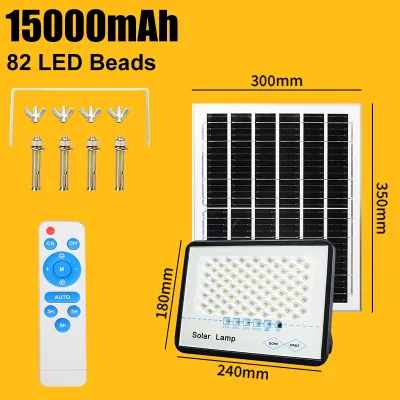
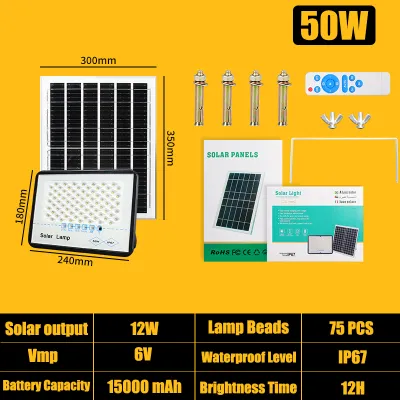
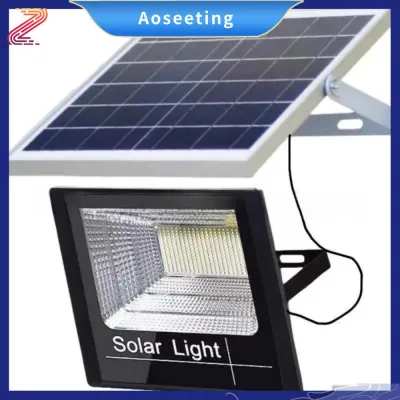
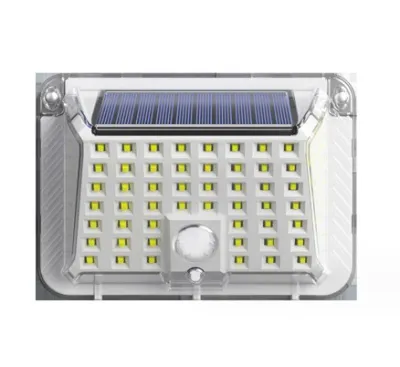
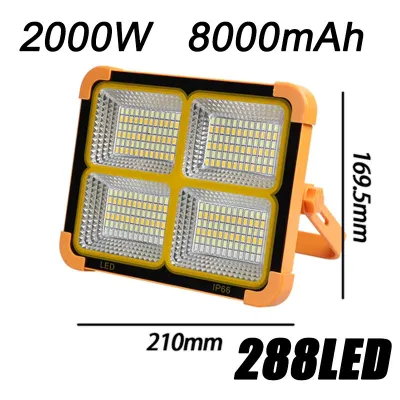
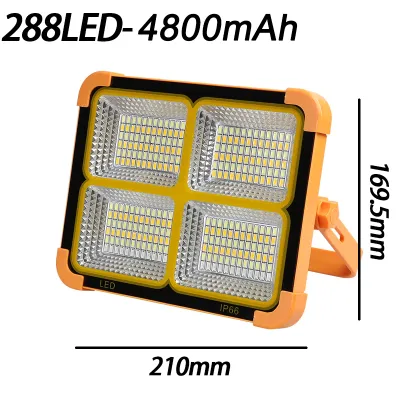
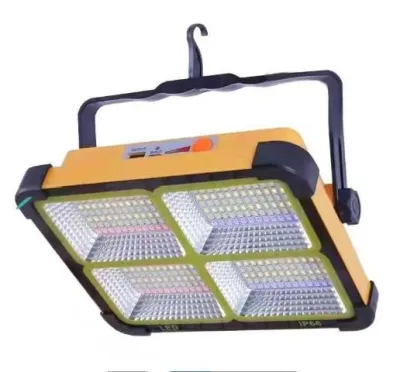
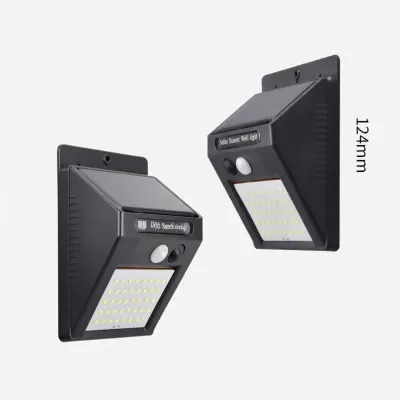
Prices are valid at publication and may change. Please refer to the product page for the latest price.
To verify weatherproofing, look for certified Ingress Protection (IP) ratings. A reliable solar flood light intended for security use should carry a minimum rating of IP65, which indicates complete protection against dust and resistance to low-pressure water jets. For areas highly exposed to driving rain and monsoonal storms, brands offering IP66 or IP67 ratings provide an extra layer of security. These ratings represent standardized testing that reputable manufacturers undergo to prove their seals, gaskets, and cable entry points can keep moisture out over years of service.
Battery management is another critical indicator of brand reliability. Premium brands utilize Lithium Iron Phosphate (LiFePO4) batteries rather than standard Lithium-ion (Li-ion) or older Lead-Acid chemistries. LiFePO4 batteries are highly stable, offer superior thermal performance in hot climates, and can withstand thousands of charge-discharge cycles before their capacity begins to degrade. When evaluating a brand, look for explicit details regarding battery chemistry, capacity, and the inclusion of a Battery Management System (BMS) that prevents overcharging, over-discharging, and overheating.
Finally, a brand’s commitment to customer support and warranty terms speaks volumes about its product’s expected lifespan. Reliable manufacturers operating in Singapore typically offer a comprehensive warranty of at least one to two years, backed by a local distributor or dedicated customer service channel. This local presence is crucial; it ensures that if you encounter a manufacturing defect or a premature battery failure, you can easily obtain a replacement or technical assistance without dealing with international shipping fees or unresponsive overseas sellers.
Understanding Sensor Technologies for Security Needs
An effective security flood light must detect movement accurately without draining its battery on false alarms. Brands generally utilize one of two primary sensor technologies: Passive Infrared (PIR) or microwave sensors. PIR sensors work by detecting changes in infrared radiation, which corresponds to heat emitted by humans, animals, or vehicle engines. Because they rely on heat signatures, PIR sensors are highly effective at ignoring wind-blown foliage, falling rain, and moving shadows. However, they can have slight blind spots if an intruder walks directly toward the sensor rather than across its field of view, and their range can decrease slightly on exceptionally hot afternoons.

Microwave sensors emit high-frequency electromagnetic waves and analyze the reflected signals to detect motion. This technology is incredibly sensitive and provides highly consistent detection regardless of ambient temperature. Microwave sensors can cover a wider area and even detect motion through thin barriers like glass, wood, or plastic. However, this extreme sensitivity can be a double-edged sword in a residential Singapore setting. A microwave sensor mounted near a garden or driveway may be constantly triggered by swaying tree branches, heavy rain, or small animals, causing the light to remain on unnecessarily and rapidly depleting the battery before morning.
To balance security coverage with energy conservation, reputable brands design intelligent multi-mode lighting profiles. Rather than simply turning on and off, a reliable system might offer a low-intensity “dim” mode (e.g., 10% brightness) from dusk to dawn, which instantly ramps up to 100% brightness for 30 seconds when the sensor detects motion. Other profiles include a pure motion-activation mode, where the light remains completely off until triggered, or a timed constant-on mode for the first few hours of the evening followed by motion-sensor operation for the rest of the night.
The integration between the sensor and the light’s controller is what truly separates high-quality brands from budget options. Advanced systems feature smart controllers that monitor the battery’s state of charge in real-time. If the battery is low due to consecutive cloudy or rainy days, the controller will automatically scale down the maximum brightness or shorten the sensor’s active duration to ensure the light remains functional for basic security throughout the night.
Verifying Product Specifications and Certifications
One of the most common pitfalls when purchasing solar flood lights is falling victim to inflated specifications. Many unbranded products advertised online claim astronomical wattages, such as “500W” or “1000W,” which are physically impossible for a self-contained solar fixture. In the lighting industry, wattage represents power consumption, not light output. To verify a brand’s true performance, you should focus on the lumen rating, which measures the actual visible light emitted. A reliable brand will provide a realistic lumen output (typically ranging from 500 to 3,000 lumens for residential security) and back this claim up with details about the specific LED chip array used.
Beyond lumens, you must verify the electrical safety and quality certifications of the product. Even though solar flood lights operate on low-voltage direct current (DC) and do not pose the same high-voltage shock hazards as mains-powered lighting, the battery charging process still requires strict safety controls. Look for international safety certifications such as CE, RoHS, or FCC marks on the product packaging or manufacturer’s documentation. These marks indicate that the electronic components, soldering materials, and battery integration comply with strict environmental and safety standards, reducing the risk of electrical shorts or thermal runaway in Singapore’s hot climate.
The solar panel itself is a critical component that requires careful verification. High-quality brands almost exclusively use monocrystalline silicon solar panels, which offer the highest energy conversion efficiency (typically between 18% and 22%). Monocrystalline panels perform significantly better than cheaper polycrystalline panels (which have a speckled blue appearance and lower efficiency of 15% to 17%) under partial shade or overcast skies. Since Singapore frequently experiences cloud cover, investing in a brand that utilizes high-efficiency monocrystalline panels ensures your battery receives the maximum possible charge even on gloomy days.
When reviewing the battery specifications, look for the nominal voltage (usually 3.2V for LiFePO4 or 3.7V for Li-ion) and the capacity expressed in Watt-hours (Wh) or Ampere-hours (Ah). To determine if the solar panel and battery are properly matched, you can use a simple ratio: a reliable system should have a solar panel wattage high enough to fully charge the battery within 6 to 8 hours of direct sunlight. If a brand advertises a massive battery capacity but pairs it with a tiny, low-wattage solar panel, the battery will rarely reach a full charge, leading to poor performance and accelerated battery degradation over time.
Installation and Maintenance Considerations by Brand Type
The physical installation of a solar flood light plays a massive role in its long-term reliability. Because the solar panel and the light fixture are often separate units connected by a cable, you must evaluate the quality of the mounting hardware provided by the brand. Reliable brands include heavy-duty, rust-resistant brackets (ideally made of stainless steel or hot-dip galvanized steel) and robust expansion bolts suitable for mounting on concrete, brick, or external plaster walls. Cheap, flimsy brackets can bend or rust quickly, causing the solar panel to shift its angle during strong winds or heavy rain, which reduces its solar exposure and compromises security coverage.
Safety must always be your top priority during installation. If you are mounting the flood light or solar panel at a significant height, such as on a roofline, high wall, or balcony, ensure you use stable, secure ladders or scaffolding and have an assistant present. While solar lights operate on safe low-voltage DC power, you must still exercise extreme caution if installing them near existing mains-voltage wiring or outdoor power outlets. Always isolate the power to any nearby electrical circuits before working close to them. If your installation requires routing cables through walls, integrating the system with existing home automation, or mounting heavy fixtures on high structures, do not hesitate to hire a qualified professional or licensed electrician to ensure a safe and secure setup.
Maintenance is another area where brand design makes a noticeable difference. Over time, Singapore’s humid air, dust, traffic soot, and bird droppings can create a film over the solar panel’s glass surface. This accumulation blocks sunlight and can reduce charging efficiency by 20% or more. To maintain optimal performance, establish a regular cleaning schedule every three to six months. Use a soft, non-abrasive microfiber cloth or sponge with clean water to gently wipe down the panel. Avoid using harsh chemical detergents, abrasive scrubbing pads, or high-pressure washers, as these can scratch the tempered glass or damage the waterproof seals around the panel frame.
Finally, consider the long-term serviceability of the light fixture. Eventually, even the highest-quality battery will reach the end of its lifespan and need replacement. Some brands design their flood lights with easily accessible, gasket-sealed battery compartments that allow you to swap out the old cells using standard tools. Other brands seal the entire housing with permanent adhesive, making battery replacement impossible without destroying the fixture’s waterproofing. Choosing a brand that supports user-replaceable batteries not only saves you money in the long run but also reduces electronic waste, making it a far more sustainable choice for your home security setup.
Frequently Asked Questions (FAQ)
Do higher-priced solar flood light brands always offer better security performance?
Price is not a universal guarantee of superior security performance, but extremely cheap options almost always compromise on critical components. A very low-priced solar light typically uses low-grade plastics that degrade under Singapore’s intense UV rays, inefficient polycrystalline solar panels, and low-capacity batteries that fail to last through the night. However, you do not necessarily need to purchase the most expensive smart-enabled models to secure your property. Many mid-range brands focus their engineering budgets on core reliability—such as robust aluminum housings, high-efficiency monocrystalline panels, and reliable PIR sensors—offering excellent security performance and weather resistance without the added cost of complex app integrations or proprietary smart home features.
How can I test a solar flood light's sensor reliability before permanent installation?
Before drilling holes into your exterior walls, it is highly recommended to perform a two-step testing process to verify the system’s functionality. First, conduct a daytime charging test by placing the solar panel in direct, unobstructed sunlight for a full day while keeping the light fixture disconnected or switched off. Once fully charged, connect the light to the panel in a completely dark room to verify that the battery holds a charge and the LEDs illuminate at full brightness. Second, perform a temporary height test by holding or temporarily mounting the fixture at your intended installation height. Walk across the detection zone at various angles and distances to calibrate the sensor’s sensitivity, adjust the physical angle of the sensor head, and ensure it triggers reliably for human movement while ignoring minor background disturbances like swaying plants.

Community discussion
Share your experience or ask a question. Comments are reviewed before publication.