
Finding a reliable, stylish table clock under S$50 in Singapore is entirely feasible if you know what specifications to prioritize. With a wealth of options available across local retail stores and online marketplaces, the key lies in distinguishing between superficial designs and durable internal mechanisms. By focusing on build materials, movement types, and power configurations, you can secure a timepiece that complements your interior decor while offering dependable timekeeping.
Defining Your Priorities for a S$50 Table Clock
When shopping within a S$50 budget, you must first decide whether your primary goal is aesthetic appeal or technical functionality. Minimalist analog clocks often prioritize clean lines, silent sweep hands, and classic materials like wood composites or matte-finished plastics, making them excellent decorative accents. On the other hand, digital models at this price point tend to offer practical features such as temperature displays, multiple alarms, and adjustable backlights, though they may feature more utilitarian plastic casings.
Consider where the clock will sit in your home. In Singapore, where space optimization is key in HDB flats and condominiums, a bedside table clock needs a compact footprint that leaves room for phones, glasses, or a cup of water. For a study desk or living room shelf, you might opt for a slightly larger face that is easily readable from across the room. Measuring your available surface area beforehand prevents purchasing a clock that crowds your space.
Products mentioned in this guide
![[Powermatic] CASIO TQ-140-1B MINI TRAVELLERS BEEPER SOUND ALARM TABLE CLOCK](https://img.lazcdn.com/g/p/127da21fd62f01c85f6d095258e86296.jpg_400x400q80.jpg_.webp)
![[Watchspree] Casio Standard Travellers Black Resin Table Clock TQ142-1D TQ-142-1D TQ-142-1](https://img.lazcdn.com/g/p/4f095bb62427d4ec421506c1230311a0.jpg_400x400q80.jpg_.webp)
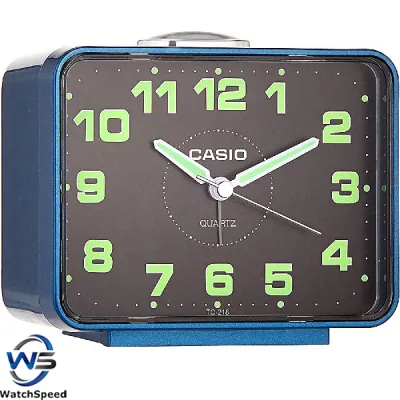
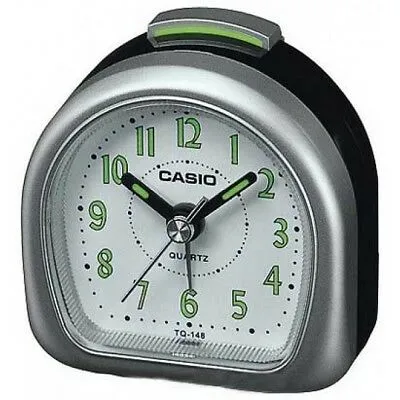
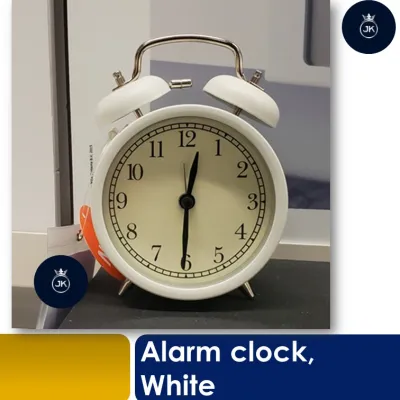
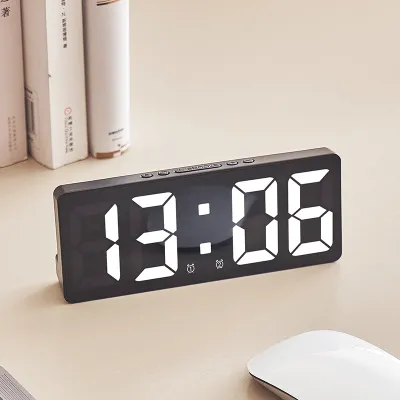

Prices are valid at publication and may change. Please refer to the product page for the latest price.
Material quality under S$50 varies widely. You can expect high-grade ABS plastics, lightweight aluminum accents, or medium-density fiberboard (MDF) with wood-grain veneers. While solid hardwood or heavy brass are rare in this price bracket, well-engineered synthetic materials offer excellent durability and are highly resistant to the humid tropical climate of Singapore, which can sometimes warp untreated natural woods.
Key Specifications to Check Before Buying
The internal movement is the heart of any analog table clock. Quartz movements are the standard for budget-friendly timepieces, offering exceptional accuracy with minimal maintenance. When browsing, pay close attention to whether the clock features a traditional ticking step movement or a continuous sweeping movement. Sweeping hands move smoothly around the dial and eliminate the repetitive clicking sound that can disrupt sleep or concentration.

Power source compatibility is another critical factor. Battery-operated clocks using standard AA or AAA batteries offer maximum portability, allowing you to place the clock anywhere without worrying about cable management. If you choose a digital clock powered via USB or mains electricity, verify the interface type and voltage requirements. Ensure the clock is compatible with standard 5V USB ports or local 230V power outlets, and check if a safety-certified adapter is included or if you must supply your own.
Noise levels can make or break your satisfaction with a bedside clock. Many manufacturers label their products as “silent,” but it is wise to verify this claim by checking user feedback specifically mentioning bedroom use. True silent clocks utilize specialized gear designs that minimize friction, ensuring the mechanism remains imperceptible even in a quiet room during the middle of the night.
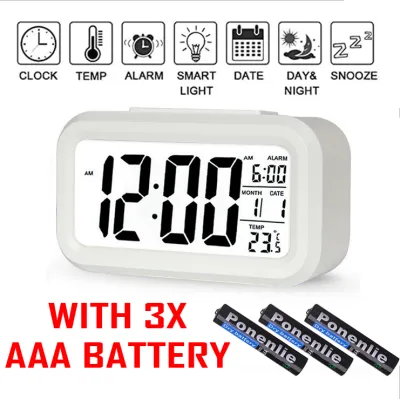
Display readability is essential for both day and night use. For analog clocks, high-contrast hands and clear numerals are vital. For digital displays, look for adjustable brightness settings or a “smart” backlight that activates only when the room darkens or when you tap the top of the clock. This prevents the display from casting an intrusive glare across your bedroom while still allowing you to check the time effortlessly in the dark.
Where to Look and How to Verify Quality
Finding a quality table clock in Singapore involves exploring both physical retail and digital spaces. Local department stores and home decor boutiques allow you to inspect the build quality, weight, and finish of the clocks in person. If you prefer the convenience of online marketplaces or brand official stores, you gain access to a wider variety of designs, but you must rely on digital verification methods to ensure you are getting a reliable product.
To verify quality online, read user reviews critically. Look past the overall star rating and filter for reviews from verified purchasers who have used the clock for several months. Pay attention to recurring complaints regarding rapid battery drain, inaccurate timekeeping, or fragile adjustment knobs. Photos and videos uploaded by actual buyers often provide a much more realistic representation of the clock’s color, size, and material finish than polished promotional images.
Protect your S$50 investment by checking the seller’s policies before finalizing your purchase. Look for reputable sellers with high positive ratings and clear return policies. A basic warranty of three to six months is common for reputable budget brands and provides peace of mind against manufacturing defects. Ensure you understand the process for returning a defective item, as clear customer service channels are a strong indicator of a reliable merchant.
Hidden Costs and Budget Traps to Avoid
While a table clock may have a list price under S$50, additional fees can easily push your total expenditure over budget. When shopping on e-commerce platforms, factor in shipping costs, which can vary depending on whether the item is shipped locally or from overseas warehouses. Look for platform vouchers, free shipping tiers, or minimum spend thresholds that can help offset these delivery charges.
The ongoing cost of ownership is another factor to keep in mind. Some digital clocks with bright, always-on displays consume batteries rapidly, requiring replacements every few weeks. If you choose a battery-powered model, opt for energy-efficient LCD or analog movements that can run for up to a year on a single standard battery. Investing in rechargeable batteries can also lower your long-term costs while reducing environmental waste.
Finally, review the return shipping terms carefully. If a clock arrives damaged or fails to match the advertised specifications, some sellers require the buyer to cover the cost of return postage. For an item under S$50, high return shipping fees can make returning the product economically impractical. Choosing local sellers or platforms that offer free, hassle-free returns protects you from being stuck with a faulty or disappointing product.
Frequently Asked Questions (FAQ)
Do budget table clocks consume a lot of electricity?
No, budget table clocks are generally highly energy-efficient. Analog quartz clocks and simple LCD digital clocks draw minimal power, often running for a year or more on a single AA or AAA battery. Digital clocks with LED displays or continuous backlights do consume more power, which is why they are typically designed to be plugged into a USB port or mains outlet. If run solely on batteries, these LED models usually feature a power-saving mode that turns the display off after a few seconds, requiring a tap or sound activation to wake up and conserve battery life.
How can I clean a table clock without damaging it?
To clean your table clock safely, always start by removing the batteries or disconnecting the power cable to prevent electrical issues. Use a dry, soft microfiber cloth to gently wipe away dust from the outer casing and the protective glass or plastic cover. For stubborn smudges on plastic, metal, or wood composite surfaces, slightly dampen the cloth with water, ensuring it is not dripping wet. Avoid using harsh chemical cleaners, alcohol, or abrasive pads, as these can strip away painted finishes, scratch the display, or seep into the internal movement and cause permanent damage.
Community discussion
Share your experience or ask a question. Comments are reviewed before publication.