
Finding the perfect Japandi-style pendant light ceiling fixture for your Singapore home requires balancing the rustic warmth of Japanese design with the clean, functional lines of Scandinavian style. Because Singaporean homes—ranging from cozy HDB flats to spacious condominiums—have distinct ceiling heights and environmental conditions, selecting the right fixture goes beyond simple aesthetics.
To secure a piece that elevates your space, you must evaluate material durability under tropical humidity, verify local electrical safety standards, and calculate precise proportions. This guide provides a comprehensive framework to help you identify authentic designs, size your fixtures accurately, and navigate the local purchasing and installation process safely.
Identifying Authentic Japandi Design Traits
Japandi design is a harmonious fusion of two distinct yet deeply compatible philosophies: Japanese wabi-sabi, which finds beauty in imperfection and natural simplicity, and Scandinavian hygge, which emphasizes warmth, comfort, and functional minimalism. When searching for a pendant light ceiling fixture that embodies this style, look for clean, organic silhouettes that prioritize understated elegance over ornate decoration.
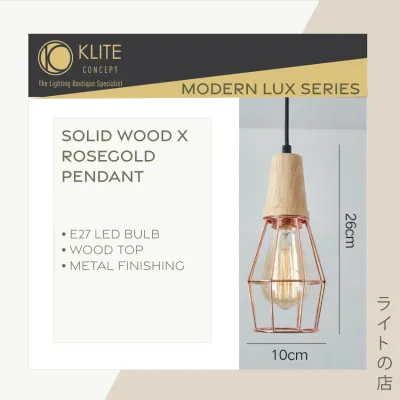
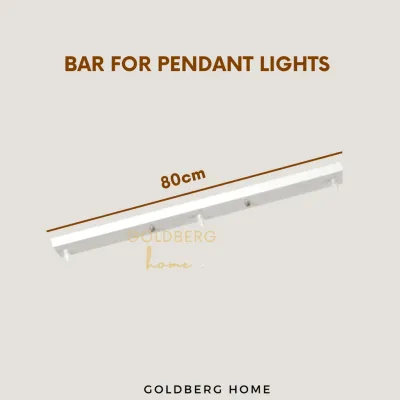
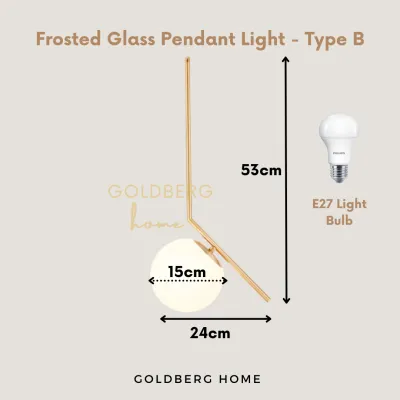
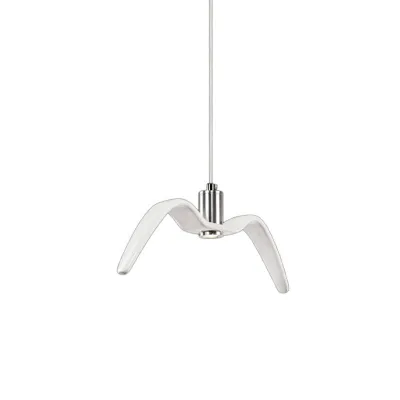
Products mentioned in this guide
![[SG Stock] Nordic Glass & Iron Chandelier Ceiling Light Modern Pendant Light Dining Light LED Dimmable 10-14 Inch](https://img.lazcdn.com/g/p/d8df39f7c886cb188cf8caccec219082.jpg_400x400q80.jpg_.webp)
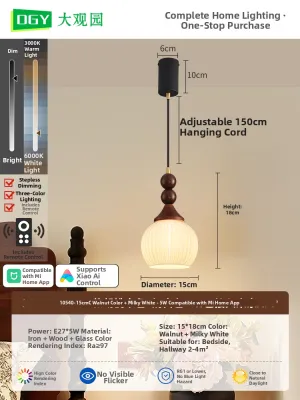
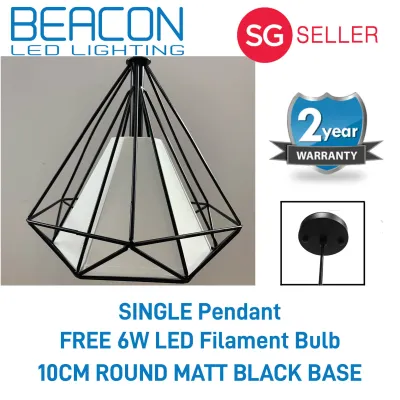
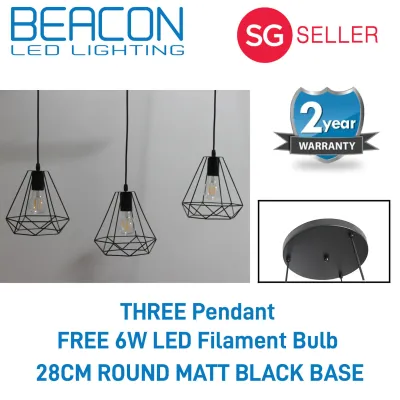
Prices are valid at publication and may change. Please refer to the product page for the latest price.
Authentic Japandi fixtures avoid complex metalwork, shiny chrome finishes, or intricate crystal embellishments. Instead, they opt for geometric shapes like soft spheres, domes, wide cones, or gently curved asymmetrical forms. These shapes create a sense of calm and order, allowing the light to integrate seamlessly into the surrounding architecture.
The color palette of a genuine Japandi pendant light is deeply rooted in nature. Expect to see muted tones, warm neutrals, matte finishes, and earthy shades such as charcoal, soft cream, sand, terracotta, and pale oak. These colors are designed to anchor a room, creating a serene, calming atmosphere rather than drawing aggressive attention to the fixture itself.
The visual weight of the light should feel balanced. It should look light and airy when suspended, yet possess a grounded, tactile presence through its material texture. By focusing on these core visual markers, you can easily filter out generic modern or purely rustic fixtures that do not align with the refined, minimalist ethos of Japandi interiors.
Sizing and Proportioning Your Ceiling Fixture
Achieving the perfect visual balance in your living space requires careful measurement of both the pendant light ceiling fixture and the room it inhabits. A fixture that is too large can overwhelm a room, while one that is too small will look lost and fail to provide adequate illumination.

To determine the ideal diameter for a central pendant light, a common design guideline is to measure the length and width of the room in meters, add those two numbers together, and multiply the sum by ten to get the approximate fixture diameter in centimeters. For example, a room measuring 3 meters by 4 meters would benefit from a pendant light with a diameter of approximately 70 centimeters.
When hanging a pendant light over a dining table or kitchen island, the proportions must shift to relate directly to the furniture below. The width of the pendant shade should ideally be about one-half to two-thirds the width of the table or island surface to maintain a balanced silhouette.
For hanging height, the bottom of the pendant shade should sit approximately 75 to 90 centimeters above the tabletop. This height ensures that the light source does not block your line of sight across the table while preventing glare from shining directly into the eyes of seated guests.
In Singapore, ceiling heights vary significantly depending on the property type, which directly influences your choice of cord length and fixture drop. Standard HDB flats typically feature a ceiling height of approximately 2.6 meters, whereas condominiums and landed properties often range from 2.8 meters to over 3 meters.
For a standard HDB ceiling, a low-hanging pendant can pose a head-clearance hazard in high-traffic walkways. In these spaces, keep the bottom of the fixture at least 2.1 meters above the floor.
For installations over dining tables where foot traffic is not an issue, longer cord drops can safely create an intimate focal point. Always verify that the fixture features an adjustable cord to customize the drop length precisely.
Assessing Natural Materials and Build Quality
The soul of Japandi design lies in its materials, which celebrate the raw, tactile beauty of the natural world. Authentic Japandi pendant lights frequently feature shades crafted from rattan, bamboo, solid wood, linen, or traditional washi paper.
When evaluating these fixtures, it is crucial to distinguish high-quality natural materials from cheap synthetic imitations. Genuine wood should show natural grain variations and be free of heavy, high-gloss synthetic varnishes that mask its texture.
Washi paper shades should have a consistent fiber density that diffuses light evenly, while woven rattan and bamboo should display tight, uniform weaves without loose ends or fraying fibers. These details ensure that the fixture looks refined both when illuminated and when turned off.
Structural integrity is another vital consideration, especially for woven or assembled shades. Inspect the internal frame of the pendant light; it should be constructed from sturdy, powder-coated metal or solid wood joints that can support the weight of the shade without warping over time.
Check how the electrical cord and socket assembly connect to the shade. The weight of the fixture must be fully supported by a dedicated strain-relief clamp or a structural cable, rather than hanging directly from the copper electrical wires, which poses a severe safety hazard.
Singapore’s tropical climate, characterized by high humidity and warm temperatures, presents unique challenges for natural materials. Untreated wood, raw rattan, and delicate paper can absorb moisture from the air, leading to mold growth, warping, or structural sagging.
When selecting a natural fiber pendant light ceiling fixture, verify whether the material has been treated with a moisture-resistant, matte protective coating. For high-humidity areas like kitchens or semi-outdoor balconies, consider choosing high-quality composite materials or treated timbers that mimic the look of natural wood while offering superior resistance to moisture and environmental wear.
Selecting the Right Light Quality and Bulbs
The ambiance of a Japandi space is defined by soft, warm, and diffused illumination that evokes a sense of calm and comfort. To achieve this effect, the choice of light bulb and color temperature is just as important as the design of the fixture itself.
For living areas, bedrooms, and dining spaces, opt for warm white light bulbs with a color temperature between 2700K and 3000K. This warm spectrum enhances the natural tones of wood, rattan, and paper, making the room feel inviting and cozy.
Avoid cool white or daylight bulbs (above 4000K) in these areas, as they can make natural materials look washed out and create a sterile, clinical atmosphere. Reserve cooler temperatures for dedicated utility spaces where high-visibility task lighting is required.
Before purchasing, verify the manufacturer’s specifications regarding bulb base types (such as E27 or E14), maximum wattage limits, and dimming capabilities. Ensure your LED bulb does not exceed the maximum wattage rating, especially for enclosed paper or fabric shades that trap heat. This check is vital for preventing heat damage to delicate natural fibers.
If you plan to adjust light levels, confirm that both the fixture’s socket and your LED bulb are compatible with your home’s wall dimmer.
The way a shade diffuses light determines the overall visual comfort of the room. Washi paper and fine linen shades act as excellent diffusers, softening the light and spreading it evenly across the space to eliminate harsh shadows and direct glare.
Woven rattan and bamboo shades, on the other hand, create dynamic patterns of light and shadow on the walls. While this can add beautiful texture to a dining room, it may not provide sufficient, uniform light for tasks like reading or cooking.
If you choose a woven fixture, consider pairing it with a bulb that has a frosted envelope to soften the light output. Alternatively, you can supplement the space with secondary task lighting such as floor lamps or recessed spotlights.
Navigating Electrical Safety and Installation
Installing a new pendant light ceiling fixture requires strict adherence to electrical safety standards. In Singapore, where the standard residential supply is 230V/50Hz, you must verify that any imported fixture is rated for this voltage. Look for recognized safety certifications, such as the local Safety Mark, which indicates the electrical components are approved for safe domestic use.
The physical weight of the pendant light is another critical safety factor. Heavier fixtures, such as those crafted from solid timber or featuring multi-light clusters, require robust ceiling support. Standard plastic junction boxes may not be rated to support heavy suspended loads.
Before installation, check the manufacturer’s specified weight of the fixture and compare it against the load-bearing capacity of your ceiling point. If the fixture is exceptionally heavy, it may need to be anchored directly into the concrete ceiling slab using expansion bolts rather than relying solely on the plasterboard or false ceiling structure.
For any installation involving fixed wiring, creating new electrical points, or working at heights, it is highly recommended to stop DIY efforts and engage a licensed electrical worker (LEW). A qualified professional will ensure that the power is safely isolated at the main distribution board before commencing work.
The electrician will also verify that the earthing connections are secure and mount the fixture using appropriate structural anchors. This professional boundary is essential to prevent electrical shocks, short circuits, and accidental falls during the installation process.
Sourcing and Verifying Lighting Retailers
Finding high-quality Japandi pendant lights in Singapore involves exploring a mix of specialized lighting boutiques, home furnishing showrooms, and curated online marketplaces. While online shopping offers convenience and a vast selection, purchasing lighting fixtures sight unseen carries risks, particularly regarding material quality and scale.
Whenever possible, visit physical showrooms to inspect the fixtures in person. This allows you to touch the materials, assess the build quality, and observe how the shade diffuses light under realistic conditions.
When evaluating potential retailers, pay close attention to their customer service policies and after-sales support. Because natural materials like paper and rattan are fragile, verify the retailer’s return and exchange policies regarding transit damage or manufacturing defects.
A reputable retailer should offer a clear warranty period on the electrical components of the fixture, typically ranging from one to two years. Do not hesitate to ask the retailer for physical material samples or detailed specification sheets that outline the exact dimensions, weight, and electrical requirements of the light.
If you choose to purchase from curated online marketplaces or international platforms, exercise extra caution. Read customer reviews carefully, looking for feedback on packaging quality, shipping times, and whether the delivered product matches the advertised photos.
Avoid listings that lack detailed technical specifications or fail to state the materials used. By taking the time to verify the credentials of both the retailer and the product, you can confidently invest in a beautiful, safe, and durable Japandi pendant light that will elevate your home for years to come.
Frequently Asked Questions (FAQ)
How do I clean and maintain rattan or paper pendant shades?
To preserve the delicate beauty of natural rattan, bamboo, or washi paper shades, regular and gentle maintenance is essential. For routine cleaning, use a soft-bristled dusting brush, a microfiber cloth, or a vacuum cleaner fitted with a low-suction brush attachment to gently remove accumulated dust from the crevices of woven patterns or paper folds.
Avoid using liquid cleaners, chemical sprays, or wet cloths on untreated wood, rattan, or paper, as moisture can cause these natural fibers to swell, warp, discolor, or develop mold. If you notice signs of material degradation, persistent mold, or structural weakening, consult a professional restoration specialist or contact the manufacturer for specific care instructions.
Can I install a heavy Japandi pendant light on a false ceiling?
Installing a heavy pendant light ceiling fixture on a false ceiling requires careful structural planning to prevent the ceiling from sagging or collapsing. False ceilings, typically made of plasterboard suspended from a metal grid, are not designed to support significant concentrated loads.
If your chosen Japandi fixture is heavy, it must not be mounted directly to the plasterboard. Instead, the mounting brackets must be anchored directly into the concrete structural slab above the false ceiling using threaded rods or heavy-duty extension bolts.
Alternatively, for lighter fixtures, specialized metal toggle bolts that distribute the weight across a larger area of the plasterboard may be used, provided the total weight remains well within the ceiling manufacturer’s specified limits. If you are uncertain about the load capacity of your false ceiling or the weight of your fixture, always consult a qualified structural engineer or a licensed contractor to assess the installation site safely.
Community discussion
Share your experience or ask a question. Comments are reviewed before publication.