
Quick Answer: Approaching Figurine Brand Selection in Singapore
Finding the right figurine brand for your home in Singapore is not about finding a single “best” manufacturer, but rather matching your personal design aesthetic, budget, and material preferences with reputable makers. Because home decor is highly subjective, the ideal brand is one that aligns with your interior theme—whether that is sleek modern minimalism, classic porcelain elegance, or vibrant pop-culture art.
To ensure you are investing in genuine craftsmanship, prioritize purchasing from authorized local distributors, official brand boutiques, or established art galleries. This approach guarantees authenticity, provides access to valid warranties, and ensures the piece has been transported and stored under appropriate conditions. A successful selection process involves three fundamental steps: defining your spatial aesthetic, evaluating physical craftsmanship standards, and verifying the credentials of the seller. By focusing on these criteria, you can confidently curate a collection of high-quality sculptures that elevate your living space.
Defining Your Decor Style and Material Preferences
Integrating figurines into your home requires a clear understanding of how different styles interact with your existing interior design. For instance, minimalist spaces benefit from abstract, single-color sculptures that emphasize form over intricate detail, while classical interiors are well-suited to traditional porcelain or bronze figures that evoke historical elegance. Contemporary homes often welcome bold, pop-art figurines or stylized geometric shapes that serve as conversation starters, whereas rustic or Scandinavian themes harmonize beautifully with hand-carved wooden pieces.
Products mentioned in this guide
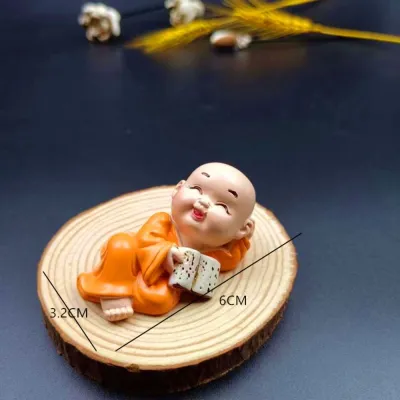
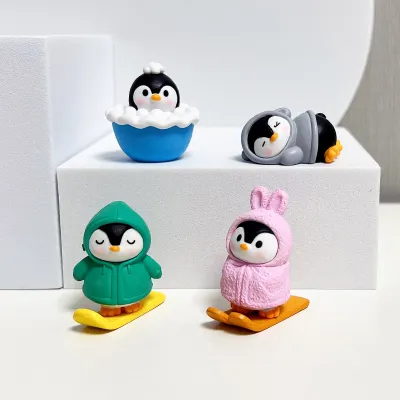
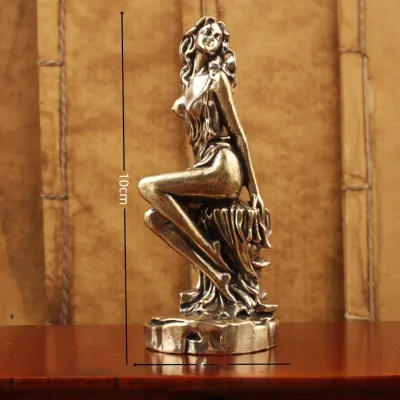
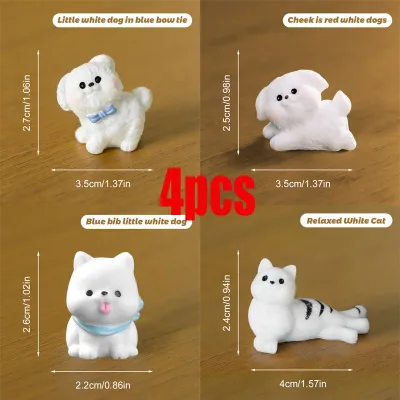
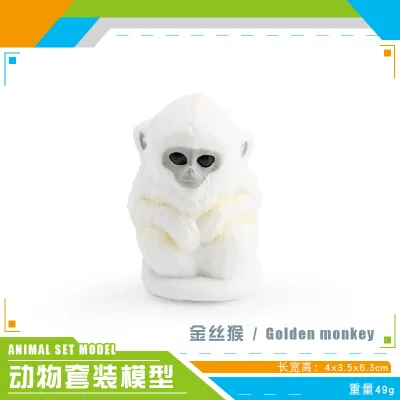
Prices are valid at publication and may change. Please refer to the product page for the latest price.

The choice of material significantly influences both the visual weight of the figurine and its long-term maintenance requirements. Porcelain and ceramic offer a classic, refined luster but are highly delicate and require careful handling to avoid chipping. Bronze and other metals provide substantial physical weight and a timeless, premium feel, though they may develop a natural patina over time. Resin has become highly popular for modern art toys and complex sculptures due to its ability to hold intricate details and vibrant colors, while glass and crystal capture and refract light beautifully, adding a sense of airy luxury to any display.
When selecting figurines, you must also consider the scale and layout of typical Singaporean residential spaces. In a standard HDB flat or condominium, space on display shelves, TV consoles, and entryway tables is often premium. A massive, heavy sculpture can easily overwhelm a compact console table, while a tiny figurine might get lost visually on a wide, open shelf. Measure the height, depth, and weight capacity of your display areas beforehand, ensuring there is ample breathing room around each piece so the display looks curated rather than cluttered.
Key Criteria for Evaluating Figurine Brands
Evaluating the quality of a figurine brand requires looking closely at the physical execution of their pieces. High-quality brands distinguish themselves through meticulous craftsmanship and finishing, which you can observe in the seamless joining of parts and the absence of visible mold lines. Paint application should be precise, with clean boundaries between different colors, smooth gradients, and no accidental drips or smudges. Sculptural details, especially in complex areas like faces, hands, or intricate drapery, should look sharp and deliberate rather than soft or blurred.
Material safety and structural integrity are equally critical factors when assessing any brand. Reputable manufacturers are transparent about the materials they use, ensuring that resins, paints, and glazes are non-toxic and stable under normal household conditions. A well-designed figurine must also have proper weight distribution; it should stand firmly on its base without wobbling or tipping over easily. Brands that incorporate weighted bases or balanced structural designs demonstrate a commitment to functional quality that protects your investment from accidental falls.
A brand’s heritage, design philosophy, and transparency offer valuable clues about its long-term worth and standing in the design community. Established brands often document their design origins, highlight the artists or sculptors behind each collection, and share details about their manufacturing processes. This level of openness not only reassures you of the item’s artistic value but also indicates that the brand respects intellectual property and original design, rather than mass-producing cheap imitations.
Finally, consider the level of after-sales support and warranty coverage provided by the brand or its authorized distributors. Premium figurine brands often offer clear policies regarding transit damage, manufacturing defects, and even repair services for accidental damage. Knowing that you can contact the manufacturer or a local representative for replacement parts or professional restoration advice adds significant peace of mind, particularly when purchasing high-value or limited-edition collector pieces.
Where to Source Reputable Figurine Brands in Singapore
Singapore offers a diverse array of physical and digital shopping avenues for sourcing authentic, high-quality figurines. High-end department stores and curated lifestyle boutiques located in major shopping districts are excellent starting points. These physical venues allow you to view the figurines in person, appreciate their true scale, examine the texture of the materials under natural light, and experience the curated styling setups designed by professional visual merchandisers.
For specific international brands, visiting official brand boutiques or verified local authorized dealers is highly recommended. Purchasing through these official channels is the most reliable way to guarantee that your figurine is authentic and eligible for any manufacturer warranties or after-sales services. Authorized dealers also have direct access to the brand’s complete catalog, allowing you to place special orders for rare or upcoming releases that may not be widely available on the open market.
If you are searching for unique, one-of-a-kind, or limited-edition pieces, exploring local art galleries and artisan markets can yield exceptional results. These spaces showcase works by independent sculptors and local artists, offering distinct designs that add personal character to your home. Buying from galleries also allows you to learn more about the artist’s background and the specific story behind the creation of the piece, transforming your decor into a meaningful narrative.
For those who prefer the convenience of online shopping, official online brand stores and established ecommerce platforms provide access to global collections. When purchasing online, it is vital to verify the seller’s credentials, read customer reviews regarding packaging quality, and carefully review the return and refund policies. Ensure the seller guarantees secure, double-boxed packaging with custom foam inserts, as delicate figurines require maximum protection against the vibrations and impacts of transit.
Verifying Authenticity and Quality Before Purchase
To protect your investment, it is essential to perform a thorough inspection of the figurine and its documentation before finalizing your purchase. Genuine pieces from reputable brands almost always feature physical markers of authenticity. Look for official brand hallmarks, engraved artist signatures, or stamped logos on the underside of the base. Many high-end or limited-edition figurines also come with a physical certificate of authenticity, a matching serial number on both the piece and the packaging, or interactive digital verification tags.
Assessing the physical and structural integrity of the individual piece on display is another crucial step. Carefully inspect the surface for hairline cracks, tiny chips, or glaze imperfections that might have occurred during shipping or handling. Place the figurine on a completely flat surface to verify that the base is level and does not rock. If the figurine consists of multiple interlocking components, ensure they fit together snugly without forcing or leaving uneven gaps.
The quality of the packaging is often a direct reflection of the product’s authenticity and overall quality. Premium brands invest heavily in designing secure, custom-molded packaging—often using high-density foam or custom-cut styrofoam inserts that match the exact contours of the sculpture. The outer box should feature crisp, high-resolution printing, official branding, and accurate product information. Retaining this original packaging is highly recommended, as it protects the figurine during future moves and preserves its resale or collector value.
Be vigilant against common red flags that indicate counterfeit products or low-quality imitations. An unusually low price that seems too good to be true is often the first sign of a counterfeit, especially for brands known for limited production runs. Other warning signs include missing or poorly printed documentation, generic packaging without official logos, lightweight or flimsy materials where solid resin or ceramic is expected, and unauthorized third-party sellers operating on unverified online marketplaces.
Displaying and Maintaining Your Figurines
Proper placement is the first line of defense in preserving the beauty and structural integrity of your figurines. Avoid placing delicate sculptures in areas exposed to direct sunlight, as prolonged ultraviolet exposure can fade vibrant paint pigments, yellow clear resins, and degrade certain plastics or woods. High-humidity zones, such as areas near open windows during rainy seasons or bathrooms, should also be avoided for materials prone to moisture damage, such as unglazed ceramics, metals susceptible to corrosion, or untreated wood. Ensure your display shelves are sturdy, level, and positioned away from high-traffic pathways where they could be easily bumped.
Routine maintenance should be gentle and non-abrasive to prevent scratching or wearing down the surface finish. Use a clean, dry, ultra-soft microfiber cloth or a soft-bristled makeup brush to gently sweep away dust from intricate crevices. Avoid using household chemical cleaners, glass sprays, or abrasive scrubbing pads, which can strip away protective glazes, dissolve delicate paint layers, or scratch polished surfaces. Always refer to the manufacturer’s specific care label or instruction manual before applying any liquid or damp cloth to the figurine.
Safe handling practices are essential whenever you need to move, clean, or rearrange your collection. Always wash and thoroughly dry your hands before touching the figurines to prevent transferring natural skin oils, lotion residues, or dirt to the surface. When lifting a piece, use both hands to support it from its sturdiest base or main body, rather than grabbing it by delicate protruding parts like arms, wings, or thin decorative elements that are highly vulnerable to snapping under pressure.
For valuable, antique, or severely damaged figurines, attempting a do-it-yourself repair can often cause irreversible damage and drastically reduce the item’s value. If a cherished piece suffers a break, collect all the broken fragments carefully and store them in a soft container. Instead of using standard household superglue, which can yellow and damage materials over time, consult a qualified professional art conservator or contact the original manufacturer’s customer support team for professional restoration recommendations.
Frequently Asked Questions (FAQ)
How can I tell if a figurine is hand-painted or mass-produced?
You can identify a hand-painted figurine by looking closely for subtle, natural variations in the paint application. Hand-painted pieces often exhibit slight differences in brush stroke direction, minor variations in color blending, and delicate shading that feels organic rather than mechanical. In contrast, mass-produced figurines typically feature perfectly uniform, flat colors with sharp, printed-on decals, and you may notice faint, raised mold lines running along the sides of the piece where the factory molds joined. Additionally, checking the manufacturer’s documentation or certificate of authenticity will often explicitly state if hand-finishing or hand-painting was part of the production process.
Are resin figurines less durable than porcelain or ceramic?
Resin and porcelain have different physical properties, meaning durability depends entirely on the type of impact or environment. Resin is generally much more shatter-resistant than porcelain or ceramic, making it less likely to break if accidentally tipped over on a shelf. However, resin is softer, making it more susceptible to surface scratches, and it can warp or discolor if exposed to extreme heat or direct sunlight over long periods. Porcelain and ceramic are incredibly hard and highly resistant to scratching and environmental fading, but they are extremely brittle, meaning a minor drop or impact can result in clean breaks or permanent chipping. Always consult the manufacturer’s care guidelines to understand the specific limits of your figurine’s material.
What should I do if my figurine arrives damaged from an online order?
If your figurine arrives damaged, immediately document the condition of both the shipping box and the damaged item by taking clear, high-resolution photographs and videos from multiple angles before discarding any packaging materials. Contact the retailer, official brand store, or authorized dealer within their specified return or reporting window—which is often quite short for transit damage. Provide your order details along with the photographic evidence to initiate a claim. Authorized distributors and official stores typically have robust customer protection policies that offer replacements or full refunds for transit damage, whereas unverified third-party sellers on open marketplaces may have much more restrictive or unreliable resolution processes.
Community discussion
Share your experience or ask a question. Comments are reviewed before publication.