
Finding a high-quality butter candle in Singapore requires looking beyond standard floral and woody fragrance categories and exploring the rich world of gourmand scents. While pure, unsweetened butter aromas are relatively rare on their own, rich butter notes serve as the essential, creamy foundation for many bakery, pastry, and warm dessert-themed home fragrances. To locate these comforting scents locally, you must know how to decode fragrance profiles, evaluate wax and wick performance for tropical climates, and navigate both physical boutiques and online marketplaces. By understanding what makes a premium gourmand candle, you can select a brand that delivers a warm, inviting aroma without overwhelming your living space.
Decoding the Butter Scent Profile in Fragrances
To find the perfect butter candle, it helps to understand how perfumers construct these rich, comforting aromas. Butter notes belong to the gourmand fragrance family, a category designed to mimic edible delights and culinary experiences. In candle formulation, a butter accord is rarely a single ingredient; instead, it is a carefully balanced blend of synthetic and natural aroma compounds that replicate the creamy, rich, and slightly salty characteristics of real butter. These notes are highly valued because they add a sense of weight, warmth, and texture to a fragrance, transforming a simple sweet scent into a complex, multi-dimensional sensory experience.
Within a fragrance pyramid, butter notes typically occupy the middle or base of the scent profile. Because the molecular structure of creamy accords is relatively heavy, these scents do not evaporate quickly, allowing them to linger in the air long after the candle is extinguished. When evaluating a candle’s scent description, look for terms like “creamy accord,” “salted butter,” “melted butter,” or “buttery undertones.” These indicators suggest the fragrance will have a smooth, velvety depth rather than a sharp, sugary sweetness.
Products mentioned in this guide
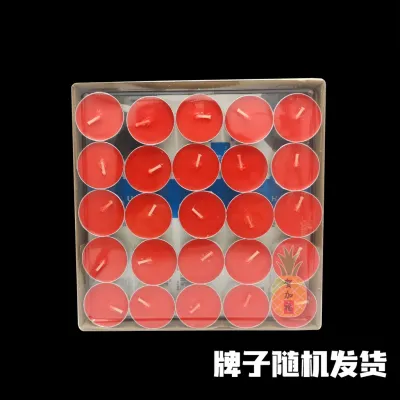
![[OKLIFE. SG]Natural Plant Ghee Candles Long Burning Prayer Butter Lamps Eco-Friendly Ghee Butter Candles](https://img.lazcdn.com/g/p/8338bd0f9e0d686d82acbeae113cd1ed.jpg_400x400q80.jpg_.webp)
![[SG Seller]Glass Jar Buddhist Prayer Candles Eco-Friendly Ghee Butter Candles Long Burning Prayer Butter Lamps](https://img.lazcdn.com/g/p/5feca5747c0712308dfcf88d3b0f65e0.jpg_400x400q80.jpg_.webp)
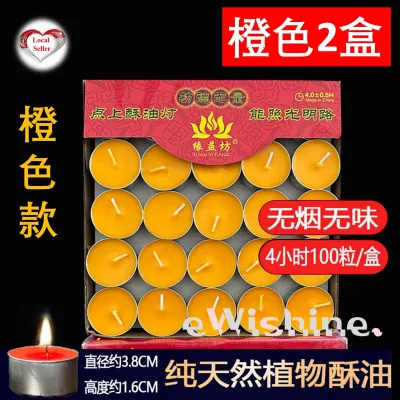
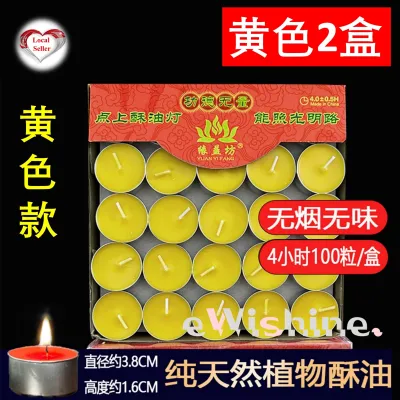
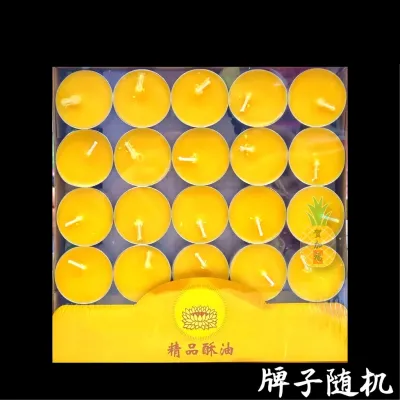
Prices are valid at publication and may change. Please refer to the product page for the latest price.
Complementary notes play a crucial role in shaping how a butter candle smells in your home. Perfumers frequently pair butter accords with warm vanilla, caramelized sugar, toasted nuts, maple syrup, or warm milk to create a balanced olfactory profile. For instance, a blend of butter and toasted sugar evokes the aroma of freshly baked pastries, while a combination of butter, sea salt, and caramel offers a sophisticated, savory-sweet balance. Understanding these pairings allows you to predict whether a candle will smell like a sweet dessert or a warm, rustic bakery.
It is also important to differentiate between pure, savory butter aromas and complex, sweet bakery-style blends. A pure butter scent focuses heavily on the rich, dairy-like, and slightly salty aspects of the ingredient, which can feel incredibly cozy but may be intense in smaller rooms. On the other hand, bakery-style blends temper the richness of butter with lighter notes of flour, yeast, fruit, or spices like cinnamon and nutmeg. Deciding which direction you prefer will help you narrow down your search when browsing different candle brands.
What to Look for When Comparing Butter Candles
When comparing butter-scented candles, the choice of wax is one of the most critical factors influencing both scent performance and burn quality. Heavy gourmand fragrances require a wax base that can successfully bind with dense fragrance oils and release them evenly when heated. Soy wax is a highly popular choice among artisanal brands in Singapore due to its clean burn and sustainable sourcing. However, because soy wax has a tighter molecular structure, it typically offers a more subtle, gradual scent release. If you prefer a highly intense, room-filling aroma, look for coconut wax or coconut-soy blends, which have a lower melting point and are known for delivering an exceptional scent throw. Paraffin blends are also highly effective at carrying heavy gourmand oils, though they require careful wick maintenance to prevent soot.

The fragrance load, which refers to the percentage of fragrance oil blended into the wax, is another key quality marker. Premium candles generally feature a fragrance load between 8% and 12%. While a higher fragrance load can result in a stronger scent, excessively high concentrations in heavy gourmand candles can sometimes cause the oil to separate from the wax, a phenomenon known as “sweating.” This is particularly common in warm, humid environments. When inspecting a candle, look for a smooth, dry surface free of oily residue, which indicates a well-formulated wax-to-fragrance ratio.
Wick selection significantly impacts how evenly a butter candle burns and how effectively it projects its scent. Cotton wicks are the industry standard, offering a reliable, steady flame that is easy to maintain. For heavy, buttery fragrances, a properly sized cotton wick ensures that the wax melts all the way to the edges of the jar, creating a wide melt pool that releases the heavy fragrance molecules. Alternatively, wood wicks provide a distinct crackling sound and often create a wider, shallower melt pool, which can enhance the scent throw. However, wood wicks require regular trimming to prevent the flame from becoming too low or producing excess soot.
Evaluating the difference between “cold throw” and “hot throw” is essential when shopping for rich, food-inspired aromas. The cold throw is the scent of the candle when it is unlit, which you experience when smelling a candle in a retail store. The hot throw is the scent projected into the room while the candle is burning. Because butter and cream notes are chemically heavy, they often require heat to fully bloom. A candle that smells intensely sweet or overwhelming on the cold throw may soften into a beautifully balanced, warm, and comforting aroma once lit, making it important to read reviews or brand descriptions regarding the lit performance.
Where to Discover Butter-Scented Candle Brands Locally
Finding specialized butter-scented candles in Singapore involves exploring a mix of physical retail spaces and online platforms. Niche home fragrance boutiques and lifestyle concept stores are excellent starting points. These shops, often located in popular shopping districts like Orchard Road or trendy neighborhoods like Tiong Bahru, curate unique collections from independent local and international artisanal brands. Visiting these physical stores allows you to experience the cold throw firsthand and speak with knowledgeable staff who can guide you toward candles featuring rich, gourmand, or bakery-inspired scent profiles.
If you prefer the convenience of online shopping, utilizing precise search strategies on ecommerce platforms and official brand websites is highly effective. Because “butter” is a specific and sometimes rare keyword, searching solely for “butter candle” might yield limited results. Instead, expand your search terms to include broader gourmand descriptors such as “bakery scented candle,” “buttercream candle,” “salted caramel candle,” “warm pastry fragrance,” or “croissant candle.” Many artisanal brands categorize their scents by collection, so looking under “gourmand,” “dessert,” or “kitchen” categories on brand websites will often lead you to the buttery profiles you desire.
Many international artisanal candle brands that specialize in unique gourmand scents offer regional shipping to Singapore or partner with local distributors. When purchasing from overseas brands, it is beneficial to look for local stockists first, as this reduces shipping costs and ensures faster delivery. If you must order directly from an international website, check if they offer specialized packaging or express shipping options to protect your purchase during transit.
Given Singapore’s tropical climate, verifying shipping policies and transit times is a crucial step when buying candles online. Wax has a relatively low melting point, and candles left in hot delivery vans or outdoor sorting facilities for extended periods can soften, warp, or experience fragrance oil separation. To minimize this risk, opt for sellers that use temperature-controlled logistics, offer express courier delivery, or provide self-collection options. Purchasing your candles during cooler periods or choosing local sellers who package their products with protective insulation can help ensure your candle arrives in pristine condition.
Your Pre-Purchase Checklist for Scented Candles
Before finalizing your purchase of a butter-scented candle, running through a quick checklist will help ensure you receive a safe, high-performing product. First, carefully read the ingredient list and safety labels. Look for candles made with high-quality, non-toxic ingredients, such as lead-free cotton or wood wicks, and fragrance oils that are free from phthalates and parabens. If you have sensitivities or allergies, verify that the fragrance components do not contain common irritants. Additionally, note that candles containing high amounts of vanillin—a common ingredient in sweet, buttery fragrances—will naturally discolor over time, turning a warm amber or brown hue. This discoloration is a normal chemical reaction and does not affect the candle’s performance or safety.
Next, review the manufacturer’s guidelines for burning and maintenance. To get the most out of your investment, which typically ranges from S$30 to S$80 for premium artisanal options in Singapore, you must follow proper burn protocols. Ensure you trim the wick to approximately 5mm before every use to maintain a clean, controlled flame. Plan to burn the candle for at least two to three hours during its first use, or until the melted wax reaches the outer edges of the container. This prevents “tunneling,” a common issue where the wax burns down the center, leaving a hard ring of wasted wax around the sides.
It is also wise to check the retailer’s return or exchange policies, particularly when buying online. Scent preference is highly subjective, and a fragrance that sounds appealing on paper may not suit your personal taste or home environment. Many reputable online candle retailers offer exchange programs for unburned, undamaged candles if you find the cold throw is not to your liking. Understanding these policies beforehand provides peace of mind when exploring new, complex gourmand scents.
Finally, consider how you will store your candle to preserve its quality in Singapore’s warm and humid climate. Store your candles in a cool, dry place away from direct sunlight, which can cause the wax to fade, melt, or lose its fragrance. Keeping the lid securely fastened when the candle is not in use helps lock in the volatile fragrance oils, preventing the scent from fading over time. If your candle does develop a slight layer of condensation or “sweat” due to humidity, simply wipe it gently with a paper towel before lighting.
Frequently Asked Questions (FAQ)
Do butter-scented candles attract insects?
A common concern with sweet, food-inspired home fragrances is whether they will attract common household pests like ants, flies, or cockroaches. Fortunately, butter-scented candles do not attract insects. While these candles smell incredibly realistic, they are formulated using synthetic and natural fragrance oils rather than actual food sugars, proteins, or fats that pests require for sustenance. Insects are not drawn to the chemical compounds used to create the aroma. To ensure a pest-free environment, simply practice standard home hygiene, keep your candle jars clean of any external debris, and store them with their lids on when not in use.
How can I test a candle's scent before buying it online?
Testing a candle’s fragrance without a physical storefront can be challenging, but several strategies can help you make an informed decision. Many artisanal candle brands offer discovery sets, tea light samplers, or wax melts at a lower price point, allowing you to test both the cold and hot throw in your home before committing to a full-sized jar. Additionally, pay close attention to the detailed scent notes listed on the product page. Rather than relying solely on the candle’s name, analyze the top, middle, and base notes to understand how the fragrance develops. Reading verified customer reviews can also provide valuable insights into the scent’s actual strength, sweetness, and accuracy.

Community discussion
Share your experience or ask a question. Comments are reviewed before publication.