
Finding a long-lasting reed diffuser in Singapore requires looking beyond brand names and focusing on the physical formulation of the scent liquid and the material of the room freshner sticks. In Singapore’s unique tropical climate—where homes frequently transition between high ambient humidity and dry, air-conditioned environments—the rate of evaporation can vary dramatically. To secure a fragrance that lasts for months rather than weeks, buyers must evaluate the carrier base, oil concentration, and reed construction.
Rather than relying on vague marketing promises, a systematic understanding of how these components interact with your home’s microclimate is the key to a sustained scent. By selecting the right combination of carrier solvents and reed materials, you can maintain a consistent scent throw without requiring frequent, costly replacements. This guide provides a practical framework to help you identify, select, and maintain high-performance diffusers tailored to Singaporean living spaces.
Key Factors That Determine Reed Diffuser Longevity
The lifespan of a reed diffuser is governed by the physical chemistry of its liquid formulation and the capillary action of its wicking sticks. The carrier liquid, which acts as the solvent for the fragrance oils, plays the most significant role in determining how quickly the mixture evaporates into the air. Many mass-market room freshner sticks utilize alcohol-based carriers, such as ethanol or isopropyl alcohol, because they are inexpensive and evaporate rapidly to provide a strong initial burst of scent. However, this high volatility means the liquid depletes quickly, often lasting only a few weeks in warm tropical temperatures.
Products mentioned in this guide
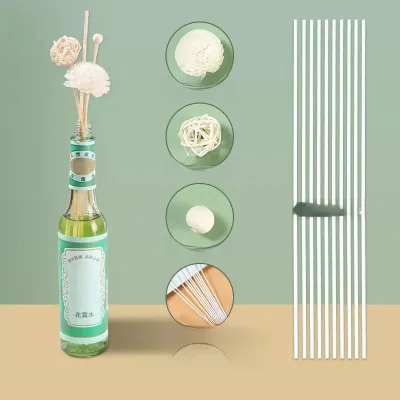
![[KIRONA SCENT] Willow Wood Reed Sticks (Set of 10pcs / 20pcs) for Aura Reed Diffuser](https://img.lazcdn.com/g/p/d3da56f72d8809402967c23226d885ee.jpg_400x400q80.jpg_.webp)
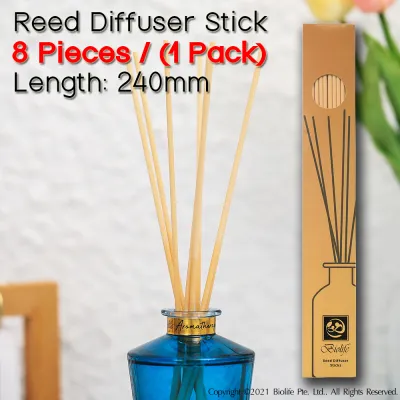

Prices are valid at publication and may change. Please refer to the product page for the latest price.
In contrast, high-quality formulations employ heavier, low-volatility carrier bases such as dipropylene glycol (DPG), isopropyl myristate, or specialty glycol ethers like Dowanol. These solvents have a much lower vapor pressure, meaning they evaporate at a slow, controlled rate. This slow evaporation ensures that the fragrance is released gradually over several months rather than escaping all at once. When evaluating products, checking for alcohol-free or glycol-based carriers is the first step in ensuring long-term performance.
Fragrance oil concentration is the second critical variable. The liquid inside a diffuser is a blend of concentrated fragrance oils (which can be natural essential oils, synthetic aromatic compounds, or a mixture of both) and the carrier solvent. Premium diffusers typically feature a fragrance oil concentration of 15% to 25%. A higher concentration ensures that even as the liquid evaporates slowly, the scent remains potent enough to fill a room. If the concentration is too low, the scent throw will weaken rapidly, leaving you with a bottle of faint, ineffective liquid that fails to scent the space.
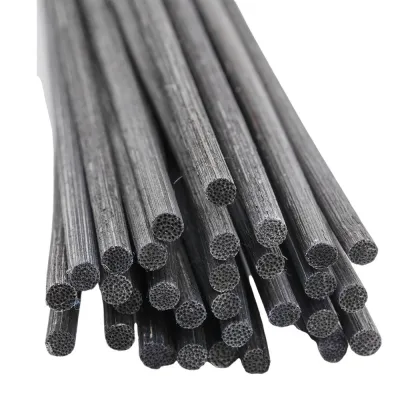
The material of the wicking sticks also dictates how efficiently the fragrance is dispersed. Traditional natural rattan reeds contain tiny, organic vascular bundles that draw the liquid upward via capillary action. While rattan provides a classic aesthetic, its natural pores can be irregular in size and are prone to clogging by dust or heavy oil molecules over time. Synthetic fiber reeds, engineered from polyester or nylon blends, feature uniform, continuous pores designed specifically for consistent wicking. Fiber reeds generally draw liquid more rapidly and offer a stronger scent throw, though they may deplete the bottle slightly faster than rattan if the oil formulation is highly fluid.
How to Evaluate Brands for Extended Scent Duration
When shopping for reed diffusers in Singapore, navigating brand claims requires a critical eye. Manufacturers often use subjective terms like “long-lasting,” “premium,” or “ultra-potent” without providing concrete specifications. To find a truly durable product, start by examining the product packaging or official technical specifications for the total liquid volume and the manufacturer’s estimated lifespan. A standard 100ml diffuser should ideally last between 6 to 12 weeks, while a larger 200ml bottle should provide consistent fragrance for 16 to 24 weeks. If a brand claims a small 50ml bottle will last for several months, this is often unrealistic under typical household conditions.

Look closely at the ingredient disclosures. Brands that openly state they use alcohol-free bases, natural soy-based solvents, or eco-friendly glycol carriers are generally more reliable choices for longevity. The absence of alcohol not only prevents rapid evaporation but also reduces the risk of the fragrance notes distorting over time. Additionally, check if the brand specifies the type of reeds included in the package. Brands that supply high-density synthetic fiber reeds or premium, wide-diameter rattan sticks are demonstrating a commitment to proper wicking performance.
Cross-referencing user reviews on local e-commerce platforms and home decor forums is an invaluable step in verifying real-world performance. When reading reviews, filter for feedback that specifically mentions the date of purchase and the remaining liquid level after several weeks. Pay close attention to reviews written by users living in Singapore, as their experiences will reflect the local humidity and temperature conditions. Look for patterns where users note that the scent remained noticeable for more than two months without requiring them to constantly flip the reeds.
Be cautious of products sold at extremely low price points, such as budget room freshner sticks found in general discount stores. These products almost exclusively rely on high-alcohol carriers and low-grade synthetic fragrances that lose their potency within days of opening. Investing in a mid-range to premium diffuser, which may range from S$30 to S$80 depending on the volume and brand, often proves more cost-effective in the long run because you will not need to purchase refills or replacements nearly as often.
Selecting the Right Room Freshener Sticks for Your Space
Optimizing the lifespan of your reed diffuser requires matching the product size and configuration to the specific dimensions and layout of your room. Placing a small 100ml diffuser in a large, open-plan living room or a home with high ceilings will result in an underwhelming scent throw. To compensate, you might be tempted to insert more reeds, which increases the surface area of evaporation and drains the bottle prematurely. For spacious areas or open-concept HDB flats, it is more efficient to use a larger 200ml or 250ml vessel, or to strategically place two smaller diffusers at opposite ends of the room to create a balanced scent canopy.
Singapore’s indoor environments present distinct challenges for fragrance longevity. In rooms that rely on natural ventilation, high ambient humidity can slow down the evaporation of the carrier oil, but constant drafts from open windows or ceiling fans can carry the scent away too quickly, forcing the reeds to wick faster to replace the lost fragrance. Conversely, in air-conditioned spaces, the air is highly dehumidified. This dry air acts like a sponge, pulling moisture and volatile oils out of the reeds at an accelerated rate. To prevent rapid depletion, avoid placing your diffuser directly in the path of air conditioning vents, open windows, or mechanical fans.
Direct sunlight is another factor that can compromise both the longevity and the quality of your diffuser oil. UV rays and heat from windows can break down the chemical bonds of the fragrance compounds, causing the oil to discolor, thicken, or lose its scent profile. The heat also warms the glass bottle, increasing the evaporation rate of the solvent. For the best results, position your diffuser in a shaded, cool area with moderate, indirect airflow, such as on a console table, a bookshelf, or a side table away from direct sunlight and heat-generating appliances.
To fine-tune the scent intensity and evaporation rate, manage the number of room freshner sticks you insert into the bottle. When opening a new diffuser, do not automatically insert all the provided reeds. Start with 3 to 4 sticks and allow them to fully saturate for 24 hours. If the scent throw is sufficient for your space, leave it as is. Using fewer sticks limits the total surface area available for evaporation, directly extending the lifespan of the liquid. If you find the scent too faint after a day, add one additional reed at a time until you achieve the desired balance.
Maintenance Tips to Maximize Fragrance Lifespan
To get the absolute most out of your reed diffuser, you must practice proper maintenance. A common mistake is flipping the reeds too frequently. While flipping the sticks provides an immediate burst of fresh fragrance, doing so too often accelerates the overall evaporation rate. Every time you flip a reed, the dry end absorbs a significant amount of oil to become saturated, while the wet end exposed to the air evaporates rapidly. To conserve your oil, limit flipping to once every one to two weeks, or only when you notice the scent throw has significantly diminished.
Over time, the exposed portions of your room freshner sticks will inevitably accumulate household dust, pet dander, and airborne grease. This accumulation clogs the microscopic pores of both natural rattan and synthetic fiber reeds, blocking the capillary action and preventing the oil from traveling upward. If you notice that the liquid level in your bottle has stopped dropping but the room no longer smells of the fragrance, your reeds are likely clogged. Instead of discarding the remaining oil, simply replace the old reeds with a fresh set of wicking sticks to restore the diffuser’s performance.
You should also monitor the physical condition of the diffuser oil itself. If the liquid begins to look unusually thick, cloudy, or dark, it may have oxidized or accumulated dust that settled back into the bottle. When refilling a glass diffuser vessel with a new batch of oil, never pour fresh oil directly onto old residue. Take the time to wash the glass bottle thoroughly with warm, soapy water, rinse it with isopropyl alcohol to remove any water spots, and let it dry completely before refilling. This prevents contamination and ensures the new oil maintains its original formulation integrity.
Finally, always handle and store your diffuser liquids with care. Fragrance oils and carrier solvents are flammable and can damage finished wood, plastic, or painted surfaces if spilled. Always place a decorative coaster, ceramic plate, or glass tray beneath your diffuser vessel to protect your furniture from accidental drips or rings. Store spare refill bottles in a cool, dark cupboard away from electrical appliances, direct sunlight, and open flames. Keep all diffuser products entirely out of reach of children and pets to ensure a safe and beautifully scented home environment.
Frequently Asked Questions (FAQ)
Can I mix different brands of reeds and diffuser oils?
Yes, you can generally mix different brands of reeds and diffuser oils, but you must pay attention to the material compatibility to avoid performance issues. Synthetic fiber reeds are highly porous and work exceptionally well with modern glycol-based or alcohol-free oils, but they may draw lighter, alcohol-heavy oils too quickly, leading to rapid depletion. Natural rattan reeds are better suited for thinner formulations but can easily clog if paired with very thick, heavy essential oil blends.
Additionally, avoid mixing different brands of diffuser liquids together in the same bottle. Different manufacturers use distinct chemical carrier bases and fragrance stabilizers. Mixing them can cause the liquids to separate, cloud, or undergo chemical reactions that alter the scent profile or cause the mixture to become gummy and clog your reeds. If you wish to switch scents or brands, always clean the glass vessel thoroughly before adding the new liquid.
Why does my reed diffuser smell weak even when the bottle is still full?
A weak scent throw from a full bottle is usually caused by clogged reeds, poor airflow, or olfactory fatigue. Over time, dust and airborne particles settle on the exposed tops of the reeds, blocking the microscopic channels that allow the oil to evaporate. If the reeds are dry to the touch or dusty, try flipping them or replacing them entirely with a fresh set of room freshner sticks.
Another common cause is a lack of air movement. Reed diffusers rely on gentle, natural air currents to carry the evaporated scent molecules across a room. If a diffuser is placed in a stagnant corner or a completely enclosed, windowless space, the scent will pool around the bottle rather than dispersing. Try moving the vessel to a high-traffic area, such as near a doorway or hallway, where physical movement creates enough airflow to distribute the fragrance. Lastly, consider olfactory fatigue; your nose may have simply adapted to the constant scent. Step out of the room for an hour, and when you return, you may find the fragrance is still active.

Community discussion
Share your experience or ask a question. Comments are reviewed before publication.