
Finding a scent diffuser that consistently fills your living space with a pleasant aroma without evaporating in a matter of weeks is a common challenge in Singapore. The combination of year-round tropical heat, high relative humidity, and the frequent cycling between air-conditioned and naturally ventilated rooms creates a demanding environment for home fragrances. Many off-the-shelf options deliver an intense burst of fragrance during the first few days, only to fade into a faint, undetectable whisper shortly after. To secure a long-lasting scent throw, you must look beyond marketing claims and evaluate the underlying chemistry, materials, and design of the diffuser system.
Achieving sustained fragrance longevity requires a systematic approach to selecting and maintaining your scent diffuser. By understanding how base solvents interact with fragrance oils, choosing the right reed materials, and adjusting your placement to suit local indoor climates, you can ensure your home remains inviting for months. This guide outlines the critical factors that dictate diffuser performance, provides a framework for evaluating brands available in Singapore, and offers practical tips to maximize the lifespan of your home fragrances.
Key Factors That Determine Scent Longevity
To understand why some scent diffusers outlast others, it is essential to examine the physical and chemical variables that govern how the liquid evaporates and travels through the air. The primary driver of longevity is the carrier liquid or base oil used in the formulation. Traditional, lower-cost diffusers often rely on alcohol or water-based carriers. Alcohol evaporates rapidly, especially in warm climates, leading to a strong initial scent throw that quickly depletes the bottle. In contrast, premium formulations utilize low-volatility glycol ethers or specialty bio-based solvents. These modern bases evaporate at a slow, controlled rate, carrying the fragrance oils evenly into the air over an extended period without leaving a heavy, unevaporated residue at the bottom of the vessel.
Products mentioned in this guide
![[Ideal Gift]SHIORA Aromatherapy Series Home Scent Reed Diffuser | 50/100ml/200ml | Essential Oil | Room Perfume | Cedarwood Citronella Lavender Lemongrass Sandalwood Peppermint](https://img.lazcdn.com/g/p/99c276969de981c83db1793b5270173c.png_400x400q80.png_.webp)
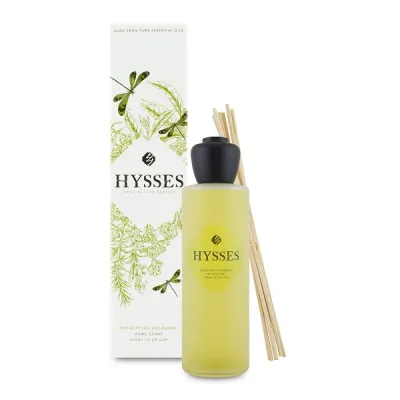
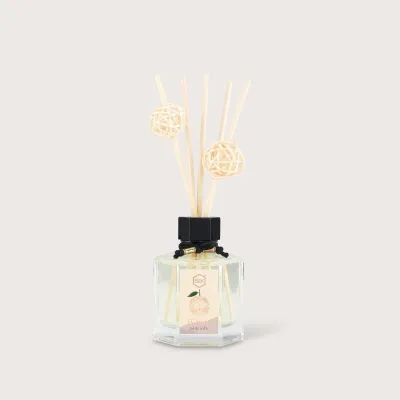
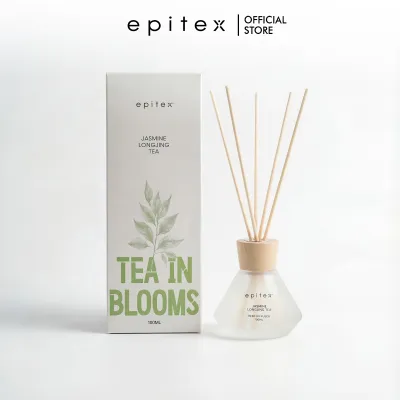
Prices are valid at publication and may change. Please refer to the product page for the latest price.
The concentration and quality of the fragrance oils dissolved in the base also play a decisive role. High-performance diffusers typically feature a fragrance oil concentration of 15% to 25%, categorizing them similarly to fine perfumes. When the concentration is too low, the scent throw becomes weak and easily overpowered by ambient household odors. Conversely, if the concentration is too high without a properly balanced carrier, the liquid becomes overly viscous, making it difficult for the reeds to draw the mixture upward.
The physical medium of diffusion—the reeds themselves—acts as the gateway for the fragrance. Natural rattan reeds contain tiny, microscopic channels or vascular bundles that draw the liquid up via capillary action. While rattan offers a classic aesthetic, these organic channels are prone to clogging over time due to dust, humidity, and heavier fragrance molecules. On the other hand, engineered synthetic fiber reeds are manufactured with highly uniform, porous structures. These fiber reeds pull the liquid upward more consistently and are less susceptible to clogging, though they may draw the liquid at a slightly faster rate, resulting in a stronger but potentially shorter-lived diffusion cycle if not managed carefully.
Finally, the physical design of the diffuser bottle itself is an often-overlooked factor in evaporation rates. A bottle with a wide, open neck exposes a larger surface area of the liquid directly to the air, allowing ambient drafts to accelerate evaporation right from the container. A well-designed diffuser vessel features a narrow neck that restricts direct air contact with the bulk liquid, forcing the evaporation process to occur almost exclusively through the exposed portions of the reeds. This simple structural detail can extend the lifespan of a scent diffuser by several weeks.
How to Evaluate Brands for Sustained Fragrance Throw
When shopping for a scent diffuser in Singapore, you will encounter a vast array of local and international brands, each claiming superior longevity. Because standardized, independent longevity ratings are rarely published, you must learn to read between the lines of product specifications and labels. Start by analyzing the ingredient transparency of the brand. Reputable manufacturers often disclose the type of base solvent they use—such as Augeo or Dowanol—and state whether their formulations are alcohol-free. If a brand hides its ingredient list behind vague terms like “proprietary blend” or fails to provide safety data sheets (SDS) upon request, it is difficult to verify if the product is formulated for long-term performance or rapid evaporation.

Another reliable indicator of a brand’s commitment to longevity is the availability of dedicated refill options and replacement reeds. Brands that design their products for long-term use understand that the decorative glass vessel is a reusable asset. Offering refills in larger, economical volumes allows you to maintain a consistent scent profile in your home without the environmental and financial cost of purchasing a new glass bottle every time. Furthermore, because reeds inevitably lose their efficiency after a few months of exposure to dust and oil saturation, a brand that sells standalone replacement reeds demonstrates an understanding of proper diffuser maintenance.
To validate a brand’s performance claims, cross-reference user reviews across independent online marketplaces, home decor forums, and social blogs, focusing specifically on long-term feedback. Look past the initial impressions written on the day of delivery, which almost always praise the immediate strength of the scent. Instead, search for reviews that mention how the fragrance performs after three, six, or eight weeks. Pay close attention to comments from users living in typical Singapore residential settings, such as high-floor HDB flats with strong cross-breezes or air-conditioned condominium units, as these environments closely mirror your own.
Additionally, observe how brands categorize their scents. Fragrances dominated by heavy, complex base notes—such as amber, sandalwood, vanilla, or patchouli—naturally exhibit greater longevity because their molecules are larger and evaporate slowly. Lighter, volatile top notes like citrus, mint, and light florals disperse quickly and may require a more robust carrier formulation to sustain their presence. Brands that provide detailed scent profiles, including top, middle, and base notes, help you make an educated guess about how long a specific fragrance profile will linger in your space. Whether you are spending S$20 on a mass-market option or S$150 on a luxury set, checking these details ensures you invest in a product designed to last.
Environmental Adjustments for Singapore Homes
Even the highest-quality scent diffuser will underperform if placed in an unfavorable environment. Singapore’s tropical climate, characterized by high relative humidity and consistent warmth, requires strategic placement to optimize fragrance lifespan. One of the most common mistakes is placing a diffuser in direct sunlight, such as on a sunny windowsill or near a balcony door. Ultraviolet rays and localized heat break down the chemical bonds of the fragrance oils, altering the scent profile and causing the carrier liquid to evaporate at an unnaturally rapid pace.
Airflow management is equally critical. While it might seem logical to place a diffuser directly in front of an air-conditioning vent or a standing fan to maximize scent distribution, this high-velocity airflow strips the moisture from the reeds too quickly. This forces the capillary action to work in overdrive, rapidly draining the bottle. Instead, position your diffuser in an area with gentle, passive air circulation, such as an entryway, a hallway, or the center of a room away from direct drafts. This allows the scent to drift naturally throughout the space without exhausting the liquid prematurely.
High-humidity zones, such as unventilated bathrooms, present a different challenge. When the air is saturated with water vapor, the porous reeds can absorb moisture from the environment rather than drawing the oil-based fragrance upward from the bottle. This water logging blocks the capillary channels, causing the scent throw to diminish even though the bottle remains full. If you place a diffuser in a bathroom, ensure the space has adequate ventilation, or opt for synthetic fiber reeds, which handle humidity fluctuations better than natural rattan.
Furthermore, consider the temperature transitions in your home. Many Singaporeans turn on air-conditioning in the evenings and rely on natural ventilation during the day. These temperature swings cause the air density and humidity levels to shift constantly, affecting how the diffuser liquid behaves. During cooler, air-conditioned periods, the liquid becomes slightly more viscous and evaporates slower; during the warm day, evaporation accelerates. To balance this, you can adjust the number of reeds used in the vessel—using fewer reeds during the warmer months to slow down consumption, and adding more when you require a stronger throw in a larger, cooled space.
Building Your Shortlist: What to Check Before Buying
Before finalizing your purchase of a scent diffuser, compile a shortlist of candidates and run them through a practical verification checklist. First, match the liquid volume of the diffuser with the physical dimensions of the room you intend to scent. As a general guideline, a small 50ml diffuser is best suited for compact spaces like powder rooms, walk-in wardrobes, or study desks, typically lasting between two to four weeks. For standard bedrooms or dining areas, a 100ml to 150ml bottle is recommended, providing a steady scent throw for one to two months. Large, open-concept living rooms require a vessel of 200ml or more, or multiple smaller diffusers placed strategically at opposite ends of the room to avoid localized scent overload.
Next, verify the compatibility and availability of replacement parts. If you choose a brand that uses a proprietary bottle neck size, ensure they also sell reeds that fit that specific opening. Standard reeds should be roughly twice the height of the bottle to ensure proper balance and optimal exposure to air. If the brand does not offer replacement reeds, you may have to source third-party options, which requires measuring the diameter and length carefully to ensure they fit securely without falling out or sealing the bottle neck completely.
Safety and household compatibility must also be prioritized, particularly if you share your home with children or pets. Many essential oils commonly used in diffusers—such as tea tree, eucalyptus, peppermint, and various citrus oils—are toxic to dogs and cats if inhaled in high concentrations or if the liquid comes into contact with their skin. Check the product labels for safety certifications, VOC (Volatile Organic Compound) compliance, and clear allergen disclosures. Look for brands that explicitly state their formulations are phthalate-free and paraben-free, and avoid placing diffusers on low tables or shelves where pets or young children could accidentally knock them over.
Finally, inspect the physical stability of the diffuser vessel. A heavy, wide-bottomed glass or ceramic bottle is far less likely to tip over than a tall, narrow plastic container. Because diffuser liquids contain concentrated solvents and oils that can permanently damage varnished wood, polished stone, or plastic surfaces, always plan to place your chosen vessel on a protective coaster or tray. This simple precaution prevents accidental spills from ruining your furniture while ensuring your home fragrance system remains a safe, beautiful addition to your decor.
Frequently Asked Questions (FAQ)
How often should I flip the reeds to maintain the scent throw?
To maintain a consistent scent throw without exhausting your diffuser liquid too quickly, flip the reeds once every one to two weeks. Flipping them more frequently accelerates the evaporation rate, as the wet ends exposed to the air will dry out faster, drawing more liquid from the bottle. If you notice the fragrance fading even after flipping, or if the exposed tips of the reeds feel completely dry and dusty, the reeds have become fully saturated with dust and heavy oil molecules. At this point, flipping will no longer restore the scent throw, and you should replace the reeds entirely with a fresh set.
Do fiber reeds last longer than natural rattan reeds?
Fiber reeds and natural rattan reeds differ significantly in their structure and performance, which directly impacts how long your diffuser liquid lasts. Engineered fiber reeds are highly porous and designed to draw and disperse liquid at a faster, more consistent rate than rattan. This results in a stronger, more immediate scent throw, but it can also lead to faster consumption of the diffuser liquid. Natural rattan reeds draw liquid more slowly, which can extend the lifespan of the bottle. However, rattan is much more prone to clogging from dust and heavy fragrance oils, which can prematurely stop the scent throw even when plenty of liquid remains. For long-term consistency, fiber reeds are generally preferred, provided you manage the liquid consumption by using fewer reeds.
Can I add water or alcohol to extend the diffuser liquid?
Adding water or alcohol to a commercial diffuser liquid to extend its lifespan is highly discouraged, as it disrupts the delicate chemical balance of the formulation. Commercial diffusers rely on a precise emulsion of fragrance oils and specialized carrier solvents. Adding water will cause the oils to separate from the solvent, resulting in a cloudy, separated mixture that cannot travel up the reeds and may promote mold growth inside the bottle. Adding rubbing alcohol or high-proof spirits will drastically lower the flashpoint of the liquid, creating a fire hazard, while causing the mixture to evaporate at an extremely rapid rate, ruining the carefully crafted scent profile and exhausting the remaining liquid in a matter of days.

Community discussion
Share your experience or ask a question. Comments are reviewed before publication.