
Integrating heritage-rich textiles into modern living spaces is an excellent way to add character, warmth, and cultural depth to your home. In Singapore, where contemporary interior design often leans toward minimalist, Scandinavian, or modern industrial styles, Chinese cushion covers offer a sophisticated opportunity to introduce vibrant textures and historic artistry. Whether you are decorating a spacious condominium in Bukit Timah or a cozy HDB flat in Punggol, these small decor elements can completely transform the atmosphere of a room.
However, finding cushion covers that balance authentic design with high-quality manufacturing requires a discerning eye. The market is filled with options ranging from mass-produced synthetic covers to exquisite, hand-embroidered silk masterpieces. To make an investment that withstands daily use and complements your home’s aesthetic, you must understand the nuances of traditional and modern Chinese design, evaluate material durability, and know how to identify reliable craftsmanship.
Understanding Design Styles and Material Quality
When exploring Chinese cushion covers, the first step is distinguishing between traditional aesthetics and contemporary interpretations. Traditional designs often feature intricate embroidery, bold colors like imperial red, gold, and deep jade, and classic motifs such as cranes, peonies, dragons, or serene ink wash landscapes. These pieces carry deep symbolic meanings, representing prosperity, longevity, and harmony, making them excellent focal points for formal seating areas.
Products mentioned in this guide
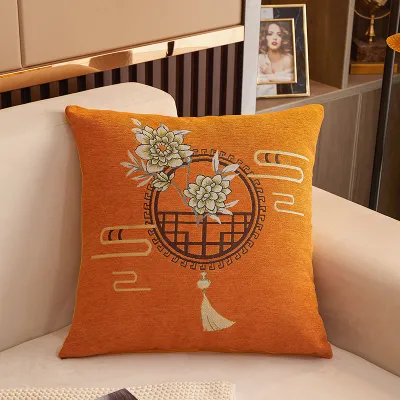
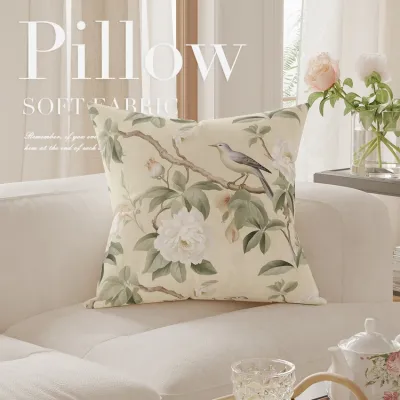
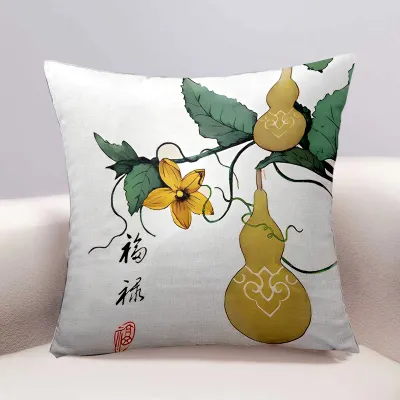
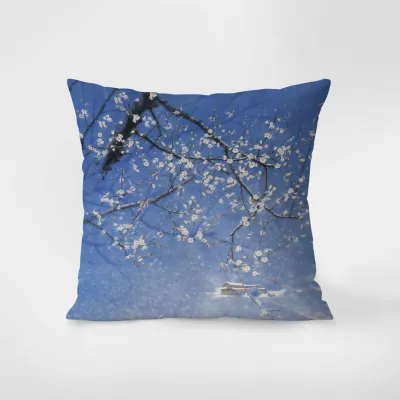
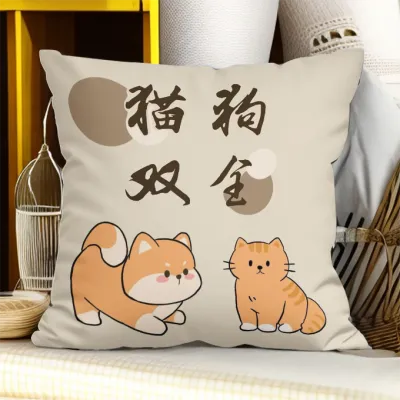
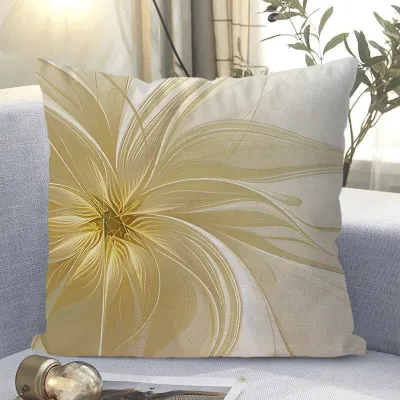
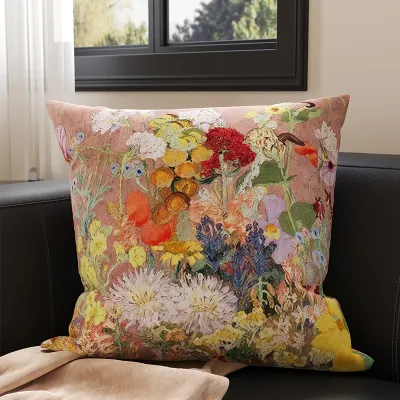
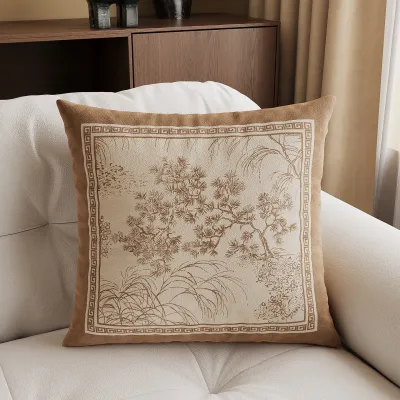
Prices are valid at publication and may change. Please refer to the product page for the latest price.
In contrast, the “Neo-Chinese” (Xin Zhong Shi) style has gained immense popularity in modern interior design. This aesthetic simplifies traditional motifs into minimalist geometric patterns, abstract brushstrokes, and muted color palettes like slate grey, soft beige, and dusty blue. Neo-Chinese cushion covers are highly versatile, allowing you to introduce subtle cultural elements into a modern home without overwhelming the existing decor.
Fabric selection is critical, especially when considering Singapore’s warm and humid tropical climate. Silk is the most luxurious option, offering a beautiful natural sheen and an incredibly smooth texture. However, pure silk is highly delicate, prone to snagging, and sensitive to moisture and sunlight, making it better suited for low-traffic decorative chairs rather than daily-use family sofas.
For everyday living areas, cotton-linen blends and high-quality jacquard fabrics are highly practical alternatives. Cotton-linen blends offer excellent breathability, a relaxed matte texture, and high resistance to daily wear, making them comfortable to lean against in warmer weather. Jacquard fabrics, which feature patterns woven directly into the textile rather than printed on top, provide a heavier weight, rich structural texture, and outstanding durability that holds up well to frequent use.
Beyond the fabric itself, you must inspect the structural details that define a well-made cushion cover. Turn the cover inside out if possible, or examine close-up product photos to check the stitching. High-quality covers feature reinforced, overlocked internal seams that prevent the fabric from fraying over time, particularly at the high-tension corners. The zipper should be a hidden or recessed design, color-matched to the fabric, and glide smoothly without catching on the threads.
How to Evaluate Brand Reliability and Craftsmanship
Evaluating the reliability of a brand or seller is essential to ensure you receive a product that matches your expectations. Start by researching the brand’s background and design philosophy. Reliable makers are transparent about their material sourcing, often detailing whether they use genuine mulberry silk, long-staple cotton, or specialized weaving techniques. Brands that celebrate the heritage of their designs and explain the craftsmanship behind their patterns are generally more committed to quality.

Customer feedback is an invaluable resource when shopping, especially through online channels. Look closely at reviews that mention color accuracy, as digital screens can sometimes distort the true shade of a fabric. Pay attention to comments regarding pattern alignment; on high-quality cushion covers, the pattern should align seamlessly across the seams and zipper line, rather than looking disjointed or cut off.
Additionally, check for feedback regarding fabric shrinkage and color bleeding after washing. Lower-quality dyes can bleed and ruin intricate embroidery, while poorly pre-shrunk fabrics may shrink significantly, making it difficult to fit the insert back into the cover. A reputable brand will often provide pre-shrunk fabrics and use colorfast dyeing processes to prevent these issues.
Review the seller’s customer service policies, including return conditions and warranties against manufacturing defects. A brand that stands behind its craftsmanship will offer a clear, fair return policy for damaged or defective items. Prompt and helpful communication from the seller’s customer support team is a strong indicator of a reliable business that values customer satisfaction.
Be vigilant against common red flags when browsing listings. Inconsistent product photography—where the same cushion cover appears in wildly different lighting, settings, or quality levels across different pages—often indicates a reseller using copied images of lower-quality imitations. A lack of detailed material composition labels, such as listings that vaguely state “synthetic blend” without specifying the fibers, is another sign of subpar manufacturing.
Sourcing Channels for Authentic Chinese Cushion Covers
Finding the right purchasing channel in Singapore depends on whether you prefer a hands-on shopping experience or the convenience of online browsing. Visiting local brick-and-mortar home decor boutiques and heritage concept stores is highly recommended for tactile verification. Walking through design districts or cultural enclaves allows you to feel the weight of the jacquard, inspect the embroidery threads under natural light, and verify the zipper quality before making a purchase.
For guaranteed authenticity and access to exclusive collections, purchasing directly from official brand websites or authorized flagship stores is the safest route. Many premium home decor brands maintain dedicated online storefronts that ship directly to Singapore. Buying from these official channels ensures you receive genuine designs, high-grade materials, and reliable customer support, minimizing the risk of purchasing counterfeit goods.
If you choose to use major e-commerce platforms and online marketplaces, extra caution is required. Filter your searches to focus on verified sellers, official brand stores, or merchants with high positive ratings and extensive transaction histories. Always read the image-based customer reviews, as real-life photos uploaded by previous buyers provide a much more accurate representation of the fabric texture and color than polished promotional images.
For homeowners with unique furniture dimensions or highly specific design visions, custom upholstery workshops in Singapore offer an excellent bespoke alternative. These workshops allow you to select your own high-quality Chinese-style fabrics from local textile merchants and have cushion covers custom-tailored to your exact specifications. This ensures a perfect fit for non-standard sofa cushions or unique window seat pads, while allowing you to control every detail of the design and finish.
Styling and Pairing Strategies for Your Home
Integrating Chinese-style cushion covers into your home requires a thoughtful approach to balance and contrast. If your living room features a modern, minimalist, or Scandinavian theme, treat your Chinese cushion covers as statement pieces. Instead of covering your entire sofa in busy patterns, place one or two richly embroidered or bold ink-wash cushions as focal points. This draws the eye and adds a layer of sophistication without cluttering the visual space.
To create a cohesive look, coordinate the colors of your cushion covers with existing elements in the room. Identify one or two accent colors within the cushion’s pattern—such as a subtle gold thread or a deep teal leaf—and match them with other decor items like ceramic vases, table runners, or wall art. This ties the room together beautifully, making the Chinese elements feel like an intentional part of the overall design rather than isolated additions.
Texture mixing is another powerful styling technique. Pair highly textured cushion covers, such as heavy jacquards or embroidered silks, with solid-colored, matte-finish sofas made of linen, cotton, or smooth leather. The contrast between the smooth sofa fabric and the raised, intricate patterns of the cushion covers adds depth and visual interest to your seating arrangement.
Selecting the correct cushion insert size is crucial for achieving a plump, luxurious appearance. As a general rule, choose an insert that is slightly larger than the cushion cover itself. For example, if your cushion cover measures 45cm x 45cm, use a 50cm x 50cm insert. This extra volume fills out the corners of the cover completely, prevents sagging, and provides better lumbar support when you sit.
Consider implementing a seasonal rotation strategy to keep your home decor feeling fresh throughout the year. You can opt for lighter, highly breathable cotton-linen blends in bright, floral, or nature-inspired motifs during the warmer months or festive seasons like Chinese New Year. During cooler monsoon seasons, transition to richer, deeper-toned jacquards or heavier fabrics to create a cozy, inviting atmosphere in your living room.
Care Instructions and Maintenance Boundaries
Proper care and maintenance are essential to preserve the vibrant colors, delicate textures, and structural integrity of your Chinese cushion covers. Always read and follow the manufacturer’s care labels before attempting to clean any cover. Delicate fabrics, particularly pure silk, brocade, or those featuring intricate metallic embroidery, usually require specialized care and should never be placed in a standard washing machine.
For routine maintenance, establish a gentle cleaning routine. Use a soft-bristled brush to gently remove dust from embroidered areas, or use a low-suction vacuum cleaner attachment with a protective mesh cover. If a minor spill occurs, spot-clean the area immediately using a clean, damp white cloth and a mild, pH-neutral detergent. Always test the cleaning solution on a small, hidden area of the cover first to ensure the dyes do not bleed.
Singapore’s high humidity presents a unique challenge for textile preservation, as excess moisture can lead to mold, mildew, and musty odors. Ensure your living spaces are well-ventilated, and avoid placing cushions in damp areas or directly beneath air conditioning units where condensation might drip. When storing seasonal cushion covers, clean them thoroughly, ensure they are completely dry, and store them in breathable cotton storage bags rather than airtight plastic containers, which can trap moisture.
Knowing when to seek professional help is key to protecting your investment. If a high-value silk or heavily embroidered cover suffers a major stain, or if you notice loose threads and structural damage, avoid DIY fixes that could worsen the issue. Take the cover to a professional dry cleaner who specializes in delicate textiles, or consult a professional upholstery repair service to safely restore the piece to its original beauty.
Frequently Asked Questions (FAQ)
How do I prevent silk cushion covers from fading in a sunny room?
To protect delicate silk fibers from UV damage and fading, position your cushions away from direct sunlight, such as on sofas placed deeper within the room. You can also install UV-filtering window films or sheer curtains to reduce sun exposure, and rotate your cushions regularly to ensure any light exposure is evenly distributed.
What is the standard size for Chinese-style cushion covers?
The most common standard sizes for square cushion covers are 45cm x 45cm and 50cm x 50cm. However, traditional Chinese bolster cushions or rectangular lumbar styles may feature unique dimensions, so always measure your existing inserts or consult the brand’s specific size chart before making a purchase.
Can I machine-wash embroidered cushion covers?
Machine washing is generally not recommended for embroidered cushion covers, as the spinning and agitation can easily snag, loosen, or break the delicate embroidery threads. Hand washing in cool water with a mild detergent, or opting for professional dry cleaning, is the safest way to maintain the intricate needlework.

Community discussion
Share your experience or ask a question. Comments are reviewed before publication.