
Selecting the ideal sofa cushion covers in Singapore involves more than just picking an appealing pattern. Because cushion covers are subject to daily wear, friction, and the unique demands of a warm, humid climate, evaluating their structural quality and material suitability is essential. By understanding how different fabrics behave, identifying high-quality construction markers, and aligning your choices with your home’s specific design aesthetic, you can select covers that elevate your living space while standing the test of time.
Defining Quality: What to Look for in Premium Cushion Covers
To identify premium cushion covers, you must look beyond brand names and marketing descriptions to evaluate the physical characteristics of the product. The foundation of any high-quality cover lies in its fabric composition. Natural fibers like cotton and linen are highly prized for their breathability and soft, organic feel, making them comfortable choices for Singapore’s warm climate. However, pure natural fibers can be prone to wrinkling and shrinkage. High-quality synthetic blends, such as polyester-cotton or polyester-linen, often provide a practical alternative, combining the breathability of natural fibers with the durability, wrinkle resistance, and structural stability of synthetics.
Weave density is another critical indicator of durability. A tightly woven fabric, such as a heavy canvas, twill, or dense jacquard, will resist snagging, stretching, and thinning over time. This is particularly important for households with pets or young children, where cushions are subjected to frequent handling. When evaluating a cover, hold the fabric up to the light; a loose, sparse weave that lets significant light through is more likely to lose its shape and wear out quickly compared to a dense, substantial weave.
Products mentioned in this guide
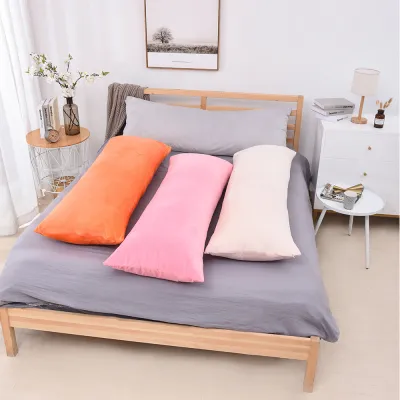
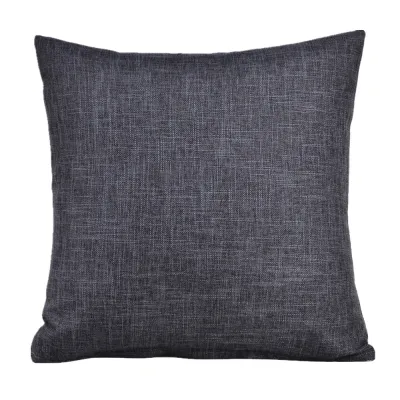
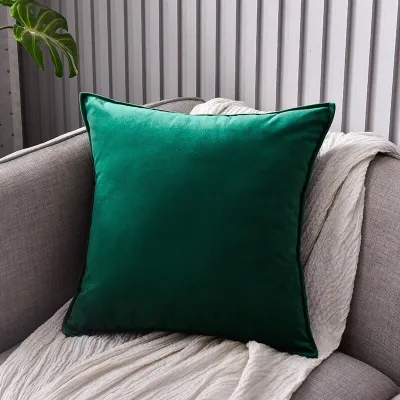
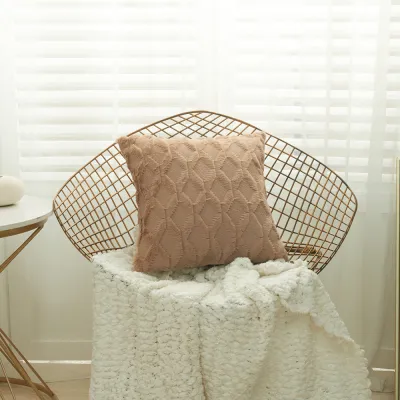
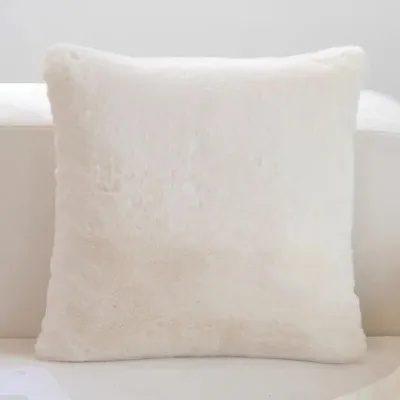
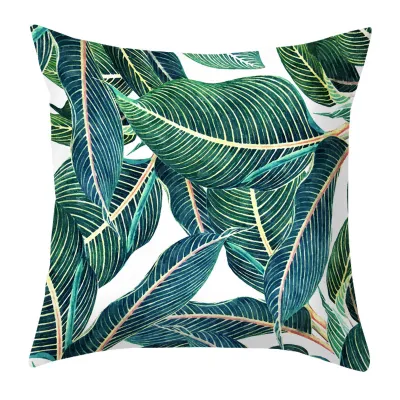
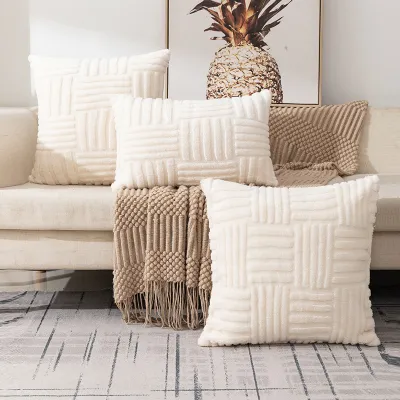
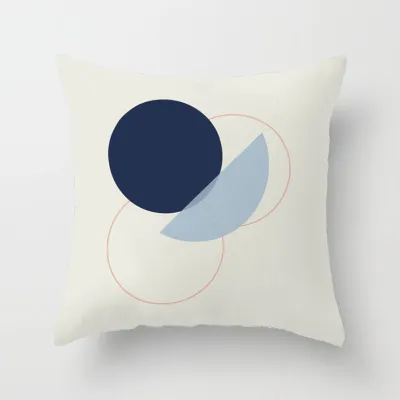
Prices are valid at publication and may change. Please refer to the product page for the latest price.
The true test of craftsmanship, however, is found on the inside of the cushion cover. High-quality manufacturers pay close attention to interior finishing. Turn the cover inside out to inspect the seams. Premium covers feature overlocked or serged edges, which bind the raw fabric ends to prevent fraying during washing. Look for double-stitching or reinforced bar tacks at high-stress points, particularly around the zipper opening where the fabric is stretched during insertion.
The closure mechanism itself should be robust and discreet. A premium cover typically features a hidden zipper that is recessed beneath a fabric flap, preventing the zipper teeth from scratching your sofa’s upholstery or catching on clothing. The zipper should glide smoothly without snagging the surrounding fabric, and the zipper pull should be color-matched to the cover. Finally, always check the care label and manufacturer specifications; clear, detailed instructions regarding washing temperatures, dry cleaning, and fiber content indicate a manufacturer that stands behind its product’s performance.
Aligning Design Aesthetics With Brand Collections
Home decor brands typically organize their textile collections into distinct design families or seasonal capsules. This segmentation makes it easier to find coordinating pieces, but creating a cohesive look requires understanding how different textures, colors, and silhouettes complement specific interior design styles.

Minimalist and Scandinavian Interiors
For homes styled with minimalist or Scandinavian aesthetics, the focus should be on tactile warmth and understated elegance rather than bold, distracting patterns. In these spaces, where the color palette is often restricted to neutral tones, texture must do the heavy lifting to prevent the room from feeling flat or cold.
Prioritize natural, highly tactile textures such as washed linen, organic cotton, and subtle bouclé. Washed linen offers a relaxed, matte appearance with natural slubs that soften the clean lines of minimalist furniture. Organic cotton provides a smooth, clean surface that feels soft to the touch, while bouclé introduces a looped, cloud-like texture that adds depth and visual interest without relying on busy prints.
When selecting colors, look for muted, earthy palettes that draw inspiration from nature. Soft oatmeal, warm sand, charcoal grey, sage green, and terracotta work beautifully to create a serene, cohesive environment. If you prefer patterns, opt for understated geometric designs, thin pinstripes, or tonal weaves where the pattern is created by the texture of the fabric itself rather than contrasting dyes.
The fit of the cushion cover also plays a role in the overall aesthetic. For Scandinavian and minimalist spaces, a slightly relaxed, unstructured fit complements the low-profile, deep-seated modular sofas common in these designs. Avoid overly stiff or heavily structured cushions, which can disrupt the casual, inviting atmosphere characteristic of Nordic interiors.
Modern Luxury and Elegant Spaces
In modern luxury and classic contemporary living rooms, cushion covers serve as sophisticated accents that introduce richness, depth, and refined detail to the seating area. Here, the goal is to select materials and finishes that catch the light beautifully and convey a sense of polished elegance.
Evaluate rich, substantial materials such as heavy cotton velvet, silk-viscose blends, and high-thread-count jacquards. Heavy velvet offers a deep, plush pile that absorbs and reflects light, creating a sense of warmth and luxury. While pure silk is incredibly luxurious, it is also highly delicate; therefore, silk-viscose or silk-polyester blends are often preferred for sofa cushions as they offer the characteristic sheen of silk with significantly improved durability. Jacquard fabrics, with their intricate woven patterns, add a classical, artistic dimension to the space.
Look for structured silhouettes and precise tailoring that maintain a crisp, formal appearance. Premium luxury covers often feature decorative edge details, such as piped borders (where a matching or contrasting fabric cord is sewn into the seam) or oxford flanges (a flat fabric border extending beyond the seam). Subtle metallic threads, tonal embroidery, or delicate beadwork can also elevate the design, provided they are executed with precision and do not compromise the comfort of the cushion.
When dealing with plush fabrics like velvet, it is important to verify the pile direction, also known as the nap. When you run your hand across velvet, the fabric will feel smooth in one direction and rougher in the other, changing color slightly as the fibers shift. High-quality velvet covers are constructed so that the pile runs consistently downward on all coordinating cushions, ensuring a uniform look. Additionally, test the fabric for colorfastness, especially if you plan to place dark or richly dyed velvet cushions on a light-colored leather or fabric sofa, to prevent any dye transfer.
Sourcing Reliable Brands and Showrooms in Singapore
Finding high-quality cushion covers in Singapore requires exploring a variety of retail channels and verifying the credibility of the sellers. While online shopping offers unparalleled convenience, visiting physical showrooms remains one of the most reliable ways to assess textile quality.
Visiting established home furnishing showrooms in Singapore—such as those located in design hubs like the Tan Boon Liat Building, or retail clusters in Orchard, Outram, and City Hall—allows you to physically interact with the products. In a showroom, you can feel the weight and drape of the fabric, test the smoothness of the zippers, and observe the true colors under different lighting conditions. Showroom lighting can sometimes alter the appearance of colors, so it is helpful to carry fabric swatches of your sofa or photos of your living room taken in natural daylight to ensure a proper match.
If you prefer the convenience of online shopping, navigate to the official websites of reputable home decor brands or their authorized flagship stores on established ecommerce platforms. Avoid unverified third-party sellers that offer unusually low prices, as these products often compromise on material quality, seam strength, and zipper durability. Reliable online retailers will provide comprehensive product descriptions, including exact fiber compositions, dimensions, care instructions, and clear, high-resolution images of both the front and back of the cover.
Before making an online purchase, take the time to cross-reference user-uploaded photos in the review sections. Studio photography can sometimes make fabrics appear shinier, thicker, or more vibrant than they are in reality. User-uploaded photos taken in ordinary household lighting provide a more accurate representation of the cover’s true texture, color, and fit. Pay close attention to reviews that mention how the fabric feels, whether the seams are straight, and how the cover performs after being washed.
Essential Pre-Purchase Checks for Sofa Cushion Covers
To ensure your new cushion covers fit perfectly and meet the practical needs of your household, perform a few essential checks before finalizing your purchase.
First, calculate the correct cover size based on your existing cushion inserts. To measure an insert, hold two corners of the cushion and pull the edge taut, measuring from seam to seam along the side. Do not measure diagonally or across the center of a plump cushion, as this will result in an inaccurate reading. For a professional, plump appearance, many designers recommend using a cover that is slightly smaller than the insert. For example, if you have a highly compressible feather or down insert measuring 50×50 cm, a 48×48 cm cover will compress the filling slightly, creating a full, luxurious look. However, if you are using polyester fiberfill inserts, which are firmer and less compressible, choose a cover that matches the insert’s dimensions exactly to avoid putting excessive strain on the seams and zipper.
Next, inspect the closure mechanism of the cover. Zipper closures are the most common and provide a clean, tailored look, but they must be handled gently to prevent damage. Envelope closures, which feature overlapping fabric flaps on the back of the cushion, eliminate the need for hardware entirely, making them highly durable and easy to wash. However, envelope closures can gape open if the cushion insert is too thick, so they are best suited for flatter inserts or relaxed, casual styling.
Confirm the washing instructions and potential shrinkage allowances before buying. Natural fibers like linen and cotton are prone to shrinking when exposed to heat and water. Check if the manufacturer specifies that the fabric has been pre-shrunk or sanforized. If the cover is not pre-shrunk, you may need to hand wash it in cold water, line dry it in the shade, or opt for professional dry cleaning to maintain its original size and shape.
Final-sale or custom-made cushion covers are typically non-refundable, so double-check all measurements and fabric choices before placing an order. Review the retailer’s return and exchange policies to ensure you can return or exchange non-defective items if the actual color of the cover looks different under your home’s specific lighting compared to your computer screen.
Frequently Asked Questions (FAQ)
Can I use outdoor cushion covers for indoor sofas?
While outdoor cushion covers are highly durable and resistant to water, stains, and UV fading, they are generally not recommended for primary indoor sofas. Outdoor fabrics are often treated with specialized chemical coatings to repel moisture, which can make the material feel stiff, rough, and less breathable than indoor textiles. This lack of breathability can lead to heat buildup and discomfort during prolonged sitting, especially in Singapore’s humid climate. If you choose to use outdoor covers indoors for their stain resistance, check the manufacturer’s guidelines to ensure the fabric is certified safe for indoor use and offers sufficient comfort.
How do I prevent velvet cushion covers from crushing or matting?
To preserve the plush, luxurious appearance of velvet cushion covers, regular and gentle maintenance is required. Avoid placing heavy objects on the cushions for extended periods, as this can permanently flatten the pile. If the velvet becomes crushed or matted, use a soft-bristled clothes brush to gently brush the fibers in the direction of the natural pile. To lift stubborn creases, you can steam the cover lightly from the reverse side using a handheld garment steamer, taking care not to let the steamer touch the fabric directly. Always refer to the product’s care label, as some delicate velvet blends may require professional dry cleaning to maintain their texture.
Community discussion
Share your experience or ask a question. Comments are reviewed before publication.