
Refreshing your home decor does not require a complete spatial overhaul; often, the most impactful transformations lie in the subtle details of your soft furnishings. In Singapore, where urban living spaces like HDB flats and condominiums demand smart, space-efficient styling, the 30×50 cm rectangular cushion—commonly referred to as a lumbar cushion—has become a staple for interior design enthusiasts. Finding reliable 30×50 cushion cover brands requires a systematic approach that balances aesthetic preferences with the practical demands of a tropical climate. To execute a successful home refresh, you must look beyond marketing claims and focus on material resilience, precise dimensional standards, and verified retail channels. By evaluating fabric breathability, zipper construction, and local return policies, you can identify brands that offer both longevity and style for your living spaces.
Defining Your Style and Space Requirements
Before browsing local boutiques or online catalogs, it is essential to clarify the aesthetic and functional needs of your living space. Singaporean homes feature a diverse range of interior design themes, from sleek Scandinavian minimalism and rustic bohemian styles to bold modern contemporary aesthetics. A minimalist space typically benefits from clean lines, neutral tones, and subtle textures that do not overwhelm the eyes. In contrast, a bohemian theme embraces rich, tactile fabrics, intricate patterns, and warm, earthy tones. Modern contemporary spaces often utilize geometric shapes, high-contrast color palettes, and metallic accents. Identifying your primary design theme will help you narrow down the patterns, colors, and textures that will harmonize with your existing furniture.
The 30×50 cm rectangular cushion shape is highly versatile, serving as an excellent visual anchor that breaks up the monotony of standard square cushions. When assessing your space, look closely at your existing color palette and determine whether you want your new covers to blend seamlessly or stand out as statement pieces. If your sofa is a neutral grey, beige, or cream, you can introduce vibrant hues or complex patterns to create a focal point. Conversely, if your furniture already features bold colors or busy patterns, opting for solid-colored, highly textured 30×50 cm covers can provide a grounding effect. Additionally, consider the physical arrangement of your seating; a single lumbar cushion works beautifully on an armchair, while a pair can frame a three-seater sofa elegantly.
Products mentioned in this guide
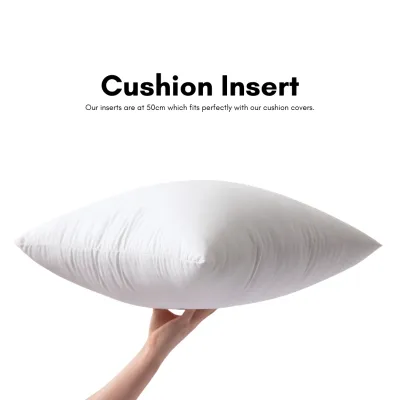
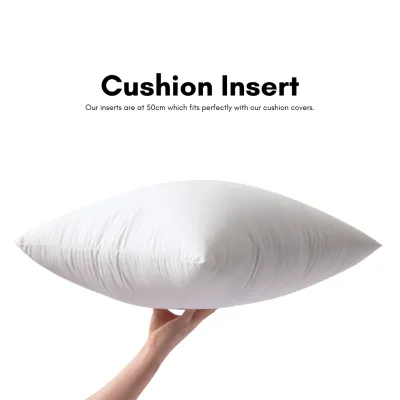
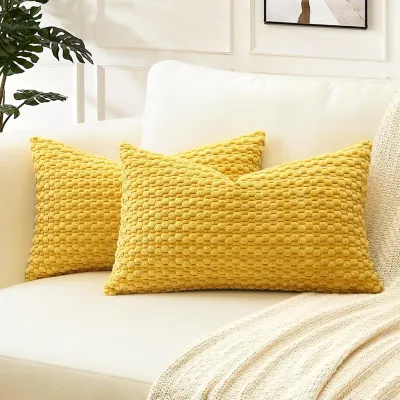
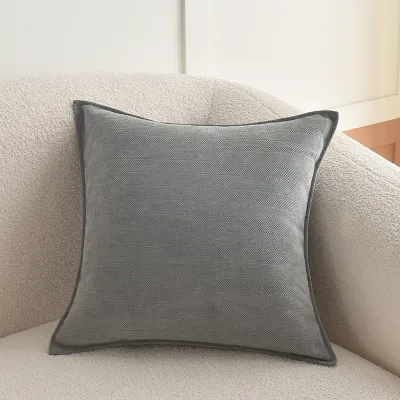
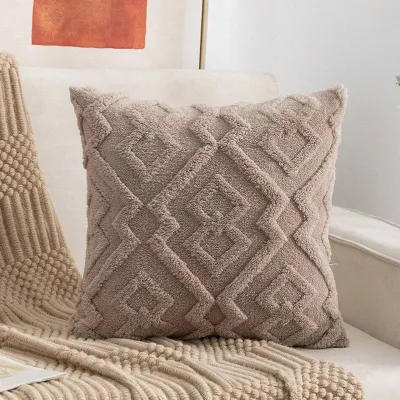
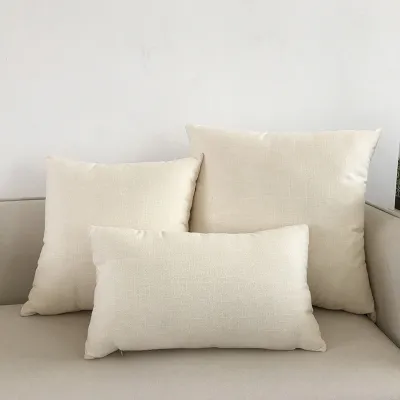
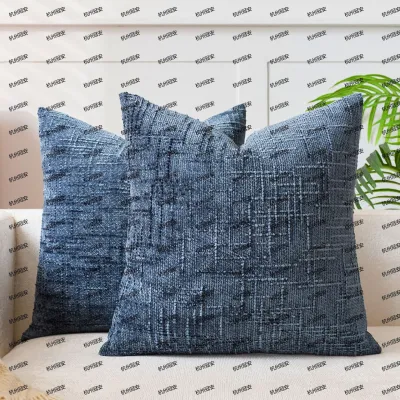
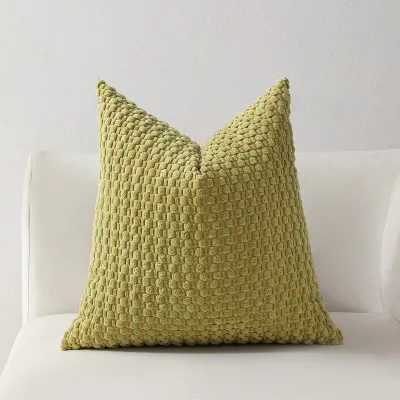
Prices are valid at publication and may change. Please refer to the product page for the latest price.
Functional requirements must also guide your selection process, as usage conditions vary significantly between households. In high-traffic family areas where children, pets, or daily lounging are common, cushion covers must be exceptionally durable, stain-resistant, and easy to clean. For these spaces, tightly woven synthetic blends or heavy-duty cotton canvases are highly practical choices. On the other hand, if you are styling a formal sitting area, a guest bedroom, or a decorative accent chair that sees minimal daily use, you can prioritize luxury over rugged durability. This allows you to explore delicate materials such as embroidered silk, fine linen, or high-pile velvet, which add a sophisticated touch to your home without the risk of rapid wear and tear.
Key Quality Indicators for 30×50 Cushion Covers
Evaluating the quality of a cushion cover requires looking past the surface design to inspect the underlying materials and construction techniques. Fabric composition is the most critical factor, particularly in Singapore’s warm and humid tropical climate. Natural fibers like cotton and linen are highly favored for their breathability and moisture-wicking properties, which help prevent the buildup of musty odors and mold in humid environments. Pure linen offers a relaxed, textured elegance that softens with every wash, while cotton provides a smooth, versatile canvas for various prints and weaves. For a touch of luxury, velvet blends can be highly durable and soft, but you should ensure they are breathable and comfortable against the skin during warmer days.

The construction of the closure mechanism is another vital indicator of a brand’s manufacturing standards. High-quality cushion covers almost always feature a hidden or invisible zipper. This design involves sewing the zipper track slightly behind a fabric flap, ensuring that the metal or plastic teeth do not disrupt the clean lines of the cushion or scratch your leather sofa and wooden furniture. When evaluating a cover, test the zipper slide; it should move smoothly without catching on loose threads or fabric edges. Alternatively, some brands utilize envelope closures, which rely on overlapping fabric panels on the back. If choosing an envelope style, ensure the overlap is deep enough to prevent the inner cushion insert from spilling out or becoming visible when compressed.
Finally, always review the manufacturer’s care instructions to ensure they align with your lifestyle and maintenance preferences. In a busy household, machine-washable covers are incredibly convenient, saving you time and upkeep costs. Look for brands that use pre-shrunk fabrics, as this prevents the cover from shrinking and becoming unusable after its first wash. If a cover is labeled as dry-clean only or hand-wash only, consider whether you are willing to commit to that level of care. Additionally, inspect the interior seams of the cover; high-quality brands will use overlocked or serged edges to prevent the fabric from fraying during washing cycles, ensuring the cover maintains its structural integrity over years of use.
Evaluating Brand Reliability and Retail Channels in Singapore
Navigating the retail landscape in Singapore requires a discerning eye to distinguish reliable brands from low-quality distributors. Direct brand boutiques and established local home decor retailers often provide the most reliable shopping experience. Visiting a physical showroom, such as those located in design hubs like the Tan Boon Liat Building or popular shopping districts, allows you to feel the fabric weight, inspect the stitching, and verify the true colors under natural light. However, if you prefer the convenience of online shopping, verified seller storefronts on major ecommerce platforms and dedicated home decor websites offer a vast selection. When shopping online, prioritize sellers with high ratings, detailed product descriptions, and transparent customer reviews that include real photos of the items.
Before finalizing any purchase, it is highly recommended to review the retailer’s return and exchange policies. A reliable brand will typically offer a clear, fair policy that protects you against manufacturing defects, incorrect sizing, or items that differ significantly from their online photos. Under Singapore’s consumer protection framework, often referred to as the Lemon Law, consumers are protected against defective goods, but having a straightforward, hassle-free return process directly with the merchant makes resolving issues much simpler. Look for brands that provide responsive local customer support, whether through live chat, email, or a local phone number, as this indicates a high level of accountability and commitment to customer satisfaction.
Another crucial step in verifying brand reliability is ensuring that the product listings explicitly state the exact dimensions of 30×50 cm. Some low-cost or generic sellers use ambiguous sizing terms like “standard rectangular,” “lumbar size,” or “medium,” which can vary significantly between manufacturers. A reputable brand will provide precise measurements in centimeters and often include guidance on the recommended insert size to achieve the best fit. Avoid purchasing from listings that lack detailed specifications, as even a minor discrepancy of two or three centimeters can result in a cover that is either too loose and wrinkly or too tight, putting excessive strain on the seams and zipper.
Building Your Shortlist: Matching Brands to Decor Goals
To build an effective shortlist of cushion cover brands, start by categorizing them based on their primary design strengths and how they align with your specific decor goals. Some brands excel in producing artisanal, hand-printed, or embroidered designs that serve as beautiful focal points in a room. These pieces often feature unique cultural motifs, botanical prints, or abstract art. Other brands focus on solid-colored, highly textured weaves—such as waffle knit, boucle, jacquard, or ribbed cotton—which are excellent for adding depth and warmth without introducing busy patterns. By identifying which brands specialize in your desired style, you can streamline your search and avoid decision fatigue.
Budget allocation is another essential consideration when planning your home refresh. It is helpful to categorize your purchases into statement pieces and foundational layers. Statement cushion covers, which feature intricate embroidery, premium fabrics, or designer prints, typically command a higher price point, often ranging from S$30 to S$60 or more per cover. Because these pieces draw the eye, you only need one or two to elevate the entire look of a sofa or bed. To balance your budget, you can pair these statement covers with more affordable, high-quality foundational covers in solid colors or simple textures, which can often be found for S$15 to S$25. This mixed-budget strategy allows you to achieve a luxurious, curated look without overspending.
If you are hesitant to commit to a large purchase, implementing a phased refresh approach is a highly sensible strategy. Start by ordering just one or two covers from your top-shortlisted brands. This low-risk trial allows you to evaluate the fabric quality, color accuracy under your home’s specific lighting conditions, and zipper durability in person. You can also test how well the cover fits your existing inserts and how comfortable the material feels against your skin. Once you have verified the quality and are satisfied with the brand’s performance, you can confidently proceed with purchasing the remaining covers to complete your home decor transformation.
Practical Tips for Styling and Arranging Your New Covers
Once you have selected and received your new 30×50 cm cushion covers, the next step is to integrate them into your living space using professional styling techniques. The rectangular lumbar shape is highly effective for creating visual depth when layered alongside standard square cushions. A classic arrangement involves placing larger square cushions (such as 50×50 cm or 45×45 cm) at the back corners of your sofa, and then layering the 30×50 cm rectangular cushions directly in front of them. This tiered effect breaks up the repetitive square shapes and draws the eye inward, making your seating area look more inviting and professionally styled. For a balanced look, try pairing a patterned square cushion with a solid, textured rectangular cushion, or vice versa.
Achieving the perfect plumpness for your cushions depends heavily on matching the cover with the correct insert size and material. If you prefer a firm, full, and highly structured look—often seen in formal living rooms—it is a common decorator’s secret to use an insert that is slightly larger than the cover. For a 30×50 cm cover, using a 35×55 cm feather or down-alternative insert can fill out the corners beautifully and provide excellent lumbar support. However, if you prefer a more relaxed, casual, and comfortable aesthetic, choose an insert that matches the exact 30×50 cm dimensions of the cover. Natural feather inserts allow for the classic “karate chop” look, while polyester fiberfill inserts maintain their shape consistently over time.
To maintain the fresh look of your home decor and prolong the lifespan of your cushion covers, establish a seasonal rotation and storage strategy. Changing your cushion covers every few months is an easy and cost-effective way to transition your home’s ambiance, perhaps opting for lighter, brighter linens during the sunnier months and richer, warmer velvets during cooler, rainy seasons. When storing your off-season covers, ensure they are completely clean and dry to prevent mold growth, which is a common issue in Singapore’s humid climate. Store them flat in a cool, dry place, preferably inside breathable cotton storage bags or fabric organizers rather than airtight plastic bins, which can trap residual moisture. Adding a few silica gel packets to your storage container can provide extra protection against humidity.
Frequently Asked Questions (FAQ)
Will a standard 50×50 cm insert work inside a 30×50 cm cover?
No, a standard 50×50 cm square insert will not work properly inside a 30×50 cm rectangular cover. The physical dimensions and shape profiles of these two items are fundamentally incompatible. Attempting to force a square insert into a rectangular cover will result in highly uneven filling distribution, leaving the corners of the cover completely empty while creating an awkward, overstuffed bulge in the center. This mismatch also puts extreme tension on the seams and the zipper mechanism, which can easily lead to fabric tearing or zipper failure. To achieve a clean, professional, and comfortable silhouette, you must pair your 30×50 cm cover with a dedicated rectangular lumbar insert of matching dimensions. If you are unsure of your insert’s size, lay it flat and measure along the seams from corner to corner to ensure an accurate match.
How can I prevent colors from fading on decorative cushion covers?
Preventing colors from fading on your decorative cushion covers requires a combination of strategic placement and gentle laundering practices. Singapore’s intense afternoon sun can quickly degrade fabric dyes, especially on natural fibers like cotton and linen, leading to premature fading and fabric weakening. To protect your covers, try to position your sofas and armchairs away from direct window light, or install UV-filtering window films, blinds, or sheer curtains to diffuse the harsh sunlight. When it comes to cleaning, always follow the manufacturer’s care label strictly. Wash your covers inside out in cold water using a mild, color-safe detergent, and avoid using bleach or harsh chemical stain removers. Always air dry your covers in a shaded, well-ventilated area rather than exposing them to direct sunlight or using a high-heat clothes dryer, which can cause both fading and shrinkage.

Community discussion
Share your experience or ask a question. Comments are reviewed before publication.