
Finding high-quality decorative LED lights in Singapore requires looking past superficial aesthetics. While online marketplaces are flooded with inexpensive options, selecting a reliable brand involves evaluating structural durability, electrical safety, and optical performance. The ideal decorative LED light balances robust build quality—such as appropriate weatherproofing for Singapore’s tropical humidity—with consistent, flicker-free illumination and verified compliance with local electrical safety standards.
Investing in reputable lighting brands ensures that your decorative setup remains safe and functional over the long term. Low-grade alternatives often suffer from rapid brightness decay, mismatched color temperatures, and fragile wiring that can lead to short circuits. By focusing on key engineering specifications and safety certifications, you can confidently choose lighting solutions that enhance your living spaces without compromising on safety or value.
Key Dimensions for Comparing Brand Quality and Value
Build Quality and Weather Resistance
Evaluating the physical construction of decorative LED lights is essential for predicting their operational lifespan. High-quality brands construct their light strings using thick-gauge copper wiring, which provides excellent electrical conductivity and mechanical flexibility. In contrast, budget-focused manufacturers often use thin, brittle aluminum wires coated with copper, which are highly susceptible to internal fractures when bent or hung under tension.
Products mentioned in this guide
![[SG STOCK]4M LED String Light Fairy Curtain Lights Wedding Festive Christmas Decoration Lighting String Curtain Ceiling Light](https://img.lazcdn.com/g/p/a82072ff68bccf57e2f850ca54d08ffb.jpg_400x400q80.jpg_.webp)
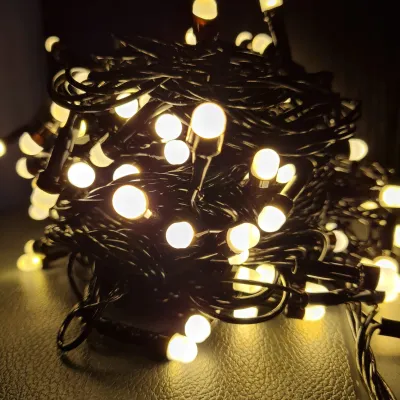
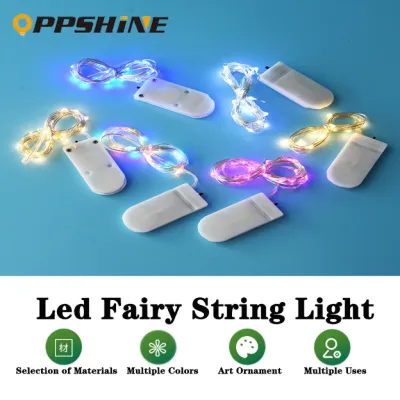
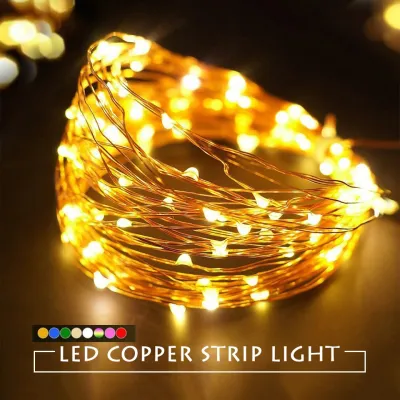
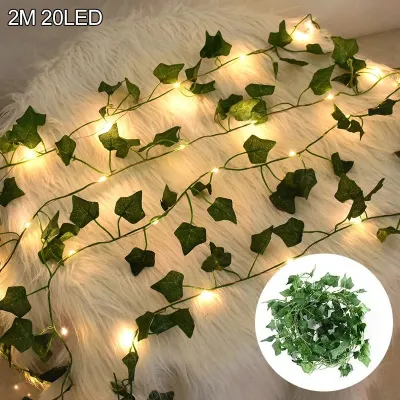
Prices are valid at publication and may change. Please refer to the product page for the latest price.
The protective insulation surrounding the wiring is another critical indicator of build quality. Premium brands utilize heavy-duty rubber, silicone, or UV-stabilized PVC sleeves that resist degradation from sunlight and heat. In Singapore’s tropical climate, standard cheap plastics quickly become brittle, crack, and expose the underlying conductors to moisture, creating severe safety hazards.
When selecting lights for outdoor areas, balconies, or gardens, you must verify the Ingress Protection (IP) rating printed on the product label. Outdoor decorative lights require a minimum rating of IP44 to protect against splashing water from any direction, while fully unsheltered installations demand IP65 or higher to withstand heavy monsoon downpours. Avoid products that rely on vague marketing terms like “waterproof” without providing an official, certified IP rating.
Furthermore, examine the construction of the LED chip encapsulation and the connection joints. Reliable brands feature hermetically sealed epoxy or silicone caps over individual diodes to prevent moisture ingress. The connectors between different light segments should feature threaded locking collars and rubber O-ring gaskets, ensuring a watertight seal that prevents water from seeping into the electrical pathway.
Brightness, Color Consistency, and Flicker
Optical performance separates professional-grade decorative LEDs from generic alternatives. When comparing brands, look for detailed specifications regarding luminous efficacy, which measures how much light the system produces per watt of electricity consumed. High-efficiency chips generate less heat, which is a major factor in preserving the lifespan of both the LED diode and its surrounding housing.
Color consistency is a common pain point with low-end decorative lights. Reputable manufacturers employ strict “binning” processes, ensuring that every LED chip on a string falls within a precise color temperature range. This prevents the distracting visual effect where some bulbs on a single string appear warm yellow while others emit a cold, bluish-green hue. For indoor decor, a warm white range of 2700K to 3000K is highly popular, but remember that perceived color temperature and spatial effects are subjective preferences rather than absolute measures of light quality.
To ensure your decor looks natural and vibrant, check the Color Rendering Index (CRI) of the lights. A CRI of 80 or higher is recommended for residential settings, as it allows colors to appear accurate and rich under artificial illumination. Lower CRI lights can make interior walls, fabrics, and indoor plants look dull, washed out, or unnaturally gray.
Additionally, high-quality brands utilize advanced constant-current drivers to eliminate optical flicker. Cheap decorative lights often use basic capacitive drop circuits that cause the LEDs to strobe rapidly at the frequency of the mains power supply. While this flicker may not always be consciously visible, it can cause eye strain, headaches, and visible banding when capturing photos or videos on modern smartphones.
Calculating the True Price-to-Value Ratio
Determining the true value of decorative LED lights requires looking beyond the initial purchase price. A string of lights priced at S$10 might seem highly attractive, but if it fails within three months due to moisture ingress or wire fatigue, the recurring replacement costs quickly add up. Conversely, a premium brand costing S$50 that operates reliably for several years presents a far better long-term investment.
To assess value accurately, compare the rated operating lifespan of the products, which typically ranges from 15,000 to 50,000 hours for quality LEDs. Brands that stand behind their engineering will offer clear, locally serviceable warranties, usually spanning one to three years. These warranties provide peace of mind and ensure you have a direct channel for support if a component fails prematurely.
Another factor in the value equation is modularity and repairability. High-value brands often design their decorative systems with replaceable bulbs or detachable segments. If a single diode or section is damaged, you can replace that specific component rather than discarding the entire light string, reducing both environmental waste and long-term maintenance expenses.
Finally, consider the energy efficiency of the system. While decorative lights generally consume less power than primary ambient lighting, running extensive holiday or landscape displays for hours each evening can impact your utility bill. Opting for brands that utilize high-efficiency diodes and low-loss power adapters ensures that your ongoing operating costs remain minimal.
Navigating the Singapore Market: Safety and Purchasing Channels
Verifying Electrical Specs and Safety Marks
Singapore’s electrical grid operates on a nominal voltage of 230V at a frequency of 50Hz. Before purchasing any mains-powered decorative LED lights, you must verify that the product’s input specifications match these parameters. Connecting a device designed exclusively for 110V systems directly to a Singaporean outlet will result in immediate catastrophic failure, destroying the product and creating an immediate fire hazard.

Under Singapore’s Consumer Protection Safety Requirements Scheme, power adapters, drivers, and certain lighting control gear are classified as Controlled Goods. These items must undergo rigorous testing to obtain the SAFETY Mark, which features a unique, traceable 8-digit registration number. Always inspect the power supply unit of your decorative lights for this mark, and consider verifying the registration number on the official Enterprise Singapore database to confirm its authenticity.
To ensure safe and reliable operation, use the following checklist to evaluate any decorative LED light before installation:
- Voltage Compatibility: Confirm the input label specifies 220V–240V, 50/60Hz.
- Electrical Certification: Look for the local SAFETY Mark on the power adapter or driver.
- Plug Interface: Ensure the unit is fitted with a standard Type G (UK-style 3-pin) plug that complies with SS 145 standards.
- Wattage Limits: Check that the total wattage of connected light strings does not exceed the maximum output rating of the power adapter.
- Dimming Compatibility: Verify if the lights are compatible with your existing dimmer switches, as non-dimmable LEDs will flicker or buzz if dimmed.
- Installation Environment: Confirm whether the product is rated for indoor use only or if it carries the necessary IP rating for outdoor deployment.
Avoid using unverified, cheap travel adapters to connect foreign-sourced decorative lights to your wall sockets. These adapters often lack internal fuses, shutter protection, or adequate contact pressure, which can lead to overheating, electrical arcing, and localized melting of the plastic housing.
Choosing Between Local Showrooms and E-commerce Platforms
When sourcing decorative LED lights in Singapore, consumers must weigh the benefits of physical showrooms against those of online marketplaces. Physical lighting showrooms, such as those located in dedicated lighting hubs like Balestier Road or Jalan Besar, allow you to inspect the products firsthand. This hands-on experience lets you assess the physical weight of the cables, test the sturdiness of the connectors, and view the actual color temperature in a real-world setting.
Showrooms also offer the advantage of immediate professional advice. Staff can assist you in calculating the exact lengths required for your space, selecting compatible dimming controllers, and explaining the warranty claim process. However, physical retailers may have a more limited selection on hand, and their pricing typically reflects the higher overhead costs of maintaining a physical storefront.
In contrast, online marketplaces and specialized e-commerce platforms offer an unparalleled variety of brands, styles, and price points. Shopping online makes it easy to compare technical specifications, read user reviews, and find niche decorative styles. The primary trade-off is the inability to inspect the physical build quality before the item arrives at your doorstep.
To minimize risks when buying online, prioritize official brand flagship stores or authorized local distributors. Purchasing from these verified sellers ensures that you receive genuine products eligible for local warranty support. Additionally, carefully review the seller’s return policy, checking if they offer hassle-free replacements for units that arrive with dead pixels, damaged packaging, or non-functional segments.
Installation and Maintenance for Longevity
Implementing safe installation practices is crucial for protecting your property and extending the lifespan of your decorative LED lights. Before beginning any installation work, always isolate the power supply by switching off the main circuit breaker or unplugging the power source. If your installation involves fixed wiring, integration with home automation systems, or complex outdoor routing, always hire a licensed electrical worker or qualified professional to perform the work.
For installations that require working at height, such as mounting lights along high ceilings, rooflines, or tall trees, prioritize personal safety. Use a sturdy, slip-resistant ladder positioned on a flat, level surface, and never overreach while holding heavy light strings. If you are suspended or working in challenging positions, ensure you have a spotter to stabilize the ladder and assist with handling the materials.
When routing power cables, keep all power adapters, transformers, and controllers in well-ventilated, dry locations. These components generate heat during operation and require adequate airflow to prevent thermal throttling or premature component failure. Never cover power supplies with fabrics, insulation materials, or decorative elements that can trap heat.
Protecting connection points is vital for outdoor setups, even when using IP65-rated light strings. Wrap all connection joints in self-amalgamating tape or house them inside weather-resistant, IP-rated junction boxes to prevent moisture from pooling around the metal contacts. Ensure that cables form a downward “drip loop” before entering any electrical enclosure, which directs rainwater away from the entry seals.
Proper maintenance and storage are equally important for preserving your lighting investment. Clean your lights periodically by gently wiping the diodes and cables with a dry, soft microfiber cloth to remove dust and environmental grime. When dismantling temporary displays, avoid wrapping the light strings tightly around your hand or elbow, as this creates sharp bends that can fracture the delicate internal copper micro-wires. Instead, coil the cables loosely using the “over-under” method, secure them with soft twist ties, and store them in a cool, dry storage container away from direct sunlight.
Frequently Asked Questions (FAQ)
Can I use overseas decorative LED lights in Singapore?
Yes, but only if you strictly verify that the manufacturer’s label specifies compatibility with Singapore’s 230V, 50Hz electrical system. Many modern decorative LED lights feature universal dual-voltage power adapters (100V–240V), which can be safely used locally. However, if the light string is designed strictly for 110V grids, plugging it directly into a local outlet will destroy the electronics and pose an immediate fire hazard.
If your overseas lights are dual-voltage but feature a non-standard plug, you must use a high-quality, fused adapter to connect them to a Type G socket. Never attempt to force foreign plugs into local outlets or bypass safety ground connections. For permanent installations, the safest approach is to purchase lights that come pre-fitted with a certified Type G plug and carry the local SAFETY Mark.
Are battery-operated fairy lights safer than plug-in ones?
Battery-operated fairy lights are inherently safer from an electrical shock perspective because they operate on low-voltage direct current (typically 3V to 4.5V). This low operating voltage makes them exceptionally well-suited for temporary table centerpieces, children’s bedrooms, and highly portable decor setups where routing power cables is impractical or unsafe.
However, battery-powered lights are less practical for permanent or high-brightness installations. They experience a gradual decline in brightness as the batteries discharge, and the ongoing cost of replacing disposable batteries can become significant. For continuous, long-term, or heavy-duty decorative lighting, plug-in or USB-powered systems are much more cost-effective, provided they utilize a certified power adapter that carries the local SAFETY Mark.
How do I fix a section of fairy lights that stopped working?
Before attempting any troubleshooting, disconnect the light string from the power source. Check the fuse inside the plug if your lights feature a user-serviceable fuse, and replace it with one of the identical rating if it has blown. Inspect the entire length of the cable for visible signs of physical damage, such as pinched insulation, exposed copper, or loose connections at the bulb sockets.
If a single section of a string has failed while the rest remains lit, it typically indicates a broken series connection or a failed LED diode within that specific segment. Do not attempt to cut, splice, or solder the internal wiring of low-voltage decorative lights unless you possess formal electrical training, as improper repairs can result in short circuits or localized overheating. If the wiring is frayed, cracked, or damaged internally, the safest course of action is to replace the entire light string.
Community discussion
Share your experience or ask a question. Comments are reviewed before publication.