
Selecting an everyday home perfume in Singapore requires a thoughtful balance between personal sensory preferences and the unique environmental conditions of tropical living. Rather than searching for a single, universally “best” brand, the ideal approach involves identifying labels that offer high-quality ingredient transparency, reliable scent longevity, and fragrance profiles tailored to specific living spaces. For daily use, a successful home fragrance should act as a subtle, consistent background note rather than an overwhelming olfactory intrusion. Key decision factors include matching the fragrance family to your room’s function, verifying ingredient safety, and ensuring the brand is easily accessible through authorized local retailers. By focusing on these core criteria, you can curate a welcoming, beautifully scented home environment that stands up to the local climate.
Quick Answer: Choosing an Everyday Home Perfume
To find the right everyday home perfume, shift your focus from chasing generic popularity to evaluating how a fragrance performs in your specific living environment. In Singapore’s warm, humid climate, a successful daily scent must be light enough to remain refreshing without becoming cloying, yet robust enough to withstand rapid evaporation. The ideal choice depends on matching the delivery format—such as a continuous reed diffuser or an on-demand room spray—to the room’s size and ventilation. Prioritize brands that offer clear ingredient disclosures and accessible local retail channels, allowing you to test the fragrance in person before committing to a purchase.
Key Criteria for Evaluating Home Perfume Brands
To build a reliable home fragrance collection, you must first understand how to evaluate different brands beyond their aesthetic packaging. The market is filled with options ranging from mass-market aerosols to luxury artisanal blends, making a standardized evaluation framework essential.
Products mentioned in this guide
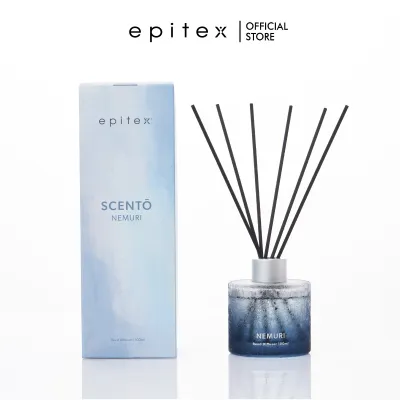
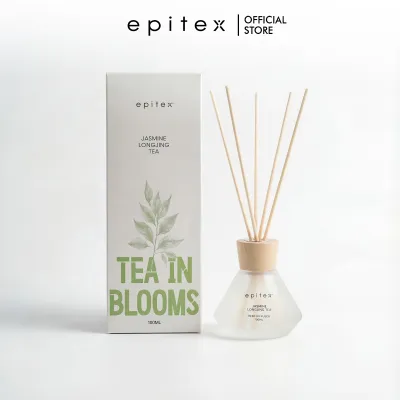
![Shangri-La/ Hilton/ Westin Hotel/ Lavender/ Jasmine/ Gardenia/ Encounter/ English Pear Freesia scent Premium Home Fragrance Aromatherapy Reed Diffuser (120ml/ 135ml/ 150ml) Essential Oil Scents [Re.D]](https://img.lazcdn.com/g/p/2b2fb13a6b9ca796b9298d08316ebba7.jpg_400x400q80.jpg_.webp)
![[KIRONA SCENT] Marina Bay Sands Inspired Fragrance Spray 100ml | Pillow Mist Room Linen & Fabric Spray | Luxurious Hotel & Mall Scents](https://img.lazcdn.com/g/p/df5a8809c5be2396ba95c51e99d7e178.jpg_400x400q80.jpg_.webp)
Prices are valid at publication and may change. Please refer to the product page for the latest price.

Fragrance Concentration and Delivery Formats
The delivery method you choose directly impacts how a fragrance behaves in your home. Room sprays offer an immediate, concentrated burst of scent, making them ideal for quick odor neutralization or setting a sudden mood. However, because they rely on rapid evaporation, their effects are typically short-lived. Reed diffusers, on the other hand, provide continuous, passive scent dispersion. They draw fragrance oil up through porous reeds, releasing a steady, subtle aroma over several weeks. Linen mists are specifically formulated with lower oil concentrations to prevent fabric staining, allowing you to apply scent directly to bedsheets and curtains where the fibers can trap and slowly release the fragrance.
Ingredient Transparency and Formulation
When selecting an everyday brand, closely examine the ingredient list. High-quality home perfumes typically use a base of denatured alcohol, dipropylene glycol, or water, combined with either natural essential oils or synthetic aroma compounds. While natural essential oils are highly prized for their therapeutic qualities, synthetic compounds are often more stable and less prone to rapid degradation in warm climates. Look for brands that openly disclose their ingredient sources and avoid those that use vague terms like “fragrance” without further clarification. Transparency is particularly important if you have sensitive skin, respiratory conditions, or pets in the household.
Price-to-Value Ratio and Refill Options
Daily home perfuming can become a significant ongoing expense, with premium room sprays and diffusers ranging from S$30 to well over S$100 per bottle. To determine the true value of a brand, calculate the cost per milliliter and consider the concentration of the formula. A highly concentrated spray that requires only one or two spritzes to fill a room will last much longer than a cheaper, diluted alternative that requires frequent reapplication. Additionally, prioritize brands that offer eco-friendly refill options. Purchasing a large refill bottle to replenish your existing glass diffusers or spray bottles is not only more sustainable but also significantly reduces the long-term cost of maintaining your home’s scent signature.
Brand Philosophy and Sustainability
As consumers become more environmentally conscious, a brand’s ethical practices have become a key differentiator. Evaluate whether a brand uses recyclable glass packaging, biodegradable reeds, and sustainably sourced ingredients. Certifications such as cruelty-free, vegan, and fair-trade can serve as excellent secondary filters when narrowing down your choices. Supporting brands that prioritize eco-friendly manufacturing processes ensures that your daily sensory indulgence does not come at the expense of environmental health.
Matching Scent Profiles to Different Living Spaces
Every room in your home serves a distinct purpose, and the fragrance you choose should complement and enhance that specific function. Introducing the wrong scent profile can disrupt the harmony of a space, while the right choice can elevate the entire living experience.
Living Areas: Welcoming and Balanced
The living room is the social heart of the home, where family members gather and guests are entertained. For this space, opt for welcoming, balanced fragrances that create an open, airy atmosphere without overwhelming the senses. Citrus-based profiles featuring notes of bergamot, mandarin, or grapefruit are excellent choices, as they provide a bright, uplifting energy. Alternatively, light woody notes such as sandalwood, cedarwood, or white tea offer a sophisticated, grounding presence that appeals to a wide range of preferences. Avoid overly heavy or highly specific scents that might polarize guests or clash with food aromas.
Bedrooms: Calming and Low-Projection
Your bedroom is a personal sanctuary dedicated to rest, relaxation, and sleep hygiene. The fragrance profile here should be incredibly gentle, low-projection, and soothing. Classic calming notes like lavender, chamomile, and ylang-ylang are highly effective at promoting a sense of tranquility. Soft, clean musks and warm vanilla can also create a cozy, comforting cocoon. Because you spend several consecutive hours in this room, ensure the scent is diffused subtly—perhaps through a low-intensity reed diffuser or a light spritz of linen mist on the headboard before sleep—to prevent sensory fatigue or headaches.
Bathrooms and Utility Spaces: Crisp and Clean
Bathrooms and laundry areas are high-moisture zones prone to dampness and unwanted odors. These spaces require crisp, clean, and highly refreshing fragrance profiles that actively promote a sense of hygiene. Herbaceous and camphorous notes like eucalyptus, peppermint, rosemary, and tea tree are exceptionally well-suited for these environments, as they cut through humidity and provide an immediate sensation of cleanliness. Fresh linen, sea salt, and ozone-inspired scents also work beautifully to mimic the crispness of freshly washed laundry, keeping these functional spaces smelling bright and revitalized.
Climate Considerations: Navigating Tropical Humidity
Singapore’s tropical climate presents unique challenges for home fragrance management. The combination of high humidity and consistent warmth accelerates the evaporation of volatile scent molecules, which can cause fragrances to behave differently than they would in cooler, drier climates. Heavy, sweet, or highly resinous scents—such as dense amber, rich patchouli, or intense gourmand notes like chocolate and caramel—can quickly become suffocatingly sweet, cloying, and oppressive in humid air. To maintain a fresh indoor environment, lean toward lighter, crisper formulations. If you run air conditioning frequently, keep in mind that the dry, cool air will slow down scent dispersion, meaning you may need to slightly increase the intensity of your diffusers or apply room sprays more regularly to achieve the desired effect.
Where to Buy and Verify Authenticity in Singapore
With the rising popularity of home fragrances, the market has seen an influx of counterfeit products and unauthorized parallel imports. Ensuring you purchase genuine, high-quality home perfumes is essential for both safety and performance.
Physical Retail and Sensory Testing
The most reliable way to purchase home perfumes is through physical retail channels. Visiting dedicated brand boutiques in major shopping districts like Orchard Road, premium department stores, or curated lifestyle concept stores allows you to experience the fragrance firsthand. Physical shopping is particularly valuable for home perfumes because it enables you to perform sensory testing. When sampling a room spray, spray it onto a clean paper blotter card rather than smelling it directly from the nozzle. Wave the card gently through the air and wait at least five to ten minutes. This allows the sharp alcohol top notes to dissipate, revealing the true middle and base notes that will actually linger in your living space.
Official Online Channels and Verification
If you prefer the convenience of online shopping, always prioritize official brand websites or verified flagship stores on major e-commerce platforms. Avoid purchasing from unauthorized third-party sellers on open online marketplaces, as these listings often feature counterfeit goods or expired stock that has degraded due to improper storage. When buying online, look for official verification badges, read customer reviews carefully, and check the seller’s return policy. Genuine products will always be shipped in secure, branded packaging and will feature clear batch codes and ingredient labels.
Identifying Red Flags for Counterfeits
To protect yourself from counterfeit home perfumes, learn to recognize common red flags. The most obvious indicator is a suspiciously low price; if a luxury brand’s room spray is being sold at a fraction of its standard retail price, it is highly likely to be a fake. Inspect the physical packaging closely upon receipt. Counterfeit products often exhibit poor printing quality, misaligned labels, flimsy cardboard boxes, and cheap plastic nozzles that leak or spray unevenly. Furthermore, genuine home perfumes will always have a batch code stamped or printed on both the bottle and the outer box, allowing you to verify the production date and authenticity.
Safety, Ingredients, and Household Considerations
While home perfumes can significantly enhance your living environment, they must be used responsibly, taking into account the health and safety of all household members, including pets.
Pet Safety and Toxic Compounds
Pet owners must exercise extreme caution when introducing home fragrances. Many common essential oils and synthetic aroma compounds are highly toxic to cats and dogs, whose sensitive respiratory systems and livers cannot process these volatile organic compounds. Oils such as tea tree, eucalyptus, peppermint, citrus, cinnamon, and pine can cause severe adverse reactions, including respiratory distress, drooling, lethargy, and skin irritation. If you have pets, always opt for pet-safe fragrance formulations, keep diffusers completely out of reach, and establish “scent-free zones” where your animals can retreat if they find a fragrance overwhelming. Never spray home perfumes directly onto pet bedding or in close proximity to their food and water bowls.
Managing Respiratory Sensitivities
For individuals living with asthma, allergies, or chemical sensitivities, home perfumes can sometimes act as respiratory triggers. To minimize the risk of irritation, look for brands that offer phthalate-free, paraben-free, and hypoallergenic formulations. Avoid aerosol sprays that utilize chemical propellants, as these fine mists can easily be inhaled deep into the lungs. Instead, opt for gentle, water-based room mists or passive reed diffusers that release scent slowly without atomizing harsh chemicals into the air. If anyone in your household experiences coughing, sneezing, or watery eyes after a fragrance is introduced, discontinue use immediately and thoroughly ventilate the space.
Surface Protection and Application Techniques
The liquid bases used in home perfumes—particularly those containing high concentrations of alcohol or essential oils—can be highly corrosive to certain household surfaces. If sprayed directly onto polished wood, leather, acrylic, or delicate fabrics, these liquids can strip varnishes, cause permanent staining, or degrade the material’s texture. To prevent accidental damage, always spray home perfumes high into the center of the room, allowing the mist to disperse evenly through the air rather than settling directly onto furniture. When using reed diffusers, place a decorative ceramic or glass coaster beneath the bottle to catch any accidental drips or condensation that could mar your tabletop surfaces.
Ventilation Requirements in Modern Homes
Modern Singaporean homes, such as HDB flats and condominiums, are often designed to be highly airtight to maximize air conditioning efficiency. However, this lack of natural airflow can lead to a rapid buildup of concentrated volatile organic compounds (VOCs) from home perfumes, which can become overwhelming and unhealthy over time. To maintain a safe and pleasant indoor environment, ensure adequate ventilation. Open your windows and doors for at least thirty minutes daily to flush out stagnant air and allow fresh air to circulate. If you prefer to keep your home closed, consider using air purifiers equipped with activated carbon filters, which are highly effective at absorbing excess fragrance molecules and maintaining optimal indoor air quality.
Frequently Asked Questions (FAQ)
How long does a typical room spray last in a humid climate?
In Singapore’s warm and humid climate, the volatile top notes of a room spray evaporate much faster than they would in cooler, drier regions. On average, a standard room spray will linger in the air for approximately one to three hours. To prolong the scent’s presence, try spraying the mist near soft, porous home textiles such as curtains, rugs, or fabric sofas, which can trap the fragrance molecules and release them slowly over time. However, always perform a spot test on an inconspicuous area of the fabric first to ensure the spray does not leave oil stains or cause discoloration.
Can I use home perfume on my bedsheets and upholstery?
You should avoid using standard room sprays directly on bedsheets and delicate upholstery unless the product label explicitly states that it is fabric-safe. Standard room sprays often contain higher concentrations of fragrance oils and heavy solvents that do not dissolve completely in water, which can leave unsightly oily rings or yellow stains on light-colored fabrics. For textiles, always choose a dedicated linen mist or fabric spray. These specialized formulas are designed with highly volatile, water-soluble bases that evaporate cleanly without leaving any residue, ensuring your sheets and upholstery remain fresh, clean, and undamaged.
Community discussion
Share your experience or ask a question. Comments are reviewed before publication.