
Finding reliable solar panel lights for outdoor gardens in a tropical climate like Singapore requires looking beyond aesthetic appeal and basic “weatherproof” marketing claims. The combination of intense, year-round ultraviolet (UV) radiation, high relative humidity, and sudden, torrential monsoon downpours creates an exceptionally harsh environment for outdoor electronics. To ensure your garden lighting survives these conditions without short-circuiting, rusting, or dimming prematurely, you must understand how to evaluate the physical construction, ingress protection ratings, and manufacturing standards of different brands. Rather than relying on brand names alone, a systematic evaluation of technical specifications and material quality is the most reliable path to a long-lasting outdoor lighting setup.
Keep in mind that aesthetic choices, such as a modern stainless steel finish versus a rustic lantern design, as well as the perceived color temperature (warm white versus cool white), are conditional preferences that do not influence the actual waterproof performance or durability of the fixture. Your primary focus should remain on the engineering details that keep moisture out of the sensitive electrical components.
Understanding Waterproof Ratings for Solar Garden Lights
The primary indicator of a solar light’s ability to withstand the elements is its Ingress Protection (IP) rating, a standard defined by the International Electrotechnical Commission (IEC). This rating consists of the letters “IP” followed by two digits, each representing a specific level of protection. The first digit, ranging from 0 to 6, indicates protection against solid objects and dust. In a garden environment, a rating of 5 or 6 is essential to prevent fine soil, sand, and insects from entering the housing. The second digit, ranging from 0 to 9, measures protection against liquids. For outdoor garden lights exposed to rain, this second digit is the most critical factor in determining long-term survival.
Products mentioned in this guide
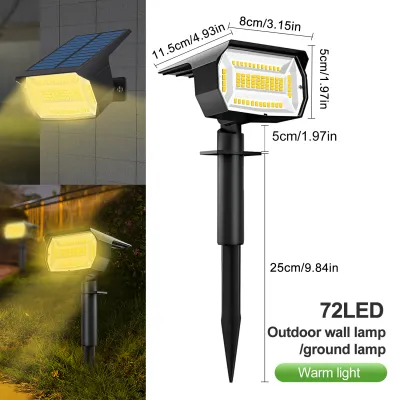
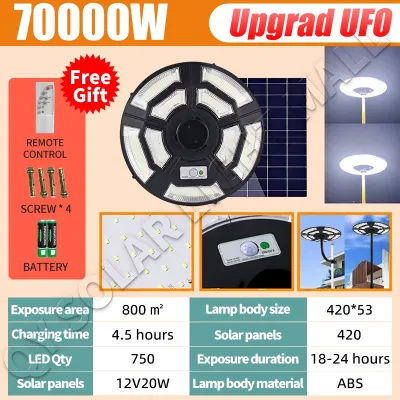
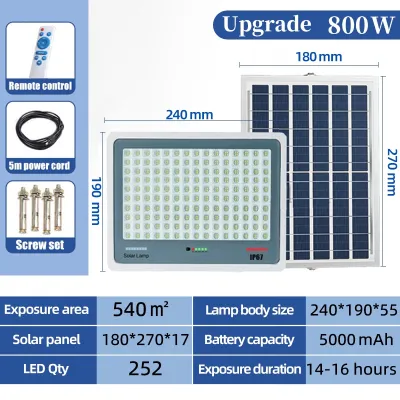
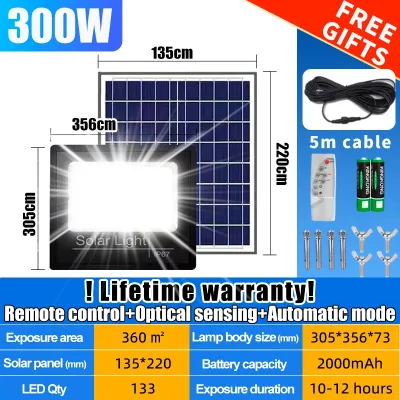
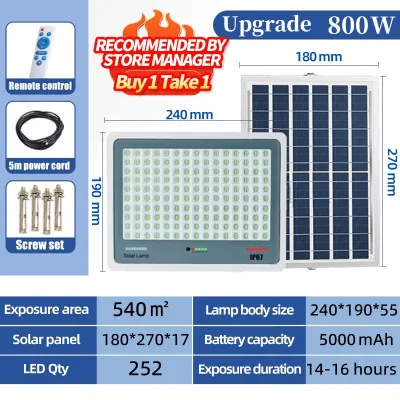
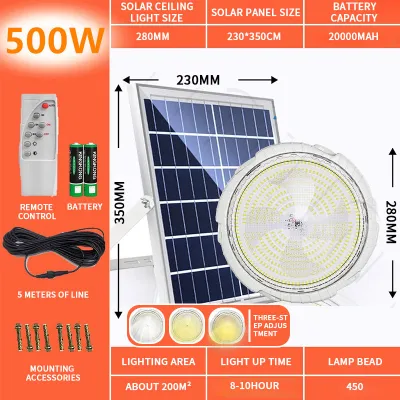
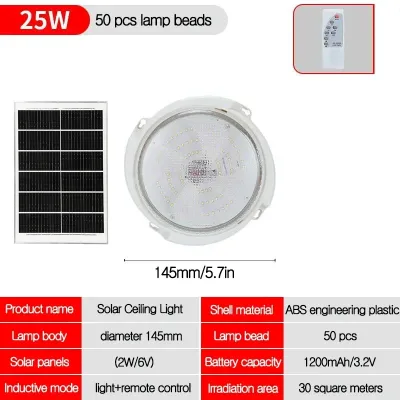
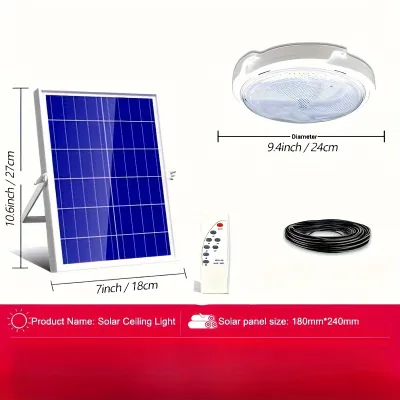
Prices are valid at publication and may change. Please refer to the product page for the latest price.
Understanding the practical differences between these liquid protection levels helps prevent premature product failure. An IP44 rating, common among budget-friendly decorative stake lights, offers protection against splashing water from any direction. While suitable for light drizzle or sheltered patio areas, IP44 fixtures are highly susceptible to water ingress during heavy tropical downpours or when exposed to direct garden sprinkler systems. For true outdoor resilience, look for fixtures rated at least IP65, which can withstand low-pressure water jets from any angle.
If your garden layout places lights in low-lying areas prone to temporary pooling or near ground level where heavy runoff occurs, upgrading to IP67-rated fixtures provides a much safer margin of protection. An IP67 rating certifies that the fixture can survive temporary immersion in water up to one meter deep for a limited duration. This level of protection is highly recommended for ground-level path lights or spotlight systems that may become temporarily submerged during intense storms.
Verifying these ratings requires careful inspection of the product documentation rather than relying on vague marketing terms like “water-resistant” or “outdoor-safe.” Reputable manufacturers clearly print the official IP rating on the product packaging, the user manual, and the specification label affixed to the light itself. When browsing online marketplaces or local home improvement stores, cross-reference the product description with downloadable specification sheets or user manuals. If a brand claims a high level of waterproofing but fails to provide a specific, documented IP rating, it is best to treat the product as a low-protection fixture suitable only for covered or semi-sheltered outdoor spaces.
Key Construction Features for Long-Lasting Outdoor Performance
Beyond the official IP rating, the physical materials used in the construction of a solar panel light dictate how well it maintains its waterproof seal over years of exposure to sun and rain. The housing material must resist both moisture and UV degradation. Cheap, non-UV-stabilized ABS plastic quickly becomes brittle, cracks, and fades under intense sunlight, eventually allowing water to seep through the compromised shell. High-quality fixtures utilize UV-stabilized polycarbonate, heavy-duty ABS, or metals such as powder-coated aluminum and marine-grade stainless steel (such as 304 or 316 grade). For the light cover itself, tempered glass is highly preferred over thin plastic, as glass resists scratching, does not cloud over time, and maintains a rigid, stable seal against the housing.

The integrity of the internal seals and gaskets is the next critical line of defense against moisture. Every point of assembly—where the solar panel meets the frame, where the lens connects to the body, and where the battery compartment opens—must be sealed with a high-quality gasket. Silicone gaskets are superior to standard rubber or foam alternatives because silicone retains its elasticity and sealing properties across a wide temperature range and does not degrade as quickly when exposed to outdoor heat. When evaluating a fixture, check if these gaskets are thick, properly seated in their grooves, and compressed evenly by the assembly screws. A loose or pinched gasket will inevitably fail, leading to internal condensation and electrical short circuits.
For multi-piece solar light setups, such as spotlight systems where a separate solar panel connects to multiple light fixtures via cables, the wiring and connectors require close inspection. Look for heavy-duty, double-insulated cables with threaded, waterproof connectors that feature internal O-rings. These threaded collars prevent water from creeping along the wire and entering the connection point. Additionally, the junction box located on the back of the solar panel must be fully potted—filled with a waterproof epoxy resin—or sealed with a robust gasketed cover. Proper strain relief boots at every cable entry point are also essential to prevent the wires from pulling loose and creating gaps where moisture can enter.
How to Vet Solar Light Brands for Outdoor Durability
When direct laboratory testing data is unavailable, establishing a rigorous vetting process is the best way to identify reliable solar light brands. Start by evaluating the manufacturer’s warranty terms. A brand that stands behind its waterproof claims will typically offer a comprehensive warranty of at least one to two years that explicitly covers water damage, seal failure, and premature component degradation. Be cautious of warranties that exclude water ingress or limit coverage to “indoor use only” for products marketed as outdoor lights. Reading the fine print of the warranty policy provides valuable insight into the manufacturer’s confidence in their product’s sealing technology.
Analyzing verified customer reviews on independent retail platforms and home improvement forums offers practical, real-world performance data. When reading reviews, look past immediate feedback about brightness or initial appearance and focus on long-term durability. Search specifically for terms like “condensation,” “rust,” “corrosion,” “heavy rain,” or “stopped working.” If multiple users report that the lights failed after the first major storm or developed internal fogging within a few months, it indicates a systemic design flaw or poor quality control. Conversely, consistent reports of lights surviving consecutive wet seasons are a strong indicator of reliable construction.
When verifying technical specifications, pay close attention to the operating voltage, battery capacity, and electrical certifications. Most standalone solar garden lights operate on low-voltage direct current (typically 1.2V to 3.7V), which is inherently safer for outdoor wet environments than mains voltage. However, you must still verify the battery type (such as Lithium Iron Phosphate or LiFePO4, which handles heat better than standard lithium-ion) and ensure the charging circuitry has overcharge protection. If the system includes a remote control or dimming options, verify how these settings affect power consumption and whether the dimming receiver is housed in a waterproof compartment. Look for certifications such as CE, RoHS, or FCC, which indicate that the electronic components have been tested for safety and environmental compliance.
Installation and Maintenance to Protect Waterproof Integrity
Proper installation is vital to maintaining the factory-sealed waterproof integrity of your solar garden lights. When positioning your lights, always follow the manufacturer’s guidelines regarding mounting height, tilt angle, and placement. Solar panels should be angled to maximize sunlight exposure while allowing rainwater to run off naturally rather than pooling on the surface. Avoid placing lights in low-lying garden beds, depressions, or areas prone to water accumulation during heavy downpours. Additionally, position the fixtures away from the direct path of high-pressure automated sprinkler systems, as the concentrated force of a sprinkler jet can exceed the pressure limits of standard IP65 seals.
For solar lighting systems that involve fixed wiring—such as wall-mounted solar floodlights or hybrid systems connected to your home’s electrical grid—always prioritize safety. Ensure complete power isolation before beginning any installation work. If the installation requires working at height to mount panels on roofs or high gutters, or if you are integrating the solar system with existing mains power in damp outdoor areas, consult a qualified professional electrician to ensure compliance with local electrical safety codes and proper structural mounting.
Maintaining your solar lights requires gentle cleaning methods to avoid damaging the protective seals and surfaces. Over time, dust, pollen, bird droppings, and algae can accumulate on the solar panel and light lens, reducing charging efficiency and light output. To clean them, use a soft, damp microfiber cloth and mild soapy water. Never use high-pressure water sprayers, pressure washers, abrasive scrubbing pads, or harsh chemical solvents. High-pressure water can easily force its way past rubber gaskets, while abrasive tools and chemicals can scratch the solar panel surface, degrade the rubber seals, and cloud the protective lens, permanently reducing the fixture’s performance.
Routine inspections should be performed at least twice a year to catch potential issues before they cause permanent damage. Check the physical condition of the housing for any cracks, loose screws, or signs of UV degradation. Inspect the seals and gaskets around the battery compartment to ensure they remain soft, pliable, and free of cracks. Open the battery compartment periodically to check for any signs of moisture, white powdery corrosion, or rust on the metal contacts; if moisture is present, dry the compartment thoroughly and replace any damaged batteries. Finally, ensure that cable connections remain tight and that wires are not pinched, frayed, or exposed to sharp garden tools or pests.
Frequently Asked Questions (FAQ)
Can I leave solar garden lights out during heavy monsoon rains?
Yes, provided the lights carry an appropriate waterproof rating of IP65 or higher. During intense monsoon seasons, IP65-rated lights will easily withstand heavy, wind-driven downpours. However, if your garden is prone to temporary flooding or water pooling, standard IP65 lights should not be left in standing water. For low-lying areas where water accumulates, you should either elevate the fixtures on stakes, temporarily move them to higher ground, or ensure you are using IP67-rated lights that are certified to handle temporary submersion.
Does the solar panel itself need to be waterproof?
Yes, the solar panel must be fully waterproof as it is directly exposed to the elements. While the top glass or laminated surface of the photovoltaic cells is naturally impervious to water, the critical vulnerabilities lie at the edges where the panel meets the plastic housing and at the cable entry points on the back. When selecting a solar light, ensure the seam around the solar panel is tightly sealed with silicone or epoxy, and verify that the junction box on the underside is completely sealed or potted to prevent moisture from corroding the electrical connections.
Community discussion
Share your experience or ask a question. Comments are reviewed before publication.