
Achieving an exceptional scent throw and long-lasting fragrance from a reed diffuser relies on three core elements: the chemical formulation of the carrier liquid, the physical structure of the reeds, and the ambient conditions of your room. While many assume that a higher price tag automatically guarantees a room-filling aroma, the reality is governed by how volatile organic compounds evaporate and disperse through indoor air. In Singapore’s unique climate—where homes alternate between high tropical humidity and dry, air-conditioned environments—understanding these technical factors is essential to selecting a product that performs consistently without evaporating prematurely.
To find a reed diffuser that delivers both immediate impact and sustained longevity, you must look beyond brand marketing. By evaluating the carrier base, matching the reed material to the fragrance density, and placing the vessel strategically within your home’s natural airflow, you can maintain a continuous, pleasant olfactory background. This guide breaks down the science of scent dispersion, categorizes the brand landscape available in Singapore, and provides actionable steps to optimize performance in local living spaces.
What Determines Scent Throw and Longevity in Reed Diffusers?
The performance of any reed diffuser is fundamentally dictated by its carrier liquid, which acts as the solvent for the fragrance oils. The carrier liquid controls the rate of evaporation and determines how effectively the scent molecules are lifted into the air.
Products mentioned in this guide
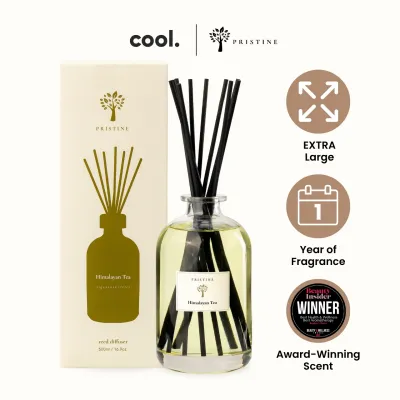
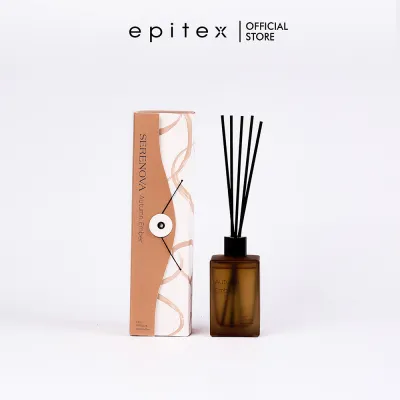
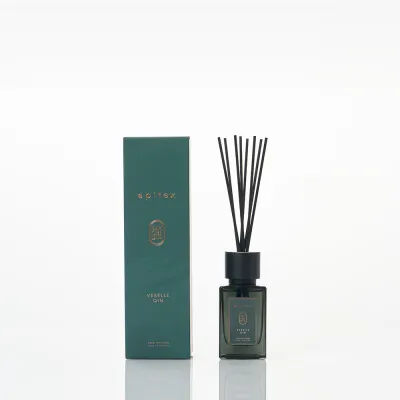
![[6 NEW SCENTS] Hooga Black Series Reed Diffuser 200ml](https://img.lazcdn.com/g/p/1ffd8c3f6be39df0f302c26adff3be23.jpg_400x400q80.jpg_.webp)
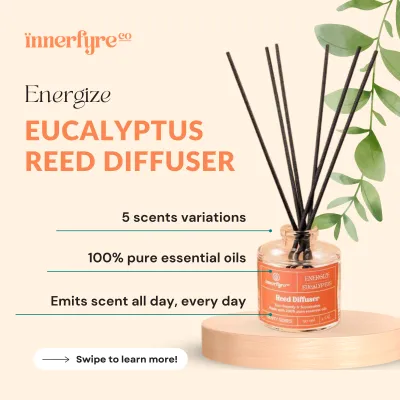
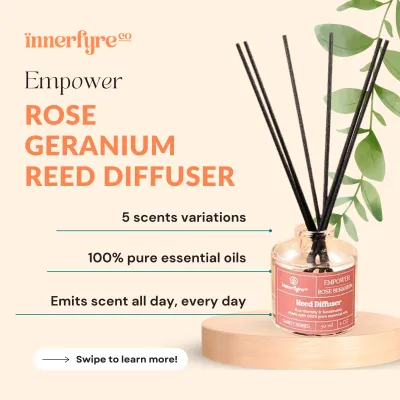
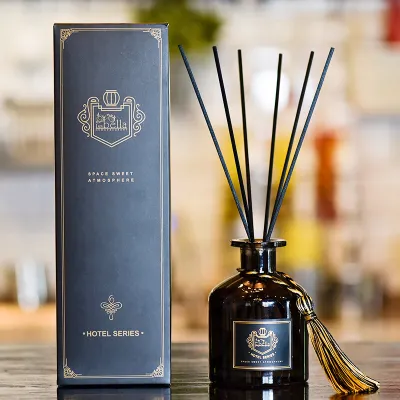

Prices are valid at publication and may change. Please refer to the product page for the latest price.
- Alcohol-Based Carriers: Traditional formulations often use alcohol-based solvents because they evaporate rapidly. This rapid evaporation creates a powerful, immediate scent throw that quickly fills a room. However, the trade-off is a significantly shorter lifespan, as the liquid depletes quickly, sometimes lasting only a few weeks.
- Glycol and Isoparaffin Carriers: Modern, high-quality diffusers frequently utilize non-hazardous, low-evaporation solvents like Dipropylene Glycol (DPG), Isoparaffin, or specialty bio-based solvents such as Augeo (derived from soy). These carriers evaporate at a much slower, controlled rate. While the initial scent throw may feel more subtle compared to alcohol-based blends, they provide a highly stable, long-lasting fragrance release that can persist for several months.
The material of the reeds is the second critical factor, acting as the conduit that draws the liquid upward via capillary action to expose it to the air.
- Natural Rattan Reeds: Rattan contains small, hollow channels (vascular bundles) that naturally wick the liquid upward. However, because rattan is an organic material, these channels can vary in size and are prone to clogging over time, particularly when paired with dense, viscous fragrance oils or when exposed to household dust.
- Synthetic Fiber Reeds: Engineered from polyester or nylon blends, fiber reeds feature highly uniform, porous structures designed specifically for consistent wicking. They absorb and release liquid much faster than rattan, producing a stronger and more reliable scent throw. However, this accelerated wicking means the carrier liquid will be consumed at a faster rate.
Fragrance oil concentration and the molecular structure of the scent notes also dictate perceived longevity. Fragrance profiles are divided into top, middle, and base notes, each evaporating at different speeds based on molecular weight.
- Top Notes: Citrus, mint, and light green notes consist of small, highly volatile molecules. They evaporate quickly, providing an immediate burst of freshness but fading rapidly.
- Middle Notes: Florals, light spices, and fruits evaporate at a moderate rate, forming the heart of the fragrance.
- Base Notes: Heavy molecules like sandalwood, cedarwood, amber, vanilla, and patchouli evaporate very slowly. Diffusers with a high concentration of base notes naturally project a more persistent, long-lasting aroma.
Before purchasing, always check the manufacturer’s specifications for liquid volume and estimated lifespan on the packaging. A standard 100ml diffuser typically lasts between 1 to 2 months, while a 200ml vessel can last 3 to 6 months. Relying on these physical specifications is far more reliable than trusting generic marketing claims of “eternal” fragrance.
Reed Diffuser Brand Categories to Explore in Singapore
Navigating the retail landscape in Singapore requires understanding how different brand categories approach formulation, aesthetics, and pricing. This allows you to align your purchase with your specific expectations for scent subtlety, room coverage, and budget.

International Luxury and Niche Perfumery Brands
These brands treat home fragrance as an extension of fine personal perfumery, focusing on complex, multi-layered fragrance pyramids developed by professional perfumers.
- Characteristics: They utilize premium, heavy glass or ceramic vessels designed to serve as decorative statement pieces. The formulations often prioritize sophisticated, evolving scent profiles over raw, room-filling projection.
- Scent Profiles: Expect intricate combinations such as smoky woods, rare resins, delicate florals, and dry earth notes.
- Price Positioning: Premium high-end, typically ranging from S$100 to S$180+ for a standard 150ml to 200ml unit.
- Best For: Dedicated study rooms, master bedrooms, or formal receiving areas where a subtle, elegant, and non-overwhelming atmosphere is desired.
Local Homegrown and Artisanal Labels
Singapore’s homegrown brands have grown significantly, offering formulations specifically tailored to tropical living conditions and local sensory preferences.
- Characteristics: These brands often emphasize small-batch production, ingredient transparency, and eco-friendly carrier bases. They frequently design their products to withstand local humidity levels without losing their aromatic integrity.
- Scent Profiles: Highly popular options include fresh, botanical, and heritage-inspired notes such as white tea, lemongrass, ginger, orchid, and pandan.
- Price Positioning: Mid-range, generally priced between S$30 and S$70 for 100ml to 200ml.
- Best For: Everyday home use, apartments, and gifts for those who appreciate clean, fresh, and locally relevant botanical profiles.
Accessible Commercial and Lifestyle Brands
Widely available in local shopping malls and online marketplaces, these lifestyle brands focus on immediate appeal, high accessibility, and strong scent projection.
- Characteristics: These products are mass-produced and designed to deliver a powerful, instantaneous olfactory impact. They often use straightforward, highly recognizable scent formulations.
- Scent Profiles: Simple, comforting, and sweet notes such as lavender, vanilla, fresh linen, and bright berries.
- Price Positioning: Budget to lower-mid range, typically retailing from S$15 to S$40.
- Best For: Large, high-traffic areas, open-plan living rooms, or entryways where a strong, welcoming, and easily identifiable scent is preferred.
To choose between these categories, evaluate your personal tolerance for scent strength against your budget. If you prefer a highly intense, immediate aroma and want to cover a large area economically, commercial lifestyle brands are highly effective. If you seek a nuanced, slow-releasing sensory experience that doubles as high-end decor, investing in a luxury or niche brand is more appropriate. For a balanced, fresh, and climate-conscious option, local artisanal labels offer an excellent middle ground.
Choosing the Right Diffuser for Singapore's Climate and Home Layouts
Singapore’s indoor environments are highly variable, often shifting between hot, humid natural ventilation and cool, dry air conditioning. These environmental shifts directly alter how carrier liquids behave and how scent molecules travel through your home.
The Impact of Continuous Air-Conditioning
Air-conditioned rooms feature cold, dry air with active air currents. While the dry air can accelerate the physical evaporation of the liquid from the reeds, the lower temperature actually suppresses the volatility of the fragrance molecules, making the scent feel weaker.
To counter this, place the diffuser away from the direct path of the AC blower unit. Placing it directly under a vent will cause the liquid to dry out too quickly without allowing the scent to disperse evenly throughout the room. Instead, position it in a neutral corner where the room’s ambient air currents can gently distribute the fragrance.
High Ambient Humidity and Natural Ventilation
In non-air-conditioned spaces, such as HDB living rooms with open windows, the high natural humidity slows down the evaporation of water-soluble components, but the constant tropical cross-breezes will carry the scent away rapidly. This continuous airflow accelerates the overall evaporation of the carrier solvent, which can significantly shorten the diffuser’s lifespan.
In these naturally ventilated spaces, avoid placing the diffuser directly on a windowsill where wind can sweep across the reeds, as this will deplete the liquid in a matter of weeks. Place it deeper within the room, away from direct drafts, to allow the scent to pool and disperse gently.
Sizing Guidelines for Singaporean Homes
To ensure optimal performance, match the volume of the diffuser and the number of reeds to the specific square footage of your space:
- Enclosed Bathrooms (30–50 sq ft): A small 50ml to 100ml diffuser is ideal. Use only 2 to 3 rattan reeds. Strong scents can easily become overpowering in small, unventilated wet areas, so a minimalist setup prevents the fragrance from becoming cloying.
- Compact Bedrooms (100–150 sq ft): A 100ml to 150ml diffuser works best. Start with 4 to 5 reeds. If you prefer a modern, clean aesthetic and consistent throw, synthetic fiber reeds are highly recommended here.
- HDB Living Rooms and Open-Plan Spaces (250–400 sq ft): A large 200ml to 500ml vessel is required to make an impact. Use 6 to 8 fiber reeds to maximize the physical surface area available for evaporation. For very large or L-shaped layouts, placing two smaller 100ml diffusers at opposite ends of the room is far more effective than relying on a single large vessel.
Safety and Pet Considerations
When selecting a diffuser, always check the product label for safety warnings, particularly regarding essential oil toxicity. Many common essential oils—such as tea tree, eucalyptus, peppermint, citrus, and ylang-ylang—are highly toxic to cats and dogs if absorbed through the skin or inhaled in high concentrations. Ensure the diffuser is placed on a high, secure shelf completely out of reach of pets and young children to prevent accidental tipping or ingestion.
Practical Tips to Extend Diffuser Lifespan and Boost Scent Throw
Proper maintenance and strategic placement can easily extend the lifespan of your reed diffuser by several weeks while ensuring a consistent fragrance release.
To refresh the scent throw, flip the reeds periodically. For most standard formulations, flipping the reeds once every 1 to 2 weeks is sufficient.
- The Correct Flipping Method: Gently remove the reeds from the vessel using a paper towel to protect your fingers, flip them over, and submerge the dry ends back into the liquid. Avoid flipping them too frequently (such as daily), as this forces the carrier liquid to evaporate at an accelerated rate, rapidly depleting your diffuser without significantly improving long-term performance.
Optimal placement is key to preventing uneven evaporation and accidental damage. Keep your diffuser on a stable, level surface away from direct sunlight, as ultraviolet rays can degrade the chemical structure of fragrance oils, causing them to discolor and lose their scent integrity. Additionally, avoid placing the vessel directly on top of warm electrical appliances, such as television consoles or near refrigerator vents, as the heat generated will speed up evaporation.
Reeds do not last indefinitely. Over time, they become saturated with household dust, airborne grease, and the heavy base molecules of the fragrance oil, which permanently clogs their microscopic pores. If you notice that flipping the reeds no longer boosts the scent, or if the liquid level in the bottle has stopped dropping entirely, the reeds have become clogged. Replace them with a fresh set of reeds rather than continuing to use the old ones or simply adding more liquid to the vessel.
Always use a protective coaster, ceramic tray, or glass plate underneath your diffuser vessel. Carrier solvents and concentrated fragrance oils are highly corrosive to household surfaces. A single drip running down the side of the glass bottle can permanently strip wood varnishes, melt synthetic laminates, or discolor plastic finishes.
If oil spills onto any surface, immediately wipe it clean with a damp cloth and mild soap. Always check your furniture manufacturer’s care instructions and the diffuser’s safety label before applying cleaning agents. If instructions conflict, stop and consult a professional restorer.
Frequently Asked Questions (FAQ)
Why does my reed diffuser stop smelling after a few weeks?
This common issue is usually caused by either olfactory fatigue or physical clogging of the reeds. Olfactory fatigue, often called nose blindness, occurs when your brain becomes accustomed to a constant background scent and stops registering it. To determine if this is the case, step outside your home for a few hours; if the scent is noticeable when you return, your diffuser is working fine.
If the scent is truly gone, the reeds may be physically clogged with dust or heavy oil molecules. To resolve this, replace the old reeds with a fresh set of synthetic fiber or natural rattan reeds, and consider rotating the diffuser to a different room or switching to a different fragrance profile to reset your senses.
Are fiber reeds better than rattan reeds for scent throw?
Yes, synthetic fiber reeds generally offer a stronger and more immediate scent throw than natural rattan reeds. Fiber reeds are engineered with highly uniform, open pores that wick the carrier liquid upward rapidly and consistently. This makes them exceptionally effective for dense, oil-based formulations that might otherwise struggle to climb up natural channels.
However, because fiber reeds wick liquid so efficiently, they consume the carrier mixture faster. If your priority is maximum scent projection, choose fiber reeds; if you prefer a slower, more gradual release and a longer-lasting product, natural rattan is often the better choice.
Can I dilute a reed diffuser if the scent is too strong?
No, you should never attempt to dilute a reed diffuser by adding water or unauthorized household solvents. Adding water will disrupt the chemical emulsion of the fragrance oils and carrier base, turning the mixture cloudy, causing the oils to separate, and permanently ruining the wicking capability of the reeds.
If a fragrance is too intense, the safest and most effective solution is to physically reduce the rate of evaporation. Simply remove a few reeds from the vessel to decrease the surface area available for wicking, or move the diffuser to a larger, more open, or better-ventilated area of your home until the scent reaches a comfortable level.
Community discussion
Share your experience or ask a question. Comments are reviewed before publication.