
Selecting the right indoor wall lights for your home in Singapore involves balancing aesthetic appeal with technical reliability. In a market filled with diverse lighting options, identifying a trusted brand requires looking beyond surface-level designs. Singapore’s unique residential environment—characterized by high relative humidity, concrete wall construction, and specific electrical regulatory standards—demands fixtures that are built to last and safe to operate. By understanding how to evaluate manufacturing quality, verify local safety compliance, and select the appropriate designs for different rooms, you can make an informed investment that enhances your living space for years to come.
Core Criteria for Evaluating Wall Light Brand Reliability
When assessing the reliability of a wall light brand, the warranty structure serves as a primary indicator of manufacturer confidence. A reputable brand typically offers a clear, multi-year warranty that explicitly outlines what is covered. For integrated LED fixtures, look for warranties that cover both the LED emitter board and the electronic driver, as the driver is often the component most susceptible to premature failure. Furthermore, verify whether the brand maintains a local service center or an authorized distributor network in Singapore. Having a local point of contact simplifies the claims process, saving you from the high shipping costs and long waiting times associated with sending defective items back to overseas factories.
Material selection is another critical factor that separates durable fixtures from low-quality alternatives. Singapore’s tropical climate, with its high humidity levels, can quickly cause inferior metals to rust, tarnish, or peel. Trusted brands utilize high-grade materials such as die-cast aluminum, solid brass, or treated stainless steel with protective powder-coated or electroplated finishes. The construction of the housing also plays a vital role in thermal management. LEDs generate heat during operation, and if this heat is not dissipated efficiently, the lifespan of the light source decreases rapidly. Reliable brands design their fixtures with robust aluminum heat sinks that draw warmth away from the sensitive electronics, ensuring stable performance over time.
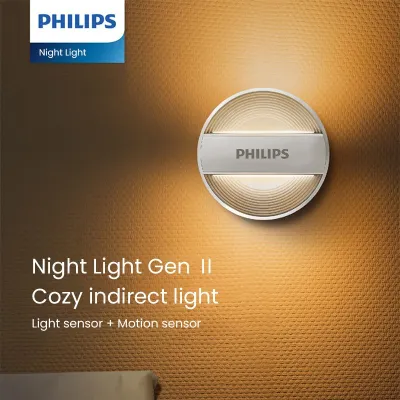
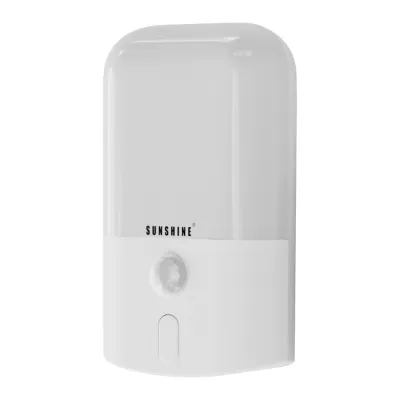
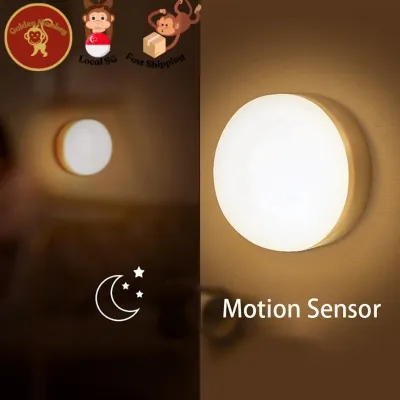
Products mentioned in this guide
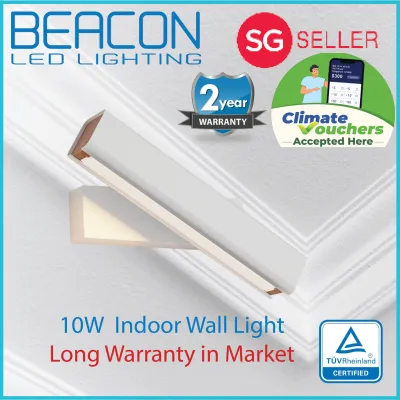
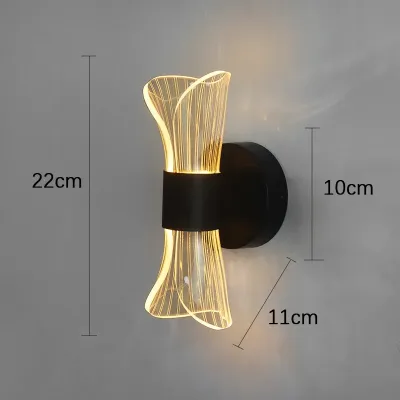
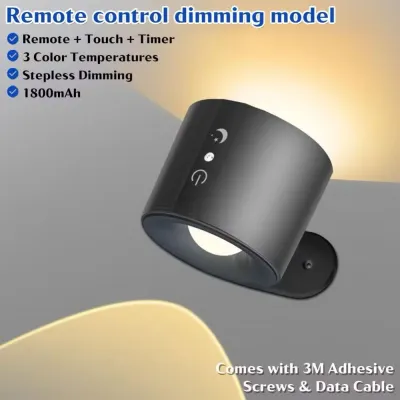
![[Local Stock] Led Touch Light 3A Battery Modern Wall Square Home Saving Small Night Touch Light Bathroom toilet Lamp](https://img.lazcdn.com/g/p/2c6969b0c18dbf68188bfbca874cc852.jpg_400x400q80.jpg_.webp)
Prices are valid at publication and may change. Please refer to the product page for the latest price.
Additionally, pay close attention to the consistency of product specifications and the clarity of the manufacturer’s documentation. A trustworthy brand provides comprehensive technical data sheets detailing the luminous efficacy, Color Rendering Index (CRI), power factor, and beam angles of their products. They also supply clear, step-by-step installation instructions and maintain a steady supply of replacement parts, such as compatible drivers or modular LED chips. This level of transparency and support ensures that if a component does fail after the warranty period, you can easily source a replacement rather than having to discard the entire fixture.
Navigating Electrical Safety and Compliance Standards
Electrical safety is paramount when installing permanent fixtures in your home. In Singapore, the Consumer Protection (Safety Requirements) Registration Scheme, managed by Enterprise Singapore, regulates controlled goods to ensure they meet stringent safety standards. While simple light fittings without active electronic components may not always require registration, any integrated LED wall lights supplied with external LED drivers or power adapters must carry the SAFETY Mark. This blue square logo, accompanied by a unique registration number, certifies that the electrical component has been tested and approved for safe use in local households. Always verify the presence of this mark on the driver or adapter before proceeding with installation.

Voltage compatibility is another critical technical specification to verify. Singapore’s electrical grid operates at a nominal voltage of 230V AC at a frequency of 50Hz. Lighting fixtures imported directly from regions with different electrical standards, such as North America (which uses 120V), may not function correctly or could pose severe electrical hazards if connected directly to local mains power. Ensure that any brand you consider explicitly rates its fixtures or drivers for 220V–240V operation.
Furthermore, you must select fixtures with the appropriate Ingress Protection (IP) rating based on where they will be installed. The IP rating consists of two digits: the first indicates protection against solid objects, and the second indicates protection against liquids. For dry indoor areas like living rooms, bedrooms, and hallways, a standard IP20 rating is perfectly adequate. However, for damp environments like bathrooms, utility yards, or semi-outdoor balconies, you must choose fixtures with higher IP ratings. For instance, wall lights installed near washbasins or outside shower cubicles should carry at least an IP44 rating to protect against splashing water from any direction.
While local compliance is essential, international safety certifications can provide additional peace of mind. Certifications such as CE (Conformité Européenne), TÜV Rheinland, or RoHS (Restriction of Hazardous Substances) indicate that a brand adheres to rigorous global manufacturing, safety, and environmental standards. A brand that consistently subjects its products to third-party testing is far more likely to deliver a safe and reliable product than one that relies solely on self-declaration.
Selecting the Right Wall Light Design for Indoor Spaces
Different areas of your home serve distinct functions, and the wall lights you choose should reflect these specific needs. In corridors, hallways, and transition spaces, wall lights are primarily used to provide safe passage and create a welcoming atmosphere. Because these areas are often narrow, particularly in HDB flats and condominiums, it is wise to prioritize low-profile, compact designs that do not protrude excessively from the wall. This minimizes the risk of accidentally bumping into the fixtures while carrying items. Additionally, opt for low-glare designs, such as up-and-down wall sconces, which direct light toward the ceiling and floor rather than directly into your eyes. If you plan to integrate motion sensors or smart home switches for hands-free operation, ensure the brand’s fixtures are fully compatible with these control systems without causing flickering.
For bedrooms and living rooms, wall lights are typically used to create ambient layers or highlight architectural features. In these spaces, dimming capability is highly desirable, allowing you to adjust the light levels to suit different times of day or activities. When evaluating brands, check whether their dimmable fixtures support common local dimming protocols, such as trailing-edge phase dimming or smart wireless protocols. Color temperature consistency is also crucial; look for brands that guarantee tight color binning, ensuring that if you purchase multiple warm white (typically 2700K to 3000K) fixtures, they will all emit the exact same shade of light. For bedside installations, consider fixtures that combine a soft ambient backlight with an adjustable, focused reading arm, providing dual functionality within a single unit.
In bathrooms and utility areas, functional safety and material durability take precedence. The high humidity and steam generated by hot showers can quickly degrade standard indoor fixtures. Ensure that any wall light destined for these zones is constructed from moisture-resistant materials, such as sealed glass, acrylic, or treated metals, and carries the appropriate IP rating. Avoid fabric shades or untreated wood elements in these areas, as they can trap moisture, leading to mold growth and rapid deterioration.
Sourcing Authentic Products and Verifying Retailers
To ensure you receive genuine products backed by full manufacturer support, it is important to purchase from reputable sources. Authorized brand showrooms and established local lighting specialists are generally the safest options. These physical retailers allow you to inspect the build quality, material finishes, and light output of the fixtures in person before making a purchase. Furthermore, their staff can provide valuable technical advice regarding compatibility with your home’s electrical setup and assist with warranty claims should any issues arise.
If you prefer the convenience of shopping on online marketplaces or ecommerce platforms, extra diligence is required. Many online storefronts sell parallel-imported or grey-market goods that may not comply with local safety standards or carry valid local warranties. When browsing these platforms, look for official brand stores or verified local sellers with high ratings and positive customer feedback. Always read the product descriptions carefully to confirm that the item is rated for 230V and includes a local warranty.
Be vigilant for red flags that may indicate counterfeit or substandard products. An unusually low price compared to the market average is often a sign of compromised quality, such as the use of cheap, unbranded LED drivers or thin, easily corroded metal housings. Other warning signs include missing instruction manuals, non-standard wiring colors that do not match Singapore’s electrical code, or the absence of any safety certification markings on the product packaging or the fixture itself. Investing in a slightly more expensive, authentic product from a verified retailer is always safer and more cost-effective in the long run than risking electrical failures or fire hazards with unverified goods.
Professional Installation and Long-Term Maintenance
Proper installation is critical to the safety and performance of your wall lights. In Singapore, any work involving fixed electrical wiring—such as installing new wall light points, extending existing circuits, or replacing hardwired fixtures—must be carried out by a Licensed Electrical Worker (LEW). Attempting to perform fixed wiring work yourself is not only highly dangerous but also a violation of local regulations. A licensed professional will ensure that the wiring is safely routed, properly grounded, and compliant with the CP 5 Code of Practice for Electrical Installations. For simple maintenance tasks, such as replacing a burnt-out bulb in a fixture with a standard screw-in (E27) or twist-lock (GU10) base, you can safely handle the task yourself, provided you isolate the power at the main distribution board (DB box) beforehand.
To maintain the appearance and performance of your wall lights over time, establish a regular cleaning routine. Different materials require specific care to avoid damaging their finishes. For glass shades or acrylic diffusers, turn off the power, allow the fixture to cool completely, and wipe the surfaces with a soft, damp microfiber cloth. For metal fixtures, particularly those with delicate electroplated or brushed finishes, use a dry or slightly damp cloth without any harsh chemical cleaners, abrasive pads, or solvents, which can strip away the protective clear coat and lead to rapid oxidation. Fabric shades should be gently dusted with a soft brush or a low-suction vacuum attachment to prevent dust buildup from staining the material.
It is also important to monitor your lighting fixtures for early signs of electrical wear or component degradation. If you notice persistent flickering, buzzing sounds, delayed turn-on times, or a significant drop in brightness, these are clear indicators that the LED driver or the internal wiring is failing. Do not ignore these signs, as a failing driver can overheat and pose a safety risk. Isolate the power to the affected fixture immediately and contact a qualified professional to inspect, repair, or replace the faulty components.
Frequently Asked Questions (FAQ)
Do integrated LED wall lights last longer than those with replaceable bulbs?
Integrated LED wall lights are designed with the light source built directly into the fixture, allowing for optimized thermal management and highly efficient heat dissipation. Under optimal operating conditions, these integrated systems can last significantly longer than traditional replaceable bulbs, often rated for 25,000 to 50,000 hours of use. However, this design presents a distinct maintenance trade-off: if the integrated LED chip or its electronic driver fails, the entire fixture typically needs to be replaced or repaired by a specialist. In contrast, fixtures with replaceable bulbs (such as E27 or GU10 bases) offer simpler maintenance, as you can easily swap out a failed bulb yourself, though the individual bulbs generally have shorter lifespans and the fixtures may offer less design flexibility.
Can I use outdoor-rated wall lights for indoor spaces?
Yes, you can safely install outdoor-rated wall lights in indoor spaces. Outdoor fixtures are built to withstand harsh weather conditions, meaning they carry higher Ingress Protection (IP) ratings (such as IP44, IP54, or IP65) and are constructed from highly durable, corrosion-resistant materials. This makes them excellent choices for damp or high-moisture indoor environments, such as bathrooms, laundry rooms, or indoor gardens. However, keep in mind that outdoor-rated lights are often bulkier, more expensive, and designed with a more rugged, industrial aesthetic that may not align with the refined interior decor of living rooms or bedrooms.
Community discussion
Share your experience or ask a question. Comments are reviewed before publication.