
Telling a genuine antique sculpture from a modern reproduction requires a systematic approach that combines physical inspection, material analysis, and documentation review. The antique decor market is filled with various types of non-original pieces, making it essential to understand exactly what you are looking at before making a purchase. Distinguishing between deliberate forgeries made to deceive, honest modern reproductions created for decorative purposes, and genuine antiques is the first step toward building a valuable collection.
Misidentifying a sculpture can lead to significant financial loss, such as overpaying thousands of S$ for a modern replica. Beyond the financial aspect, understanding the true origin of a piece preserves historical integrity and ensures your home decor collection holds its intended value. By learning the key indicators of age and craftsmanship, you can navigate the market with confidence and make informed purchasing decisions.
Conducting Visual and Physical Inspections for Age and Craftsmanship
Real age shows in uneven wear and natural degradation. A bronze sculpture will develop a natural patina over decades due to oxidation and handling, showing lighter areas where it has been touched frequently and darker, deeper coloration in recessed areas. Artificial patinas, often created with chemicals or rapid heat treatments, tend to look overly uniform, dusty, or oily, and they may emit a faint chemical odor. For stone or wooden sculptures, look for natural dirt accumulation in crevices rather than painted-on grime.
Products mentioned in this guide
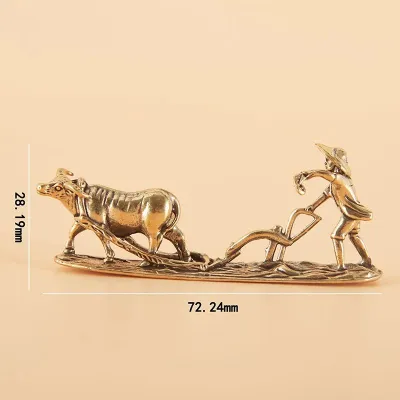
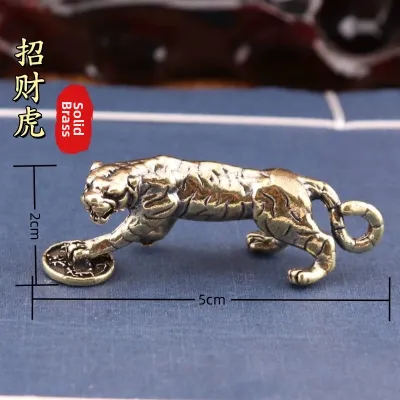
Prices are valid at publication and may change. Please refer to the product page for the latest price.
Examine the construction and manufacturing marks closely. Cast metal sculptures from modern eras often show distinct casting seams from two-part molds, whereas older lost-wax casting methods minimize these lines or require extensive hand-chasing to remove them. Wooden sculptures carved by hand will show slight irregularities, subtle tool marks, and asymmetrical details. In contrast, machine-carved reproductions feature perfectly symmetrical lines and uniform depths that reveal modern mechanical routing.
Turn the sculpture over to inspect the base and internal cavities. The underside of a genuine antique is rarely finished perfectly, often showing signs of hand-tooling, irregular oxidation, or older mounting hardware. If you spot perfectly uniform, bright metallic threads, modern hex nuts, or clean, circular drill holes, the piece has likely been assembled or modified recently.
The physical heft of a sculpture should also match its purported material. For instance, a genuine bronze sculpture feels significantly heavier and colder to the touch than a cold-cast resin reproduction painted to look like metal. Similarly, aged wood loses moisture over time and may feel lighter than expected, yet it should still retain its structural integrity without feeling hollow or artificially lightened.
Verifying Provenance and Historical Documentation
Provenance is the documented history of a sculpture’s ownership, and it serves as a critical tool for verification. When evaluating a high-value piece, ask for certificates of authenticity, historical auction catalogs, exhibition records, or receipts from established galleries. A continuous, verifiable chain of ownership significantly reduces the risk of purchasing a modern copy.

Always cross-reference the documentation with the physical object. If a gallery receipt from several decades ago describes a marble bust with specific dimensions, verify those measurements precisely. The style, material, and wear of the sculpture must align perfectly with the timeline presented in the documents. Any discrepancy between the physical evidence and the written record is a major warning sign.
Be skeptical of documents that look artificially aged, use overly generic templates, or lack verifiable contact information. Scammers sometimes use tea-staining or artificial creasing to make modern paper look old. Check for anachronisms, such as modern fonts, digital printing techniques, or contemporary terminology on documents that claim to be decades old. If the documentation cannot be independently verified through public archives or established institutions, treat it as non-existent.
Identifying Red Flags and Common Signs of Modern Copies
Handcrafted antiques are inherently imperfect. If a sculpture exhibits flawless symmetry, perfectly smooth surfaces, and identical repeating patterns, it is highly likely a product of modern industrial manufacturing. Natural materials like stone, wood, and hand-poured metals always carry subtle variations, minor structural flaws, and unique textures that machines cannot replicate without looking forced.
Inspect the piece for materials and techniques that did not exist during the claimed historical period. Look for synthetic adhesives, modern plastics, or epoxy resins used to join parts or fill gaps. If you observe tiny, parallel ridges on the surface under magnification, these may be layer lines from 3D printing, which is increasingly used to create molds for modern replicas.
The paints, binders, and protective coatings used on a sculpture can reveal its true age. Modern acrylic paints, polyurethane varnishes, and synthetic lacquers have a different chemical composition and reflective quality compared to historical milk paints, natural shellacs, or beeswax finishes. Under ultraviolet light, modern adhesives and synthetic finishes often fluoresce brightly, exposing recent interventions or complete modern construction.
Knowing When to Stop and Seek Professional Appraisal
While basic visual and physical checks are excellent starting points, they have clear limitations. If a sculpture is highly valuable, features complex material compositions, or presents conflicting physical evidence, DIY methods are no longer sufficient. Attempting to perform advanced chemical tests or invasive material sampling without training can permanently damage the artwork and diminish its value.
When in doubt, consult qualified professionals who specialize in the specific material or historical period of your sculpture. Certified art appraisers, specialists at reputable auction houses, and museum curators possess the expertise and access to scientific testing equipment needed for definitive verification.
Remember that no single visual check or basic document review can guarantee absolute authenticity. Professional validation remains the safest path to ensure your investment is protected, especially when dealing with high-end decorative artifacts or historical sculptures. For heavy or wall-mounted sculptures, always consult a professional installer to ensure secure mounting and structural safety, preventing damage to both the piece and your home.
Frequently Asked Questions (FAQ)
Can a genuine antique sculpture have modern repairs or replacement parts?
Yes, genuine antique sculptures often undergo restoration over their long lifespans to preserve their structural integrity. It is crucial to distinguish between acceptable historical conservation—such as stabilizing a hairline crack with period-appropriate materials—and deceptive alterations designed to mask major damage or fabricate missing sections. Modern repair materials like synthetic resins or epoxy can often be detected under ultraviolet light, and while they do not necessarily negate the piece’s antique status, extensive modern replacements can significantly lower its overall market value.
Does a signature or maker's mark guarantee a sculpture is authentic?
No, a signature, stamp, or foundry mark is never a standalone guarantee of authenticity. Marks are among the easiest elements for modern reproduction artists and counterfeiters to copy, forge, or add to a piece after its creation. To verify a mark, you must cross-reference its style, font, and application method with documented historical records of the artist or foundry. The mark must also show the same natural wear and aging patterns as the rest of the sculpture; a crisp, clean signature on an otherwise heavily worn base is a major red flag.
Community discussion
Share your experience or ask a question. Comments are reviewed before publication.