
When searching for the most energy-efficient outdoor solar lantern brands for your Singapore home, the key is to evaluate the technical specifications of their components rather than relying on brand names alone. Because solar lighting technology is highly modular, a single brand rarely holds a monopoly on efficiency. Instead, the most efficient lanterns are those that combine high-conversion monocrystalline solar panels, durable lithium iron phosphate (LiFePO4) batteries, and high-efficacy light-emitting diodes (LEDs) boasting a high lumens-per-watt ratio. By understanding how to audit these specifications, you can select a reliable brand that maximizes power savings and withstands the local tropical climate.
Defining True Energy Efficiency in Off-Grid Lighting
True energy efficiency in off-grid solar lighting is not determined by a single component, but by how effectively the entire system captures, stores, and converts solar energy into light. A highly efficient solar lantern must balance three core elements: the solar panel’s conversion rate, the battery’s storage capacity, and the LED’s power consumption. If any of these components is low-quality, the entire system’s efficiency drops, leading to dim lighting or short runtimes.
Because of this modular nature, a single universally “most efficient” brand does not exist. Many manufacturers offer multiple product tiers, ranging from budget-friendly models to premium, high-performance fixtures. A brand’s budget line might use cheaper, less efficient components to keep costs down, while their premium line utilizes state-of-the-art technology.
Products mentioned in this guide
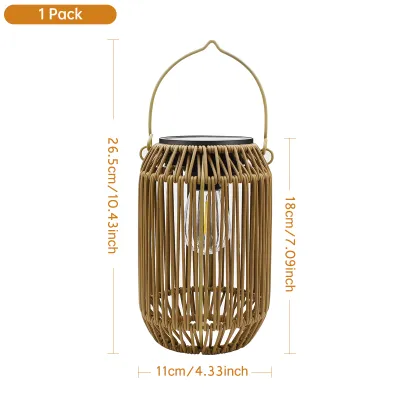
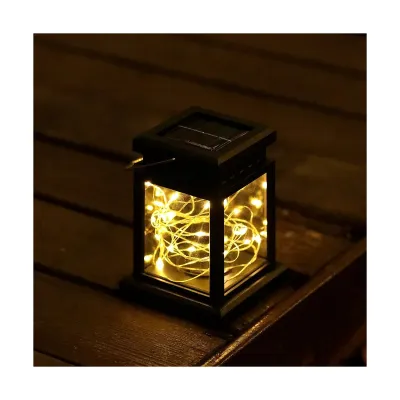
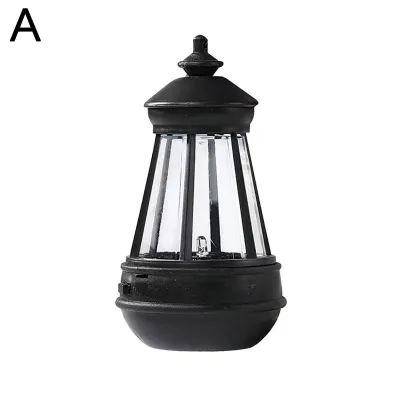
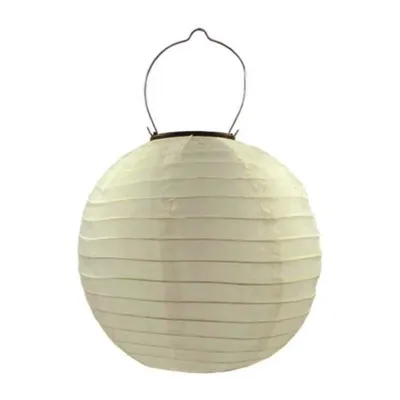
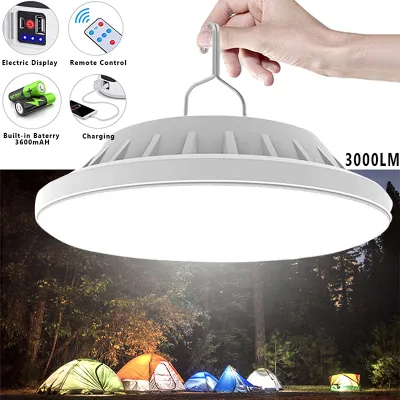
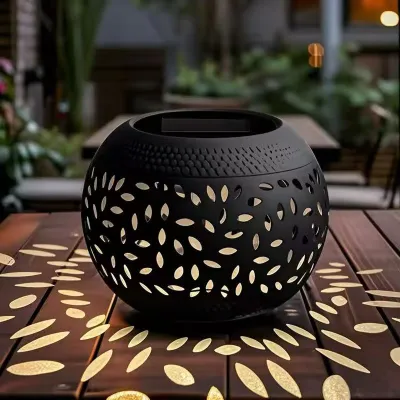
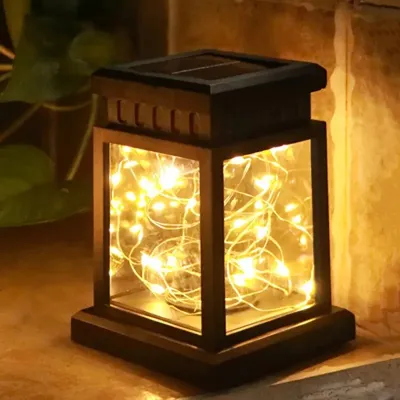
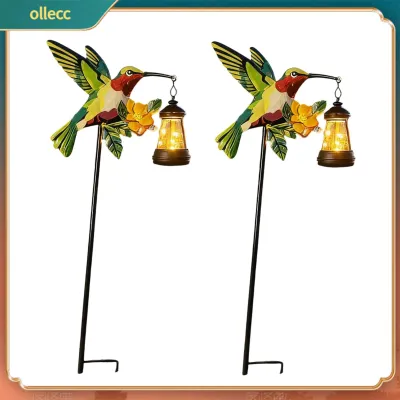
Prices are valid at publication and may change. Please refer to the product page for the latest price.
Therefore, as a buyer, you must look past marketing slogans and brand reputation. Evaluating individual product specifications is the only reliable way to ensure you are purchasing a truly energy-efficient outdoor solar lantern.
Technical Specifications to Check Before Buying
To find the most efficient models, you need to know how to read the technical specifications on the product packaging or listing. The first metric to check is the luminous efficacy, measured in lumens per watt (lm/W). This value tells you how much light (lumens) the lantern produces for every watt of electricity it consumes. Look for brands that explicitly state both the wattage of the LED and the total lumen output so you can verify this ratio. High-efficiency, modern LED diodes can easily exceed 100 lm/W, whereas older or cheaper diodes may produce far less light for the same power draw.

The battery chemistry is another critical factor for efficiency and longevity. Most modern solar lanterns use either Lithium-ion (Li-ion) or Lithium Iron Phosphate (LiFePO4) batteries. While Li-ion is common, LiFePO4 represents the gold standard for outdoor solar lighting. LiFePO4 batteries can withstand up to 2,000 charge-discharge cycles before their capacity degrades, compared to just 300 to 500 cycles for standard Li-ion. They also offer superior thermal stability, which is essential for Singapore’s year-round hot weather. Avoid brands that still use outdated Nickel-Metal Hydride (NiMH) batteries, as they degrade rapidly under high ambient temperatures.
The type of solar panel used also directly impacts how quickly and efficiently the battery charges. Monocrystalline silicon panels are the most efficient option available for residential solar lanterns, offering conversion rates of 18% to 22%. This allows them to convert a higher percentage of sunlight into electricity within a smaller surface area. Polycrystalline panels, recognizable by their blue, speckled appearance, are cheaper but only offer conversion efficiencies of 13% to 16%. For homes with limited balcony space or partial shade, monocrystalline panels are essential.
Finally, look for brands that integrate smart charge controllers. A smart controller acts as the brain of the lantern, regulating the flow of electricity from the panel to the battery. It prevents overcharging during peak sun hours and protects the battery from deep discharge at night. High-quality brands use these controllers to optimize charging efficiency and manage power distribution, automatically dimming the light when the battery is low to ensure the lantern remains functional throughout the night.
Adapting Your Choice to Tropical Weather Conditions
Singapore’s tropical climate features high humidity, sudden downpours, and prolonged periods of cloud cover, particularly during the monsoon seasons. To maintain consistent lighting, you must look for brands that offer high battery redundancy. This means the battery capacity should be large enough to store multiple days’ worth of power. If a lantern’s battery can only hold enough charge for a single night, a single rainy afternoon will leave you in the dark. Opt for models where the battery capacity (measured in milliampere-hours, mAh, or watt-hours, Wh) is oversized relative to the daily consumption of the LED.
Because Singapore lies near the equator, the sun passes almost directly overhead, but its path shifts slightly north and south throughout the year. To capture the maximum amount of solar energy, adjustable solar panel mounts are highly advantageous. Fixed panels that lie completely flat can accumulate water and dirt, while panels fixed at steep angles may miss peak midday sun. Look for brands that feature independent, tiltable solar panels. This design allows you to angle the panel to face the open sky directly, bypassing obstructions like balcony ceilings or roof overhangs.
High humidity and heavy tropical rain can quickly ruin poorly sealed outdoor electronics. Water ingress causes short circuits, corrosion, and rapid battery degradation, completely destroying the lantern’s efficiency. When evaluating brands, check the Ingress Protection (IP) rating. For outdoor solar lanterns exposed to the elements in gardens or open patios, an IP65 rating is the minimum standard. This ensures the housing is dust-tight and protected against water jets from any direction. For highly exposed areas, an IP67 rating offers even greater protection against temporary submersion during severe storms.
How to Vet Brand Claims and Spot Red Flags
When shopping on online marketplaces, you will encounter countless listings promising “super bright” illumination or “all-night performance.” Reliable brands do not rely on subjective adjectives; they provide concrete technical specifications. Always look for a detailed spec sheet that lists the solar panel wattage, battery capacity, LED power draw, and lumen output. If these details are missing or buried, it is a major red flag indicating a low-quality product.
A manufacturer’s warranty is another strong indicator of component quality. Brands that use high-efficiency monocrystalline panels and durable LiFePO4 batteries typically offer a warranty of 12 to 24 months. Conversely, brands selling cheap, low-efficiency lanterns rarely offer warranties beyond a standard return policy. A longer warranty shows that the brand has engineered the product to survive outdoor conditions, giving you peace of mind that your investment will last.
Ensure the solar lantern carries recognized safety and quality certifications, such as CE, RoHS, or FCC marks. These certifications verify that the electronic components, including the lithium battery and charge controller, have undergone safety testing. This is particularly important for outdoor fixtures exposed to high heat, as poorly manufactured lithium batteries can pose a safety risk.
Be highly skeptical of extreme claims paired with low prices. For example, if a lantern priced at S$15 claims to offer 2,000 lumens of brightness and a 10,000 mAh battery, the math simply does not work. High-capacity batteries and high-efficiency solar panels are premium components that carry a certain manufacturing cost. If a deal seems too good to be true, the product likely uses recycled, low-capacity batteries and inefficient polycrystalline panels that will fail within a few months.
Installation and Maintenance for Peak Efficiency
Even the most efficient solar lantern will underperform if it is installed in the shade. When mounting your lanterns, identify spots that receive at least four to six hours of direct, unobstructed sunlight daily. Avoid placing them directly under dense tree canopies, building overhangs, or balcony roofs. Additionally, keep solar lanterns away from competing artificial light sources, such as bright streetlights or corridor lighting. Most solar lanterns use built-in light sensors to detect dusk; ambient light from other sources can trick the sensor, preventing the lantern from turning on automatically.
Singapore’s urban environment can lead to a rapid buildup of dust, soot, and bird droppings on solar panels. This debris forms a physical barrier that blocks sunlight, drastically reducing the panel’s conversion efficiency. To maintain peak performance, establish a routine cleaning schedule. Gently wipe the solar panel with a damp, soft microfiber cloth once every few weeks. Avoid using harsh chemical detergents, abrasive scrubbing pads, or high-pressure water sprays, as these can scratch or crack the protective cover, permanently degrading the panel’s ability to harvest light.
To prolong the lifespan of your lantern’s battery, avoid letting it remain completely discharged for extended periods. If you plan to store the lanterns during home renovations or long travel, charge them fully under the sun first, then turn them off using the physical power switch before storing them in a cool, dry place. For any installation involving work at height, heavy suspended loads, or integration with existing electrical systems, always prioritize safety. Ensure the power is isolated if dealing with hybrid solar-wired systems, follow the manufacturer’s mounting instructions carefully, and consult a qualified professional if secure structural anchoring is required.
Frequently Asked Questions (FAQ)
Do higher lumens always mean lower energy efficiency?
Not necessarily. While it is true that producing more light (higher lumens) requires more electrical power, true energy efficiency is determined by the luminous efficacy of the LED diodes, measured in lumens per watt (lm/W). A highly efficient, modern LED can produce 150 lumens using just 1 watt of power, whereas an older, inefficient LED might require 3 watts to produce the same brightness. Therefore, a high-lumen lantern can still be highly efficient if it uses premium diodes. Additionally, many energy-efficient brands incorporate smart features like adjustable brightness settings, dimming schedules, or motion sensors. These features allow the lantern to operate at a lower, power-saving lumen level throughout the night, boosting brightness to maximum only when motion is detected.
How long should a fully charged solar lantern last overnight?
A well-designed, energy-efficient solar lantern should easily last between 8 to 12 hours on a full charge, covering the entire night from dusk to dawn. You can estimate the theoretical runtime of any model by dividing its battery capacity (in watt-hours, Wh) by the power consumption of the LED (in watts, W). For example, a lantern with a 3.7V 2000mAh battery has a capacity of 7.4Wh. If the LED draws 1W of power, the lantern can run continuously for approximately 7.4 hours at full brightness. To extend this runtime, many premium brands utilize smart power-saving modes. Instead of running at 100% brightness continuously, these lanterns might run at full power for the first four hours of the evening, then automatically dim to 30% brightness for the remainder of the night, or rely on motion sensors to conserve energy.
Community discussion
Share your experience or ask a question. Comments are reviewed before publication.