
Identifying genuine agarwood joss sticks requires a multi-sensory approach that combines visual inspection, unlit scent evaluation, and careful observation of the burning process. Because high-quality agarwood is rare and highly valued, the market contains many counterfeit products made with synthetic perfumes and cheap wood powders. Relying on a single test is rarely sufficient to verify authenticity. Instead, a systematic check of the physical stick, the aroma profile, and the combustion characteristics will help you distinguish authentic, resin-rich incense from chemical imitations.
Understanding the natural characteristics of agarwood is the first step toward making an informed purchase. By learning how genuine incense behaves when handled and lit, you can protect your home environment from harsh chemical smoke and ensure you experience the true, calming properties of this traditional aromatic wood.
Understanding Real vs. Counterfeit Agarwood Incense
To understand why counterfeit agarwood joss sticks are so common, it helps to look at how genuine agarwood is formed. Agarwood, also known as gaharu, is not a standard wood species that can be easily harvested in large quantities. It is the result of a defense mechanism within Aquilaria trees. When these trees are damaged by physical injury or infected by specific molds, they produce a dark, aromatic resin to protect and heal themselves. Over many years, this resin saturates the surrounding heartwood, transforming it into the dense, fragrant material we know as agarwood.
Products mentioned in this guide
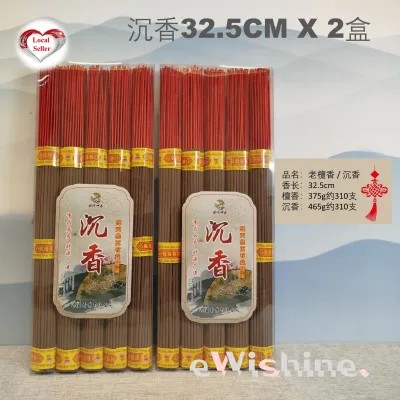
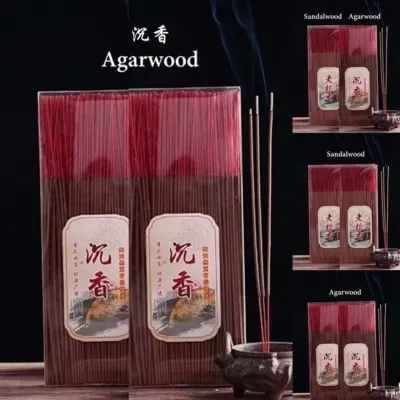
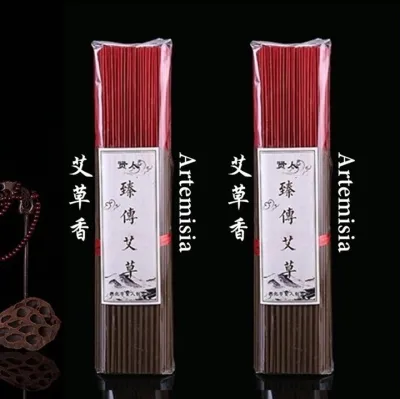
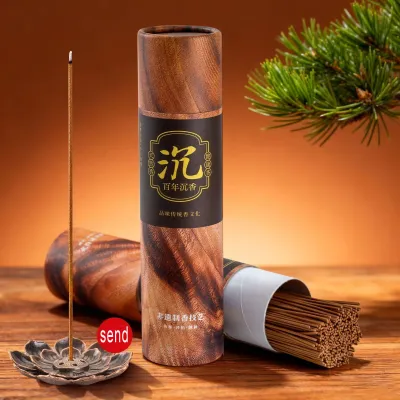
![【Next Day】Premium Natural Wood & Herb Aroma Incense Artemisia Argyi (艾草) Sandalwood (檀香) Agarwood (沉香) Incense Stick. [FREE] Ebony Wood Incense Holder for Ordering or Mix 2 Boxes. Natural Ingredients No Artificial Additives No Combustion Chemicals.](https://img.lazcdn.com/g/p/c768f652392af1fc9318730e3b5fbd9a.jpg_400x400q80.jpg_.webp)
Prices are valid at publication and may change. Please refer to the product page for the latest price.
Because this natural process takes decades and occurs in only a small percentage of wild trees, genuine agarwood is incredibly scarce. This scarcity has driven up the value of the raw material, creating a strong incentive for counterfeiters to flood the market with cheap imitations. These counterfeit products are designed to look and smell like real agarwood at a fraction of the production cost, often targeting unsuspecting buyers who are unfamiliar with the natural material.
The most common counterfeiting method involves using cheap, odorless wood powders, such as bamboo or common sawdust, as a base. Manufacturers then coat or infuse these sticks with synthetic fragrance oils, chemical binders, and artificial dyes to mimic the dark appearance of resin-rich wood. Some low-quality products even use industrial chemical solvents to help the synthetic perfumes adhere to the wood fibers, which can release harsh compounds when burned.
In contrast, authentic agarwood joss sticks contain a complex mixture of natural compounds. The resin within the wood contains dozens of volatile organic compounds that release sequentially when heated. This organic complexity is what gives genuine agarwood its famous layered scent profile. A single stick of real agarwood incense does not smell flat or static; instead, it evolves as it burns, offering a rich tapestry of sweet, woody, earthy, and sometimes spicy notes. Synthetic fragrances cannot replicate this complexity, resulting in a flat, unchanging, and often sharp single note that quickly becomes overwhelming.
Visual and Tactile Inspections Before Burning
Before you light a joss stick, a close physical examination can reveal several immediate red flags. Start by examining the texture and surface of the incense stick. Authentic agarwood joss sticks are typically made by mixing finely ground agarwood powder with a natural, plant-based binder, such as tabu powder. This mixture results in a slightly textured, matte surface with subtle variations in color. If the stick appears perfectly smooth, highly glossy, or has an unnaturally uniform dark brown or black color, it may have been dyed or coated with synthetic oils to simulate high resin content.

Next, feel the weight and density of the sticks. While individual joss sticks are naturally lightweight, genuine agarwood incense should feel dry, solid, and structurally stable. It should not feel greasy or leave a sticky residue on your fingers. If you notice an oily film on your hands after handling the sticks, this is a strong indication that they have been sprayed with synthetic fragrance oils or mineral oil to artificially boost their scent and weight.
The packaging and labeling of the product also offer valuable clues about its authenticity. Reputable incense makers take pride in their ingredients and will usually provide clear, transparent labeling. Look for packaging that lists the specific ingredients, such as natural agarwood powder and natural binders, along with the manufacturer’s details and the country of origin. Be highly skeptical of packaging that lacks these basic details or instead features exaggerated mystical, spiritual, or unverified health claims. Authentic producers rely on the quality of their raw materials rather than sensational marketing to sell their products.
Scent and Combustion Tests for Verification
The most reliable way to verify the authenticity of an agarwood joss stick is through your senses of smell and sight, both before and during burning. Begin by evaluating the unlit scent of the stick. Hold the unlit incense close to your nose and inhale gently. Genuine agarwood has a very subtle, mild, and woody aroma when cold. It should not overpower the room or smell intensely fragrant before it is lit. If the unlit stick emits a strong, pungent, or perfume-like fragrance that immediately fills the air, it is highly likely that synthetic fragrance oils have been added to mask cheap base materials.
Once you light the joss stick, observe the smoke and the burning process carefully. The smoke from authentic agarwood incense is typically thin, light grey, or pale white, rising in elegant, steady streams. It should feel gentle on your eyes and throat, creating a calming atmosphere rather than physical discomfort. If the smoke is thick, dark, or causes immediate eye irritation, coughing, or a scratchy throat, this indicates the presence of chemical additives, synthetic binders, or low-quality wood powders.
As the stick burns, pay close attention to how the scent develops. The aroma of genuine agarwood should unfold in layers over time. You may notice an initial sweet, airy note, followed by deep woody undertones, and a clean, lingering finish that changes slightly as the temperature of the ember shifts. A counterfeit stick, on the other hand, will smell identical from the moment it is lit until it burns down, often turning increasingly harsh, acrid, or sour as the synthetic oils burn off and the cheap wood base dominates.
Finally, check the residual scent and the environment after extinguishing the stick. The aroma of genuine agarwood should linger pleasantly in the room for hours, leaving a clean, peaceful atmosphere. If extinguishing the stick leaves a sour, burnt-plastic, or heavy chemical odor that makes you want to open the windows immediately, synthetic compounds were undoubtedly used in its manufacture.
Selecting Trustworthy Purchasing Channels
To minimize the risk of buying counterfeit agarwood joss sticks, you must be selective about where you shop. Prioritize established specialty incense shops and traditional retailers who specialize in cultural artifacts, tea, or natural aromatics. These sellers are more likely to have direct relationships with reputable incense makers and can provide detailed information about the origin, harvesting methods, and grade of the agarwood used in their products.
When shopping online, utilize reputable e-commerce platforms with verified seller ratings, or buy directly from official brand stores. Read customer reviews carefully, looking for specific feedback regarding the scent quality, smoke behavior, and overall authenticity of the incense. Avoid sellers who use vague descriptions, refuse to answer questions about the source of their agarwood, or hide behind generic marketing terms like “exotic wood blend” or “oriental perfume.”
Transparent product descriptions are a hallmark of trustworthy sellers. A reliable listing will specify the origin of the agarwood (such as Vietnam, Indonesia, or Malaysia) and the type of binder used. They will also be realistic about the grade of the agarwood, rather than claiming every product is of the highest, rarest quality.
Be realistic about pricing when evaluating listings. Natural agarwood is a scarce resource that requires labor-intensive harvesting and processing, meaning genuine agarwood joss sticks cannot be sold at extremely low prices. While prices vary based on the resin content and grade, a product priced significantly below the general market value is almost certainly a counterfeit made from cheap wood and synthetic scents. Investing in a smaller quantity of high-quality, authentic incense is always preferable to buying large quantities of cheap, synthetic alternatives.
Steps to Take If You Suspect a Fake Product
If you have purchased a product that you suspect is counterfeit, your first priority should be your physical well-being. Stop burning the joss sticks immediately if they produce harsh smoke, cause headaches, dizziness, or irritate your eyes and respiratory system. Burning synthetic fragrances and chemical binders in enclosed spaces can release harmful volatile organic compounds that compromise indoor air quality and cause physical discomfort.
Once you have safely extinguished the incense, document the product details and your purchase. Take clear photos of the joss sticks, the packaging, and any labels that show misleading claims or lack of ingredient information. Keep your physical or digital receipt, as well as any communication you have had with the seller regarding the product’s authenticity.
Finally, contact the seller or the customer service department of the online marketplace where you made the purchase. Explain clearly that the product does not match the description of natural agarwood and exhibits signs of synthetic additives. Request a refund based on the misleading product description, and report the listing to help the platform identify counterfeit sellers and protect other consumers from purchasing low-quality, synthetic products.
Frequently Asked Questions (FAQ)
Can I rely solely on the price to determine if agarwood joss sticks are real?
No, price alone is not a foolproof indicator of authenticity. While genuine agarwood is naturally expensive due to its scarcity and complex harvesting process, counterfeiters are well aware of this and often price their fake products highly to mimic premium quality. Therefore, you should use price as a preliminary screening tool rather than a final proof, combining it with visual, tactile, and scent tests to make an informed decision.
Do genuine agarwood joss sticks leave a specific type of ash?
Yes, the characteristics of the ash can provide valuable clues. Natural agarwood joss sticks made with high-quality wood powder and natural binders typically produce a fine, light grey or off-white ash that crumbles easily when touched. If the ash is dark black, forms hard, solid clumps, or leaves a sticky, oily residue on your incense burner, it suggests the presence of synthetic chemical binders, artificial colorants, or heavy fragrance oils.

Community discussion
Share your experience or ask a question. Comments are reviewed before publication.