
Distinguishing a genuine antique decorative piece from a clever modern reproduction requires a blend of historical knowledge, close physical inspection, and healthy skepticism. Whether you are searching for a Peranakan porcelain vessel, a colonial-era teak sideboard, or a vintage brass lantern to complement your home, understanding how materials age and how craftsmen historically worked is essential. By learning to read the subtle physical clues left by time and human hands, you can make informed decisions and protect your investments.
Recognizing the Signs of Authentic Antique Craftsmanship
Genuine antiques carry the physical narrative of their creation and survival over decades or centuries. One of the most reliable indicators of age is natural patina, which is the gradual change in surface texture and color caused by oxidation, handling, and exposure to air. On antique wooden furniture, this manifests as a deep, uneven mellowing of the wood grain, particularly in areas that receive frequent touch or light exposure. On metals like bronze or brass, a genuine patina is thin, hard, and layered, rather than a powdery, easily scraped-off surface coating.
Handcrafted construction methods also distinguish older items from modern, mass-produced counterparts. Prior to the widespread industrialization of manufacturing, decorative items and furniture were made individually by hand. If you examine an antique wooden cabinet, you should look for asymmetrical joinery, such as hand-cut dovetails that vary slightly in size and spacing. Hand-planed surfaces will often have subtle, irregular ridges that you can feel with your fingertips, unlike the precisely flat, uniform surfaces produced by modern thickness planers.
Products mentioned in this guide
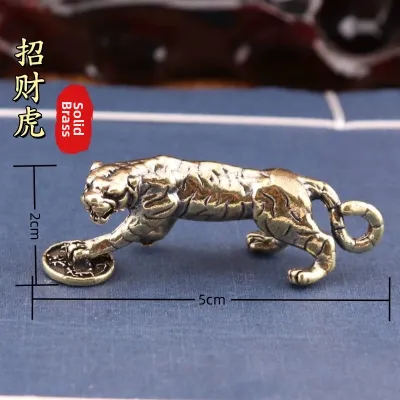
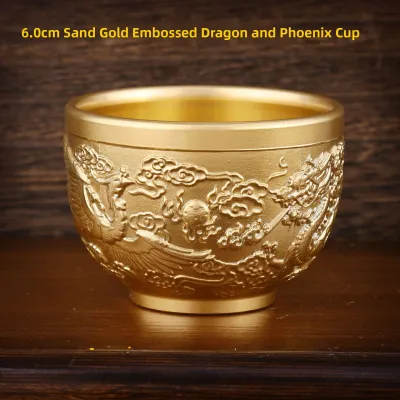
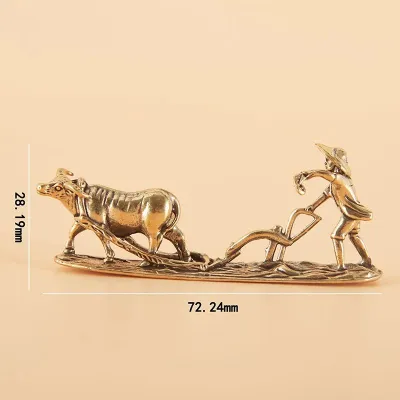
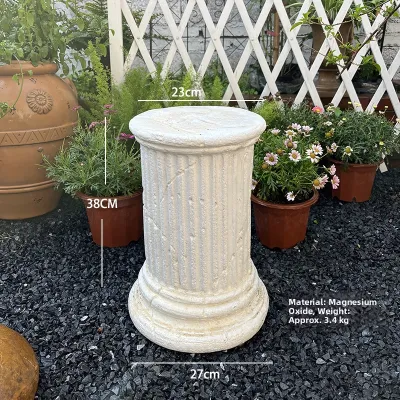

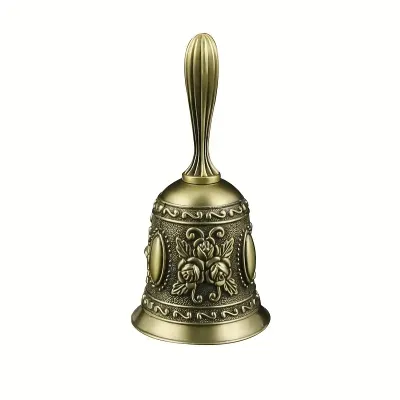

Prices are valid at publication and may change. Please refer to the product page for the latest price.
The weight and density of materials can also offer clues about an item’s origin. Older ceramics, such as antique Chinese trade porcelain, often have a distinct weight and thickness that reflect the specific clay bodies and firing techniques of their era. Glazes on older pottery may show natural crazing—a network of fine cracks—that has developed slowly over decades, with tiny particles of dust or soot embedded deep within the cracks. These structural nuances are incredibly difficult to replicate convincingly in a modern factory setting.
Spotting Red Flags in Modern Reproductions
As reproduction techniques have advanced, counterfeiters have developed sophisticated ways to mimic the appearance of age, but these artificial methods leave distinct signatures. Artificial distressing is a common technique used to make new wood or metal look old. Look closely at scratches, dents, and wear patterns; on a genuine antique, wear occurs logically on high-contact areas like handles, edges, and feet. If an item has uniform scratches across its entire surface, or if the wear appears in hard-to-reach corners where hands would rarely touch, it is likely a modern reproduction.

Machine-made precision is another major red flag when evaluating cultural artifacts. Modern manufacturing relies on precision, resulting in highly symmetrical carvings, identical casting lines on metalwork, and uniform circular saw marks. If you inspect a carved wooden panel and find that every leaf and scroll is virtually identical, it was almost certainly produced by a modern computer numerical control (CNC) router rather than a traditional carver’s chisel. Similarly, look for modern fasteners like Phillips-head screws, staples, or modern wire nails, which were not used in historical periods.
Inconsistent or anachronistic materials frequently expose modern fakes. The use of synthetic adhesives, modern particle board hidden in back panels, or polyurethane varnishes is a clear sign of modern construction. If a metal item features bright, unoxidized solder joints or shows signs of modern electroplating rather than traditional fire-gilding, its historical claims are highly suspect. Always inspect the underside, interior, and back of an item, as reproduction artists often focus their aging efforts solely on the highly visible front surfaces.
Verifying Provenance and Documentation
While physical inspection is vital, a verifiable paper trail provides the ultimate reassurance when purchasing high-value cultural decor. Provenance—the documented history of an item’s ownership—helps establish its journey from creation to the present day. When reviewing certificates of authenticity, auction receipts, or historical inventories, look for specific details such as dimensions, detailed photographs, and the names of reputable previous owners or institutions. Be wary of generic, printed certificates that lack verifiable issuer credentials or contact information.
Forged or misleading documentation is a growing challenge in the antique market. A genuine document should show natural signs of age consistent with its claimed date, such as appropriate paper wear, period-specific typography, or official stamps. If a seller presents a pristine, laser-printed certificate for an item supposedly recovered decades ago, you should treat the claim with extreme caution. Cross-referencing any maker’s marks, hallmarks, or signatures found on the item with established historical databases, collector guides, or museum catalogs is an excellent way to verify if the markings match the correct historical period.
Choosing Reliable Purchase Channels
Where you buy an antique is just as important as what you buy, as different venues offer varying levels of protection and expertise. Established auction houses and specialized antique dealers typically employ in-house experts who vet items before they are offered for sale. These businesses rely heavily on their reputation and are more likely to provide detailed condition reports and written guarantees of authenticity. In contrast, general online marketplaces and flea markets often operate on an “as-is” basis, placing the entire burden of verification on the buyer.
Before committing to a purchase, especially for items costing hundreds or thousands of S$, ask the seller direct questions about the item’s history and condition. Inquire about any known restorations, repairs, or replaced parts, and ask for documentation supporting their claims. A reputable dealer will welcome these questions and provide clear, transparent answers. If a seller is evasive, lacks knowledge about the item’s origin, or pressures you to make a quick decision, it is best to walk away.
Always prioritize sellers who offer clear, written return policies that specifically cover authenticity disputes. A reliable return policy should allow you sufficient time to have the item independently examined after purchase. Ensure that the terms of the agreement, including who covers return shipping and insurance costs, are documented in writing before any money changes hands. This protection is your safety net if subsequent professional evaluation reveals the item to be a modern reproduction.
Steps to Take If You Suspect a Reproduction
If you have purchased a decorative piece and later suspect it is a modern reproduction, acting quickly and methodically is crucial. Start by reviewing the seller’s return policy and the original sales agreement to understand your options and deadlines. Carefully document your concerns by taking high-resolution photographs of the specific areas of suspicion, such as modern tool marks, artificial wear, or inconsistent materials, and compare them against the seller’s original description.
Next, seek a formal appraisal from a certified, independent antique appraiser or a specialist in cultural artifacts. Avoid using appraisers recommended by the seller, and ensure the professional you choose has specific expertise in the category of your item. A formal, written evaluation from an independent expert carries significant weight and serves as objective evidence if you need to dispute the sale.
If the seller refuses to honor their return policy or disputes your findings, you can initiate a formal dispute resolution process. If the purchase was made through an online marketplace, utilize the platform’s buyer protection program to report the issue and submit your photographic and expert evidence. For transactions within Singapore, you can seek assistance from local consumer protection bodies, such as the Consumers Association of Singapore (CASE), or file a claim through the Small Claims Tribunals to resolve the dispute legally.
Frequently Asked Questions (FAQ)
Can a genuine antique have modern replacement parts?
Yes, a genuine antique can have modern replacement parts, as items that are decades or centuries old often require restoration to remain functional or structurally sound. However, these repairs must be sympathetic to the original design and clearly disclosed by the seller. Extensive modern alterations, such as replacing major structural panels or using modern synthetic finishes over large areas, can significantly reduce the item’s historical integrity and market value.
Are there affordable tools to test antique materials at home?
While they cannot replace professional laboratory analysis, several affordable tools can assist with initial home inspections. A handheld ultraviolet (UV) flashlight is highly effective for detecting modern adhesives, repairs, or synthetic varnishes, which glow differently than aged materials under blacklight. A simple magnet can help you determine if a metal item is made of solid brass or bronze, which are non-magnetic, or if it is merely brass-plated iron or steel.
Does a high price guarantee an antique decorative item is real?
No, a high price tag is never a guarantee of authenticity. Counterfeiters and unscrupulous sellers often price modern reproductions at premium rates to create a false impression of rarity and historical value. Price should only be considered in conjunction with physical evidence, verifiable provenance, and independent expert evaluation, rather than as a standalone indicator of an item’s genuine antique status.
Community discussion
Share your experience or ask a question. Comments are reviewed before publication.