
Identifying a genuine black obsidian sculpture requires looking closely at its optical properties, physical weight, and thermal conductivity. Natural black obsidian is a volcanic glass, not a synthetic material, meaning it carries distinct geological markers that mass-produced imitations cannot easily replicate. While a counterfeit piece made of plastic, resin, or common black glass might look identical to natural stone at a casual glance, simple non-destructive tests can quickly reveal its true nature. By examining how the sculpture transmits light, feeling its initial temperature, and inspecting its surface for manufacturing marks, you can confidently determine whether your decorative artifact is an authentic piece of natural history or a cheap imitation.
Understanding Black Obsidian and Common Imitations
To accurately evaluate a sculpture, you must first understand what natural black obsidian is and how counterfeiters attempt to mimic it. Geologically, obsidian is a natural volcanic glass formed when silica-rich lava cools rapidly after erupting from a volcano. Because this cooling process happens so quickly, there is no time for a crystalline structure to grow, resulting in a smooth, glassy texture.
The market for home decor and artifacts frequently features imitations designed to capture the sleek, dark aesthetic of obsidian at a fraction of the production cost. The most common counterfeit materials include mass-produced black glass, dyed resin, and molded plastics.
Products mentioned in this guide
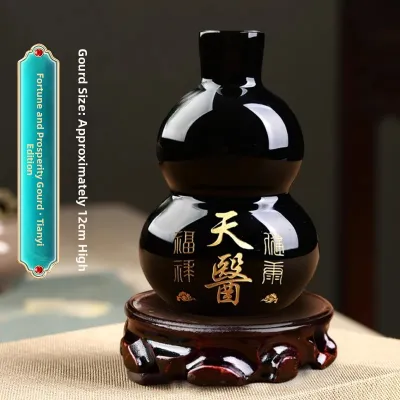
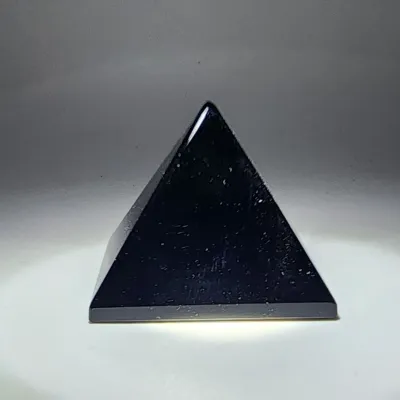
Prices are valid at publication and may change. Please refer to the product page for the latest price.
One of the most reliable clues when identifying imitations is the level of physical perfection. Natural obsidian is rarely a flawless, uniform jet black throughout its entire structure. Because it forms in highly dynamic volcanic environments, it almost always contains subtle impurities, microscopic gas bubbles, or mineral inclusions. If a large sculpture exhibits absolute visual perfection, a completely uniform pure black coloration, and no internal variations whatsoever, it is highly likely to be an industrially manufactured glass or synthetic polymer rather than a natural volcanic stone.
Visual and Tactile Checks You Can Do at Home
Before seeking professional help, you can perform several non-destructive, observable tests at home to evaluate your sculpture’s authenticity. These home-based checks provide strong indicators of whether a piece is genuine, though they do not replace official laboratory certification. To ensure accurate results, always perform these evaluations in a well-lit environment, using a bright, focused light source, and handle the sculpture carefully to avoid accidental damage.

Light Transmission and Internal Structures
One of the most effective ways to analyze a black obsidian sculpture is to observe how it interacts with direct light. Although obsidian appears completely opaque in thick sections, it is actually translucent when sliced thin or viewed along sharp, carved edges.
To perform this test, shine a strong, concentrated flashlight directly against the thinnest parts of the sculpture, such as carved fingers, wings, or sharp corners. In a genuine piece, you will notice that the light passes through these thin edges, revealing subtle gray, green, or brown hues rather than a flat, solid black.
As the light penetrates the material, look closely for internal characteristics. Natural volcanic glass often displays flow bands—wavy lines created as the lava flowed before cooling—along with tiny mineral inclusions or microscopic, elongated bubbles. In contrast, imitations made of molded glass or synthetic substitutes will either block the light entirely if they are heavily dyed, or they will show perfectly uniform, artificially bright reflections with no organic internal structures.
Temperature, Weight, and Surface Texture
Your physical senses of touch and weight are invaluable tools when distinguishing natural volcanic glass from synthetic polymers. When you first pick up a genuine black obsidian sculpture, it should feel distinctly cool to the touch. Because natural stone conducts heat differently than plastic or resin, it will absorb your body heat slowly, maintaining its cool sensation for several seconds. Synthetic materials like plastic or resin, however, warm up almost instantly when held in your hand.
Weight is another critical indicator of authenticity. Natural obsidian has a relatively high density, giving it a substantial, solid feel. If you compare it to a resin or plastic cast of the same size, the natural stone sculpture will feel significantly heavier. A hollow or lightweight feel is a clear sign of a synthetic imitation.
Finally, inspect the physical surface of the sculpture, paying close attention to the base and any hidden crevices. Molded plastic and resin imitations are cast in pre-made molds, which often leave behind subtle mold lines, seam marks, or unnatural texture repetitions. Natural obsidian sculptures are carved and polished, meaning they will feature unique tool marks or smooth, continuous surfaces without any industrial seams.
Advanced Verification and Professional Appraisal
While home tests are excellent for identifying obvious counterfeits, they have inherent limitations, particularly when dealing with high-value, intricate, or heavily polished sculptures. Some high-quality glass imitations can mimic the weight and light transmission of natural obsidian so closely that visual inspection alone is insufficient.
If you have invested significantly in a decorative artifact or suspect that a piece is a highly sophisticated fake, consulting a certified gemologist or a professional appraiser is the safest path to definitive verification.
Professionals utilize specialized, non-destructive tools to analyze the material’s physical properties without scratching or altering the sculpture. For instance, they use refractometers to measure the refractive index of the material, which is a highly specific optical property that distinguishes volcanic glass from synthetic resins or standard soda-lime glass. They also employ high-powered magnification to examine internal stress patterns and inclusion types, providing an absolute determination of authenticity without risking any cosmetic damage to your valuable decor.
Smart Purchasing Strategies for Your Decor and Artifacts
Protecting yourself from counterfeit decor begins long before you hold the sculpture in your hands. When shopping for black obsidian artifacts, carefully evaluate the seller’s product descriptions. Reputable sellers are transparent about the natural variations inherent in volcanic glass, often noting that each carved piece will have unique internal patterns, minor surface irregularities, or slight color variations.
Pricing is another major indicator of authenticity. While obsidian is not an exceptionally rare or expensive gemstone, the labor required to carve intricate, high-quality sculptures is significant. Compare the seller’s pricing against realistic market expectations. If you encounter a large, highly detailed sculpture priced at an unusually low rate compared to standard market rates for carved stone, you should treat this as a major red flag. Authentic hand-carved stone pieces command fair prices that reflect both the raw material and the artisan’s labor.
Additionally, do not hesitate to ask the seller for verifiable documentation. While a generic store receipt is not proof of authenticity, reputable dealers of high-end artifacts can often provide gemological reports or detailed certificates of origin. If a seller refuses to answer questions about the material’s source or cannot provide clear return policies, it is best to look elsewhere for your home decor.
What to Do If You Suspect a Counterfeit Purchase
If you have already purchased a black obsidian sculpture and your home checks strongly suggest it is a fake, taking prompt, organized action is essential. Start by thoroughly documenting the item. Take clear, high-resolution photographs in well-lit conditions, specifically highlighting the discrepancies you discovered, such as mold lines, perfectly uniform synthetic structures, or a lack of light transmission on thin edges.
Next, contact the seller or the customer support team of the e-commerce platform where you made the purchase. Initiate a formal return or dispute process, citing material misrepresentation as the primary reason. Present your photographic evidence clearly and objectively, explaining how the physical characteristics of the item do not align with natural volcanic glass.
In cases where the seller contests your claim or the platform requires independent proof before issuing a refund, consider obtaining a brief written statement from a local independent appraiser or gemologist. Having a professional confirm that the sculpture is made of dyed resin or common glass rather than natural obsidian provides indisputable leverage, ensuring you can recover your funds successfully.
Frequently Asked Questions (FAQ)
Can I use a scratch test to verify black obsidian?
Natural black obsidian has a Mohs hardness rating of approximately 5 to 5.5, which means it is hard enough to scratch standard window glass or copper, but can be scratched by harder materials like quartz or steel. While a scratch test can technically help verify hardness, performing it on a finished sculpture is highly discouraged. Scratching the surface will permanently damage the polished finish, ruin the aesthetic value of your decor, and likely void any return policies or buyer protection guarantees. It is always safer to rely on non-destructive light transmission, temperature, and weight checks.
Is black onyx the same as black obsidian?
No, black onyx and black obsidian are entirely different materials with distinct geological origins. Black onyx is a banded variety of chalcedony, which is a crystalline form of quartz, and it is frequently dyed to achieve a uniform, deep black color. Obsidian, on the other hand, is an amorphous volcanic glass formed from rapidly cooled lava. Onyx is generally harder, denser, and more expensive than obsidian. When purchasing sculptures, always check the seller’s specific material descriptions to ensure you are paying a fair price for the actual stone type you receive.

Community discussion
Share your experience or ask a question. Comments are reviewed before publication.