
Identifying genuine sandalwood incense sticks requires a careful combination of sensory observation, physical inspection, and retail verification. Because sandalwood is a highly prized and scarce natural resource, the market contains numerous synthetic alternatives that mimic its appearance but fail to replicate its therapeutic and aromatic qualities. True sandalwood incense is crafted from ground heartwood and natural plant-based binders, yielding a subtle, complex, and evolving fragrance. In contrast, synthetic options rely on cheap wood sawdust soaked in artificial fragrance oils, which often produce a harsh, static scent and irritating smoke. By learning how to evaluate the cold stick, observe the burning characteristics, and scrutinize product labels, you can confidently select authentic incense that enhances your living space safely.
Why Authenticity Matters for Sandalwood Incense
Sandalwood has been cherished for centuries in aromatherapy, meditation, and home fragrance for its grounding, calming properties. The authentic wood contains natural compounds, such as santalol, which interact gently with the olfactory system to promote relaxation and mental clarity. When you burn genuine sandalwood, the scent profile is dynamic, shifting from a light woody top note to a rich, creamy, and slightly sweet undertone that lingers in the air for hours without becoming cloying.
Synthetic fragrances, on the other hand, are chemically engineered to mimic these notes but lack the molecular complexity of natural heartwood. This results in a flat, one-dimensional aroma that remains aggressively intense from the moment the stick is lit until it burns out. For many people, these artificial scent formulations do not provide the same calming effects and can instead feel overwhelming or distracting.
Products mentioned in this guide
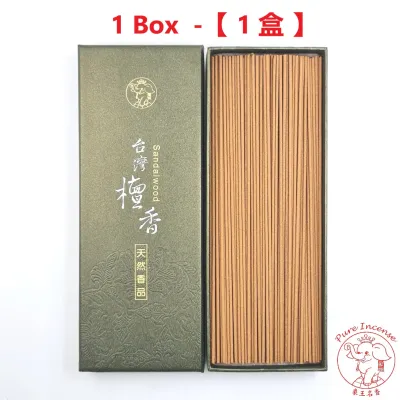
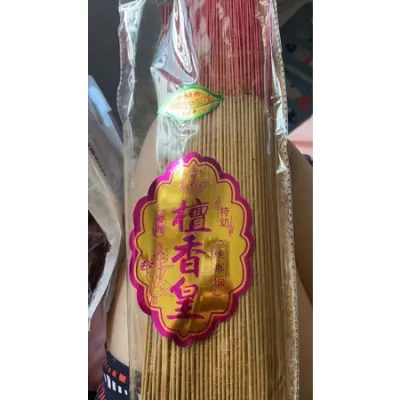
Prices are valid at publication and may change. Please refer to the product page for the latest price.
Beyond the sensory experience, burning synthetic incense in enclosed spaces can pose practical wellness concerns. Artificial fragrances and chemical binders, such as synthetic glues and combustion agents, release volatile organic compounds when burned. In typical modern homes—especially compact apartments or air-conditioned rooms where ventilation may be limited—this heavy smoke can quickly lead to respiratory discomfort, headaches, watery eyes, or throat irritation. Choosing natural incense ensures that you are inhaling pure plant materials rather than vaporized synthetic chemicals.
Visual and Scent Checks Before Lighting
Before you even strike a match, the physical characteristics of the incense stick can offer significant clues about its origin. Start by examining the packaging for ingredient transparency. Reputable manufacturers of natural incense typically list the specific type of sandalwood used, such as Santalum album or Santalum spicatum, along with the natural binder, which is often a water-soluble plant mucilage like tabu powder. If the packaging only lists vague terms like “perfume,” “fragrance,” or “sandalwood blend” without specifying the wood source, it is highly likely a synthetic product.

Next, inspect the physical stick itself. Natural sandalwood incense sticks are made by mixing finely ground wood powder with water and a natural binder, then extruding or rolling the paste. This process leaves a slightly rough, matte texture on the surface of the stick. The color should be a muted, earthy tone—ranging from pale tan to a warm, medium brown—reflecting the natural shade of the pulverized heartwood. If the sticks are perfectly smooth, glossy, or dyed in bright, unnatural colors like deep red, yellow, or green, they have likely been treated with chemical dyes and synthetic binders to mask inferior base materials.
The unburned “cold scent” of the stick is another reliable indicator. Hold the unlit stick close to your nose and inhale deeply. Genuine sandalwood has an incredibly subtle, warm, and woody aroma that requires close proximity to detect. It should never smell sharp, perfumed, or instantly sweet while unlit. If a box of closed incense fills an entire room with an intense, sugary, or soapy perfume before you even open the packaging, the sticks have almost certainly been sprayed with synthetic fragrance oils.
Observing the Burn: Smoke, Ash, and Aroma
Once lit, the behavior of the incense provides the most definitive proof of its composition. Observe the initial smoke as the ember establishes itself. Natural sandalwood incense produces a thin, wispy, and light-colored smoke that rises gracefully and disperses easily. The smoke should feel gentle on your eyes and throat, even in a moderately sized room. If the stick releases thick, heavy, dark grey smoke that immediately irritates your eyes or prompts a coughing reflex, this indicates the presence of synthetic oils, chemical combustion accelerators, or artificial binders.
As the incense burns, pay close attention to how the fragrance develops over time. Genuine sandalwood does not release its full aromatic profile all at once. Instead, the heat gently vaporizes the natural essential oils locked within the wood fibers, releasing a layered scent that evolves. You will first notice a clean, dry woody note, followed by a warm, creamy, and balsamic sweetness that settles comfortably into the room. This aroma is soft and non-intrusive, often smelling better from a slight distance than directly over the burner. A synthetic stick, conversely, will smell identical from start to finish, offering a loud, unchanging perfume that can quickly become cloying and difficult to clear from the room.
The remaining ash also offers observable clues, though it should be evaluated alongside other factors. Natural wood powder and plant binders burn down to a very fine, delicate ash that crumbles easily between your fingers. Once completely extinguished and cool, this ash should feel soft and non-greasy. While some believe that the color of the ash—whether white, grey, or black—proves authenticity, ash color is actually influenced by burning temperature, oxygen flow, and the specific mineral content of the soil where the tree grew. Therefore, focus on the texture and temperature of the ash rather than its color alone.
Choosing Reliable Retailers and Spotting Red Flags
Navigating the market requires a strategic approach to sourcing, as mislabeled products are common on unverified online marketplaces and general discount platforms. To ensure you are purchasing genuine sandalwood, prioritize authorized brand stores, specialized aromatherapy boutiques, and reputable physical shops where you can inspect the products firsthand. Specialized retailers are far more likely to maintain direct relationships with reputable incense houses and can provide detailed information about the sourcing of their raw materials.
Pricing is one of the most straightforward red flags to monitor. Sandalwood trees must grow for decades before their heartwood develops the rich essential oils required for high-quality incense, making the raw material scarce and expensive. Consequently, genuine sandalwood incense commands a premium price. If you encounter a bundle of “pure sandalwood” sticks priced at only a few dollars (for example, S$2 to S$5 for a large box), it is virtually guaranteed to be synthetic or heavily diluted with cheap filler woods. While a high price alone does not guarantee authenticity, an unrealistically low price is a certain indicator of a synthetic alternative.
When researching products online, look for manufacturer specifications, batch numbers, and official quality certifications rather than relying solely on unverified seller guarantees or subjective user reviews. Reputable brands are proud of their sourcing and will openly share details about their harvesting practices, distillation methods, and ingredient purity on their official websites.
Steps to Take If You Suspect a Fake Product
If you have purchased incense and suspect it is synthetic, the most important step is to prioritize your well-being. Immediately stop burning the product if you experience any physical discomfort, such as headaches, throat irritation, coughing, or sinus congestion. Continued exposure to synthetic chemical smoke in enclosed living spaces can exacerbate respiratory sensitivities and diminish your indoor air quality.
Next, review the retailer’s return and refund policies. Gather your evidence, including the original packaging, the purchase receipt, and any physical observations you made, such as unusual smoke density or an overwhelming chemical perfume. Many reputable sellers will offer a refund or exchange if the product does not match its advertised description or causes an adverse reaction.
If you are still unsure about the product’s composition but wish to verify it, consider reaching out directly to the manufacturer’s customer service channel with the batch number. Alternatively, you can consult a qualified aromatherapy professional or a specialized incense purveyor. They can often help you identify the product’s characteristics and guide you toward verified, natural alternatives that align with your preferences.
Frequently Asked Questions (FAQ)
Can the water test reliably prove if sandalwood incense is natural?
No, the water test is not a reliable method for verifying the authenticity of sandalwood incense sticks. This test relies on the assumption that genuine sandalwood is dense and will sink in water, while synthetic alternatives will float. However, an incense stick is a manufactured blend of wood powder, binders, and sometimes bamboo cores. The density of the finished stick depends entirely on the ratio of wood to binder and how tightly the mixture was compressed during production, not on the botanical purity of the sandalwood itself. A synthetic stick made with heavy clay binders might sink, while a pure, high-quality natural stick with a light, airy compression might float. It is far better to rely on comprehensive sensory checks and burning characteristics.
Does a higher price always guarantee genuine sandalwood incense?
While genuine sandalwood is inherently expensive due to the scarcity of the raw wood, a high price tag alone does not guarantee authenticity. Some unscrupulous sellers may artificially inflate the price of synthetic or low-grade incense to make it appear premium and exploit unsuspecting buyers. Therefore, you should never use price as your sole purchasing metric. Always combine price evaluation with a thorough check of ingredient transparency, brand reputation, and the physical characteristics of the product.
Community discussion
Share your experience or ask a question. Comments are reviewed before publication.