
To identify which reed diffuser brands provide the longest-lasting scent, you must look beyond the brand name and examine the chemical formulation of the carrier base, the concentration of the fragrance oils, and the design of the wicking system. A truly long-lasting reed diffuser relies on a slow-evaporating, non-alcohol carrier base (such as glycerin- or soy-derived solvents) paired with a high concentration of premium fragrance oils—ideally between 15% and 25%—to maintain a consistent scent throw over several months. By evaluating these physical and chemical specifications, rather than relying on vague marketing claims, you can select a home fragrance product that delivers continuous aroma throughout its entire lifespan.
The Science of Scent Longevity: What Actually Makes a Diffuser Last?
To understand why some reed diffusers fade within days while others envelop a room in fragrance for months, we must look at the science of evaporation and capillary action. A reed diffuser is a passive liquid-delivery system relying on physics to disperse aroma chemicals into the surrounding air. The rate of this dispersion—and how long it persists—depends on the chemical composition of the carrier base, the concentration of the fragrance oils, and the wicking material’s physical mechanics.
The carrier base serves as the primary vehicle for the fragrance, and its chemical properties dictate the evaporation rate of the mixture. Historically, many mass-market home fragrance products relied on alcohol-based carriers like isopropyl alcohol or ethanol. While alcohol-based formulas deliver an immediate, intense burst of scent—often called a strong initial throw—they evaporate rapidly. This high volatility means a standard bottle can empty within weeks, leaving behind dry reeds and an empty vessel.
Products mentioned in this guide
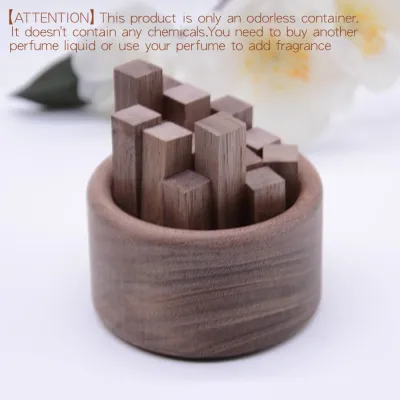
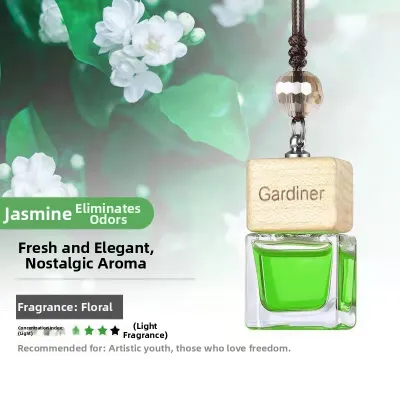
Prices are valid at publication and may change. Please refer to the product page for the latest price.
In contrast, premium home fragrance brands utilize modern, eco-friendly solvents or oil-based formulations. Bases derived from glycerin or soy, such as Augeo Crystal, evaporate at a slow, controlled rate. These eco-solvents have low vapor pressures, releasing fragrance molecules gradually over an extended period. This can stretch the lifespan of a 100ml diffuser to three or four months. Pure oil-based carrier fluids, like fractionated coconut or mineral oil, offer even slower evaporation rates, though their high viscosity can sometimes hinder capillary action unless formulated with thinners to help them climb the reeds.
Fragrance oil concentration is the second critical factor governing scent longevity and intensity. The liquid inside a high-quality diffuser is a precise blend of carrier solvent and fragrance compounds. Premium formulations typically feature a fragrance oil concentration of 15% to 25%, aligning with concentration levels in fine personal perfumes. Cheaper alternatives often dilute their products significantly, utilizing a mere 5% to 10% fragrance concentration to cut costs. When the concentration is too low, the scent throw becomes weak and fleeting. Conversely, if it is excessively high, the liquid becomes too viscous to travel up the reeds efficiently, stalling the diffusion process entirely.
The physical process of capillary action drives the liquid upward against gravity. Reed diffusers rely on the surface tension and cohesive forces of the liquid to draw it through the microscopic channels of the wicking material. As the liquid reaches the exposed top portion of the reed, it comes into contact with moving air, causing volatile fragrance molecules to evaporate and disperse. The speed of this process is dictated by the viscosity of the liquid and the diameter of the capillary channels. A well-engineered diffuser matches the viscosity of the carrier base with the pore size of the reeds, ensuring a steady, uninterrupted upward flow that prevents the reeds from drying out.
The Buyer’s Checklist: Specifications That Guarantee a Longer Lifespan
When shopping for a reed diffuser, relying solely on aesthetic bottle designs or appealing scent descriptions can lead to disappointing performance. To ensure you purchase a product engineered for longevity, you must evaluate specific technical details and product specifications. By understanding the physical components that make up a high-performing diffuser, you can make an informed decision that maximizes both scent throw and product lifespan.

The choice of reed material is one of the most influential factors in determining how consistently and how long a diffuser will perform. Traditional natural rattan reeds contain tiny, hollow vascular bundles that act like microscopic straws to draw up the scented liquid. While rattan is highly effective for lighter, oil-based formulations, its natural organic structure makes it susceptible to clogging over time. Dust, airborne particles, and heavy, resinous fragrance molecules can settle inside these natural channels, gradually blocking the capillary action and muting the scent throw.
Synthetic fiber reeds, typically manufactured from polyester or cotton-blend fibers, represent a significant technological advancement in home fragrance. These engineered reeds feature uniform, open-pore structures that wick liquid at a highly consistent rate. Fiber reeds do not clog as easily as natural rattan, and they are designed to work seamlessly with modern glycol-based and water-soluble carrier bases. Because they draw up and release liquid more efficiently, fiber reeds often provide a much stronger scent throw. However, this high efficiency can deplete the liquid slightly faster if the carrier base is highly volatile, making it crucial to pair synthetic reeds with slow-evaporating, premium carrier bases.
The physical design of the diffuser bottle itself plays a vital role in controlling the evaporation rate of the liquid. The laws of fluid dynamics dictate that the surface area of a liquid exposed directly to the air directly influences its rate of evaporation. A diffuser bottle with a very narrow neck restricts the open surface area of the liquid inside, forcing almost all evaporation to occur through the active wicking of the reeds. In contrast, wide-mouth jars or open ceramic vessels allow the carrier base to evaporate directly from the bottle neck into the room. This direct evaporation bypasses the reeds entirely, wasting expensive fragrance oil without contributing to a controlled, long-lasting scent throw. When selecting a diffuser, always prioritize bottles with narrow, restricted openings or those fitted with collars that snugly hug the reeds.
Evaluating the relationship between liquid volume and fragrance concentration is essential to avoid purchasing diluted products that disappear rapidly. A large 500ml diffuser bottle may appear to offer excellent value, but if the formulation relies on a highly volatile alcohol carrier with a low fragrance concentration, it may evaporate completely within a month. On the other hand, a highly concentrated 100ml diffuser utilizing a premium, low-volatility glycol base can easily outlast the larger, cheaper bottle, providing a consistent scent for twelve weeks or more. When reviewing product listings, look for brands that explicitly state their estimated lifespan alongside the fluid volume, and check the ingredient list to verify that a slow-evaporating carrier base is utilized.
Decoding Marketing Claims: How to Spot Genuine Long-Lasting Formulas
The home fragrance market is saturated with persuasive marketing terminology designed to convince consumers of a product’s superior quality and longevity. Terms like “long-lasting,” “maximum throw,” and “premium botanical blend” are frequently used without standardized definitions or regulatory oversight. To make a smart purchase, you must learn to look past the promotional copy and identify the concrete indicators of a high-performance formulation.
Understanding what common marketing terms actually mean in a manufacturing context is the first step toward critical evaluation. The term “cold throw” refers to the strength of the fragrance emitted by a product at room temperature without the application of heat, which is the primary mechanism of a reed diffuser. A strong cold throw is achieved by balancing the fragrance formulation with a mix of top, middle, and base notes. Top notes, such as citrus and light fruits, evaporate quickly and provide the initial impact, while base notes, such as amber, musk, and woods, evaporate slowly and anchor the fragrance over time. If a brand promises an “extra-strong throw” but relies heavily on volatile top notes, the initial scent will be powerful, but the overall longevity of the fragrance profile will be significantly compromised.
Ingredient transparency is one of the most reliable indicators of a high-quality, long-lasting reed diffuser. Reputable brands that invest in premium raw materials are generally proud to disclose their formulations. Look for manufacturers that explicitly name their carrier bases, such as bio-based solvents, soy-derived carriers, or specific non-toxic glycols. When a brand openly shares its fragrance concentration percentages or details the sourcing of its essential oils and synthetic aroma compounds, it demonstrates a commitment to quality that translates directly to predictable performance. Conversely, brands that hide behind vague descriptions like “proprietary fragrance blend” without mentioning the carrier base type are often concealing cheap, fast-evaporating alcohol solvents.
Safety and compliance certifications provide an additional layer of verification when evaluating long-lasting formulas. The International Fragrance Association (IFRA) sets strict global standards for the safe use of fragrance ingredients, limiting or banning substances that can cause allergic reactions, respiratory irritation, or environmental harm. A brand that proudly states its compliance with IFRA standards is utilizing highly refined, stable aroma compounds that have been thoroughly tested for safety and performance. Additionally, look for proper safety labeling, such as CLP (Classification, Labelling and Packaging) compliance, which details potential allergens and handling instructions. Before using any home fragrance product, always check the applied product’s label and safety instructions. If instructions conflict or are unclear, consult the manufacturer directly.
Optimizing Scent Throw in Singapore's Climate and Air-Conditioned Homes
Singapore’s unique tropical climate presents distinct challenges for home fragrance products, particularly reed diffusers. The combination of high ambient temperatures, elevated relative humidity, and the frequent transition between air-conditioned and non-air-conditioned spaces can dramatically alter how a diffuser performs. To achieve the longest-lasting scent and the most efficient scent throw, you must adapt your diffuser placement and maintenance to suit these specific environmental conditions.
The widespread use of air-conditioning in Singapore homes creates a microclimate that directly impacts the evaporation mechanics of reed diffusers. Air-conditioned air is cold and exceptionally dry, which accelerates the rate of evaporation from the exposed tips of the reeds. While the constant airflow from air-conditioning units helps to distribute the fragrance throughout a room, the dry environment can cause the reeds to wick liquid at an accelerated rate, depleting the bottle much faster than anticipated. Furthermore, if a diffuser is placed directly in the path of a powerful air-conditioning vent, the rapid air movement can dry out the tips of the reeds entirely, forming a crust of dried fragrance oil that blocks further capillary action.
Conversely, in non-air-conditioned spaces or during periods when the air-conditioning is turned off, Singapore’s high relative humidity—often exceeding 80%—can hinder scent dispersion. When the air is saturated with moisture, it is more difficult for volatile fragrance molecules to evaporate from the reeds and mix with the air. Additionally, natural rattan reeds can absorb microscopic water droplets from the humid air, causing the organic fibers to swell and clog. This moisture saturation prevents the fragrance oil from rising through the capillaries, resulting in a significantly muted scent throw even though the bottle remains full of liquid.
To mitigate these environmental factors, strategic placement is essential. Avoid placing your reed diffuser in direct sunlight, such as on a window sill, as the intense solar heat will degrade the delicate fragrance oils, alter the scent profile, and cause the carrier base to evaporate prematurely. Do not position the diffuser directly under or opposite air-conditioning vents, nor near high-velocity ceiling fans, as this excessive airflow will drain the liquid rapidly. Instead, identify areas with gentle, natural air circulation, such as on a console table in an entryway, a shelving unit in the living room, or a desk away from direct drafts. This placement allows the natural movement of people walking by to create gentle air currents that disperse the scent subtly and consistently throughout the space without accelerating liquid consumption.
Daily and Weekly Maintenance to Maximize Your Diffuser's Lifespan
Even the most premium, professionally formulated reed diffuser requires regular maintenance to perform at its best over several months. Because a diffuser is a passive system, its wicking efficiency can decline over time due to environmental factors and natural physical processes. Implementing a simple, low-risk maintenance routine will keep the scent throw strong, prevent the liquid from evaporating wastefully, and extend the overall lifespan of your investment.
Flipping the reeds is the most common and effective way to refresh the scent throw when the aroma begins to fade. Over time, the fragrance oil at the exposed top ends of the reeds evaporates completely, leaving the tips dry and less active. Flipping the reeds introduces the saturated bottom ends to the air, providing an immediate boost of fragrance. However, to maximize the lifespan of your diffuser, you should avoid flipping the reeds too frequently. Flipping them daily will cause the liquid to be consumed at a rapid rate; instead, a frequency of once every one to two weeks is generally sufficient to maintain a consistent scent.
When flipping the reeds, it is crucial to use the correct technique to avoid damaging your home’s surfaces or wasting the product. Always perform the flip over a protected surface, such as a paper towel or a sink, as the concentrated fragrance oil can easily stain, strip, or damage wooden furniture, stone countertops, and delicate plastics. Gently grasp the reeds with a paper towel to absorb any excess liquid, lift them out of the bottle, rotate them, and insert the dry ends back into the liquid. Wash your hands immediately afterward with soap and water to prevent skin irritation or accidental contact with your eyes.
Over time, reeds will inevitably lose their wicking efficiency as they become clogged with airborne dust, pet dander, and heavy, non-volatile fragrance molecules that accumulate within the capillary channels. If you notice that the liquid level in the bottle has stopped dropping but there is no noticeable scent in the room, your reeds are likely fully saturated and clogged. At this point, flipping them will yield little to no improvement. To restore the diffuser’s performance, you must replace the old reeds with a fresh set of high-quality synthetic fiber or natural rattan reeds. Always use brand-new reeds whenever you refill a bottle or switch to a new fragrance, as old, pre-saturated reeds cannot wick a new formulation efficiently.
Dust accumulation is another common obstacle to optimal scent throw, particularly in urban environments. A layer of dust settling on the exposed reeds blocks the microscopic pores, preventing the fragrance oil from evaporating into the air. To prevent this, gently wipe the bottle neck and the lower portion of the reeds with a clean, dry microfiber cloth during your weekly cleaning routine. If you are using a diffuser with a slightly wider mouth, dust can also settle on the surface of the liquid inside the bottle, creating a barrier that impedes wicking. Choosing a bottle with a narrow neck or a protective collar will significantly reduce this risk, keeping the liquid clean and the capillary action unhindered.
Frequently Asked Questions (FAQ)
How many reeds should I use to balance scent throw and longevity?
The number of reeds you place in a diffuser bottle directly dictates the balance between the strength of the scent and how quickly the liquid is consumed. Every reed acts as an individual evaporation pathway; therefore, adding more reeds increases the total surface area from which the fragrance can escape, resulting in a stronger scent throw but a shorter product lifespan.
To find the ideal balance, consider the size of the room and the airflow of the space. For small, enclosed areas such as bathrooms or walk-in wardrobes, start with three to four reeds to prevent the fragrance from becoming overwhelming while extending the liquid’s lifespan. For larger living rooms or open-concept spaces, use five to six reeds to ensure the scent disperses effectively. You can easily customize the performance by adding or removing reeds one at a time until you achieve the desired level of fragrance intensity.
Can I dilute the liquid with water or alcohol to extend its life?
You should never attempt to dilute reed diffuser liquid with water, household alcohol, or other solvents, as doing so will disrupt the carefully engineered chemical balance of the formulation. Reed diffuser oils are precise mixtures of carrier bases and fragrance compounds designed to remain stable, homogeneous, and at a specific viscosity.
Adding water to an oil-based or glycol-based diffuser will cause phase separation, where the oil and water split into distinct layers because they do not mix without specialized emulsifiers. This separation prevents the liquid from wicking up the reeds and can encourage the growth of mold and bacteria inside the bottle. Adding rubbing alcohol or high-proof spirits will drastically increase the volatility of the mixture, causing the fragrance to evaporate unpredictably fast while introducing a harsh, chemical odor that ruins the scent profile. If your diffuser liquid is running low, the only safe and effective solution is to purchase a dedicated refill bottle from the manufacturer.
Why did the scent disappear even when the bottle is still half full?
If your reed diffuser has stopped emitting a scent despite having a significant amount of liquid remaining in the bottle, the issue is typically caused by either physical clogging of the reeds or olfactory fatigue. Over several weeks, the capillary channels inside the reeds can become completely blocked by airborne dust, lint, and heavy fragrance molecules, halting the wicking process entirely. To test for this, check if the liquid level has stopped decreasing over several days; if it has, replace the clogged reeds with a fresh set to restore the scent throw.
Alternatively, the lack of scent may be due to olfactory fatigue, commonly known as nose blindness. When you are constantly exposed to the same fragrance in your home, your brain naturally filters it out as background noise, making it seem as though the diffuser has stopped working. You can resolve olfactory fatigue by moving the diffuser to a different room, rotating between different scent profiles every few months, or temporarily capping the bottle to give your senses a break.
Community discussion
Share your experience or ask a question. Comments are reviewed before publication.