
Creating an inviting outdoor oasis in Singapore requires lighting that can withstand a demanding tropical environment. With high humidity, intense solar radiation, and sudden torrential downpours, choosing the right outdoor string lights is not just a matter of style, but of safety and longevity. While many products look identical in online listings, the engineering behind them varies dramatically. Finding a reliable brand involves understanding how to evaluate structural materials, verify local safety compliance, and match the electrical specifications to your specific outdoor layout.
By focusing on key performance indicators such as material grade, weatherproofing certifications, and power delivery, you can confidently select a lighting system that remains safe and beautiful year after year. This guide outlines the essential criteria for evaluating outdoor string light brands in Singapore, helping you make an informed investment for your balcony, patio, or garden.
Key Criteria for Evaluating Outdoor String Light Brands
When assessing the reliability of an outdoor string light brand, the quality of the physical materials is your first line of defense against premature failure. High-quality brands prioritize heavy-duty construction designed to endure constant exposure to the elements. Look closely at the cable specifications; reputable manufacturers use thick, insulated cords—often rated as SJTW (Service, Junior, Thermoplastic, Weather-resistant)—which feature UV-stabilized jackets. These specialized materials prevent the cable from becoming brittle, cracking, or yellowing under Singapore’s intense, year-round sunlight.
Products mentioned in this guide
![[SG SELLER Ready Stock]10M 100LED Fairy Light 220V Plug Fairy String Light Indoor Outdoor Garden Christmas Tree Wedding Birthday Lighting Decoration](https://img.lazcdn.com/g/p/d2780906cda95b4d8a0b91168f414ba9.jpg_400x400q80.jpg_.webp)
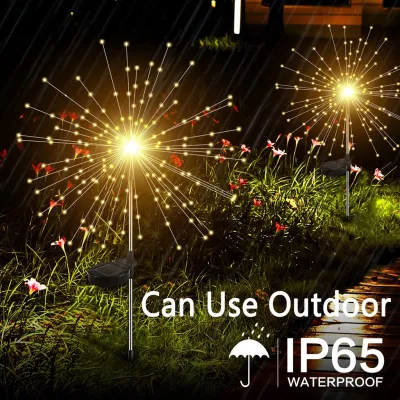
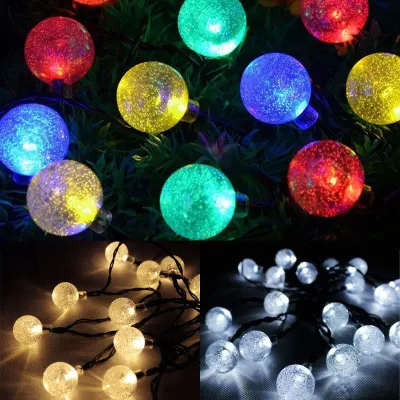
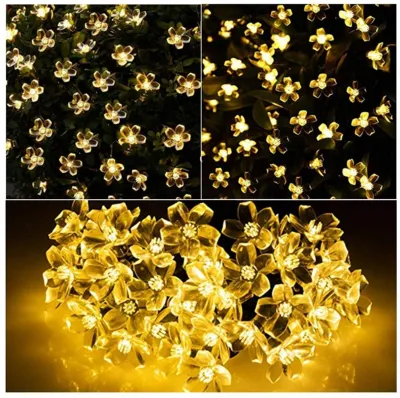
Prices are valid at publication and may change. Please refer to the product page for the latest price.
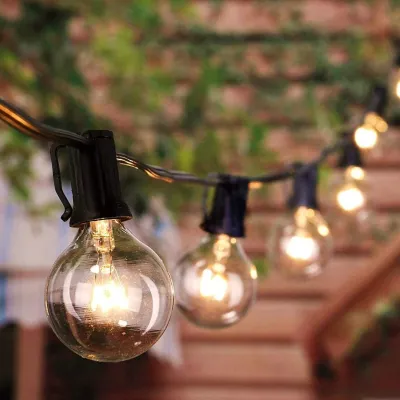
The design of the bulb housing is equally critical for long-term durability. While traditional glass bulbs offer a classic aesthetic, they are highly susceptible to shattering during strong winds or accidental impacts against walls and railings. Leading outdoor lighting brands have largely transitioned to shatterproof polycarbonate or heavy-duty acrylic bulb shells. These materials offer excellent optical clarity while remaining virtually indestructible under normal outdoor conditions, protecting the internal LED filaments from physical damage and moisture.
A brand’s commitment to customer support and warranty terms is a strong indicator of product reliability. When evaluating options, look for brands that offer at least a 12-month comprehensive warranty backed by a verifiable local distributor or customer service presence in Singapore. Having a local point of contact simplifies the process of claiming replacements or sourcing matching spare parts. Brands that provide easily purchasable replacement bulbs and extension accessories demonstrate a commitment to product longevity, ensuring you do not have to discard an entire light string if a single component fails.
Finally, optical consistency separates premium brands from low-grade alternatives. Reliable manufacturers maintain strict quality control over color temperature and brightness across their entire product line. This ensures that if you connect multiple strands or purchase replacement bulbs in the future, the light output remains uniform without distracting shifts in color. Look for brands that specify their color rendering index (CRI) and offer a consistent warm white output (typically around 2700K) to create a cozy, high-end ambiance without visible flickering or uneven dimming performance.
Verifying Weather Resistance and Electrical Safety
Singapore’s tropical climate presents unique challenges for outdoor electrical installations, making weather resistance and safety certifications paramount. The primary standard for measuring a product’s resistance to moisture and dust is the Ingress Protection (IP) rating. When selecting string lights, you must match the IP rating to the specific exposure level of your outdoor space. For semi-sheltered areas like covered balconies or deep patios, an IP44 rating—which protects against splashing water from any direction—is generally sufficient. However, for fully exposed areas such as open gardens, rooftops, or pergolas, you should look for brands offering IP65 or higher to ensure the lights can withstand heavy monsoon downpours.

Electrical safety compliance is a non-negotiable factor when installing mains-powered lighting outdoors. In Singapore, electrical accessories such as power adapters, smart controllers, and transformers are classified as controlled goods. Before purchasing any string light system that plugs into a wall outlet, verify that the power supply unit carries the official Safety Mark issued by Enterprise Singapore. This certification guarantees that the transformer has undergone rigorous testing to ensure it can safely handle the local 230V/50Hz electrical supply and is protected against short circuits, overheating, and electrical shocks.
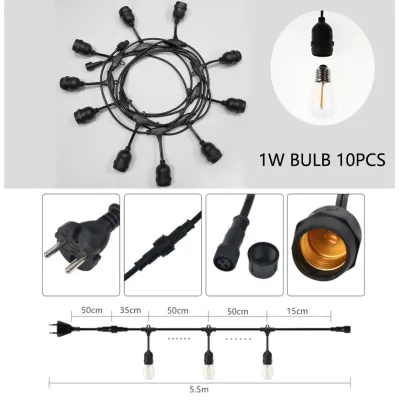
Beyond certifications, inspect the physical construction of the connections and wiring. High-quality outdoor string lights feature heavy-gauge copper wiring wrapped in thick insulation to minimize voltage drop and resist physical wear. The connection points between individual light strands must feature threaded, rubber-gasketed male and female connectors that create a watertight seal when screwed together. Brands that include protective end caps for the final strand in a chain prevent moisture from entering the exposed electrical contacts, significantly reducing the risk of ground faults or tripped circuit breakers.
Matching Power Sources and Smart Features to Your Space
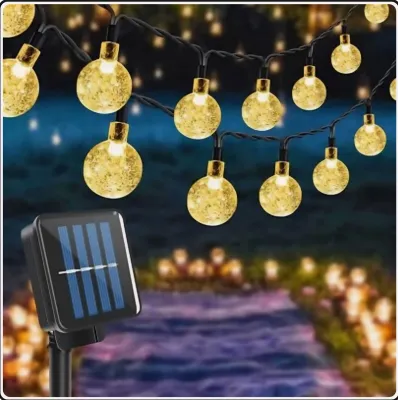
Selecting the right power source for your outdoor string lights depends heavily on your layout and access to electrical infrastructure. Plug-in (mains-powered) systems are the gold standard for permanent installations, offering consistent, high-intensity brightness and the ability to connect multiple strands together. However, they require proximity to an outdoor-rated, weatherproof electrical outlet. If you are lighting a remote corner of a garden or a rental property where drilling is not permitted, solar-powered models offer an independent alternative. Keep in mind that solar lights require direct, unobstructed sunlight to charge effectively, making them less suitable for deep balconies or heavily shaded patios. Battery-operated sets are best reserved for temporary event styling due to the ongoing maintenance of replacing batteries.
For modern convenience, many premium brands now offer smart integration capabilities. When evaluating smart outdoor string lights, consider the reliability of the wireless protocol—such as Wi-Fi, Bluetooth, or Matter—and how well it integrates with your existing smart home ecosystem. Reliable brands provide intuitive companion apps that allow you to set automated schedules, adjust brightness levels, and create custom lighting scenes. Ensure the brand’s app is well-supported with regular software updates to maintain security and compatibility with voice assistants, allowing your outdoor lights to turn on automatically at sunset.
Before finalizing your purchase, calculate the electrical limits of your chosen system. Every transformer has a maximum wattage capacity that dictates how many light strands can be safely connected end-to-end. Reliable brands clearly state these limits in their product specifications, along with the voltage requirements. Never exceed the manufacturer’s maximum connectable strand limit, as overloading the circuit can cause the lights to dim prematurely, damage the transformer, or create a serious fire hazard. If you plan to cover a large area, look for low-voltage systems (typically 12V or 24V) that offer high-efficiency LED bulbs designed for long daisy-chain runs.
Sourcing Genuine Products and Verifying Authenticity
With a vast array of lighting products available online, sourcing genuine, high-quality string lights requires a cautious approach. While online marketplaces and e-commerce platforms offer convenience and competitive pricing, they also host unauthorized third-party sellers offering substandard or counterfeit goods. To ensure you are purchasing a genuine product, prioritize official brand flagship stores or authorized local distributors. Specialized local lighting retailers in Singapore are excellent resources, as they allow you to inspect the physical build quality, cable thickness, and actual light output in person before making a financial commitment.
When shopping online, take the time to verify the seller’s credentials and customer feedback. Look for clear indicators of authenticity, such as official warranty registration details, local return policies, and responsive customer service channels. Genuine brands will typically provide a unique serial number or warranty card that you can register on their official website. Be wary of listings that feature vague technical specifications, generic product descriptions, or lack clear contact information for customer support, as these are common red flags for low-quality imitations.
Price is often a reliable indicator of quality when it comes to outdoor electrical equipment. If a listing offers a long strand of outdoor string lights at a price that seems too good to be true, it likely compromises on essential safety features. Substandard products often use thin, non-UV-resistant wiring, low-grade plastic bulbs that yellow quickly, and non-certified transformers that pose a safety risk. Investing in a reputable brand with a realistic price point—typically ranging from S$50 to S$150 depending on length and smart features—ensures you receive a product that is safe, durable, and compliant with local standards.
Safe Installation and Long-Term Maintenance
A successful outdoor lighting setup relies on safe installation practices and regular maintenance to maximize the lifespan of your investment. When planning your layout, avoid putting physical tension on the electrical cables. For spans longer than a few meters, install a stainless steel support guide wire (tension cable) and secure the string lights to it using outdoor-rated cable ties. This prevents the weight of the lights from stretching the copper conductors inside the wire, which can lead to internal breaks or short circuits. Ensure that cables are routed away from areas where water tends to pool and are secured flat against walls or railings to prevent tripping hazards.
Safety must always be your top priority when working with electricity outdoors. Before mounting your lights, always isolate the power supply at the main circuit breaker. If your installation requires fixed outdoor wiring, connecting to an outdoor junction box in a damp location, or working at significant heights (such as high-rise condominium balconies or roof eaves), do not attempt to do it yourself. In Singapore, you should hire a licensed electrical worker (LEW) to handle these complex tasks. A professional installer ensures that all conduits, junction boxes, and connections comply with local electrical codes, protecting your home from potential hazards.
Routine maintenance is essential to keep your outdoor string lights performing at their best. Periodically wipe down the bulbs and cables with a soft, damp cloth to remove dust, dirt, and salt residue, which is particularly important if you live near coastal areas. Inspect the connection joints annually for any signs of moisture ingress or corrosion, and ensure that all waterproof seals and end caps remain tightly secured. If you need to store your lights during renovations or extended periods of non-use, coil them loosely to avoid sharp bends that could damage the internal wiring, and store them in a cool, dry indoor environment.
Frequently Asked Questions (FAQ)
Can I leave outdoor string lights on all night?
While high-quality LED outdoor string lights are highly energy-efficient and generate minimal heat, leaving them on continuously is not recommended. Continuous operation can accelerate the wear on the internal LED drivers and the power transformer, potentially shortening the overall lifespan of the system. To maximize durability and conserve energy, it is best to use a smart plug, timer, or integrated app scheduler to turn the lights off during the late-night hours when they are not actively needed.
How do I connect multiple string light sets from different brands?
You should avoid connecting outdoor string light sets from different brands together. Different manufacturers use proprietary connector designs, pin configurations, operating voltages (such as 12V, 24V, or mains voltage), and wattage limits. Attempting to force incompatible connections can result in water ingress, electrical short circuits, permanent damage to the LEDs, or overloaded transformers. To ensure safety and maintain your warranty, always expand your lighting setup using compatible expansion strands from the same brand and product line.
Community discussion
Share your experience or ask a question. Comments are reviewed before publication.