
Creating a warm, inviting living room ambiance depends heavily on choosing the right standing lamp. While many brands offer stylish fixtures, the best manufacturers for creating a cozy atmosphere are those that prioritize optical comfort, high-quality diffusion materials, and precise dimming capabilities. Instead of relying on generic brand rankings, finding the ideal standing lamp for your living room requires evaluating specific design philosophies, material choices, and technical specifications. By understanding how different brands approach light distribution and fixture stability, you can select a high-performing lamp that transforms your living space into a relaxing sanctuary.
Core Lighting Features for a Cozy Atmosphere
To establish a genuinely cozy atmosphere, you must look beyond the aesthetic appeal of a standing lamp and examine its core optical specifications. The most critical factor in creating warmth is the color temperature of the light source, measured in Kelvins (K). When browsing product labels and packaging, look for indicators specifying a warm white range, typically between 2700K and 3000K. Light sources within this spectrum mimic the gentle glow of traditional incandescent bulbs, which naturally signals the body to relax. Avoid lamps that only support cool white or daylight temperatures (4000K to 6500K) for ambient areas, as these can make a living room feel clinical and cold.
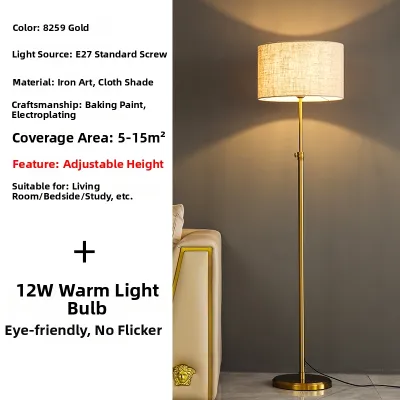
The materials used in the lampshade play an equally vital role in shaping the quality of the light. High-quality brands design shades that diffuse light evenly, eliminating harsh glare and distracting hot spots. Fabric shades made of linen, cotton, or silk naturally soften the light, scattering it gently across the room. Pay close attention to the inner lining of the shade; a gold, brass, or warm copper inner lining will reflect the light inward and project an incredibly rich, golden glow into your living space. Conversely, white or silver linings produce a brighter, more neutral light that is better suited for task-oriented areas rather than pure relaxation.
Products mentioned in this guide
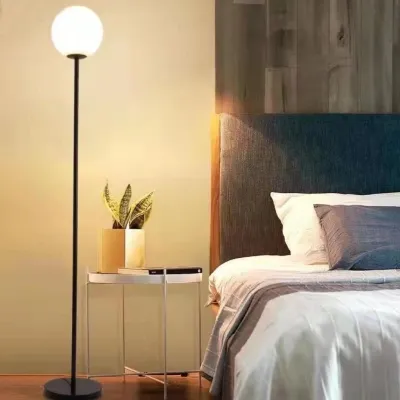
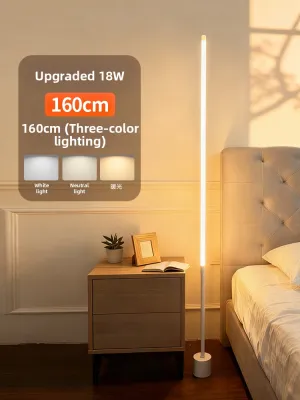
![[SG] 160CM / 180CM Modern Nordic LED Floor Lamp: Minimalist Standing Light for Living Room Bedroom & Study. Sleek Night Lighting](https://img.lazcdn.com/g/p/7f362c72ba3802afff3fdb973346d9d6.jpg_400x400q80.jpg_.webp)

Prices are valid at publication and may change. Please refer to the product page for the latest price.
Dimming capability is another essential feature for fine-tuning your living room’s mood throughout the evening. Look for standing lamps that feature built-in dimming mechanisms, whether through a smooth rotary dial, a touch-sensitive pole, or integrated step-dimming technology. A high-quality dimmer allows you to transition seamlessly from a bright setting for reading or hosting guests to a low, candle-like glow for watching movies or winding down before bed. Ensure the dimming system operates quietly without producing an audible hum or visible flicker, which are common issues in lower-grade fixtures.
Finally, consider the direction of the light. Uplighting fixtures, often called torchieres, direct light upward to bounce off the ceiling, creating a soft, indirect wash of illumination that makes the entire room feel larger and more open. Downlighting fixtures focus their output downward, creating intimate pools of light over specific seating areas or reading nooks. Many premium brands design hybrid fixtures or multi-headed lamps that allow you to adjust both uplighting and downlighting independently, giving you complete control over the spatial dynamics of your living room.
How to Evaluate Brands for Ambient Lighting Quality
When searching for a standing lamp brand that excels in ambient lighting, it is beneficial to focus on manufacturers that specialize in decorative, architectural, or hospitality lighting. Brands with a background in designing lighting for hotels, restaurants, and high-end residential projects understand the subtle science of mood creation. These manufacturers prioritize visual comfort, ensuring that light sources are deeply recessed or carefully shielded to prevent direct glare from reaching your eyes when you are seated on a sofa.

To separate marketing claims from real-world performance, analyze verified customer reviews with a specific focus on light quality and material durability. Look for feedback that mentions how the light spreads across a room, whether the shade material degrades or discolors over time due to heat, and if the structural joints remain tight after years of use. A brand that consistently receives praise for the “warmth” and “softness” of its light is far more likely to deliver the cozy atmosphere you desire than one celebrated solely for its low price point or rapid assembly.
Consistency in manufacturing is another hallmark of a reputable lighting brand. High-quality manufacturers maintain strict quality control over their color rendering index (CRI) ratings and material finishes. A high CRI (typically 90 or above) ensures that the colors of your furniture, rugs, and artwork look rich and true under the lamp’s glow. When evaluating a brand’s collection, check if they offer matching finishes—such as brushed brass, matte black, or oiled bronze—across different lamp styles, allowing you to maintain a cohesive design language throughout your living room.
Lastly, examine the brand’s warranty terms and the long-term availability of replacement parts. A standing lamp is an investment in your home’s comfort, and reputable brands back their products with comprehensive warranties that cover electrical components and structural integrity. Furthermore, check if the manufacturer sells replacement shades, custom dimmer modules, or proprietary light engines. Being able to purchase a replacement shade directly from the brand years down the road ensures your lamp remains a functional centerpiece of your living room, even if the original fabric becomes stained or damaged.
Technical Compatibility and Safety Checks in Singapore
In Singapore, ensuring your standing lamp is electrically safe and physically stable is paramount, especially given the local climate and typical residential layouts. Before purchasing any fixture, verify that it complies with local electrical safety standards and carries the appropriate safety certifications recognized in Singapore. This ensures the internal wiring, switchgear, and insulation have been tested to withstand the local 230V, 50Hz electrical grid. Avoid using uncertified imported lamps that require flimsy, unsafe travel adapters; instead, look for fixtures equipped with a fused, three-pin Type G plug that fits securely into local wall outlets.
Always check the maximum wattage limits and bulb base types directly on the product’s physical label before installing a bulb. Overlamping—using a bulb with a higher wattage than the fixture is rated for—creates a severe fire hazard and can melt plastic sockets or scorch fabric shades. Ensure the lamp uses standard, easily accessible base types such as E27 (screw-in) or E14 (small screw-in), which are widely available in Singapore. If you plan to use energy-efficient LED bulbs, confirm that the lamp’s socket and any built-in dimming circuitry are explicitly rated for LED compatibility to prevent premature bulb failure.
Physical stability is another critical safety consideration, particularly in high-traffic living rooms or homes with children and pets. Evaluate the weight of the lamp’s base relative to its overall height and the thickness of its support pole. A high-quality standing lamp should have a heavily weighted base—often constructed from solid marble, cast iron, or dense steel—to lower its center of gravity and prevent tipping if accidentally bumped. If you are considering an arc lamp with a dramatic overhang, ensure the base is sufficiently heavy to counterbalance the extended arm without wobbling.
While setting up a standard plug-and-play floor lamp is a straightforward DIY task, certain scenarios require professional assistance. If your chosen standing lamp features integrated architectural wiring that connects directly to a wall switch, or if you are integrating a complex, whole-home smart lighting system that requires hardwired controllers, stop and consult a qualified electrician. Attempting to modify fixed electrical installations without the proper training can lead to electrical shocks, short circuits, or voiding your home insurance policy.
Matching Lamp Designs to Your Living Room Layout
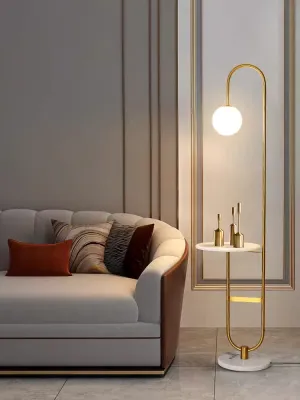
Selecting the right standing lamp design requires a careful analysis of your living room’s physical layout, furniture arrangement, and spatial constraints. For instance, arc lamps are exceptionally effective when positioned over seating areas. Because of their long, curved necks, they can project a warm pool of light directly over a coffee table or the center of a sectional sofa without requiring a ceiling junction box. This creates an intimate, localized zone of warmth while keeping the support pole tucked safely behind or beside the furniture, out of the natural walking path.
If your living room has low ceilings or lacks natural light, a torchiere-style standing lamp is an excellent choice. By directing its light upward, a torchiere bounces illumination off the ceiling, scattering a soft, glare-free glow across the entire room. This indirect lighting technique eliminates harsh shadows and mimics the natural feel of daylight, making the space feel warmer and more inviting. To maximize this effect, position the torchiere in a corner or alongside a light-colored wall to allow the light to wash down the vertical surfaces.
Balancing the physical proportions of the lamp with your existing furniture is crucial for visual harmony. A massive, oversized floor lamp can easily overwhelm a compact sofa or a delicate side table, while a tiny, slender lamp will look lost next to a heavy, plush armchair. As a general rule, the bottom of the lampshade should sit at roughly eye level when you are seated on your sofa. This height ensures that the bulb remains shielded from direct view, preventing uncomfortable glare while you are trying to relax or converse with family.
Finally, plan your cord routing carefully to maintain a clean, uncluttered aesthetic and eliminate tripping hazards. Measure the distance from your desired lamp placement to the nearest electrical outlet before making a purchase. Look for lamps that feature discreet cord management systems, such as channels built into the support pole or clear, fabric-wrapped cords that blend into your flooring. Avoid running cords across open walkways; if a cord must cross a high-traffic area, secure it with a low-profile, rubber cord protector that matches your floor color to ensure safety and visual neatness.
Building Your Shortlist: A Practical Selection Workflow
To find the perfect standing lamp without getting overwhelmed by the vast array of options on e-commerce platforms or in physical showrooms, follow a structured selection workflow. Begin by defining your primary lighting goal—whether you need general ambient warmth, localized reading light, or an artistic statement piece. Once your goal is clear, measure the exact floor footprint and vertical clearance available in your living room. Keep in mind that Singaporean apartments, such as HDB flats, often have specific ceiling heights and compact layouts, making precise measurements essential before browsing.
Next, establish a realistic budget in S$ that accounts for both the fixture itself and any high-quality bulbs or smart accessories you may need. Filter your online searches or showroom visits by this budget, prioritizing brands that offer the essential features you identified, such as integrated dimming, premium shade materials, or smart home compatibility. By setting these boundaries early, you can avoid falling in love with a fixture that is either physically incompatible with your space or financially impractical.
As you narrow down your options, cross-reference the manufacturer’s official specifications with the descriptions provided by local retailers. Retailer listings can sometimes contain errors regarding dimensions, material finishes, or bulb compatibility. Verifying these details on the manufacturer’s official website ensures you know exactly what to expect when the product arrives. Pay close attention to the weight of the package and whether the lamp requires extensive assembly, as some complex designs may require two people to assemble safely.
Before completing your purchase, carefully review the retailer’s return policies, warranty registration process, and delivery conditions. Ensure that the store offers a reasonable return window in case the lamp’s physical scale or light quality does not match your expectations once placed in your living room. If you are purchasing a large or fragile fixture, confirm that the delivery service includes safe transport to your doorstep and, if possible, unboxing and assembly assistance to prevent any accidental damage during setup.
Frequently Asked Questions (FAQ)
Can I use smart bulbs in any standing lamp to adjust the warmth?
You can use smart bulbs in many standing lamps, but you must first check the lamp’s physical switch mechanism. If the standing lamp features a built-in manual dimmer switch (such as a rotary dial or touch slider), installing a smart bulb can cause severe flickering, buzzing, or permanent damage to both the bulb and the lamp’s circuitry. Smart bulbs require a constant, uninterrupted flow of full electrical power to operate their internal wireless receivers. Therefore, they should only be used in lamps with simple on/off toggle or foot switches. Additionally, always verify that the smart bulb’s wattage equivalent does not exceed the maximum wattage rating printed on the lamp’s socket label, and ensure the bulb is physically compatible with the shape and ventilation of the lampshade.
How many standing lamps do I need for a large living room?
For a large living room, relying on a single standing lamp is rarely sufficient to create a balanced, warm ambiance. Instead, aim to layer your lighting by using two or three standing lamps positioned in different zones of the room. Start by assessing your existing overhead lighting and identifying the naturally dark corners or seating areas that feel isolated. Placing a torchiere lamp in a far corner can provide a soft, ambient background wash, while an arc lamp or a classic shaded floor lamp can be positioned next to your main sofa to create an intimate reading zone. By distributing multiple lower-wattage light sources throughout the space, you can eliminate harsh shadows and adjust the brightness of individual zones to suit different activities, resulting in a much richer and more comfortable atmosphere than a single, overly bright light source could provide.
Community discussion
Share your experience or ask a question. Comments are reviewed before publication.