
Identifying the correct wall art style begins with observing your existing space rather than following temporary trends. By evaluating your current furniture, architectural features, and personal preferences, you can diagnose your home’s dominant aesthetic and select wall art that enhances your interior cohesively. Instead of buying a piece on impulse, taking a systematic approach ensures your new decor complements your living environment. This guide provides a practical framework to help you analyze your space, define your style, and choose pieces that feel perfectly integrated.
Assess Your Current Room Elements and Furniture
Before browsing online galleries or local decor shops, take a detailed inventory of the room where the art will hang. The existing architectural elements in your home establish a permanent backdrop that influences how any piece of art is perceived. Look closely at your flooring materials, whether they are warm teak parquet, cool marble, or neutral vinyl tiles. Note the exact undertone of your wall paint and the material of your window frames, as these fixed finishes represent the first layer of your room’s visual identity. Smooth, white plaster walls offer a blank canvas for almost any style, while textured concrete or exposed brick walls demand art that either complements or intentionally contrasts with their rugged texture.
Next, examine your major furniture pieces to identify their dominant design lines and materials. Large items like sofas, dining tables, and shelving units dictate the structural flow of the space. Note whether your furniture features clean, straight lines and sharp angles, or softer, organic curves. The primary materials—such as dark walnut wood, matte black steel, polished brass, or textured linen—will guide you toward art mediums and frames that share similar physical properties. For instance, a room filled with low-profile, mid-century modern teak furniture naturally welcomes art with organic shapes and warm, earthy tones.
Products mentioned in this guide



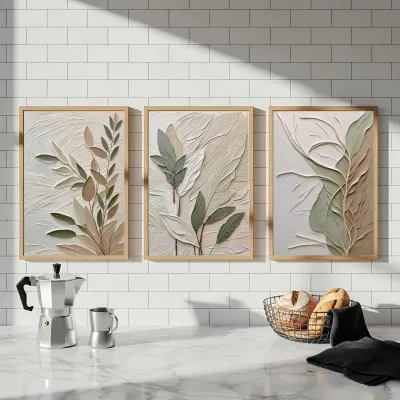
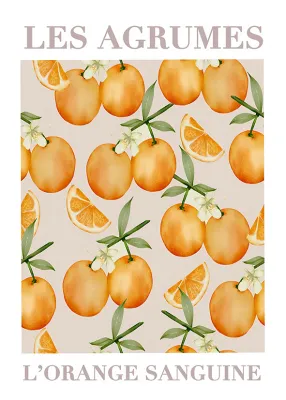
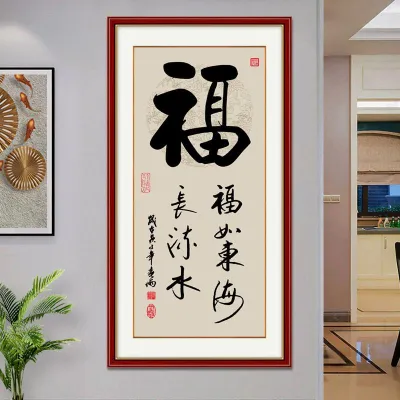

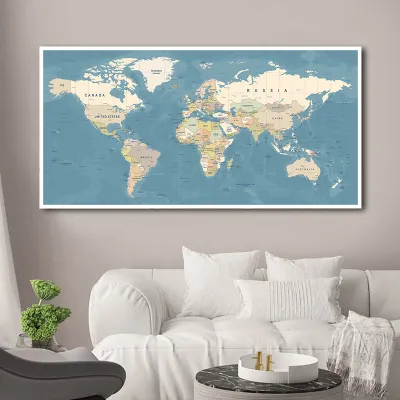
Prices are valid at publication and may change. Please refer to the product page for the latest price.
Finally, identify the existing visual focal points and recurring textures in the room. A room might already have a dominant feature, such as a large television screen, a built-in bookshelf, or a window overlooking a green balcony. Your wall art should work in harmony with these elements rather than competing with them for attention. Take note of the fabrics used in your cushions, rugs, and curtains, as these tactile textures can be echoed or balanced by the texture of your chosen artwork. A room with heavy velvet drapes and plush rugs can support rich, textured oil paintings, while a space with light linen and rattan benefits from breezy, minimalist prints.
Diagnose Your Dominant Interior Design Aesthetic
To determine your primary design style, ask yourself a few clarifying questions about how you want the space to feel. Do you prefer clean, open spaces with minimal clutter, or do you feel more comfortable in warm, layered environments filled with personal objects? Are you drawn to high-contrast, modern setups, or do you prefer soft, muted tones that blend together seamlessly? Your answers will help clarify whether your taste leans toward structured simplicity or rich, eclectic layering. Understanding these personal inclinations prevents you from purchasing art that feels out of place once hung.

Consider the core visual signals of common design aesthetics to see where your home fits. For instance, a minimalist aesthetic relies heavily on negative space, clean lines, and a restrained color palette. A Scandinavian style often incorporates light wood tones, cozy textiles, and functional simplicity. If your space features exposed brick, concrete finishes, and industrial metal pipes, it aligns with an industrial aesthetic. Meanwhile, a bohemian home is characterized by rich textures, global patterns, and a relaxed, organic feel. Transitional styles bridge the gap between traditional elegance and modern simplicity, featuring classic molding alongside clean-lined furniture.
Many modern homes do not fit perfectly into a single design category, often blending elements from two or more styles. To maintain visual balance, apply the 70/30 rule: identify the dominant style that makes up about 70% of your room’s elements, and use the remaining 30% for accent styles. For example, your room might have a predominantly modern Scandinavian foundation with a few bohemian textile accents. Your wall art can then bridge these styles by featuring clean Scandinavian lines executed in warm, bohemian-inspired earth tones. This balanced approach ensures your decor feels curated rather than chaotic.
Match Wall Art Features to Your Identified Style
Once you have diagnosed your interior style, you can select wall art mediums that reinforce that aesthetic. For a sleek, minimalist, or modern space, frameless canvas prints or high-definition metal prints offer a clean, uninterrupted look. If your home leans toward a traditional, rustic, or bohemian style, textured paper prints, woven tapestries, or mixed-media wood pieces add tactile warmth. Matching the physical medium of the art to the room’s materials creates an immediate sense of design continuity. For transitional spaces, classic oil-on-canvas or high-quality giclée prints on textured paper work beautifully.
Color coordination is another critical factor in making your artwork feel intentional. You can choose a monochromatic scheme that matches the exact tones of your walls and furniture for a subtle, sophisticated look. Alternatively, look at the accent colors already present in your throw pillows, rugs, or decorative objects, and select art that incorporates those same hues to tie the room together. If your space is highly neutral, a piece of art featuring a single bold, complementary color can serve as a striking focal point without overwhelming the senses. Always consider how the colors in the artwork interact with the natural light in the room.
The framing and mounting of your artwork should also echo the existing lines and materials in your room. A minimalist interior benefits from thin, simple metal frames in black, white, or silver, which keep the focus entirely on the art. Traditional or Scandinavian spaces often pair beautifully with light oak or warm walnut wood frames that match the furniture. For an industrial setting, consider dark, distressed metal frames or even frameless mounting options that highlight the raw, unpolished character of the space. The frame acts as a transition between the artwork and your wall, making its selection just as important as the art itself.
Verify Scale, Lighting, and Placement Conditions
Before making a final purchase, measure your available wall space to ensure the artwork is scaled correctly for the room. A common mistake is hanging a piece that is too small, which can make the wall look empty and unfinished. As a general guideline, artwork hung over a sofa, console table, or bed headboard should span approximately two-thirds to three-quarters of the furniture’s total width. Leave sufficient breathing room between the edges of the frame and adjacent walls, door frames, or light switches to prevent a cramped appearance. To test the scale before buying, tape paper templates of the artwork’s dimensions onto the wall to visualize the physical impact.
Lighting plays a major role in how the colors and textures of your wall art are experienced throughout the day. Observe how natural light enters the room and where it falls during different hours. If you plan to hang art directly opposite a large window, opt for matte canvas or non-reflective museum glass to prevent harsh glare from obscuring the image. For darker corners, consider installing dedicated picture lights or adjusting nearby track lighting to highlight the artwork and bring out its true colors. Ensure any artificial lighting used does not emit excessive heat, which could damage delicate art mediums over time.
Finally, decide whether your space is better suited for a single large-scale statement piece or a multi-piece gallery wall. A single large artwork creates a clean, dramatic focal point that works exceptionally well in minimalist, modern, or formal dining spaces. On the other hand, a gallery wall allows you to display a collection of smaller prints, photographs, and objects, making it ideal for bohemian, eclectic, or casual family rooms. When planning a gallery wall, maintain a consistent spacing of about five to eight centimeters between frames to keep the arrangement looking organized and cohesive.
Frequently Asked Questions (FAQ)
Can I mix different wall art styles in one room?
Yes, you can successfully mix different wall art styles in a single room by establishing a unifying element to tie them together. One effective method is to use identical frames for all pieces, which provides a consistent visual boundary regardless of the art style inside. Alternatively, you can keep the art styles diverse—such as pairing an abstract painting with a vintage photograph—while sticking to a strict, shared color palette. This approach allows you to showcase varied interests while maintaining a cohesive, curated look.
How do I choose wall art for a rented space with limited changes?
For rented homes where drilling holes is restricted, you can still establish a strong style using damage-free hanging solutions. High-quality adhesive strips and hooks allow you to hang lightweight frames and canvases securely without damaging the paint or plaster. Another stylish option is to lean larger framed artworks against the wall on top of a sideboard, console table, or even directly on the floor for a relaxed, gallery-like feel. Large, lightweight fabric wall hangings or tapestries are also excellent for covering significant wall space and are easy to pack and move.

Community discussion
Share your experience or ask a question. Comments are reviewed before publication.