
A trusted incense coil brand is defined by ingredient transparency, clean burn characteristics, and clear safety labeling. In Singapore’s diverse market, where products range from traditional temple offerings to high-end lifestyle aromatics, identifying quality requires looking beyond marketing claims to verify physical characteristics and sourcing channels. By understanding the materials, burning behaviors, and retail markers of genuine products, you can confidently select incense coils that enhance your living space safely and beautifully.
Quick Guide to Evaluating Incense Coil Quality
Evaluating the quality of an incense coil involves assessing its raw materials, physical construction, and burning behavior. High-quality brands prioritize natural ingredients, utilizing pure ground wood powders and plant-based binders rather than synthetic fragrances and chemical combustion accelerators.
To quickly verify a brand’s reputation, look for clear product labeling that details the specific wood species used, the country of origin, and safety guidelines. Authentic products are typically sold through established specialty retailers, traditional apothecaries, or authorized online distributors who can verify their supply chains. Avoiding suspiciously cheap products and checking for intact packaging seals are essential first steps in ensuring you bring a safe, high-quality aromatic product into your home.
Products mentioned in this guide
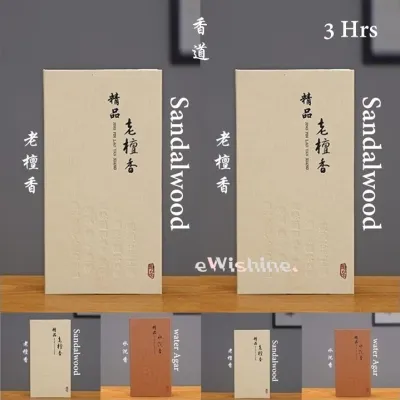
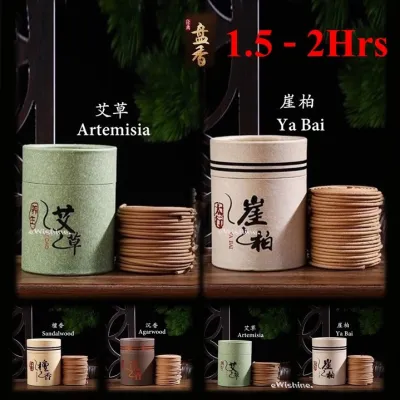
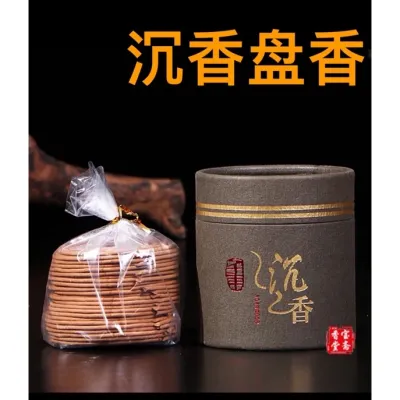
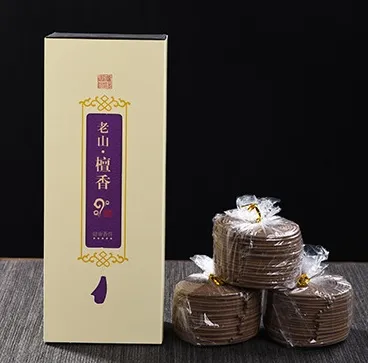
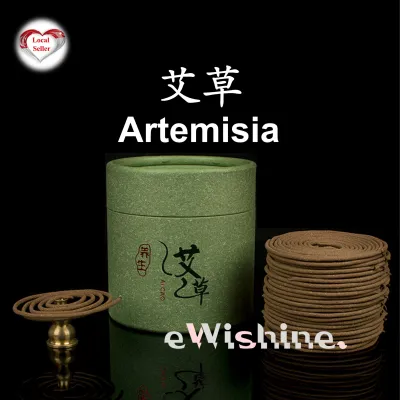
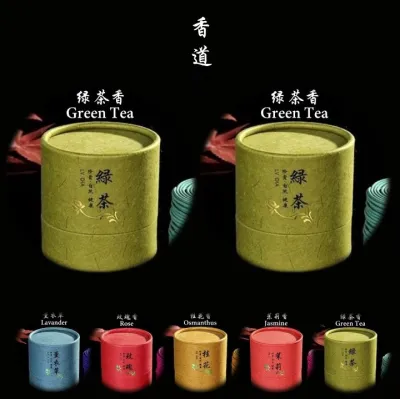
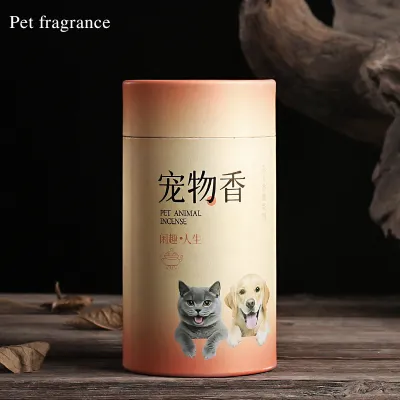
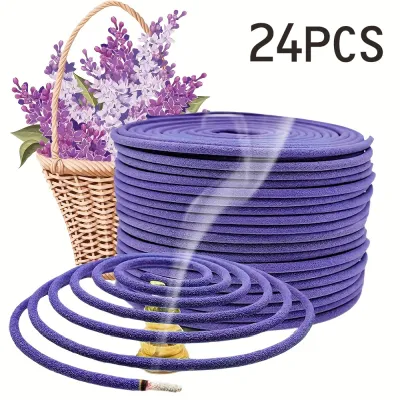
Prices are valid at publication and may change. Please refer to the product page for the latest price.
Core Criteria for Identifying Trustworthy Brands
Ingredient Transparency and Material Purity
The most critical factor in identifying a trustworthy incense coil brand is the purity of its ingredients. Premium manufacturers use 100% natural wood powders, such as sandalwood or agarwood, combined with a natural, plant-based binder. A common natural binder is the powdered bark of the Machilus thunbergii tree, which provides structural integrity without altering the scent profile of the precious woods.

In contrast, low-grade or untrustworthy brands often rely on synthetic fragrance oils, chemical dyes, and artificial binders to mimic the aroma of natural woods. They may also add chemical burn accelerants, such as potassium nitrate, to ensure the coil burns continuously without self-extinguishing. These synthetic additives can release harsh, irritating smoke and leave behind a heavy, chemical residue that clings to furniture and walls. When evaluating a brand, check the ingredient list for specific botanical names and look for explicit statements confirming the absence of synthetic fragrances and chemical binders.
Physical and Burn Characteristics
You can assess the quality of an incense coil by observing its physical properties both before and during the burning process. A high-quality coil should have a uniform thickness, a smooth texture, and a consistent color throughout its structure. It should feel relatively sturdy rather than brittle or crumbly, indicating that the natural binder was mixed and dried correctly.
When lit, a premium incense coil exhibits distinct burning characteristics:
- Smoke Volume and Color: The smoke should be thin, wispy, and have a light blue-grey hue. Thick, heavy, or dark black smoke is a strong indicator of synthetic oils, chemical binders, or excessive moisture content.
- Ash Behavior: The ash left behind should be fine, dry, and light grey or white. It should hold its shape along the curve of the coil for a short period before falling, rather than crumbling instantly into a messy, dark powder. Black or oily ash suggests the presence of synthetic additives.
- Scent Evolution: Natural incense releases a complex, delicate aroma that evolves gently over time, revealing subtle top, middle, and base notes. If the scent is immediately overpowering, cloying, or causes eye irritation and headaches, it is highly likely the product contains synthetic perfumes.
Packaging and Labeling Standards
Trustworthy brands demonstrate professionalism and regulatory compliance through their packaging and labeling. A reputable product will be housed in sturdy, protective packaging—such as rigid boxes, tin containers, or padded cases—to prevent the fragile coils from breaking during transport and storage.
The product label should provide comprehensive information, including the manufacturer’s name and contact details, the country of manufacture, the batch or production date, and the estimated burn time. It should also include clear safety warnings and usage instructions, such as advising users to burn the coil in a well-ventilated area and keep it away from flammable materials. Vague labeling that lists only “fragrance” or “incense powder” without specifying the wood source is a common sign of a low-quality product.
Sourcing Authentic Incense Coils in Singapore
Navigating Physical Retail Channels
Shopping in person allows you to inspect the packaging, observe the physical quality of the coils, and sometimes experience the unlit scent profile. Singapore offers several distinct physical retail environments where you can find authentic incense coils:
- Traditional Chinese Medicine (TCM) Halls and Apothecaries: These established shops often stock high-grade, natural herb- and wood-based incense coils. Because these businesses cater to health-conscious consumers, they are highly selective about the purity of their products.
- Specialized Cultural and Religious Supply Stores: Located in heritage districts such as Chinatown or Waterloo Street, these specialized merchants carry a wide variety of traditional sandalwood and agarwood coils. Look for long-standing shops that cater to discerning collectors and practitioners.
- Modern Lifestyle Boutiques and Department Stores: Located in central shopping districts, these curated spaces focus on premium Japanese-style or artisanal local brands. They emphasize minimalist packaging, clean-burning formulations, and contemporary scent profiles suitable for modern home decor.
Verifying Online Marketplaces and Digital Sellers
When purchasing incense coils through online marketplaces or ecommerce platforms, additional diligence is required to ensure you receive authentic products rather than cheap counterfeits. Start by purchasing exclusively from official brand stores, flagship digital storefronts, or highly rated authorized distributors.
Carefully analyze customer reviews, paying close attention to feedback regarding the physical condition of the coils upon arrival. Because incense is highly fragile, reputable online sellers will use specialized protective packaging, such as bubble wrap, air cushions, or rigid outer boxes, to prevent breakage. Check the seller’s return and refund policies to ensure you are protected if the product arrives damaged or does not match the description.
Identifying Common Red Flags
To protect yourself from low-quality or counterfeit incense coils, be vigilant for several common red flags during your search. Suspiciously low prices are a primary warning sign; high-quality raw materials like natural sandalwood and agarwood are inherently expensive, so a large box of coils priced at just a few S$ is almost certainly synthetic.
Inspect the packaging for broken safety seals, torn shrink wrap, or signs of tampering, which suggest poor quality control or product substitution. Poorly translated English, spelling errors, or a complete lack of manufacturer contact details on the box indicate unregulated production facilities. Finally, avoid products that emit a strong, pungent perfume smell even through sealed plastic packaging, as this points to heavy use of synthetic fragrance oils.
Matching Scent Profiles to Your Living Space
Understanding Scent Families and Moods
Selecting the right incense coil involves matching the scent profile to your personal preferences and the specific atmosphere you wish to create. Natural incense generally falls into three primary scent families:
- Woody Profiles: Sandalwood offers a warm, creamy, and grounding aroma that is highly effective for calming the mind, reducing stress, and preparing for sleep. Agarwood (also known as aloeswood or oud) provides a deep, complex, sweet, and slightly resinous scent that is ideal for meditation, deep focus, or formal tea gatherings.
- Floral Profiles: Scents like jasmine, rose, or lotus offer a lighter, sweeter, and more uplifting atmosphere. These profiles are excellent for daytime use, welcoming guests, or refreshing the air in living areas.
- Herbal and Resinous Profiles: Blends containing frankincense, white sage, patchouli, or traditional Tibetan herbs provide earthy, crisp, and purifying aromas. These are commonly used for space clearing, neutralizing stubborn odors, and creating a clean, revitalizing environment.
Space and Ventilation Considerations
Singapore’s housing landscape consists largely of high-density apartments and HDB flats, where indoor air volume is relatively compact. When burning incense coils in these environments, it is crucial to match the coil size and burn duration to the physical dimensions of your space.
For smaller rooms, such as bedrooms or study nooks, opt for micro-coils or smaller-diameter coils designed for shorter burn times, such as 1 to 2 hours. This prevents the scent and smoke from becoming overly concentrated and overwhelming. For larger, open-plan living and dining areas, standard 4-hour coils can be used safely, provided there is active air circulation. Always ensure there is a continuous flow of fresh air by keeping a window cracked or utilizing mechanical ventilation to disperse the smoke gently.
Sensitivity and Household Safety Checks
Before burning incense coils, consider the health and comfort of everyone in your household, including pets. Dogs and cats have incredibly sensitive olfactory systems, and certain essential oils or heavy smoke can cause them significant distress or respiratory irritation. If you have pets, choose extremely low-smoke formulations, burn incense in a separate room that your pets do not access, and ensure excellent ventilation.
If any family members suffer from asthma, allergies, or other chronic respiratory conditions, consult a medical professional before introducing incense into the home. For households with infants or young children, it is best to avoid burning incense in their immediate presence, opting instead to scent the room well before they enter and ensuring the air has cleared of active smoke.
Safe Usage and Burner Maintenance
Placement and Ventilation Protocols
Safe usage begins with proper placement of your incense burner. Always position the burner on a flat, stable, and heat-resistant surface, such as a ceramic tile, stone coaster, or heavy wooden tray. Keep the burning coil far away from flammable household items, including curtains, tablecloths, books, loose papers, and upholstered furniture.
Avoid placing the burner directly in the path of strong drafts, open windows, or air conditioning vents. Strong air currents can cause the coil to burn unevenly, accelerate the burn rate, or blow lightweight ash out of the burner and onto surrounding surfaces. Ensure the room has adequate, gentle ventilation—such as an open internal door or a partially open window—to allow the smoke to circulate and exit the space naturally.
Selecting Compatible Burners
Using a burner designed specifically for incense coils is essential for both safety and optimal burning. Coils require specialized support to burn completely without self-extinguishing. Common compatible burner designs include:
- Ceramic or Stone Bowls with Fireproof Felt: These burners utilize a black, non-flammable carbon fiber felt pad placed at the bottom of the bowl. The incense coil lies flat directly on the felt, which supports the entire coil while allowing it to burn continuously.
- Brass or Ceramic Holders with Support Pins: These holders feature a central metal pin or a small multi-pronged stand that holds the center of the coil, suspending the rest of the rings in the air.
- Hanging Burners: These decorative metal or ceramic vessels suspend the coil from a central hook, allowing the ash to fall safely into a deep basin below.
Ensure the burner’s diameter is larger than the outer ring of the incense coil. If the burning edge of the coil touches the cold side of a ceramic or metal burner, the heat will dissipate, causing the coil to extinguish prematurely.
Routine Ash Management and Cleaning
Accumulated incense ash and oily resin residues must be managed regularly to preserve your burner and maintain a clean burning environment. In Singapore’s humid tropical climate, old incense ash can absorb moisture from the air, clumping together and potentially harboring mold if left undisturbed for long periods. Empty the dry ash from your burner regularly, leaving only a thin, even layer if you use a traditional ash-bed burner style.
Over time, the burning of natural woods and resins releases essential oils that leave a sticky, yellowish-brown residue (tar) on the inside of the burner. To clean ceramic, glass, or metal burners, wipe the surfaces with a soft cloth dampened with warm, soapy water. For stubborn resin buildup, use a small amount of isopropyl alcohol on a cotton pad to dissolve the oils, then rinse the burner thoroughly and allow it to dry completely before using it again. Avoid using harsh abrasive cleaners or steel wool, which can scratch and damage the burner’s finish.
Frequently Asked Questions (FAQ)
How long should a standard incense coil burn?
A standard indoor incense coil typically has an expected burn time of 2 to 4 hours, depending on its diameter, thickness, and material density. Larger ceremonial or outdoor coils can be designed to burn for 12 to 24 hours, though these are generally too large and smoky for standard residential interiors.
Environmental factors also play a role in the burn rate. High ambient humidity can slow down the combustion process slightly, while active drafts or air currents will accelerate the burn, causing the coil to consume itself much faster. Always check the manufacturer’s product specifications on the packaging for the rated burn time, and monitor the coil during its initial use to understand how it performs in your specific home environment.
Can I use an incense coil without a dedicated burner?
Burning an incense coil without a dedicated, heat-resistant burner is highly discouraged due to significant fire hazards and the risk of damaging your household surfaces. Improvised holders, such as standard ceramic plates, glass bowls, or metal lids, may not provide the correct physical support, causing the fragile coil to tilt, break, or come into direct contact with flammable materials.
Furthermore, as the coil burns, it generates intense localized heat at the glowing ember point. Placing a burning coil directly on an unapproved surface can cause glass to shatter, ceramic to crack, or wooden furniture to suffer permanent scorch marks and discoloration from falling hot ash and oily resin. Always invest in a certified, fireproof burner or a dedicated incense dish equipped with a fireproof felt pad to ensure a safe and enjoyable aromatic experience.

Community discussion
Share your experience or ask a question. Comments are reviewed before publication.