
Finding the perfect painting for your home is more than just picking an image you like; it is about creating a dialogue between the artwork and your existing interior design. The right piece acts as a visual anchor, pulling together disparate design elements, while an incompatible style can disrupt the flow of an otherwise well-designed room. By analyzing your space’s dominant lines, color temperatures, and textures, you can confidently select art that elevates your home.
Quick Diagnostic: Finding Your Room's Visual Anchor
Before browsing galleries or online marketplaces, take a step back to identify your room’s primary visual anchor. Every balanced space has a dominant design theme that sets the baseline for your art selection. Look at the largest pieces of furniture, the wall colors, and the overall layout to determine if your room leans modern, traditional, or eclectic.
Your existing color palette and furniture silhouettes play a critical role in dictating compatible art choices. A room filled with sleek, low-profile furniture requires a different artistic approach than a space adorned with ornate, classic wooden cabinets. The core principle of art selection is balance: your chosen painting should either harmonize seamlessly with the room’s current elements or provide an intentional, sophisticated contrast that adds depth without causing visual chaos.
Products mentioned in this guide
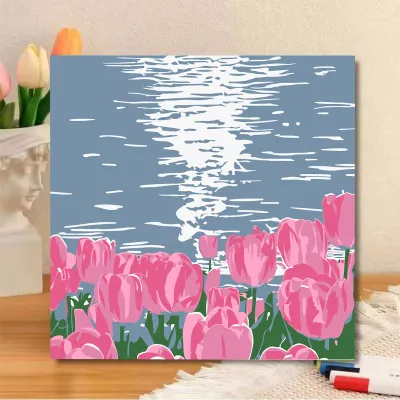

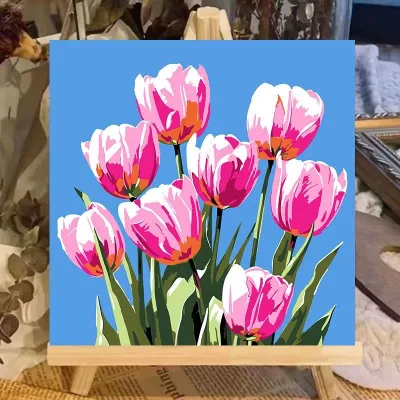


Prices are valid at publication and may change. Please refer to the product page for the latest price.
Step 1: Assess Your Existing Room Elements
To begin your self-audit, analyze the dominant color palette of your room. Take note of whether your space features warm undertones, such as beige, terracotta, and cream, or cool undertones like slate gray, crisp white, and navy. Identify the existing accent colors in your soft furnishings, cushions, or rugs; these are the hues you can echo in your painting to create a cohesive look. In bright, tropical daylight, colors can appear highly saturated, so consider how natural light shifts the tones in your room throughout the day.

Next, evaluate your furniture silhouettes. Clean, geometric lines and minimalist structures suggest a modern or contemporary aesthetic that pairs well with abstract or graphic art. Conversely, curved furniture legs, detailed moldings, and plush, tufted upholstery point toward transitional or classic interiors, which often welcome more traditional art styles. Matching the structural lines of your furniture with the composition of your artwork prevents the space from feeling disjointed.
Finally, observe the room’s texture and material mix. A space rich in natural materials like rattan, light oak, and linen benefits from art mediums that share an organic feel, such as textured canvas or matte paper prints. If your room features sleek surfaces like polished marble, brass, or glass, you might opt for framed art prints with clean metal borders or high-gloss finishes. The frame itself is an extension of the art; choosing a frame material that complements your existing decor ensures a smooth visual transition from wall to artwork.
Step 2: Match Painting Styles to Interior Aesthetics
Once you understand your room’s physical characteristics, you can map specific painting styles to your interior aesthetic using clear, observable conditions.
Abstract & Contemporary Abstract and contemporary paintings are highly versatile and frequently paired with modern, minimalist, or mid-century modern spaces. These pieces use bold color blocks, fluid forms, and expressive brushstrokes to inject visual energy into a room without relying on strict representation. They work exceptionally well in open-plan living areas where you want to establish a focal point without competing with functional furniture.
Minimalist & Line Art Commonly used in Scandinavian, Japandi, or highly uncluttered rooms, minimalist and line art relies heavily on negative space and simple geometry. These paintings maintain a calm, serene atmosphere by keeping visual noise to a minimum. They are particularly effective in compact urban apartments, such as local HDB flats, where large, busy paintings might make a small room feel cramped and overwhelming.
Botanical & Landscape Frequently chosen for traditional, rustic, or biophilic designs, botanical prints and landscape paintings introduce organic elements and natural tones indoors. This style is ideal for creating a relaxing, nature-inspired sanctuary. In tropical climates, botanical art featuring lush green foliage or soft coastal landscapes can visually cool down an interior, making the space feel fresh and airy.
Portraiture & Classic Realism Often selected for maximalist, vintage, or formal interiors, portraiture and classic realism add historical weight and dramatic depth to a room. These detailed works invite closer inspection and are well-suited for formal dining rooms, home libraries, or study spaces. The rich textures and deep color palettes of classical paintings pair beautifully with dark wood furniture and warm, ambient lighting.
Step 3: Evaluate Scale, Placement, and Lighting Conditions
Selecting the right style is only half the battle; you must also ensure the painting physically fits your space. Determine the appropriate scale of the artwork relative to your wall size and adjacent furniture. A common guideline is that a painting should occupy roughly two-thirds to three-quarters of the width of the furniture it hangs above, such as a sofa or a sideboard. A piece that is too small will get lost on a large wall, while an oversized painting can overwhelm the entire room.
Next, assess the natural and artificial lighting in the designated area. Direct tropical sunlight can cause colors to fade over time and create harsh glare on glass-fronted frames. If your wall receives intense daylight, consider using UV-protective acrylic instead of standard glass, or opt for a frameless stretched canvas. Additionally, observe how your evening artificial lighting—whether warm LED downlights or track lighting—casts shadows across the texture of the painting.
When hanging heavy framed art on concrete or masonry walls, ensure you use appropriate wall plugs and heavy-duty anchors rather than simple adhesive hooks. For oversized pieces, suspended loads, or installations requiring work at height, consult a professional installer to ensure the artwork is securely mounted and poses no safety hazard. Plan the hanging height so that the center of the image is at eye level, which is typically around 145 to 150 centimeters from the floor.
Step 4: Test and Finalize Your Choice Before Purchasing
Before committing to a purchase, use practical, low-risk methods to verify your choice. You can easily visualize the scale of a potential painting by using painter’s tape to outline its dimensions directly on the wall. Leave the tape up for a few days to get a feel for how the size impacts the flow of the room. Alternatively, use digital room mockup applications to overlay a photo of the artwork onto a picture of your actual wall.
When shopping online, keep in mind that screen calibrations vary widely, and the colors of the physical painting may look slightly different in person under your home’s specific lighting. Always review the retailer’s return and exchange policies to ensure you have options if the piece does not match your expectations. If you are hesitant about a bold new style, consider starting with an affordable print under S$100 or a smaller accent piece before investing in a large-scale original canvas.
Frequently Asked Questions (FAQ)
Can I mix different painting styles in the same room?
Yes, you can successfully mix different painting styles by establishing a unifying element. To prevent visual chaos, try to keep a consistent color palette across the different pieces, or use matching frame styles and uniform matting to tie them together. Distributing the visual weight evenly across the room or arranging them in a curated gallery wall layout helps maintain balance.
How do I choose a painting style for a room with neutral decor?
For a room with neutral decor, your choice depends on the atmosphere you want to create. If you want to inject energy and establish a clear focal point, choose an abstract or bold contemporary painting with vibrant accent colors. If you prefer to maintain a serene, understated environment, opt for minimalist line art, monochromatic pieces, or soft tonal landscapes that complement the quiet nature of the space.
Community discussion
Share your experience or ask a question. Comments are reviewed before publication.