
Leaf string lights offer a beautiful blend of organic foliage aesthetics and soft, ambient illumination, making them a popular choice for transforming ordinary spaces into cozy sanctuaries. Installing these decorative accents safely and attractively requires a structured approach to mounting, power management, and environmental protection. By selecting the right fixtures, preparing your surfaces, and securing your connections, you can enjoy a stunning, hassle-free display that elevates your home’s decor.
Essential Preparation and Safety Checks
Environment Verification Always inspect the manufacturer’s packaging or product label to locate the Ingress Protection (IP) rating before installing any lights. For indoor environments, standard decorative lights with lower IP ratings, such as IP20, are perfectly adequate. However, if you plan to install the lights on an open balcony, patio, or garden in Singapore, you must use lights rated at least IP44 for splash resistance, or ideally IP65 to withstand heavy tropical downpours. Installing indoor-rated lights in outdoor or damp areas poses serious electrical hazards, including short circuits and potential shocks.
Power and Compatibility In Singapore, the standard domestic voltage is 230V at 50Hz, so you must ensure that your light set’s power adapter or transformer is designed for this system. If you plan to connect multiple strands of leaf string lights together to cover a larger area, calculate the total wattage of the combined strands. Check the maximum wattage capacity printed on your extension cord, multi-plug adaptor, or smart plug to ensure you do not overload the circuit. Overloading electrical outlets can cause overheating and represents a significant fire risk in residential spaces.
Products mentioned in this guide
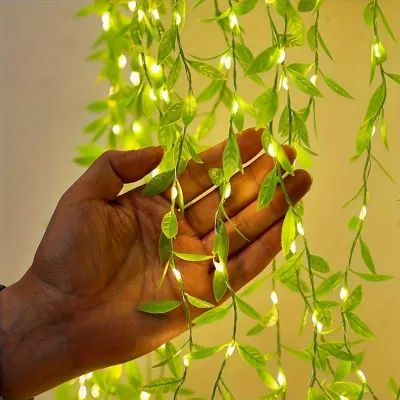
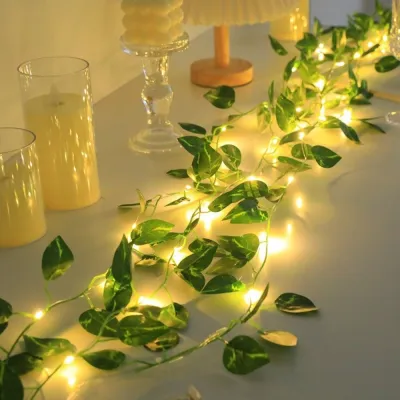
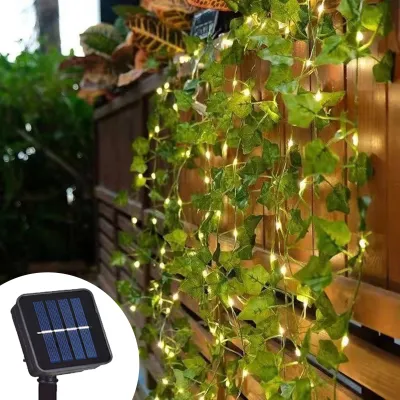
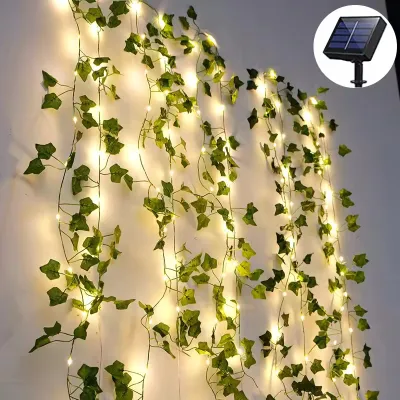
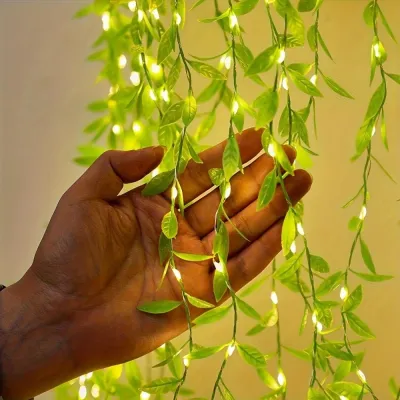
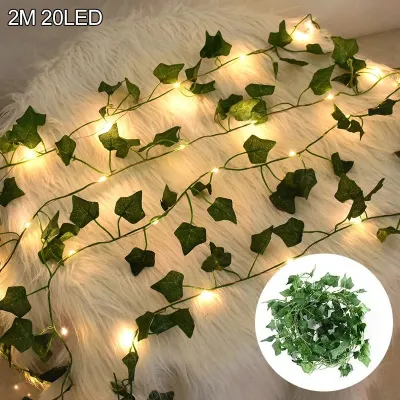
Prices are valid at publication and may change. Please refer to the product page for the latest price.
Tool Gathering Having the right tools on hand before you start will make the installation process much smoother and prevent damage to your property. Gather damage-free adhesive hooks and transparent clips for indoor walls, as well as UV-resistant zip ties, outdoor-rated extension cords, and mounting clips for outdoor spaces. If you are using battery-operated leaf string lights, ensure you have fresh batteries and a small screwdriver to secure the battery compartment lid. For outdoor plug connections, prepare a weatherproof electrical connection box to seal the plugs from moisture.
Safety Boundary While hanging decorative string lights is generally a straightforward DIY project, you must recognize when to call in a professional. If your desired installation requires hardwiring the lights directly into your home’s electrical system, drilling into structural concrete masonry, or working close to main distribution boards, pause the project. For these complex tasks, or any work requiring high-altitude ladders near overhead power lines, always hire a licensed electrical worker to ensure compliance with local safety standards.
How to Mount Leaf String Lights Indoors Without Damaging Walls
Layout Planning Before peeling off any adhesive backings, measure the length of the wall, window frame, or furniture piece you plan to decorate. Lay your leaf string lights flat on the floor along the planned path to ensure the cord easily reaches your nearest power outlet without being stretched taut. This planning stage helps you determine the exact placement of your mounting clips and ensures you have enough slack to create graceful drapes rather than tight, awkward lines.

Surface Preparation Adhesive hooks and clips require a clean, grease-free surface to form a strong, lasting bond with your wall or furniture. Wipe down the mounting areas with a mild, non-residue cleaner, such as a diluted isopropyl alcohol solution, and let the surface dry completely. Avoid using heavy household detergents or oil-based cleaners, as they leave behind a thin film that prevents the adhesive from sticking properly, leading to sagging lights over time.
Mounting Technique To keep your leaf string lights secure and prevent unsightly sagging, install damage-free adhesive clips at regular intervals of approximately 30 to 45 centimeters. Press each adhesive strip firmly against the wall for at least 30 seconds, then wait the manufacturer’s recommended curing time—usually about an hour—before hanging the lights. Once the clips are secure, gently thread the main wire of the string lights into the hooks, ensuring the weight is distributed evenly across all points.
Leaf Adjustment Because leaf string lights are packed tightly for shipping, the artificial foliage often arrives flat, compressed, or pointing in a single direction. Take a few minutes to gently bend, twist, and fluff the individual fabric or plastic leaves along the wire to create a three-dimensional, natural appearance. Angling the leaves slightly outward and varying their directions will make the vine look organic and lush, hiding the thin copper or plastic wire running underneath.
Cord Management A beautiful lighting display can easily be ruined by a messy, dangling power cord that also poses a tripping hazard for family members and pets. Route the remaining length of the power cord discreetly along your baseboards, behind large furniture pieces, or around window frames. You can secure the loose cord with small, clear cable clips or run it through paintable plastic cord covers that blend seamlessly into your wall color.
Securing Leaf String Lights Outdoors for Weather Resistance
Weatherproofing Connections Water ingress is the most common cause of outdoor lighting failures, making proper weatherproofing of all electrical connections absolutely essential. Keep all plugs, transformers, and extension cord connections elevated off the ground, mounting them on walls, posts, or railings to prevent them from sitting in puddles. Encase every plug-to-plug connection in a dedicated, IP-rated weatherproof connection box, which uses rubber seals to keep moisture out even during heavy tropical storms.
Plant and Tree Protection When decorating live garden plants, shrubs, or trees, you must avoid installation methods that could harm the living tissue. Never use metal staples, nails, or tight, unyielding metal wire to secure your lights, as these can puncture tree bark and invite fungal infections or pests. Instead, use loose, UV-resistant plastic zip ties or specialized elastic tree-friendly clips that hold the lights securely while allowing the branches room to grow and move naturally.
Structural Mounting For mounting lights onto hard structures like wooden pergolas, metal balcony railings, or concrete fences, select heavy-duty, weather-resistant fasteners. Secure the main wire of the leaf string lights firmly enough to prevent excessive whipping in high winds, which can wear down the insulation or snap the internal copper wiring. At the same time, leave a small amount of slack at the ends of each run to accommodate the subtle expansion and contraction of materials during temperature shifts.
Tropical Weather Considerations In tropical climates like Singapore, high humidity and frequent heavy downpours accelerate the wear and tear on outdoor electrical components. Periodically inspect your outdoor setup, especially after severe storms, to check for signs of water entry inside connection boxes or damage to the light wire. If you notice any flickering, tripped circuit breakers, or visible wear on the protective rubber insulation, disconnect the power source immediately and inspect the system.
Creative Styling Ideas for Bedrooms, Gardens, and Events
Cozy Bedroom and Living Room Draping
You can easily design a whimsical, nature-inspired canopy by loosely draping your leaf string lights over a wooden canopy bed frame, a curtain rod, or a decorative wall ladder. Letting the illuminated foliage cascade down the sides of your window or headboard creates a soft, diffused glow that is perfect for winding down in the evening.
Another effective technique is to weave the leaf string lights directly through your existing indoor houseplants, artificial ivy vines, or dried floral arrangements. This blends the warm LED glow with real or faux greenery, making the light source look like an organic part of your home decor rather than an artificial addition.
Garden, Balcony, and Patio Accents
For those living in urban apartments or condominiums with compact balconies, wrapping leaf string lights around the metal railings is an excellent way to define your outdoor living space. This vertical styling technique adds warmth and visual depth to your balcony without taking up any precious floor space or interfering with outdoor furniture.
In larger garden spaces, you can use the lights to highlight specific landscape features, such as wrapping the trunk of a small ornamental tree or outlining a garden pathway. This not only improves safety by illuminating dark walkways but also creates a beautiful focal point that draws the eye outdoors after sunset.
Event and Party Overhead Styling
For temporary outdoor dinners, weddings, or festive gatherings, you can create a striking overhead canopy by hanging the lights in an elegant swag or zig-zag pattern. Anchor the ends of the light strands to sturdy structures, such as fence posts, wall hooks, or heavy-duty freestanding poles, ensuring they hang high enough to clear your guests’ heads.
If you want a stunning table display, bundle several strands of leaf string lights together and run them down the center of a long dining table as a glowing runner. You can nestle the illuminated leaves among glass vases, wooden serving platters, or floral centerpieces to create a lush, magical dining atmosphere for your guests.
Routine Maintenance and Safe Storage
Cleaning Dust and dirt can accumulate on the artificial leaves over time, dimming the brightness of the LEDs and making the foliage look dull. To clean your lights, unplug them from the wall and gently wipe the leaves and wires with a dry or slightly damp microfiber cloth. Never submerge the electrical components in water, and avoid using harsh chemical sprays or abrasive cleaners, which can degrade the protective plastic coating on the wires.
Inspection Make it a habit to inspect your leaf string lights at least once every few months, especially if they are permanently installed outdoors. Look closely for any signs of frayed wires, exposed copper, cracked plastic insulation, or loose leaf attachments that could expose the electrical components. If you find any structural damage to the wiring, discard the light set immediately to prevent electrical shocks or short circuits.
Storage When taking down temporary decorations, avoid the temptation to cram the string lights haphazardly into a storage box, as this causes severe tangling and bends the internal copper wires. Instead, wrap the light strands loosely around a clean piece of sturdy cardboard, a plastic spool, or a dedicated light organizer. Store the coiled lights in a cool, dry place away from direct sunlight to protect the plastic foliage from fading or becoming brittle.
Frequently Asked Questions (FAQ)
Can I leave outdoor leaf string lights on overnight?
While modern LED leaf string lights run very cool and are generally safe for extended use, leaving them on overnight is not recommended. It is best practice to connect your lights to an outdoor-rated timer, a smart plug, or a photocell sensor that automatically shuts them off late at night. This simple step conserves electricity, reduces unnecessary wear on the power transformer, and minimizes light pollution in your neighborhood.
How do I hide the visible wire on light-colored walls?
To keep the focus on the beautiful illuminated leaves rather than the power cords, use transparent or white adhesive mounting clips that blend in with your wall. You can also route the main wire strategically along the dark edges of picture frames, bookshelves, or window casings to conceal its path. If the wire must cross an open, light-colored wall space, consider running it through a paintable cord cover painted to match your exact wall color.
Community discussion
Share your experience or ask a question. Comments are reviewed before publication.