
Instantly refreshing a living room does not require a massive budget, professional renovators, or a complete furniture overhaul. By strategically swapping your existing accents for a new cushion cover 40×40 set, you can completely shift the mood, color balance, and style of your space in minutes. This standard size is incredibly versatile, making it the ultimate tool for rapid, low-risk interior styling.
Using compact soft furnishings allows you to experiment with bold designs that might otherwise feel overwhelming on larger surfaces. It is an approachable way to align your home with evolving design preferences while keeping your living space dynamic, comfortable, and inviting.
Why 40×40 Cushion Covers Are the Ideal Quick Update
The 40×40 cm dimension is widely recognized as the gold standard for accent cushions. This specific size sits perfectly on standard sofa depths and armchair widths without overwhelming the seating area or leaving too little room to sit comfortably. In typical Singapore apartments and condominiums, where space efficiency is paramount, these compact dimensions provide a clean, uncluttered aesthetic that keeps the room looking spacious.
Products mentioned in this guide
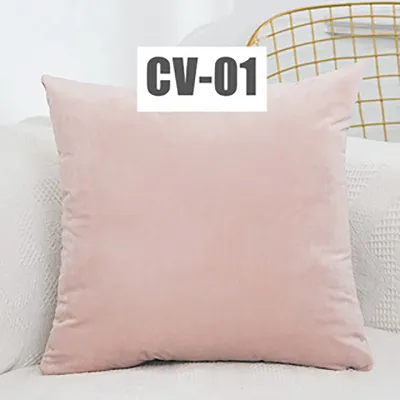
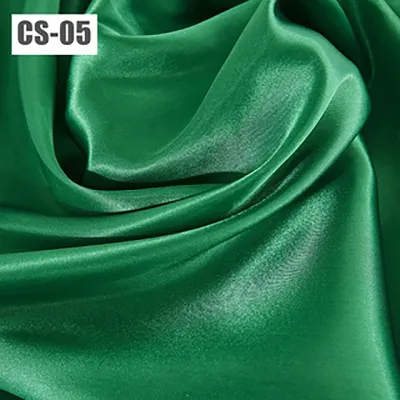
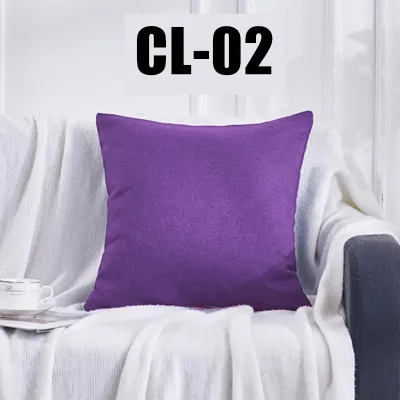
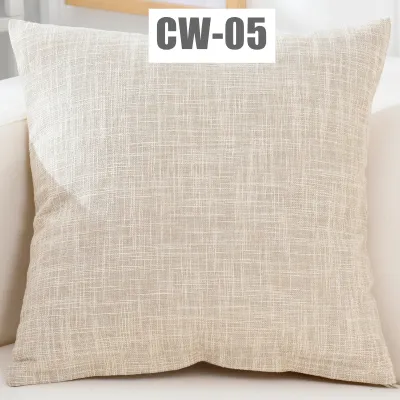
![[BUY 3 GET 1 FREE] GMI Assorted Cushion Pillow Cover 40cm x 40cm Mix and Match 11 Designs Available](https://img.lazcdn.com/g/p/08b18cbd3bd342fd189a9c399edeb70b.jpg_400x400q80.jpg_.webp)
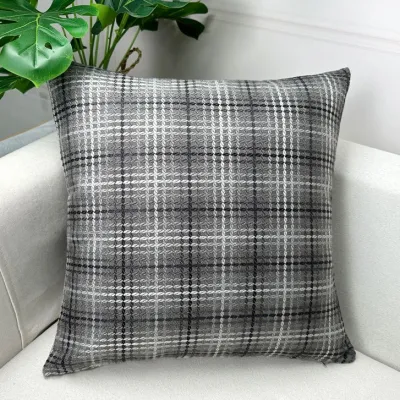
![[SG]Linen Cushion Cover 45x45cm Pillow Cover Checkered Plaid Pillowcase 17.7x17.7 inch Machine Washable](https://img.lazcdn.com/g/p/e28e285d92cde124dd07f34748753b26.jpg_400x400q80.jpg_.webp)
![[V.Home] Throw Pillows/Cushion Case/4 sizes available/Indoor Decoration Cushion Pillow](https://img.lazcdn.com/g/p/7b0bca45b51dd8b3fca4a548ca000357.jpg_400x400q80.jpg_.webp)
Prices are valid at publication and may change. Please refer to the product page for the latest price.
Opting for new covers is highly cost-effective compared to major decor changes. Reupholstering a sofa or purchasing new lounge chairs can cost hundreds or thousands of dollars, whereas a curated set of cushion covers achieves a similar visual impact for a fraction of the price. This makes it easy to update your home’s look whenever you desire a change.
This approach offers a completely reversible, low-commitment way to experiment with design trends. If you want to test a bold seasonal color or a modern geometric pattern, you can do so without committing to a permanent piece of furniture. If your style preferences shift next season, swapping the covers takes only a few minutes and requires minimal storage space.
Furthermore, reusing your existing cushion inserts is an environmentally conscious choice. Instead of discarding entire cushions when they become dusty or outdated, simply replacing the outer shell reduces waste and minimizes your carbon footprint. It is a sustainable styling habit that keeps your home modern and responsible.
Step 1: Define Your Color Palette and Pattern Strategy
To create a cohesive look, professional designers often rely on the 60-30-10 color rule. Under this guideline, 60% of the room is dominated by a primary color (usually the walls and large furniture), 30% consists of a secondary tone (such as rugs, drapes, or large accent pieces), and 10% is reserved for accent colors. Your 40×40 cushion covers serve as the perfect vehicle for this final 10%, allowing you to introduce vibrant, trending shades without overwhelming the room.

Successfully mixing solid colors with patterns requires a deliberate balance. A common strategy is to pair one or two solid, highly textured covers with a single bold geometric, botanical, or abstract print. This prevents the sofa from looking monotonous while ensuring the patterns have room to breathe and do not compete for visual attention.
When selecting these accent colors, look around your living room for existing visual cues. Pull secondary colors from an artwork on the wall, the pattern of an area rug, or the tone of your curtains. Repeating these subtle hues in your cushion covers instantly ties the entire room together, making the design feel intentional rather than accidental.
Be cautious when introducing multiple high-contrast patterns in a compact living space. In smaller rooms, too many competing designs can create visual noise and make the area feel cramped and chaotic. Stick to one dominant pattern and complement it with simpler textures or solid tones to maintain a sense of calm and balance.
For a sophisticated look, consider an analogous color scheme, which uses colors that sit next to each other on the color wheel, such as soft blues and greens. If you prefer high energy, a complementary scheme—pairing contrasting tones like navy blue with warm mustard yellow—creates a striking focal point that draws the eye immediately upon entering the room.
Step 2: Select Textures and Materials for Comfort and Durability
Texture plays a crucial role in adding visual depth, especially on a neutral-colored sofa. Combining different tactile surfaces—such as a crisp linen-look cover alongside a plush velvet or a chunky woven fabric—creates a sophisticated, layered appearance that invites touch. Even if you choose to stick to a single monochromatic color palette, varying the textures prevents the arrangement from looking flat.
In Singapore’s humid tropical climate, material selection requires extra care. Heavy, non-breathable synthetic fabrics can trap heat and quickly feel clammy or uncomfortable against the skin. Prioritize breathable, moisture-wicking materials like cotton blends, lightweight linens, or specially treated performance fabrics that remain cool and comfortable throughout the day.
Before making a purchase, always verify the manufacturer’s care labels for specific washing instructions. Households with young children or pets should look for machine-washable fabrics that can withstand regular cleaning, while delicate fabrics like silk or intricate embroidery may require dry cleaning. Checking these details beforehand prevents accidental shrinkage or fabric damage.
Remember that material names on product listings do not automatically guarantee performance or longevity. A listing labeled “linen” or “velvet” can vary wildly in quality, durability, and breathability depending on the specific fiber blend and weave. Look for detailed product specifications, fabric weight (measured in grams per square meter, or GSM), and customer feedback regarding fabric wear resistance before deciding.
If anyone in your household suffers from dust mite allergies, which are common in warm, humid environments, opt for tightly woven fabrics that act as a barrier. Some covers are treated with hypoallergenic finishes, which can provide an extra layer of protection when paired with regularly washed inserts.
Step 3: Arrange and Style Your Cushions for a Designer Look
The way you arrange your cushions determines the overall vibe of your living room. For a relaxed, contemporary feel, employ the “rule of odd numbers” by styling with three or five cushions across your sofa. If you prefer a formal, traditional look, a symmetrical placement with even pairs on either side of the couch works best.
Layering different sizes is key to creating structural depth. Place larger cushions, such as 50×50 cm squares, at the very back against the sofa frame, and layer your 40×40 cm covers directly in front of them. You can complete the transition with a small rectangular lumbar cushion in the center to anchor the arrangement and provide lower-back support.
To achieve that coveted designer look, use the “karate chop” technique on your styled cushions. Lightly strike the top center of the cushion with the side of your hand to create a soft, inviting V-shape. Note that this styling trick works beautifully with down-alternative, feather, or highly compressible microfiber inserts, but will not work on stiff, rigid foam inserts.
Tailor your arrangement to the specific scale of your seating. For a standard two-seater sofa, a pair of 40×40 cushions—one in each corner—is usually sufficient to add comfort without crowding the seats. For a larger three-seater or a sectional, you can comfortably style three to five cushions, grouping them in clusters of varying heights, patterns, and textures.
When styling a sectional or L-shaped sofa, focus your cushion arrangements on the natural focal points: the far ends and the corner wedge. Placing a larger cluster of three cushions in the corner and single 40×40 cushions at the outer ends creates a balanced, inviting landscape that guides the eye naturally across the seating area.
Step 4: Maintain, Rotate, and Store for Long-Lasting Freshness
Proper maintenance ensures your refreshed living room continues to look pristine over time. When removing covers for cleaning, always close the zippers fully before placing them in the washing machine to prevent the metal or plastic teeth from snagging the fabric or damaging other items. Always adhere strictly to the temperature limits and wash cycles indicated on the care label.
For minor spills or spot cleaning, act quickly by blotting the area with a clean, damp microfiber cloth rather than rubbing, which can push the stain deeper into the fabric fibers. If using a mild fabric detergent, test it first on a small, hidden area of the cover to ensure it does not cause color bleeding or fabric discoloration.
Storing your off-season or alternate cushion covers correctly is essential for preventing damage in humid climates. Avoid airtight plastic storage boxes, which can trap ambient moisture and lead to mold, mildew, or unpleasant musty odors. Instead, fold your clean covers neatly and store them in breathable cotton bags placed in a cool, dry wardrobe.
Implement a regular rotation schedule to extend the lifespan of your soft furnishings. Swapping the positions of your cushions every few weeks ensures even wear and fabric fatigue. This is particularly important for cushions placed near large windows, as regular rotation helps distribute any gradual fading caused by direct sunlight exposure.
Frequently Asked Questions (FAQ)
Should I buy a 40×40 insert for a 40×40 cushion cover?
To achieve a plump, luxurious appearance without loose, sagging corners, it is generally recommended to choose an insert that is slightly larger than the cover. Using a 45×45 cm insert inside a 40×40 cm cover fills out the fabric beautifully, creating a firm, high-end look.
However, always review the specific manufacturer’s sizing guidelines, as fabric stretch, thickness, and potential shrinkage after washing can influence the ideal insert pairing. If your cushion cover is made of an extremely stiff, non-stretch fabric like heavy canvas, a matching 40×40 cm insert may be necessary to prevent the zipper seams from straining.
Can I mix 40×40 cushion covers with other sizes?
Yes, mixing different cushion sizes is highly recommended to add visual interest and break up the monotony of a single shape. A uniform row of identical cushions can make your sofa look like a rigid showroom display rather than a cozy, lived-in home.
Use larger square cushions (such as 50×50 cm or 60×60 cm) as your base layers against the back of the sofa, and place your 40×40 cm covers in front as the final, eye-catching decorative layer. You can also introduce rectangular lumbar cushions to create a dynamic, multi-tiered arrangement that offers excellent ergonomic support.
Community discussion
Share your experience or ask a question. Comments are reviewed before publication.