
Matching a scented candle to the correct candle holder is essential for both safety and performance. Scented candles—whether they are housed in glass jars, molded as thick pillars, or cast as elegant tapers—burn differently depending on their shape, size, and wax composition. A mismatched holder can lead to cracked glass, ruined furniture from spilled wax, or even serious fire hazards. By understanding the physical requirements of each candle type, you can create a beautiful, safe, and highly aromatic experience in your living space.
To achieve a perfect match, you must look beyond aesthetics and focus on structural compatibility. The right pairing ensures that the candle remains stable, the flame burns evenly, and the heat generated is safely managed. This guide outlines the essential steps to verify compatibility, prevent common hazards, and maintain your candle holders for long-term use.
Core Rules for Matching Any Scented Candle to a Holder
Before lighting any scented candle, you must establish a secure foundation by verifying the physical compatibility between the candle base and the holder. Begin by measuring the exact diameter of the candle’s base using a standard ruler. Compare this measurement directly against the interior dimensions of the holder’s receptacle or platform. The candle must sit completely flat and centered within the holder; any unevenness can cause the candle to burn lopsidedly, leading to rapid wax runoff or an unstable flame.
Products mentioned in this guide
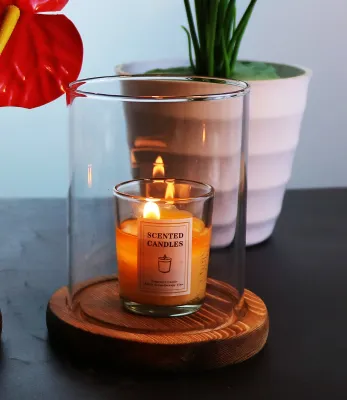
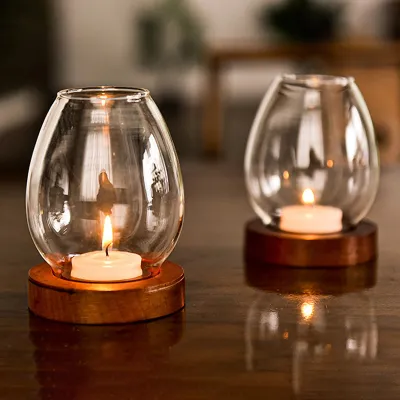
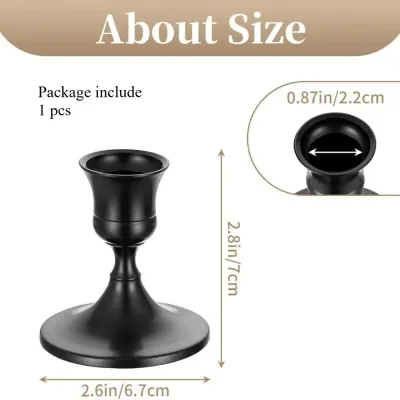
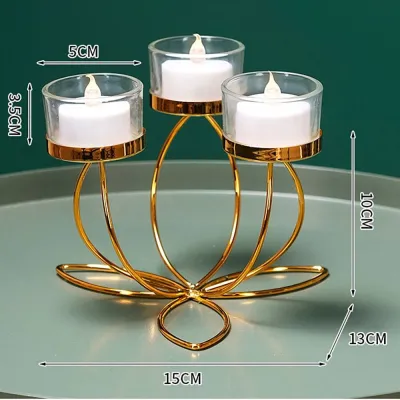
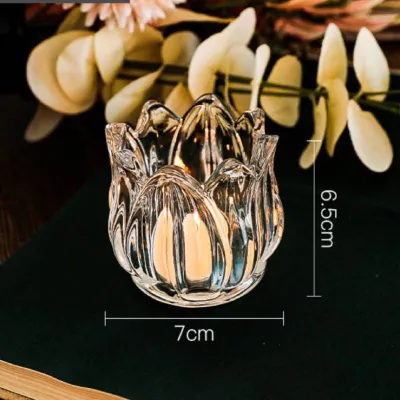
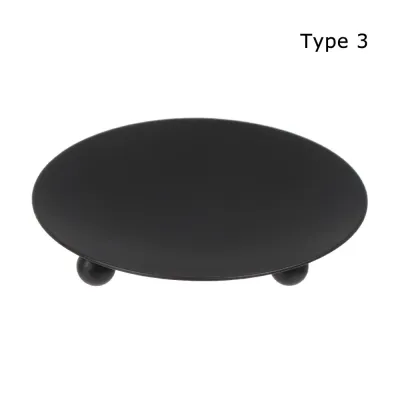
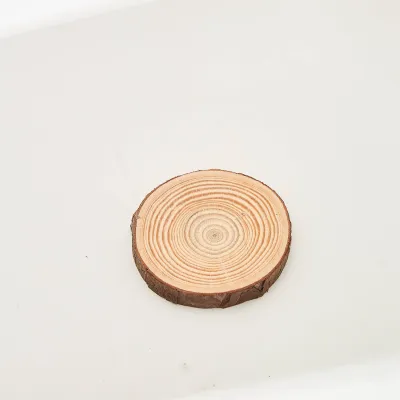
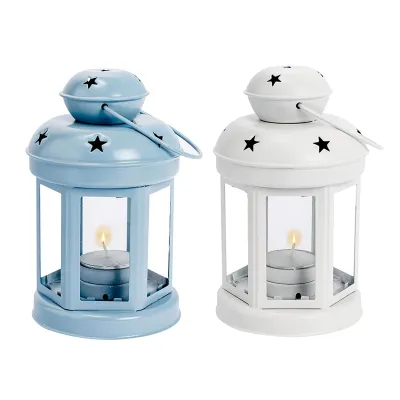
Prices are valid at publication and may change. Please refer to the product page for the latest price.
Always consult the manufacturer labels and safety warnings on both the candle and the holder before use. Scented candles often contain high concentrations of fragrance oils, which can lower the wax melting point and alter how heat radiates from the flame. The product labels will specify if the candle requires a heat-resistant barrier or if the holder has specific limitations regarding candle height, diameter, or maximum burn times.
Finally, assess the combined weight and center of gravity of the candle and holder pairing. A tall or heavy candle placed in a lightweight, narrow-based holder creates a significant tipping hazard. Ensure the holder has a low, heavy base that can easily support the candle’s weight, especially when placed on surfaces susceptible to vibrations, drafts, or accidental contact. Investing S$15 to S$40 in a high-quality, certified candle holder is a simple and effective way to protect your home.
Matching Holders for Jar Candles
Jar candles are highly popular because they contain their own melted wax pool within a glass, ceramic, or metal vessel. However, as the candle burns down, the jar itself absorbs a tremendous amount of heat. To match a jar candle to an external holder or lantern, you must measure the outer diameter and height of the jar. Ensure the holder’s interior clearance allows the jar to slide in and out easily without scraping the sides or resting on a curved edge.

Adequate airflow is critical when placing jar candles inside decorative holders, sleeves, or lanterns. If a holder wraps too tightly around the jar, it traps radiant heat and restricts oxygen flow. This lack of ventilation can cause the jar’s glass to overheat rapidly, potentially leading to thermal shock and shattering. To prevent this, select holders that provide at least two to three centimeters of open space around the sides of the jar, and ensure the top of the holder is completely open or well-ventilated.
Always monitor the candle during use and identify clear stop conditions. If you notice the jar glass cracking, soot accumulating heavily on the holder walls, or the flame flickering wildly due to restricted oxygen, extinguish the candle immediately. Never use a holder that completely seals the top of an active candle unless it features built-in, manufacturer-approved ventilation grates designed to dissipate heat safely.
Matching Holders for Pillar Candles
Pillar candles are thick, self-supporting cylinders of wax designed to burn flat on a heat-resistant surface. When choosing a holder for a pillar candle, compare the candle’s base diameter directly to the width of the holder’s platform, plate, or bowl. The platform must be wider than the pillar itself to ensure the entire base is fully supported. For example, a pillar candle with a 7-centimeter diameter should be paired with a holder platform that is at least 9 to 10 centimeters wide.
Although high-quality pillar candles are engineered to burn inward and consume their own wax, drafts or uneven wicks can cause the outer wax wall to breach. This results in a sudden spill of hot, liquid wax. To protect your furniture, choose a holder with a raised rim or lip. The rim should be high enough to contain any potential wax overflow but low enough that it does not obstruct the flame’s oxygen supply or trap excessive heat near the top of the candle.
Verify the stability of the surface where the holder will sit, and check the holder’s material label for heat resistance limits. Pillar holders must be constructed from non-combustible, heavy materials such as stone, concrete, thick ceramic, or solid metal. Avoid using holders made of wood, thin plastics, or unglazed earthenware that can absorb wax oils and become flammable over time.
Matching Holders for Taper Candles
Taper candles are tall, slender, and elegant, but they require specialized socket holders—often called candlesticks—to remain upright. To ensure a safe match, test the taper base against the holder’s socket opening before lighting. The candle should slide into the socket smoothly and fit snugly without requiring excessive force. Forcing a thick taper into a tight socket can crack the wax base, making the candle highly unstable and prone to leaning.
Because taper candles have a high center of gravity, the holder’s base width and weight are critical to preventing accidental toppling. A tall taper candle acts as a lever; a slight nudge or a strong draft can easily tip a lightweight holder. Choose holders made of heavy materials like brass, cast iron, or solid glass, and ensure the holder’s base diameter is wide enough to counterbalance the full height of the candle.
If you find that the taper candle is slightly loose inside the socket, do not light it while it wobbles. Instead, plan adjustments using safe, non-flammable adapters. You can use manufacturer-approved wax utility drops, adhesive dots, or specialized metal shims designed specifically for taper candles. Never use flammable materials like paper, cardboard, or standard plastic tape to tighten the fit. If the candle cannot be made to stand perfectly vertical and secure, stop using that specific pairing immediately.
Safety Checks and Maintenance for Candle Holders
To ensure your candle holders remain safe for repeated use, perform a quick structural inspection before lighting a candle. Look for hairline cracks in glass or ceramic holders, loose joints in metal lanterns, or signs of rust and corrosion. Repeated exposure to high temperatures can weaken materials over time, and a holder that appears sturdy today may fail under heat stress during its next use.
Regular cleaning is essential to prevent wax buildup, which can act as secondary fuel if it comes into contact with an open flame. Always refer to the holder’s specific material care label for cleaning instructions. For heat-resistant glass, glazed ceramic, or metal holders, you can often remove spilled wax by placing the holder in a freezer for an hour to shrink the wax, allowing it to pop off easily. Alternatively, wash the holder with warm water and mild dish soap. Never use sharp metal knives or abrasive scrubbers, as these can scratch the surface and permanently weaken the material.
Establish clear boundaries for when to retire a damaged holder. If you observe deep cracks, warping, or severe discoloration from heat, discard the holder immediately. For specialized or high-end materials, such as delicate crystal or hand-blown glass, consult the manufacturer’s customer service team for approved cleaning methods and safety tolerances before attempting any repairs.
Frequently Asked Questions (FAQ)
Can I Use a Decorative Plate as a Pillar Candle Holder?
You can use a decorative plate as a pillar candle holder only if the plate is made of a certified heat-safe, non-flammable material. Check the manufacturer’s label on the plate to ensure it can withstand high temperatures; materials like melamine, plastic, or certain delicate glazes can melt, crack, or catch fire when exposed to hot wax and radiant heat. Solid stoneware, porcelain, and tempered glass plates are generally suitable options.
Additionally, ensure the surface where you place the plate is completely level. Even a minor tilt can cause the pillar candle to burn unevenly, leading to a rapid blowout where liquid wax spills over the side. Monitor the wax pool closely during the burn, and extinguish the flame immediately if the melting wax begins to approach the edge of the plate.
What to Do When a Taper Candle Does Not Fit the Socket?
If a taper candle does not fit the holder’s socket, do not attempt to force it in. Forcing the candle can split the wax base, which compromises the candle’s structural integrity and increases the risk of it falling over while lit. It can also scratch or damage delicate holder materials.
If the candle is too loose, use manufacturer-approved, non-flammable wax shims, utility wax drops, or metal adapters to fill the gap safely. If the candle base is slightly too wide, you can gently shave away small slivers of wax from the bottom edge using a specialized candle shaver or a utility knife, ensuring you maintain a flat, even bottom. If you cannot achieve a perfectly straight, rock-solid fit after these adjustments, discard the pairing and select a different holder or candle.
Community discussion
Share your experience or ask a question. Comments are reviewed before publication.