
Selecting a poster with frame is more than just finding a beautiful image to cover an empty wall; it is about establishing a visual dialogue between the artwork, the framing materials, and the architectural character of your room. When chosen thoughtfully, a framed print acts as an anchor that ties disparate design elements together, transforming a blank space into a curated environment. Conversely, a mismatch in frame weight, texture, or art style can disrupt the harmony of an otherwise well-designed room.
To achieve a balanced look, you must look beyond the subject of the print itself and consider the frame as an architectural extension of your walls. By analyzing your room’s existing textures, lighting conditions, and dominant design style, you can make an informed choice that elevates your interior. Whether you want your wall art to blend seamlessly into a serene backdrop or stand out as a bold, conversation-starting focal point, understanding the interplay of frame finishes and design aesthetics is the key to a successful installation.
Quick Guide: How to Match a Poster with Frame to Your Room
Before purchasing a poster with frame, take a moment to analyze your room’s existing design elements. The first step is to identify the dominant color palette of the space, including the undertones of your walls, flooring, and large furniture pieces. If your room features warm wood tones like teak or walnut, introducing a frame that complements or intentionally contrasts with these woods will create a more cohesive environment. Likewise, take note of the metal finishes present in your lighting fixtures, cabinet hardware, and decorative accessories, as these can guide your choice of metal frame finishes.
Products mentioned in this guide
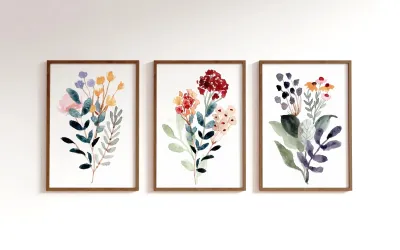

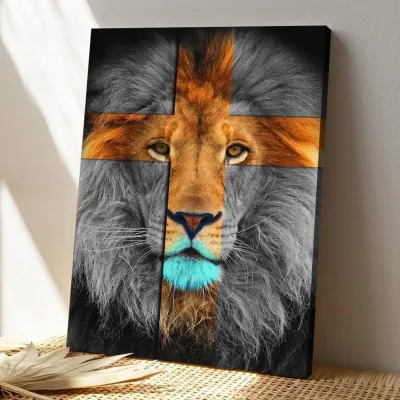
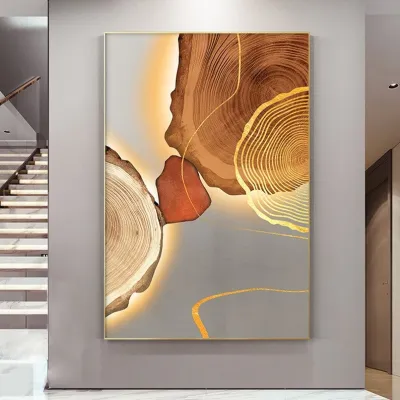
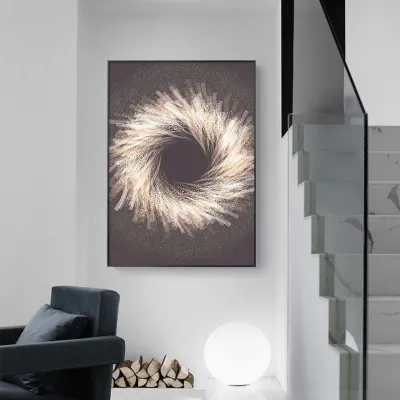
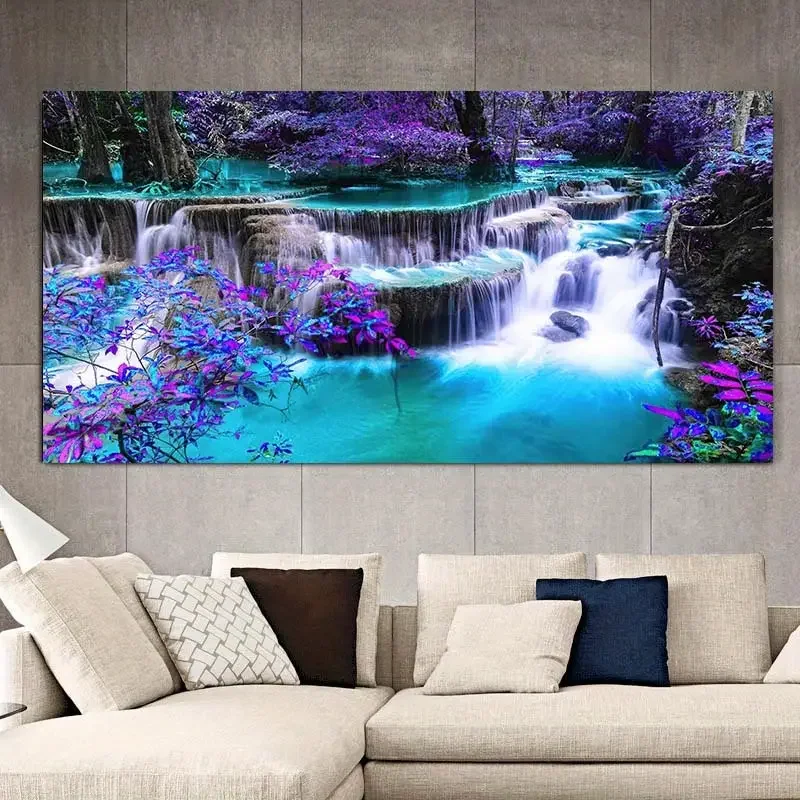

Prices are valid at publication and may change. Please refer to the product page for the latest price.
Visual weight and contrast are the primary tools you will use to determine how your framed poster interacts with the room. A frame with high visual weight—such as a thick, dark wood or a wide, ornate profile—commands attention and naturally draws the eye, making it ideal for creating a central focal point. In contrast, a thin, low-profile frame in a neutral tone or natural light wood has low visual weight, allowing the artwork itself to shine while blending harmoniously into the background.
Decide whether your goal is to achieve harmony or contrast within the space. If your room is a peaceful sanctuary with a soft, monochromatic palette, matching the frame tone closely to the wall color creates a soothing, integrated aesthetic. If you want to inject energy into a quiet corner, choosing a high-contrast poster with frame—such as a vibrant abstract print housed in a stark matte black frame against a crisp white wall—will instantly establish a dynamic visual anchor.
Minimalist & Scandinavian: Clean Lines and Neutral Tones
Minimalist and Scandinavian interiors are celebrated for their simplicity, functionality, and deep connection to natural light and materials. In these spaces, clutter is minimized, and every object is chosen with deliberate intent. Wall art should reflect this airy, uncluttered philosophy, serving as a quiet accent rather than an overwhelming distraction.

Visual Characteristics & Art Subjects
For minimalist and Scandinavian decors, select art subjects that emphasize simplicity, negative space, and clean lines. Line art drawings, abstract geometric shapes, minimalist typography, and muted nature photography—such as misty forests, soft ocean waves, or architectural details—work exceptionally well. The negative space within the print acts as a visual lung, giving the room a sense of breathing space and preventing the walls from feeling crowded.
The color palette for these prints should remain restrained and intentional. Monochromatic schemes, high-contrast black-and-white graphics, and soft, desaturated pastels (such as blush pink, sage green, or warm beige) complement the neutral backdrops typical of Scandinavian homes. These subtle tones enhance the serene, calming atmosphere of the room without competing with the surrounding decor.
Frame Finishes & Materials
To preserve the clean, unadorned aesthetic of minimalist and Scandinavian spaces, the frame profiles must be exceptionally thin and understated. Thin metal frames in matte black, clean white, or brushed silver provide a sharp, precise border that defines the artwork without adding unnecessary bulk. These finishes offer a modern, architectural edge that aligns perfectly with minimalist design principles.
Natural wood frames are another excellent option, particularly for Scandinavian interiors that embrace the cozy concept of hygge. Choose light-toned woods such as oak, ash, or birch with a natural, matte, or low-sheen protective finish. The visible, subtle grain of these woods introduces a touch of organic warmth to the wall, echoing the light wood flooring and furniture commonly found in these design styles.
Avoid frames with ornate carvings, deep bevels, heavy plaster details, or high-gloss lacquered finishes. These decorative elements carry too much visual noise and will clash with the clean, functional ethos of the space. Stick to flat, square-edge profiles that sit flush against the wall for a seamless, integrated look.
Mid-Century Modern & Contemporary: Geometry and Warmth
Mid-Century Modern and Contemporary designs celebrate organic curves, bold geometric patterns, and a seamless integration of form and function. While mid-century spaces lean into warm wood tones and retro color palettes, contemporary interiors focus on sleek lines, state-of-the-art materials, and cutting-edge artistic expressions.
Visual Characteristics & Art Subjects
Art selection for these spaces should embrace bold geometric abstraction, Bauhaus-inspired exhibition posters, retro typography, and organic, fluid shapes. The artwork often serves as a bridge that connects the architectural lines of the room with the sculptural forms of the furniture. Look for prints that feature mid-century color classics, such as mustard yellow, burnt orange, olive green, and deep teal.
To balance these vibrant art subjects with the rich wood tones of mid-century furniture, pay close attention to color harmony. If your room features a prominent teak sideboard or walnut coffee table, select prints that contain subtle hints of these warm brown tones within the artwork. This creates a visual thread that pulls the furniture and the wall art together into a cohesive design narrative.
Frame Finishes & Materials
To mirror the iconic furniture materials of the mid-century era, warm wood frames are a natural and sophisticated choice. Look for frames crafted from walnut, teak, or cherry, featuring rich, medium-to-dark tones and a smooth, satin finish. These frames echo the warmth of the room’s wooden credenzas and tapered-leg chairs, creating a deeply satisfying sense of continuity.
For a more contemporary, upscale aesthetic, thin metal frames in warm metallic finishes like brushed brass, satin gold, or bronze work beautifully. These metallic tones add a touch of refined elegance and catch the ambient light, highlighting the artwork. The slim profile keeps the focus on the print while providing a premium, gallery-like border.
If you prefer a highly modern, minimalist presentation, consider floating frames or canvas-style mounts. Floating frames create a small, intentional gap between the edge of the artwork and the frame itself, giving the illusion that the print is suspended in mid-air. This sophisticated framing technique aligns perfectly with the clean, innovative spirit of contemporary design.
Vintage, Rustic & Bohemian: Texture and Eclectic Charm
Vintage, rustic, and bohemian interiors thrive on personality, history, and a rich tapestry of textures. These styles reject rigid design rules in favor of a curated, collected-over-time aesthetic that feels warm, lived-in, and deeply personal.
Visual Characteristics & Art Subjects
When selecting prints for these eclectic environments, look for art that tells a story or carries a sense of nostalgia. Botanical and anatomical illustrations, vintage travel posters, antique maps, sketch studies, and heavily textured abstract prints are excellent choices. Muted, earthy tones—such as terracotta, ochre, forest green, sepia, and charcoal—comprise the ideal color palette, adding depth and warmth to the walls.
Rather than relying on a single, oversized statement piece, these design styles are perfect for creating eclectic gallery walls. Mix and match different art subjects, mediums, and historical eras to build a display that feels organic and full of character. The goal is to make the collection look as though it was slowly gathered from antique markets and travels over many years.
Frame Finishes & Materials
Embrace frames that showcase physical texture and natural imperfections. Distressed wood, reclaimed timber, and frames with visible knots, weathering, or rough-sawn textures enhance the rustic charm of the space. These finishes bring an organic, tactile quality to the wall that complements woven textiles, rattan furniture, and indoor plants.
For a more traditional vintage or bohemian-chic look, opt for ornate gold, antique bronze, or dark mahogany frames. Frames featuring delicate plaster detailing, beaded edges, or aged metallic patinas add a sense of history and grandeur to the artwork. These classic frame styles contrast beautifully with casual, modern interiors, creating a rich, layered aesthetic.
When framing smaller prints for an eclectic gallery wall, the use of mat boards (also known as passe-partouts) is highly recommended. A wide, textured paper mat board in off-white, cream, or a muted earth tone gives smaller prints more visual weight and presence. It also provides a professional, museum-grade finish that elevates simple paper prints into treasured artifacts.
Industrial & Urban Loft: Raw Materials and High Contrast
Industrial and urban loft designs celebrate raw, exposed architectural elements such as concrete walls, exposed brickwork, steel beams, and high ceilings. The decor in these spaces is characterized by its rugged, utilitarian nature, requiring wall art and frames that can hold their own against these powerful structural features.
Visual Characteristics & Art Subjects
To complement the raw, edgy aesthetic of an industrial space, select high-contrast art subjects. Black-and-white architectural photography, gritty street art, technical blueprints, patent drawings, and bold, graphic posters work exceptionally well. These subjects echo the structural and mechanical themes inherent in industrial architecture.
Scale is incredibly important in loft environments. Because industrial spaces often feature high ceilings and large, open-plan layouts, small frames can easily get lost on expansive walls. Opt for oversized posters to balance the grand scale of the room. A single, massive framed print or a pair of large, matching posters will create a powerful, commanding focal point that anchors the entire space.
Frame Finishes & Materials
Frame materials in industrial spaces should mirror the structural elements of the building. Matte black metal, raw steel, and brushed aluminum frames are the premier choices. Their crisp, clean edges and cold metallic surfaces harmonize perfectly with exposed pipes, metal window frames, and concrete floors, reinforcing the utilitarian aesthetic.
For a highly modern, minimalist edge, consider frameless acrylic mounts or industrial clip frames. These mounting styles dispense with traditional borders entirely, suspending the print between sheets of clear acrylic or securing it with heavy-duty metal clips. This raw, unfinished presentation feels incredibly authentic in an urban loft setting.
If your industrial space incorporates warm elements like reclaimed timber beams or rustic wooden dining tables, you can introduce dark, heavy wood frames to match. Look for frames made from dark oak, charcoal-stained pine, or distressed wood with a matte finish. These frames bridge the gap between the cold metal accents and the warm wooden textures in the room, adding depth and balance.
Key Specifications to Compare Before Buying
When purchasing a poster with frame, understanding the physical specifications of the product is crucial to ensuring it fits your space, withstands local environmental conditions, and meets your long-term quality expectations.
Glazing Options: Glass vs. Acrylic
The transparent protective layer covering your print, known as the glazing, is available in several materials, each with distinct advantages:
- Standard Glass: Highly scratch-resistant and offers excellent clarity, but it is heavy and fragile. It is best suited for small-to-medium frames hung in low-traffic areas.
- Anti-Reflective Glass: Features a specialized coating that minimizes glare from windows and light fixtures, making it ideal for rooms with abundant natural light. However, it comes at a premium price point.
- Shatter-Resistant Acrylic: Lightweight, virtually unbreakable, and often provides built-in UV protection. It is the safest choice for large, oversized frames, children's rooms, or high-traffic hallways. The primary trade-off is that acrylic scratches more easily than glass and requires gentle cleaning.
Sizing and Wall Proportion
To ensure your framed poster looks balanced, follow the interior design rule of thirds. When hanging art above a piece of furniture—such as a sofa, bed, or console table—the total width of the framed artwork (or the combined width of a gallery wall set) should ideally measure between two-thirds and three-quarters of the width of the furniture below it. Art that is too small will look swallowed by the wall, while art that is too wide will make the furniture look cramped.
When measuring your wall space, always account for the frame’s outer dimensions and the width of the mat board, rather than relying solely on the print size. A standard A2 print (42 x 59.4 cm) can quickly expand to a much larger footprint once you add a 5 cm mat board and a 3 cm frame border on all sides. Use painter’s tape to outline the frame’s total dimensions on your wall before buying to visualize the scale accurately.
Material Durability in High Humidity
In tropical climates with high relative humidity, such as Singapore, material selection is critical to preventing damage. High humidity can cause cheap, unsealed MDF (medium-density fibreboard) and low-grade wood frames to warp, swell, or harbor mold over time. Furthermore, non-archival paper prints trapped in humid frames are highly susceptible to “foxing”—the development of unsightly brown spots caused by fungal growth and paper oxidation.
To protect your investment in humid environments, look for the following specifications:
- Sealed Backing Boards: Ensure the back of the frame is sealed with moisture-resistant backing boards and professional framing tape to prevent humid air from penetrating the print cavity.
- Moisture-Resistant Materials: Opt for high-quality aluminum or metal frames, which are completely impervious to humidity and will never warp or rot.
- Acid-Free Mat Boards and Backing: Ensure all materials touching the print are acid-free and archival-grade to prevent chemical degradation over time.
Installation and Layout Tips for Your Space
Once you have selected the perfect poster with frame, proper installation is key to maximizing its visual impact. The most common mistake is hanging artwork too high. As a general rule of thumb, art should be hung at eye level. In the design industry, this is standardized as positioning the center of the frame exactly 57 to 60 inches (145 to 152 cm) from the floor.
If you are hanging a poster above furniture, maintain a gap of 6 to 8 inches (15 to 20 cm) between the bottom of the frame and the top of the furniture piece. This gap is small enough to ensure the art and the furniture read as a single, cohesive visual unit, rather than two disconnected floating objects.
When planning a gallery wall, maintain consistent spacing between the frames to keep the arrangement looking organized. A spacing of 2 to 3 inches (5 to 8 cm) between frames is ideal for most residential spaces. Closer spacing creates a dense, salon-style look, while wider spacing can make the layout feel disjointed.
Before driving screws into your walls, verify your wall type to select the correct hanging hardware. In Singapore, most condo and HDB flat walls are constructed from solid concrete or brick, which requires a masonry drill bit, plastic wall plugs (anchors), and sturdy screws to support heavy frames. Standard drywall hooks will not penetrate these walls and can damage the surface. For exceptionally heavy frames, suspended loads, or installations requiring work at height, always prioritize safety, ensure power-isolation if drilling near electrical conduits, and consult a qualified professional installer.
Frequently Asked Questions (FAQ)
Can I mix different frame styles in the same room?
Yes, mixing different frame styles can create a beautifully curated, eclectic look if executed with intention. To keep the display cohesive, establish a unifying element across the different frames. For example, you can use different frame materials (such as wood, metal, and painted finishes) but keep all the mat boards the exact same color and width. Alternatively, you can mix frame styles but stick to a strict, limited color palette—such as using only black, white, and natural oak frames—to maintain visual harmony throughout the room.
How do I prevent my framed poster from fading in direct sunlight?
To protect your framed poster from the damaging effects of ultraviolet (UV) rays, which cause paper to yellow and inks to fade, you should invest in UV-filtering glazing. High-quality acrylic or specialized museum glass can block up to 99% of UV rays, significantly extending the lifespan of your print. Additionally, avoid hanging valuable or delicate artwork on walls that receive direct, intense sunlight for extended periods of the day. Position your art on adjacent walls where it can enjoy ambient, indirect light instead.
What is the best way to clean the glass or acrylic on a framed poster?
To clean the glazing safely without causing scratches or damaging specialized coatings, always use a clean, dry, ultra-soft microfiber cloth. For standard glass, you can apply a small amount of ammonia-free glass cleaner directly to the microfiber cloth—never spray liquid directly onto the frame, as it can seep under the edges and ruin the paper print. For acrylic glazing, avoid all glass cleaners, ammonia, and alcohol-based products, as these chemicals will permanently cloud the surface. Instead, use a specialized acrylic cleaner or a drop of mild dish soap diluted in warm water, wiping gently in circular motions.
Community discussion
Share your experience or ask a question. Comments are reviewed before publication.