
Acrylic photo frames offer a sleek, modern alternative to traditional wooden or metal borders, making them a popular choice for contemporary homes. In Singapore, where interior styles range from compact, light-filled HDB flats to expansive condominium apartments, selecting the right frame style is key to achieving a cohesive look. By understanding how different acrylic finishes, edge treatments, and mounting styles interact with your home’s light and decor, you can elevate your personal photographs and art prints into striking design statements. Matching these frames to your aesthetic requires a thoughtful look at your space’s dominant design language, environmental factors, and structural requirements.
Identify Your Dominant Home Decor Theme
Before purchasing any wall decor, take a step back to evaluate the existing design elements of your room. Modern minimalist spaces are characterized by clean lines, uncluttered surfaces, and a neutral color palette. If your home leans toward this aesthetic, your framing choices should mirror this simplicity, avoiding heavy visual borders that disrupt the flow of the room.
For homes embracing a Scandinavian or Japandi theme, the focus shifts to natural textures, soft organic shapes, and warm, muted tones. Here, the frame must complement elements like light oak furniture, indoor plants, and woven textiles. The goal is to introduce a framing style that softens the overall look rather than introducing harsh, clinical reflections.
Products mentioned in this guide
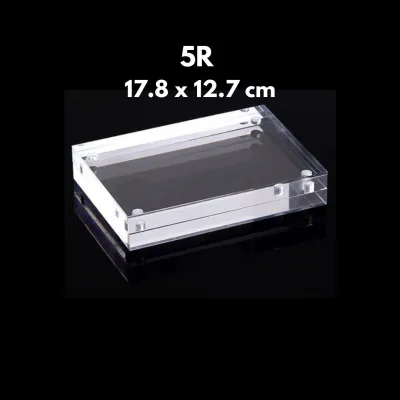
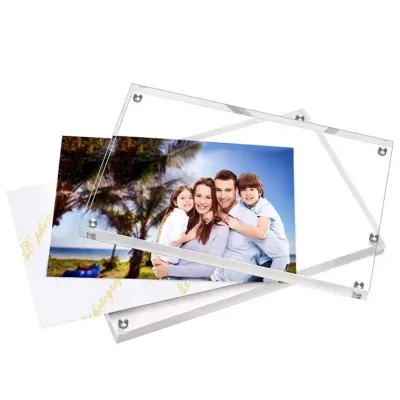




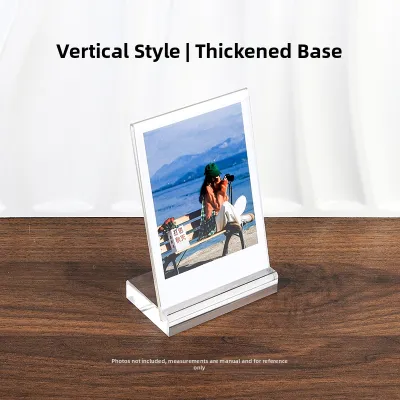

Prices are valid at publication and may change. Please refer to the product page for the latest price.
Contemporary and eclectic interiors, on the other hand, thrive on bold contrasts, rich textures, and artistic statements. In these spaces, your frames can take on a more active role in the decor, utilizing deeper shadows, layered materials, or subtle color accents to draw the eye.
Beyond the style of your furniture, observe the wall colors and lighting conditions of the intended display area. A dark feature wall will interact differently with a transparent frame than a standard off-white wall, affecting how the edges of the frame are perceived. Additionally, identify the exact spot where the frame will hang to assess its visual weight; a small frame can get lost on a large living room wall, while an oversized frame might overwhelm a narrow entryway console.
Select Acrylic Finishes and Edges for Your Aesthetic
The beauty of acrylic lies in its versatility, with various finishes and edge profiles catering to distinct design sensibilities. For modern minimalist interiors, clear, frameless acrylic frames—often referred to as floating or sandwich frames—are highly effective. These designs use two polished acrylic panels to encase the artwork, leaving a transparent border that allows the wall color to show through. This maintains a sense of visual lightness, making the artwork appear as if it is suspended in mid-air.

If your home features a Scandinavian aesthetic, consider opting for acrylic frames with frosted or matte edges. This subtle finish diffuses light rather than reflecting it sharply, preventing harsh glare from Singapore’s bright afternoon sun. The softened edges blend seamlessly with natural wood finishes and soft linen textiles, providing a clean look that does not feel overly sterile or industrial.
For contemporary or gallery-inspired spaces, explore tinted, colored, or thick-beveled acrylic options. A subtle smoky grey or bronze tint along the border of the frame can add dramatic depth and contrast, framing the photograph with an artistic edge. Thick-beveled edges catch the light at different angles, creating a sophisticated, three-dimensional border that mimics the look of high-end art galleries.
Regardless of the style you choose, always verify the manufacturer’s specifications regarding material thickness and edge polishing. High-quality acrylic frames typically feature diamond-polished or flame-polished edges, which eliminate cloudy manufacturing marks and ensure maximum optical clarity. Opting for a thickness of at least 3mm to 5mm prevents the panels from bowing over time, ensuring your display remains perfectly flat and professional.
Check Environmental and Wall Conditions for Placement
While acrylic is highly durable, its placement must be carefully planned to suit the environmental conditions of your home. Singapore’s tropical climate brings abundant natural light, which can be a challenge for preserved artwork and photographs. If you plan to hang your frame near large balcony windows or in rooms with direct sunlight exposure, check the product labels for UV-filtering properties. Standard acrylic offers some natural UV protection, but specialized UV-resistant grades are recommended to prevent your cherished photographs from fading or yellowing over time.
Humidity is another crucial factor to consider, especially in transitional spaces like hallways near kitchens or semi-outdoor patios. While acrylic itself is highly moisture-resistant and will not warp like traditional wood, trapped moisture can damage the print inside. Verify the manufacturer’s guidelines regarding moisture seals or spacer options that keep the print from directly touching the acrylic surface in humid environments.
The physical structure of your walls also dictates the type of mounting hardware you should use. Singaporean homes predominantly feature solid concrete structural walls or brick walls, which require masonry drills and appropriate wall plugs to secure heavy items. If you are using standoff bolts—which require drilling holes directly into the wall—ensure you have the correct drill bits. For lighter, smaller acrylic frames, magnetic blocks or specialized damage-free adhesive strips may suffice, but always cross-reference the frame’s total weight with the weight capacity specified on the hardware packaging to prevent accidental falls.
Finalize Dimensions and Mounting Requirements
Before making a final purchase, precise measurements are essential to ensure a flawless installation. Measure both the physical print and the available wall space, keeping in mind that floating acrylic frames often look best when the frame is slightly larger than the print, creating a clear border around the image. A standard border of 2 to 5 centimeters is typically recommended to achieve the desired floating effect.
Carefully review the manufacturer’s installation instructions, weight limits, and hardware requirements before you begin drilling or mounting. Ensure you have all the necessary tools on hand, including a spirit level to guarantee the frame hangs perfectly straight.
For exceptionally large, heavy, or structurally complex installations—such as multi-panel gallery walls or oversized frames hanging in high-ceiling areas—it is wise to recognize your limits. If you are uncomfortable drilling into tough concrete walls or working at height, stop and consult a qualified professional handyman. Investing in professional installation ensures your beautiful acrylic display is mounted safely and securely, protecting both your walls and your household.
Frequently Asked Questions (FAQ)
How do I clean an acrylic photo frame without scratching it?
To maintain the pristine clarity of your acrylic frame, always use a clean, dry, or slightly damp microfiber cloth. Gently wipe the surface without applying heavy pressure, as trapped dust particles can act as abrasives. For deeper cleaning, use mild soapy water or a specialized cleaner formulated specifically for acrylic and plastic surfaces. Never use ammonia-based glass cleaners, paper towels, or abrasive sponges, as these can cause micro-scratches, static buildup, or permanent clouding on the acrylic surface.
Can acrylic frames be used in high-humidity areas like bathrooms?
Yes, acrylic frames can be used in bathrooms, provided the space is well-ventilated and the frame does not come into direct contact with water. Because acrylic is highly moisture-resistant, it performs better than traditional wood frames in damp environments. However, you must check the manufacturer’s moisture-resistance ratings and care instructions beforehand. Ensure your bathroom has an exhaust fan or open window to prevent heavy steam from condensing inside the frame and damaging the enclosed photograph.
Community discussion
Share your experience or ask a question. Comments are reviewed before publication.