
Matching the right frame to your artwork is the final, crucial step in transforming a simple print or painting into a striking focal point for your home. An aluminium frame offers a sleek, modern, and highly durable solution, but its visual impact depends entirely on how well its profile width and finish align with the artwork’s aesthetic. By understanding how to balance contrast, visual weight, and style, you can select a frame that elevates your art rather than distracting from it. Whether you are displaying a minimalist line drawing, a bold abstract canvas, or a classic black-and-white photograph, the right combination of metal finish and profile depth will create a cohesive, gallery-worthy presentation on your wall.
Core Visual Rules for Matching Frames to Art
To achieve a balanced and professional display, you must first master the relationship between the frame’s physical structure and the artwork’s visual elements. The frame should act as a transition zone between the art and your wall, guiding the viewer’s eye inward.
Contrast versus Harmony When choosing a frame finish, decide whether you want to create a bold contrast or a harmonious, monochromatic look. High contrast, such as pairing a matte black aluminium frame with a bright white minimalist print, draws immediate attention to the boundaries of the artwork, making the colors inside pop. Conversely, a harmonious approach involves matching the frame’s tone to a dominant color within the art itself, such as pairing a brushed silver frame with a cool-toned, blue-grey architectural photograph. This creates a seamless transition that allows the artwork to blend naturally into the surrounding decor.
Products mentioned in this guide
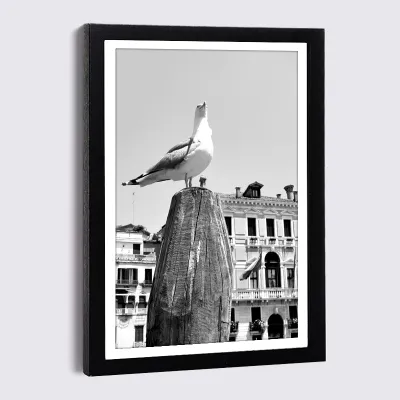
Prices are valid at publication and may change. Please refer to the product page for the latest price.
Visual Weight and Balance The thickness of your aluminium frame must complement the visual density of the artwork. Highly detailed, color-dense, or physically large pieces generally require a frame with sufficient visual weight to anchor them on the wall. However, this does not always mean choosing a thick frame; a slim, deep-box aluminium profile can provide structural presence without overwhelming delicate details. For small prints or delicate sketches, a wider frame or a generous matboard border can give the piece the physical presence it needs to avoid getting lost on a large wall.
Style Alignment Every artwork belongs to a specific design movement, era, or medium, and your frame should respect that heritage. Modern photography, digital illustrations, and industrial-themed prints pair naturally with the clean lines and metallic textures of raw or brushed aluminium. Classic watercolors, vintage botanical prints, or oil paintings, on the other hand, often benefit from the warmth of gold or brass finishes, which bridge the gap between contemporary metal construction and traditional artistic mediums.
Pairing Aluminium Finishes with Specific Art Styles
Aluminium frames come in a diverse range of anodized, painted, and brushed finishes. Selecting the right finish is essential for highlighting the unique characteristics of different art styles.

Matte Black and Dark Finishes Matte black aluminium frames are the gold standard for modern, high-contrast art. This finish provides a sharp, clean boundary that is exceptionally well-suited for minimalist line art, typography, and high-contrast black-and-white photography. The dark border acts as a visual anchor, drawing the eye directly to the subject matter. If you are framing modern graphic prints with bold, saturated colors, a matte black frame will make those colors appear even more vibrant by providing a neutral, non-reflective perimeter.
Brushed Silver and Raw Aluminium For spaces that embrace an industrial, high-tech, or ultra-modern aesthetic, brushed silver and raw aluminium frames are ideal. These cool-toned finishes complement architectural photography, urban landscapes, and contemporary abstract art that features cool color palettes of blues, greys, and whites. The subtle texture of brushed metal catches the light without causing distracting glare, adding a sophisticated, tactile quality to the display that mirrors modern interior elements like stainless steel appliances or exposed concrete.
Gold, Brass, and Warm Metallics If your artwork or interior decor leans toward mid-century modern, eclectic, or transitional styles, warm metallic finishes like gold and brass are excellent choices. These finishes add a touch of luxury and warmth to neutral abstract art, warm-toned landscapes, and vintage-style travel posters. When building an eclectic gallery wall, incorporating gold aluminium frames can tie disparate art styles together, offering a classic, upscale look while maintaining the slim, clean profile that only metal frames can provide.
White and Light Finishes White and light-colored aluminium frames are perfect for creating an airy, spacious feel. They are highly recommended for delicate watercolors, pastel drawings, and Scandinavian-style prints where the goal is to maintain a soft, low-contrast appearance. A white frame blends seamlessly with light-colored walls, allowing the artwork to float effortlessly in the space. This combination is particularly effective in small rooms or narrow hallways, as it prevents the framing from feeling visually heavy or restrictive.
Choosing the Right Profile Width and Depth
The profile of an aluminium frame refers to its face width (the part visible from the front) and its depth (how far it projects from the wall). These dimensions dictate how the framed piece interacts with the surrounding space.
Slim and Flat Profiles Slim aluminium profiles, often measuring under 10 millimeters in width, offer a sleek, barely-there border. This style is perfect for large-scale artworks, panoramic landscapes, or highly detailed maps where you want the frame to disappear into the background. By minimizing the border, you ensure that the viewer’s attention remains entirely on the artwork. Slim profiles are also the preferred choice for multi-panel displays or triptychs, as they allow the individual panels to sit close together without creating heavy visual barriers between them.
Medium to Wide Profiles Medium to wide profiles, ranging from 15 to 30 millimeters or more, provide a strong structural frame that commands attention. These wider borders are excellent for adding visual weight to medium-sized prints or creating a classic gallery look when paired with a wide matboard. If you are framing abstract art with bold brushstrokes or heavy textures, a wider aluminium frame can help contain the energy of the piece, grounding it firmly against the wall.
Deep Box Profiles Deep box profiles, also known as shadow-box or canvas-fitting frames, feature a significant depth that projects outward from the wall. This style is essential for framing thick media, such as canvas wraps, or for creating a dramatic shadow-box effect for three-dimensional objects, textiles, or layered paper art. By leaving a physical gap between the artwork and the glazing, deep box frames create a sense of depth and dimension, casting subtle shadows that enhance the tactile quality of the piece.
Practical Checks Before Buying and Hanging
Before purchasing your aluminium frame, performing a few practical checks will ensure a seamless installation and long-term protection for your artwork.
Sizing and Rabbet Depth Always measure your artwork precisely, including any matboard you plan to use. Pay close attention to the frame’s rabbet depth—the inner groove where the artwork, backing board, and glazing sit. If you are framing a thick canvas or using a multi-layered matboard, verify that the rabbet depth is deep enough to accommodate all layers without forcing the backing clips or bowing the frame.
Glazing Options The choice of glazing (the protective glass or acrylic front) significantly impacts how your art is viewed. For rooms with abundant natural light or overhead spotlights, look for anti-reflective or non-glare acrylic to minimize distracting reflections. If you are framing valuable prints, original drawings, or light-sensitive mediums like watercolors, check the product specifications for UV-filtering properties to protect the artwork from fading over time.
Mounting and Hanging Hardware Aluminium frames are lightweight but require secure mounting hardware to hang straight and safe. Verify that the frame comes equipped with sturdy D-rings, tension springs, or a reliable hanging wire system. In apartments with concrete walls, which are very common in Singapore, ensure you have the correct masonry wall plugs and screws rather than simple adhesive hooks, as temperature and humidity changes can cause adhesives to fail over time.
Matboard Compatibility Decide whether your artwork requires a matboard. A matboard not only provides a professional visual border that draws the eye inward, but it also creates a crucial air gap between the artwork and the glazing. This gap prevents the art from sticking to the glass or acrylic, which is especially important in humid environments where moisture can easily become trapped inside the frame.
Frequently Asked Questions (FAQ)
How do I clean and maintain an aluminium frame without damaging the finish?
To keep your aluminium frame looking pristine, use a soft, dry, lint-free microfiber cloth to gently wipe away dust and fingerprints. Avoid using harsh chemical cleaners, ammonia-based glass cleaners, or abrasive sponges, as these can scratch or strip the anodized, painted, or brushed finish. If a deeper clean is necessary, slightly dampen the microfiber cloth with water or a mild, pH-neutral soap solution, wipe the frame gently, and dry it immediately with a clean cloth. Always check the manufacturer’s care instructions before applying any liquid to specialized metallic finishes.
Can aluminium frames be used in high-humidity areas like bathrooms?
Yes, aluminium is highly resistant to rust and corrosion compared to wood or untreated iron, making it an excellent choice for humid environments. However, you must ensure that the internal components, such as the backing board and the artwork itself, are protected from moisture. Check that the backing board is made of water-resistant materials rather than standard cardboard, which can warp and harbor mold. To protect your artwork, ensure the room is well-ventilated, avoid hanging the frame where it will receive direct water splashes, and use a matboard to prevent the art from pressing directly against the damp glazing.

Community discussion
Share your experience or ask a question. Comments are reviewed before publication.