
A beautifully scented candle can instantly transform the atmosphere of a room, but the vessel or cover you choose to house it in plays an equally important role in your home’s overall design. A candle cover does more than simply shield an open flame from drafts; it acts as a decorative bridge that integrates functional lighting with your personal interior style. Whether you are looking to soften the flicker of a flame, protect your wooden surfaces from heat, or add a sculptural element to a console table, selecting the right cover requires balancing aesthetics with practical safety. By understanding how different materials interact with light and heat, you can elevate your living spaces while maintaining a safe, comfortable home environment.
Understanding Candle Cover Types and Materials
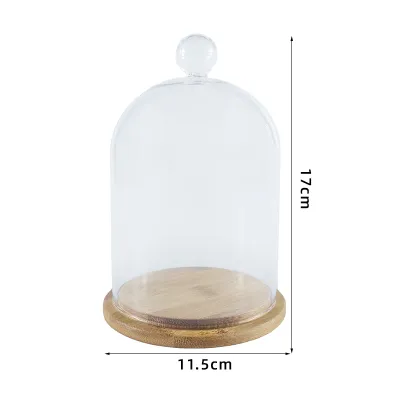
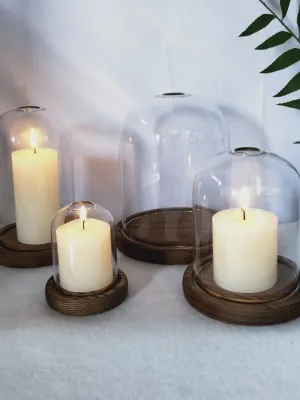
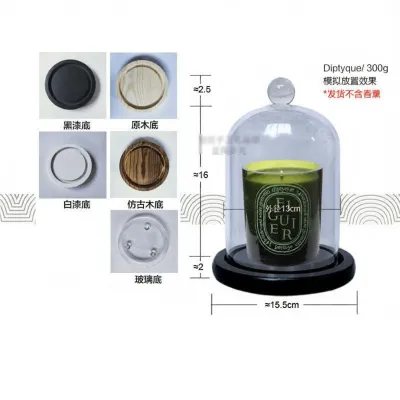
To make an informed decision, you must first understand the primary structural forms of candle covers and how their materials influence both light diffusion and safety. Glass cloches are bell-shaped covers that completely enclose a candle, typically resting on a wooden, ceramic, or metal base. They are excellent for preserving the scent of a candle when it is not lit and creating a dramatic, museum-like display, though they must be removed before lighting an open flame unless they feature a ventilated top opening.
Metal lanterns offer a more structured, architectural look, often featuring glass panels set within a brass, copper, or iron frame. These lanterns frequently include built-in handles and latching doors, making them highly portable and suitable for transitioning between indoor living rooms and sheltered balcony spaces.
Products mentioned in this guide

Prices are valid at publication and may change. Please refer to the product page for the latest price.
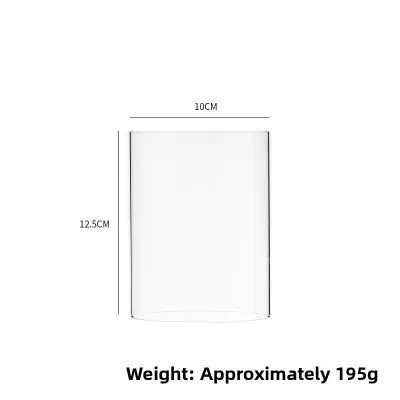
Ceramic shades, which sit directly on top of jar candles or small bases, cast a warm, localized glow and often feature delicate perforations that project intricate light patterns onto nearby walls. Open-top hurricanes are cylindrical or flared glass sleeves that slide over a pillar candle, protecting the flame from drafts while allowing heat and air to escape freely through the open top.
The material finish you choose directly dictates how candlelight is dispersed throughout your room. Clear glass offers maximum brightness and showcases the natural dance of the flame, making it ideal for spaces where you want vibrant, direct illumination. Frosted or acid-etched glass finishes diffuse the light, softening harsh glare and creating a gentle, ambient glow that is perfect for relaxing bedrooms or cozy reading nooks.
Brushed metals, such as satin brass or matte steel, reflect light with a warm, metallic sheen, adding depth and texture to your lighting setup. Textured ceramics, including unglazed terracotta or stoneware, block direct light entirely, forcing the glow upward or through decorative cutouts to create dramatic shadows.
Before purchasing any cover, it is essential to check the manufacturer’s specifications regarding heat resistance and compatibility with specific candle types. Some covers are designed exclusively for small tealights or low-heat LED alternatives, while others can safely withstand the intense, sustained heat generated by large multi-wick pillar candles or jar candles.
Matching Candle Covers to Popular Interior Styles
Integrating decorative accessories into your home requires a thoughtful approach to visual harmony, ensuring that small accents do not clash with your larger furniture pieces. When selecting a candle cover, you must evaluate how its scale, color, and texture align with the existing architectural details and design language of your room. A cover that is too small may get lost on a large dining table, while an oversized, heavy metal lantern might overwhelm a delicate glass side table. By analyzing the dominant design theme of your space first, you can choose an accessory that enhances the room’s flow rather than disrupting it.

Modern and Minimalist Spaces
Modern and minimalist interiors prioritize clean lines, structural simplicity, and a clutter-free environment where every object serves a clear visual or functional purpose. For these spaces, look for candle covers that feature sharp geometric shapes, such as perfect cylinders, spheres, or rectangular prisms, which reinforce the architectural lines of the room. Clear, smoked, or tinted glass covers with minimal framing allow the candle itself to remain the central focus without adding visual noise.
Matte black or powder-coated white metal frames provide a striking, high-contrast look that complements minimalist color palettes without relying on surface ornamentation. These clean finishes help ground the accessory within a contemporary setting, making them highly suitable for modern apartments.
In a minimalist setting, it is best to avoid ornate patterns, heavy filigree, or highly textured surfaces that can make a space feel cluttered or overly busy. Instead, focus on sleek, unembellished profiles that celebrate the purity of the materials and the natural movement of the flame. A simple, high-quality borosilicate glass cylinder resting on a smooth concrete or slate base provides a sophisticated, understated accent that fits seamlessly onto a modern media console or a minimalist kitchen island.
Scandinavian and Japandi Aesthetics
Scandinavian and Japandi design styles focus heavily on creating warm, inviting spaces through the use of natural materials, organic textures, and functional simplicity. To complement these aesthetics, seek out candle covers that incorporate tactile elements such as ribbed or fluted glass, which gently distorts the candlelight to create a soft, watery glow. Light wood accents, such as oak or ash bases, and unglazed ceramic shades in organic, hand-thrown shapes help connect your indoor lighting with the natural world.
The color palette for these styles should remain neutral and earthy, focusing on soft whites, warm grays, muted beiges, and gentle terracotta tones. These colors blend effortlessly with light-colored timber furniture, linen textiles, and indoor plants common in Singaporean apartments.
Choose designs that emphasize functional elegance and quiet craftsmanship, avoiding loud, glossy, or highly polished metallic finishes that can disrupt the calm, serene atmosphere of a Japandi-inspired living room. A matte ceramic dome with subtle, hand-carved details can provide just enough visual interest while maintaining a peaceful, grounded aesthetic.
Traditional and Classic Interiors
Traditional and classic homes feature rich wood furnishings, detailed architectural moldings, and layered textiles that require more substantial, decorative accessories to match their visual weight. For these refined spaces, consider candle covers finished in antique brass, polished copper, or warm bronze, which coordinate beautifully with classic cabinet hardware and framed artwork. Thick, high-quality cut-glass or crystal designs with faceted edges are also excellent choices, as they catch and refract the candlelight into brilliant, sparkling patterns across the room.
Look for subtle decorative details that reference historical craftsmanship, such as beaded metal rims, classic lantern handles, or delicate metallic fretwork. These elements add a sense of heritage and sophistication without feeling overly dated.
When styling a traditional dining room or a formal entryway, balance the visual weight of a heavy metal or cut-glass hurricane by pairing it with substantial wooden furniture, velvet upholstery, or classic wainscoting to create a balanced, cohesive look. This ensures the candle cover feels like an intentional, integrated part of the room’s grander design.
Key Dimensions and Safety Checks Before Buying
While finding the perfect style is exciting, verifying the physical compatibility and safety parameters of a candle cover is critical to preventing accidents and ensuring optimal performance. First, carefully measure both the interior diameter and the height of the cover, comparing these measurements to the dimensions of the candles you plan to use. There must be adequate clearance—ideally at least two to three centimeters—between the edge of the candle wax and the inner wall of the cover. If a candle is too close to the glass or metal, the intense heat can cause the cover to crack, discolor, or transfer dangerous levels of heat to the surface below.
Proper ventilation is another vital factor to consider when choosing a cover for open-flame candles. An enclosed cover without sufficient airflow will quickly deplete the oxygen supply, causing the candle flame to flicker wildly, produce excess black soot, or extinguish prematurely. Look for designs that feature open tops, ventilated metal caps, or raised bases that allow cool air to enter from the bottom while hot air escapes from the top. This continuous airflow ensures a clean, stable burn and prevents unsightly soot buildup on the inside of your decorative glass.
Stability and weight distribution are equally important, especially if you live in a busy household with pets or young children. Tall, top-heavy glass cloches or narrow hurricanes can easily tip over if bumped, posing a significant fire hazard. Opt for covers that feature wide, heavy bases made of solid wood, marble, or thick ceramic, which lower the center of gravity and keep the assembly securely in place.
Finally, always review and follow the manufacturer’s safety instructions regarding maximum continuous burn times, heat thresholds, and placement. Never place a candle cover directly beneath low-hanging shelves, curtains, or other flammable materials, and ensure the entire setup rests on a flat, heat-resistant surface such as stone, ceramic, or treated hardwood.
Building Your Shortlist: Where to Look and What to Verify
When you are ready to purchase, formulating a structured shopping strategy will help you find high-quality pieces that match your design vision and functional needs. Start by exploring local home decor boutiques, specialized lighting showrooms, and reputable online marketplaces that offer curated selections of home accessories. Shopping from established retailers ensures you have access to detailed product specifications and reliable customer service if you need to ask questions about material safety.
As you browse online listings, read the product descriptions with a critical eye, looking past stylized lifestyle photographs to verify the exact dimensions, weight, and material composition. Images can often be misleading regarding scale, so physically measuring your intended display space beforehand is essential to ensure the cover fits comfortably on your shelf or table. Look for explicit mentions of heat-resistant materials, such as borosilicate glass or powder-coated metals, which indicate the product is designed to handle open flames safely.
It is also wise to check the retailer’s return and exchange policies before finalizing your purchase. Because color finishes, glass clarity, and physical weight can look different in person under your home’s specific lighting conditions, having a flexible return option provides peace of mind.
To maximize the value of your investment, look for versatile designs that can serve multiple purposes throughout the year. For example, a high-quality glass cloche with a wooden base can house a scented candle during the cooler monsoon months, and then be repurposed as a decorative display dome for air plants, crystals, or seasonal ornaments when the candle is fully spent.
Frequently Asked Questions (FAQ)
Can I use a candle cover with LED or flameless candles?
Yes, using a candle cover with LED or flameless candles is a practical, highly versatile alternative to open flames. Flameless candles avoid the risks of heat accumulation, soot buildup, and fire hazards, making them ideal for fully enclosed glass cloches or delicate paper and wood covers that cannot tolerate heat. To achieve a realistic look, choose a cover made of frosted, ribbed, or amber-tinted glass, which helps diffuse the artificial light and softens the appearance of the plastic flame, mimicking the warm, natural flicker of a real wax candle.
How do I clean soot stains from the inside of a glass candle cover?
To clean soot stains without scratching or damaging the glass, first ensure the cover is completely cool to the touch to avoid thermal shock. Wipe away loose carbon residue with a dry microfiber cloth, then apply a mild solution of warm, soapy water or a standard household glass cleaner to the affected areas. For stubborn soot buildup, a paste made of baking soda and water can be gently rubbed onto the stains using a soft sponge, then rinsed thoroughly. Always dry the glass completely with a lint-free cloth before placing it back over a candle or relighting the flame.
Is it safe to leave a burning candle unattended inside a covered hurricane?
No, you must never leave a burning candle unattended, even if it is housed inside a protective glass hurricane or metal lantern. While a cover provides a physical barrier against drafts and accidental contact, the risks of heat buildup, wax flare-ups, or structural failure of the glass remain present. Always extinguish the flame before leaving the room, and ensure the covered candle is placed on a stable, heat-resistant surface far away from flammable materials, drafts, children, and pets.
Community discussion
Share your experience or ask a question. Comments are reviewed before publication.