
Using a candle warmer completely changes how a scented candle releases its fragrance. Unlike a traditional flame that burns the wax and wick, a warmer uses gentle heat to melt the wax pool. This flameless method alters how different fragrance notes evaporate, meaning your choice of scent family directly impacts how long the fragrance lasts and how strongly it fills your room.
Matching the right fragrance profile to your candle warmer allows you to curate specific moods while maximizing the lifespan of your candles. To get the most out of your home fragrance setup, it helps to understand how different scent families behave under sustained, flameless heat.
Some fragrances thrive under continuous warmth, while others require shorter, more controlled sessions to prevent their delicate notes from fading too quickly. By adjusting your warmer settings and choosing the right wax blends, you can easily transform your living space into a relaxing sanctuary, an energizing workspace, or a cozy social hub.
Products mentioned in this guide
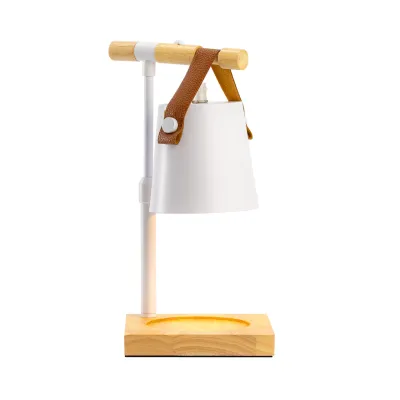
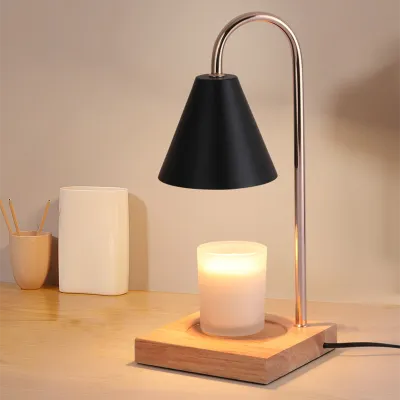
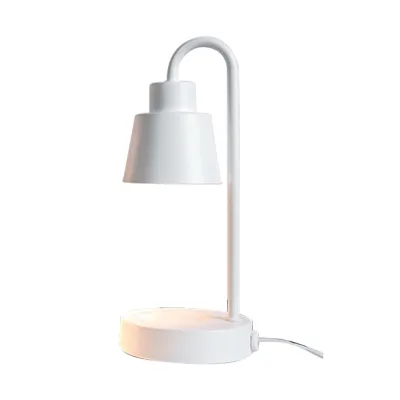
![[😀SG Ready Stock]Scented Candles Electric Candle Warmer Lamp Expand Fragrance Mini Small Aromatherapy Atmosphere Lamp](https://img.lazcdn.com/g/p/97ca54a89529253d57f14d00974e4194.jpg_400x400q80.jpg_.webp)
Prices are valid at publication and may change. Please refer to the product page for the latest price.
Understanding How Candle Warmers Change Scent Diffusion
To master home fragrancing, you must first understand how a candle warmer alters the physical behavior of wax and perfume oils. When you light a candle with a match, the open flame burns at a very high temperature, rapidly consuming both the wax and the fragrance oils. This intense heat quickly vaporizes the scent, creating a strong but short-lived burst of fragrance.
In contrast, a candle warmer relies on a halogen bulb or a heated plate to melt the wax gently and evenly. This lower, more consistent temperature changes how different fragrance notes evaporate. Every perfume is built on a pyramid of top, middle, and base notes, each with its own volatility rate.
Top notes, such as citrus and light herbs, are highly volatile and evaporate at the slightest hint of warmth. Middle notes, like florals and soft fruits, release more gradually. Base notes, including heavy woods, resins, and musks, have the lowest volatility and require sustained heat to diffuse into the air.
Because a warmer does not burn away the wax, the melted pool remains intact while the fragrance oils slowly escape. Over time, the top layer of wax will lose its scent even though the liquid remains. To manage this, you can observe the strength of the scent throw and adjust your warmer’s height or dimming controls. Lowering the heat can help preserve delicate notes, while increasing the temperature can coax stubborn base notes out of a deep wax pool.
Pairing Woody and Earthy Scents for Relaxing Moods
Woody and earthy fragrance families are exceptionally well-suited for candle warmers because of their heavy molecular structure. Scents featuring sandalwood, cedarwood, amber, patchouli, and oakmoss rely heavily on deep base notes that do not vaporize easily. When exposed to the gentle, continuous heat of a warmer, these rich ingredients release a steady, lingering aroma that can fill a room for hours without becoming overwhelming.

These grounding scent profiles are ideal for creating a calming, meditative atmosphere in spaces meant for rest and recovery. Placing a warmer with a woody candle in your bedroom, study, or evening reading nook helps establish a serene environment perfect for winding down after a busy day. Because the warmer operates without an open flame, you can enjoy these soothing aromas during quiet evening hours without the safety worries associated with a burning wick.
When selecting a woody candle for your warmer, check the product label for the wax composition and fragrance concentration. Soy wax and coconut wax blends generally have lower melting points, allowing woody base notes to diffuse efficiently even on lower warmer settings. Look for candles that list high-quality essential oils or concentrated fragrance oils in their base notes, as these will provide a deeper, more resilient scent throw that withstands prolonged melting sessions.
Pairing Citrus and Fresh Scents for Energizing Ambiance
Citrus and fresh fragrance families, including lemon, bergamot, eucalyptus, marine notes, and fresh-cut grass, are dominated by highly volatile top notes. While these scents are incredibly uplifting, they present a unique challenge when paired with a candle warmer. Because these molecules evaporate so quickly, continuous exposure to heat can cause a citrus candle to lose its vibrant scent throw much faster than a woody or spicy alternative.
To prevent these energizing scents from fading prematurely, you can adopt a few practical warming strategies. Instead of leaving the warmer on for extended periods, limit your sessions to short bursts of one to two hours. This is often long enough to melt the top layer of wax and release a refreshing wave of fragrance throughout your home office or kitchen.
Alternatively, using a dimmable candle warmer on its lowest heat setting will slow down the evaporation rate, helping to preserve the delicate top notes. These bright, clean scents are perfect for morning routines or spaces where you need to maintain focus and productivity. A fresh, herbaceous candle warmed in the kitchen can quickly neutralize cooking odors, while a citrus blend in a home workspace can help boost alertness.
If you find the scent starting to weaken, let the wax cool and solidify, or carefully pour off the top scentless wax layer to expose a fresh, highly concentrated layer of fragrance underneath.
Pairing Floral and Spicy Scents for Cozy Settings
Floral and spicy fragrance families occupy the middle ground of the scent pyramid, making them highly versatile options for candle warmers. Scents like lavender, rose, jasmine, cinnamon, clove, and vanilla are rich in middle and light base notes. Under the steady warmth of a halogen bulb, these notes develop beautifully, creating a balanced and welcoming atmosphere that spreads evenly across larger living areas.
When warming these sweet or spicy profiles, it is important to manage the strength of the scent throw to avoid sensory fatigue. In smaller or enclosed spaces, such as a compact living room or a hallway, heavy floral or gourmand scents can quickly become cloying. To maintain a comfortable ambiance, consider adjusting the distance between the bulb and the candle jar, or keep nearby doors slightly open to allow for natural air circulation.
These cozy fragrance profiles are excellent for social spaces, dining areas, and family rooms where you want to foster a sense of warmth and hospitality. A soft floral scent can make a living room feel clean and inviting, while a subtle touch of spice or vanilla adds a comforting, home-baked feel to a dining space. By using a warmer, you can easily control the intensity of these rich scents, ensuring they remain pleasant and inviting for your guests.
Safety and Compatibility Checks for Candle Warmers
Before pairing any scented candle with a warmer, you must verify several physical and electrical compatibility limits to ensure safe operation. Always start by checking the candle manufacturer’s instructions to confirm if the wax blend and container are rated for use with external heat sources. Some specialty waxes have exceptionally low melting points or are housed in containers that cannot withstand sustained thermal stress.
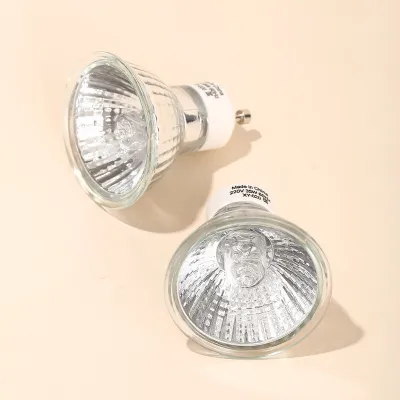
Next, inspect the technical specifications of your candle warmer. Ensure the device matches your local household voltage, such as 220-240V, and carries recognized electrical safety certifications. Verify that the warmer’s bulb type and wattage limit—typically 35W or 50W for GU10 halogen bulbs—align with the manufacturer’s recommendations. Using a bulb with too high a wattage can overheat the wax, while a weak bulb will fail to create a proper melt pool.
Finally, pay close attention to the physical dimensions of your candle jars. The jar must fit securely on the warmer’s base or beneath the overhead bulb without touching the protective housing. Always establish clear stop conditions: if you notice wax discoloration, a complete loss of scent throw, or if the candle has reached the manufacturer’s maximum recommended melt hours, turn off the device. Never leave a running candle warmer unattended, and always allow the wax to cool completely before handling the jar.
Frequently Asked Questions (FAQ)
Can I use any scented candle with a candle warmer?
Not every scented candle is suitable for use with a candle warmer. You must always check the candle’s label for specific safety warnings, as some containers made of thin glass, plastic, or painted materials can crack or degrade under sustained heat. Additionally, ensure the jar fits comfortably within the physical dimensions of your warmer and that the wax type is compatible with flameless melting.
Why does my citrus candle lose its scent quickly on a warmer?
Citrus and fresh fragrances are composed of highly volatile top notes that evaporate rapidly when exposed to heat. When melted on a warmer, these light molecules escape the wax pool much faster than heavier woody or spicy notes. To extend the life of these candles, use lower heat settings, limit warming sessions to short intervals, and periodically pour off the top layer of scentless wax to reveal the fresh fragrance below.
Community discussion
Share your experience or ask a question. Comments are reviewed before publication.